
Reviewed · BRAGA & GUIMARAES DAY TRIPS
Best of Braga and Guimaraes Day Trip from Porto
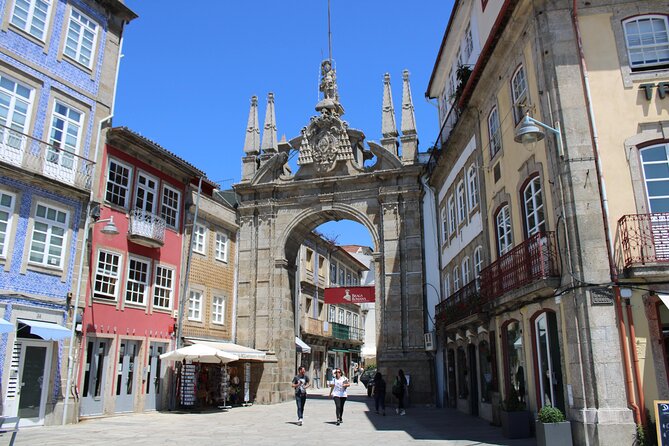
The most memorable part of this day is the contrast between Bom Jesus Sanctuary, rising above Braga on its grand staircase, and Guimarães, the compact medieval city tied to Portugal’s birth. In one outing, you get religious art, royal beginnings, old granite streets, and plenty of stories between stops.
I like the way the tour mixes guided visits with free time. Braga gives you an hour to eat and wander, while Guimarães offers enough unstructured time to browse its old center. I also like the comfortable, air-conditioned minibus and the guides, including Castro, José, Christian, and Pedro, who are often praised for making Portuguese history easy to follow.
The main consideration is the bilingual format. An English tour may also be conducted in Spanish, which can lengthen explanations and leave less time for questions. It is also a full nine-hour day, and rainy weather can make the walking portions less enjoyable.
In This Review
- Quick reasons to consider this day trip
- From Porto to Braga by minibus
- Bom Jesus and the three-minute funicular ride
- Braga Cathedral and the city’s oldest story
- Guimarães, birthplace of the Portuguese kingdom
- Guimarães Castle and Portugal’s early defenses
- São Miguel do Castelo and a small Romanesque church
- Walking through the UNESCO-listed old town
- How good is the $71.35 value?
- Guides, languages, and the day’s pace
- Who should book this tour?
- Should you book the Braga and Guimarães day trip?
- FAQ
- Where does the tour start?
- What time does the tour begin?
- How long does the tour last?
- Where does the tour end?
- Is hotel pickup included?
- Is lunch included?
- Which admissions are included?
- Is the tour conducted in English?
- How many people can join the tour?
- Can you cancel for a full refund?
Quick reasons to consider this day trip
- Bom Jesus has a working water-powered funicular: The 1882 system carries you up a 300-meter ramp in about three minutes.
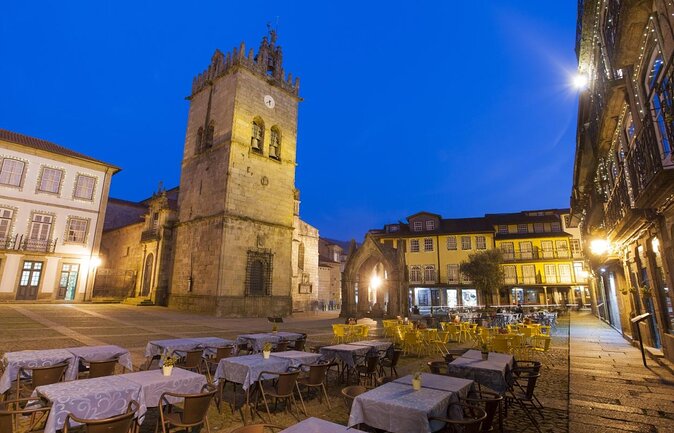
- Braga Cathedral predates Portugal: It was consecrated in 1089, before the country became an independent kingdom.
- Guimarães connects directly to Portugal’s beginnings: Afonso Henriques, Portugal’s first king, was born here.
- The schedule has a useful rhythm: You alternate between driving, short guided walks, major sights, and free time for lunch.
- The group can reach 27 people: That keeps the price reasonable, though it is not an intimate private tour.
- The price includes major admissions: At $71.35, the outing covers transport, a guide, Braga Cathedral, Guimarães Castle, and Bom Jesus Sanctuary.
From Porto to Braga by minibus
The morning begins at 7:50 a.m. near S. Bento Train Station, at Calçada de Vandoma. You meet the guide there, then leave Porto in an air-conditioned minibus for the Minho region.
This early start matters. Braga and Guimarães are both easy to visit from Porto, but seeing both in one day requires a firm timetable. The drive becomes part of the tour as your guide explains Portuguese history, regional development, and cultural traditions. That background helps you understand why Braga feels so tied to Catholic life and why Guimarães carries such weight in national history.
The vehicle is a practical choice for this route. You avoid arranging separate train connections, local buses, and taxis, and you can sit back between walking sections. Some departures include Wi-Fi, according to the tour details, though the main comfort advantage is the air conditioning, especially during warm weather.
The group may include up to 27 people. That is large enough to keep the cost down, but you should expect a shared tour rather than a quiet, personal outing. Stay close to the guide at each stop, especially in old town streets where the group can spread out quickly.
More Braga and Guimaraes day trips:
- From Porto: Braga and Guimarães Full-Day Trip
★ 4.6 · 3,951 reviews - Porto: Guimarães & Braga Tour with Entry Tickets and Lunch
★ 4.8 · 602 reviews - From Porto: Braga & Guimarães with Lunch Small Group Tour
★ 4.8 · 545 reviews
Bom Jesus and the three-minute funicular ride
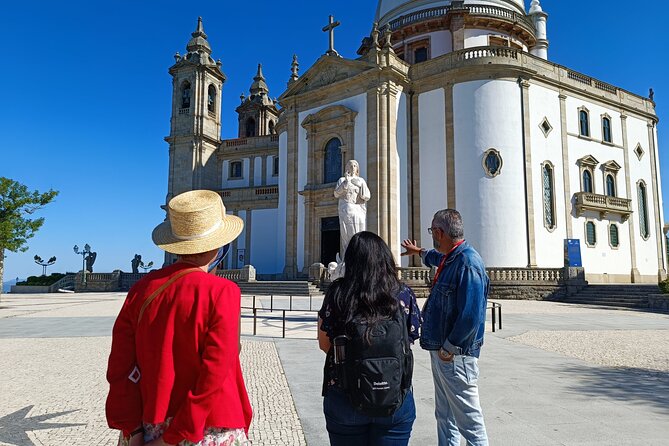
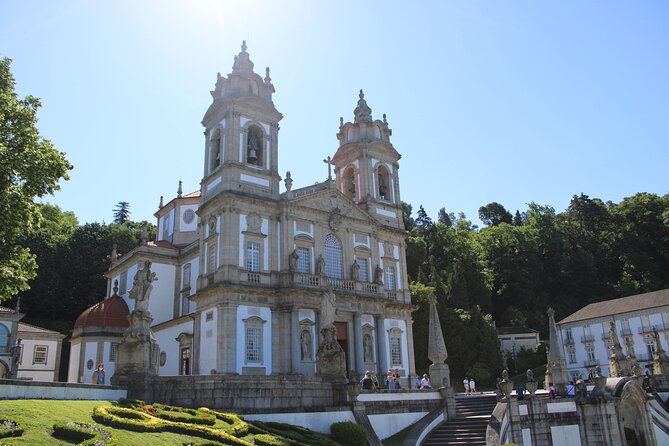
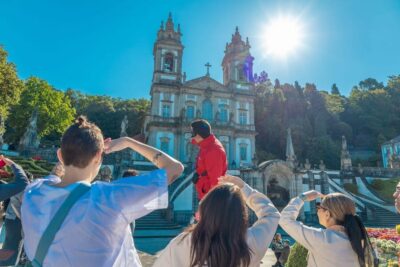
Your first major stop is Bom Jesus do Monte, one of northern Portugal’s most striking religious sites. The sanctuary is famous for its long staircase, but it is also notable for the funicular beside it.
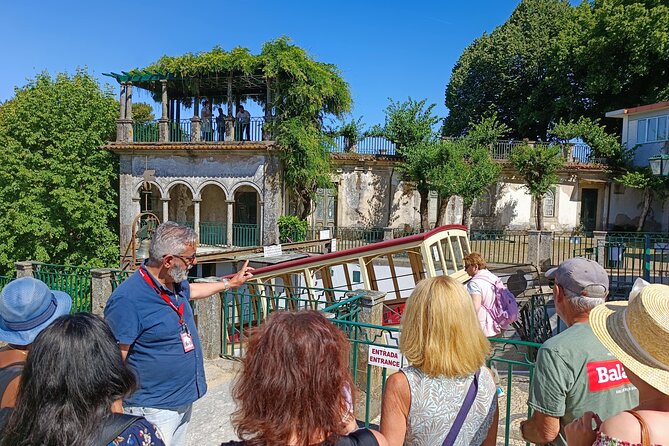
Built in 1882, the funicular was the first of its type in Portugal. Its water-powered mechanism still moves visitors up the 300-meter slope in roughly three minutes. That is a fine piece of 19th-century engineering, and it gives the stop more interest than a standard church visit.
The church at the top was designed by Carlos Amarante in an Italian-inspired neoclassical style. Its pale structure sits above the staircase, framed by trees and open views across northern Portugal. You have about 30 minutes here, with entrance included.
Take time to look up from the bottom of the staircase. The route contains 17 landings decorated with fountains, statues, and Baroque details. Each section follows a theme, including the Stations of the Cross, the five senses, the virtues, Moses receiving the Commandments, and figures linked to the condemnation of Jesus.
Thirty minutes is enough to grasp the design and see the main view, but not enough for a slow climb up and down every stair. The tour uses the funicular to make the visit manageable. If you want a longer walk, a separate visit would suit you better.
Rain also matters here. The stairs and stone surfaces can become slippery, and the open setting gives you little shelter. Bring a rain jacket and shoes with good grip if the forecast is uncertain.
Braga Cathedral and the city’s oldest story
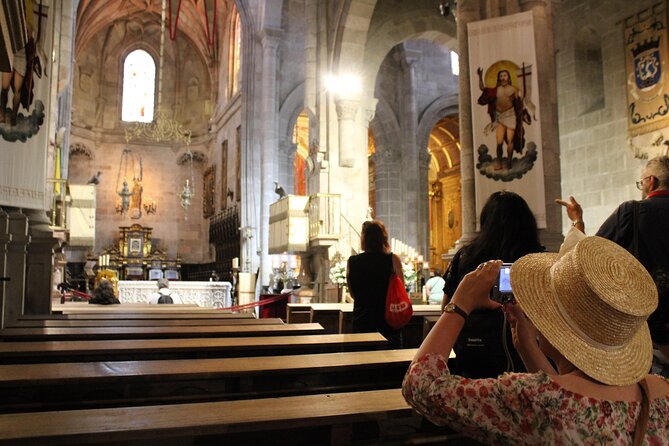
The next stop takes you into Braga, one of Portugal’s oldest religious centers. The Cathedral of Braga began construction in the late 11th century and was consecrated to the Virgin Mary on August 28, 1089.
That date gives the building its force. Braga Cathedral is not simply an attractive church in an old city. It was already an important religious institution before Portugal was founded as an independent country. The tour includes admission and about 30 minutes inside.
The cathedral also connects to Portugal’s first royal family. Count Henry and Teresa, the parents of Afonso Henriques, are buried in the Chapel of Kings. Their son later became Portugal’s first king, so the visit links the religious power of Braga with the political story you will hear later in Guimarães.
Your guide’s explanation makes a difference here. Guides such as Christian and Castro have been praised for giving useful historical context during the walks and bus rides. Still, the amount of detail can vary by guide, and a bilingual tour may mean information is delivered in English and Spanish.
After the cathedral, you get one hour of free time in Braga. This is a good chance to eat, browse the central streets, or take a closer look at the city without having to stay beside the group.
Use the hour with some discipline. A leisurely restaurant meal can consume most of it, while a quick lunch leaves time for shops and nearby streets. Lunch is not included, so budget separately for food and drinks.
Guimarães, birthplace of the Portuguese kingdom
After Braga, the minibus makes the short journey to Guimarães. The city is closely linked with Afonso Henriques, the first king of Portugal, who was born here.
Guimarães gives the afternoon a different mood. Braga is shaped by grand religious architecture, while Guimarães focuses more on fortified beginnings, old houses, narrow lanes, and the formation of the Portuguese state. You have roughly two hours in the city, including the castle and the historic center.
The time is enough for a strong first look, but it will not cover every museum or side street. If Guimarães interests you most, consider returning from Porto for a longer visit. The day trip works best as an introduction to both cities, not as a complete study of either one.
A few more Porto outings to weigh up
- Day Trip from Porto to Santiago de Compostela and Valença
★ 5.0 · 883 reviews - From Porto: Arouca 516 and Paiva Walkways Guided Day Trip
★ 4.9 · 456 reviews - Day Trip Braga and Guimarães from Porto
★ 4.5 · 237 reviews - Douro Valley and Wine Day Trip from Porto
★ 5.0 · 201 reviews
Guimarães Castle and Portugal’s early defenses
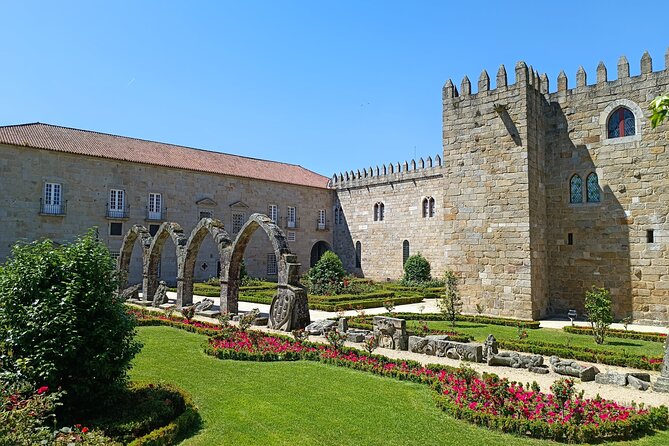
Guimarães Castle is included in the tour, with about 30 minutes set aside for the visit. The site is tied to the early formation of Portugal and to the defensive needs of northern Iberia.
Around 968, Countess Mumadona ordered a castle built here so local people could seek refuge from Viking attacks from the north and Muslim raids from the south. Later, Count Henry ordered a larger and stronger structure, including the square keep and four corner towers that define the castle today.
Tradition places the residence of Count Henry against the inner northern wall and suggests that Afonso Henriques may have been born there. That detail is not strictly documented, but it explains why the castle carries such symbolic weight.
Set your expectations correctly. This is a historic fortress, not a furnished royal palace. Parts of the castle can feel spare, and access is limited. Access to the walls is now prohibited, so you should not expect to walk the full circuit or climb everywhere shown in older photographs.
Some people will find the castle fascinating for its connection to Portugal’s beginnings. Others may feel the visit is brief and that the remaining structure is more evocative than richly decorated. I would give the castle extra value if you enjoy military history and national origin stories.
São Miguel do Castelo and a small Romanesque church
Beside the castle is the Church of São Miguel do Castelo. The visit lasts about 10 minutes, so think of it as a quick historical pause rather than a full church tour.
The small Romanesque building dates to the 13th century, though local tradition places its construction in the 12th century under Count Henry. Tradition also says that Afonso Henriques was baptized here. Under the church floor are burials connected with the warriors of Portugal’s founding period.
The church is plain and compact. Its appeal comes from its age and associations rather than decoration. The short stop also works well in a packed itinerary because it gives you a quiet moment between the castle and the busier old center.
Walking through the UNESCO-listed old town
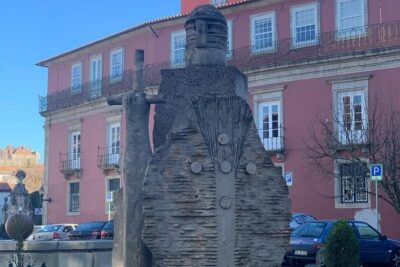
The final major portion of the day is the historic center of Guimarães, recognized as a UNESCO World Heritage site in 2001. This is where the tour’s walking element becomes most rewarding.
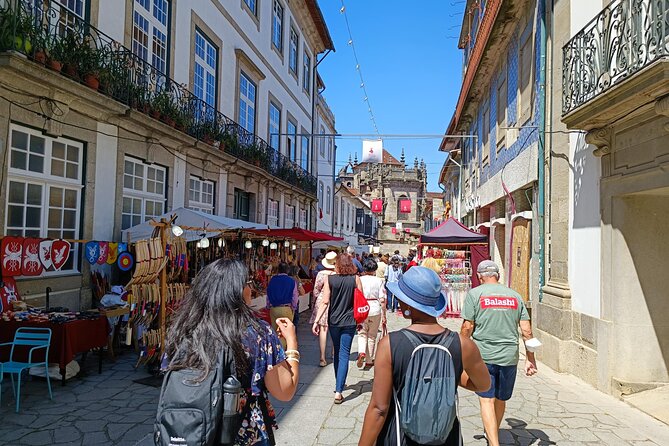
The old center developed inside the former city walls. Its character comes from the way the streets, houses, arches, balconies, towers, and cloisters fit together. Look for granite porticos, iron verandas, old paving, and narrow lanes that open into small squares.
You may pass historic houses such as the Mota Prego house, Vila Flor Palace, and Toural Palace. The guide helps connect these buildings to the city’s social and political past, but you also get time to simply look around.
The guided walking tour lasts about 30 minutes within the broader Guimarães visit. That is enough to orient you and point out the main features. Afterward, you can use the remaining time for lunch, shops, photographs, or a quiet walk through the old streets.
This part of the itinerary is particularly useful if you are visiting Guimarães for the first time. The city is compact, but the old lanes can make it hard to understand where you are without some direction. The tradeoff is that a 30-minute guided walk cannot cover every corner.
How good is the $71.35 value?
At $71.35 per person, this tour offers solid value if you want to see both Braga and Guimarães in one day. The price includes air-conditioned transport, a professional local guide, Bom Jesus Sanctuary, Braga Cathedral, Guimarães Castle, and a guided walk through the UNESCO-listed center.
You still pay for lunch and personal purchases. Hotel pickup and drop-off are not included, so you must reach the meeting point near S. Bento Train Station on your own.
The value is strongest for first-time visitors who want history and transport handled in one package. It is less attractive if you prefer slow meals, independent wandering, or long visits inside individual monuments. A private tour would give you more control, but this shared option costs far less.
The tour ends back at the original meeting point after about nine hours. The exact return time can change with traffic and visit schedules, but the timetable generally leaves you back in Porto with part of the evening still available.
Guides, languages, and the day’s pace
Guide quality is central to this outing. Castro, José, Christian, Pedro, and other guides have been singled out for clear organization, personal attention, strong storytelling, and pride in Portuguese history. Good guides also check in with people during free time and help with practical choices such as where to eat.
The tour may operate in two languages. If English and Spanish are combined, the guide repeats information, which can reduce the time available for questions and independent exploring. The listing makes this possibility clear, but it is still worth checking when booking if a single-language tour matters to you.
The pacing is one of the strongest features. You sit during the drives, walk for short periods, stop for major sights, and receive free time in both cities. The day is long, but it does not require nine hours of continuous walking.
Bad weather can change the feel of the tour. The outing generally runs in rain, and one departure became unpleasant during heavy rain when a participant left early by Uber or Bolt. If the forecast is poor, bring waterproof clothing and accept that open-air sights may be less comfortable.
Who should book this tour?
I would choose this trip if you are staying in Porto and want a guided introduction to two important northern Portuguese cities without changing hotels or managing regional transport. It suits first-time visitors, solo travelers, couples, and families who value a clear schedule.
History fans will get the most from the connections between Bom Jesus, Braga Cathedral, Guimarães Castle, and Afonso Henriques. You will also appreciate having a guide explain the difference between religious power in Braga and national identity in Guimarães.
I would hesitate if you have already spent a lot of time touring Portugal and prefer deeper visits. One person who knew the country well found less new information here, and that is fair. The tour gives you a broad view, not specialist research.
Free cancellation is available up to 24 hours before the start time. The tour also requires a minimum number of participants, so a cancellation by the operator can lead to another date, another experience, or a full refund.
Should you book the Braga and Guimarães day trip?
Book it if you want two historic cities in one well-organized day, with admissions and transport included. The combination of Bom Jesus, Braga Cathedral, Guimarães Castle, and the old town offers a strong introduction to northern Portugal for a reasonable price.
Skip it if you want to set your own pace, spend hours inside one monument, or avoid the chance of bilingual guiding. For most visitors based in Porto, though, the balance of guided history, free time, and comfortable transport makes this a practical day outside the city.
FAQ
Where does the tour start?
It starts at Calçada de Vandoma, near S. Bento Train Station in Porto.
What time does the tour begin?
The scheduled start time is 7:50 a.m.
How long does the tour last?
The tour lasts approximately nine hours. Traffic and site schedules can affect the exact duration.
Where does the tour end?
It ends back at the original meeting point in Porto.
Is hotel pickup included?
No. Hotel pickup and drop-off are not included.
Is lunch included?
No. Lunch is not included, but you receive free time in Braga and Guimarães to eat.
Which admissions are included?
Admission to Braga Cathedral, Guimarães Castle, and Bom Jesus Sanctuary is included.
Is the tour conducted in English?
English is offered, but a second language may be used. Tours can be bilingual.
How many people can join the tour?
The maximum group size is 27 people.
Can you cancel for a full refund?
Yes. You can cancel at least 24 hours before the start time for a full refund. Changes or cancellations made less than 24 hours before the start time are not accepted for a refund.
Latest reviews around Porto
- Private Walking Tour, highlights and secrets of Porto★ 3.9 · 3 reviews
- Private Porto Half-Day Tour – Wine Cellars & Cheese Tasting★ 5.0 · 3 reviews
- Portuguese Wine Tasting w Local Cheese & Cold Cuts pairing★ 5.0 · 3 reviews
- From Peso da Régua: Visit 3 wineries, tasting and viewpoint★ 5.0 · 3 reviews
- Porto: Full-Day All-Inclusive Private City Sightseeing Tour★ 4.3 · 3 reviews
- Small Painting Group with a Local Artist in Porto★ 5.0 · 3 reviews
- From Arouca: Paiva River Rafting Adventure – Adventure Tour★ 5.0 · 3 reviews
- Private Tour to Santiago de Compostela and its stunning Cathedral★ 5.0 · 3 reviews
Braga & Guimaraes Day Trips, compared.
From Porto: Braga and Guimarães Full-Day Trip
Read our review →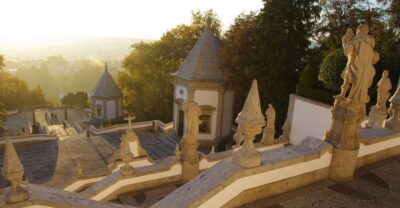
Porto: Guimarães & Braga Tour with Entry Tickets and Lunch
Read our review →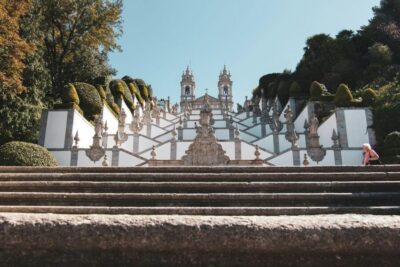
From Porto: Braga & Guimarães with Lunch Small Group Tour
Read our review →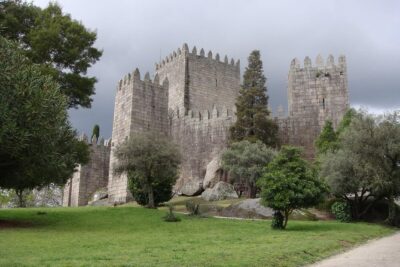
Braga & Guimarães Small Group Tour: Lunch & All Tickets Included
Read our review →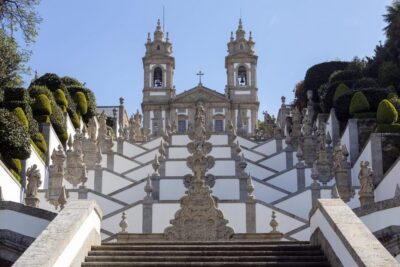
From Porto: Viana do Castelo, Braga and Guimarães Day Tour
Read our review →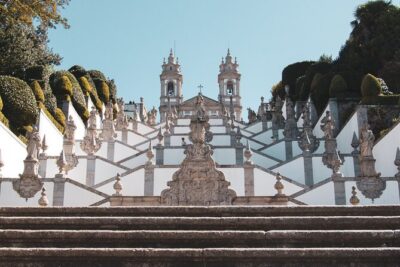
Porto: Guimaraes & Braga Small Group Tour with Lunch and Tickets
Read our review →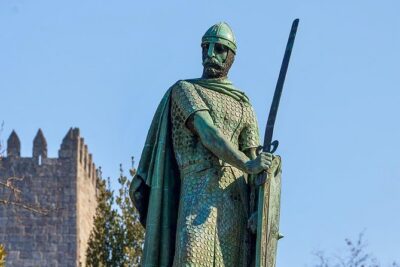
Braga and Guimarães Small-Group Tour with Lunch from Porto
Read our review →Browse the lists this tour appears in