
Reviewed · HISTORICAL TOURS
Discover Porto’s Historical Roots Walking Tour
Porto’s Jewish past is the heart of this three-hour walk. You’ll follow the old city streets where Jewish families once lived, look for surviving place names and archaeological traces, and hear how persecution forced many people to hide their faith. The story reaches into the 20th century with Captain Barros Basto, known as the Portuguese Dreyfus.
I like the tour’s small-group limit of 10, which gives a guide room to answer questions rather than deliver a speech to a crowd. I also like the route itself: it links difficult history with Porto’s great sights, including the Cathedral, Ribeira Square, Vitória, Clérigos, and São Bento station. The main consideration is the walking. Steep streets, uneven surfaces, and stairs make this a poor fit for wheelchair users or anyone with limited mobility.
In This Review
- Key points to know
- Why Porto’s Jewish past gives this walk its purpose
- Meeting at the Statue of Vímara Peres
- Porto Cathedral and the old city’s first clues
- Ribeira Square and Porto beside the Douro
- Vitória and the traces that are easy to miss
- Clérigos Church and the famous Porto skyline
- From forced expulsion to Captain Barros Basto
- Finishing at São Bento station
- What the $28 price gets you
- Walking conditions and who should join
- How Carlotta’s guiding style affects the experience
- Should you book this Porto walking tour?
- FAQ
- How long does the Porto Historical Roots Walking Tour last?
- How much does the tour cost?
- What language is the tour offered in?
- Where does the tour start?
- Where does the tour finish?
- What Porto landmarks are included?
- Does the tour focus on Porto’s Jewish history?
- Is coffee included?
- How large is the group?
- What should I bring?
- Is the tour suitable for wheelchair users?
- Can I cancel for a full refund?
Key points to know
- Jewish Porto takes center stage: Learn about the former Jewish quarter, Sephardic customs, the 1496 expulsion order, and the Inquisition.
- Five central Porto landmarks frame the story: The route includes the Cathedral, Ribeira Square, Vitória, Clérigos Church, and São Bento station.
- A small group keeps the walk personal: No more than 10 participants join the English-language tour.
- Carlotta earns special praise: Her ability to explain Porto’s past and answer questions makes this more than a basic sightseeing walk.
- The price is reasonable for three hours: At $28 per person, the tour also includes coffee and local orientation.
- Wear proper walking shoes: The tour runs rain or shine and is not suitable for wheelchair users or people with mobility impairments.
Why Porto’s Jewish past gives this walk its purpose
Many Porto walking tours cover churches, viewpoints, and grand buildings. This one uses those places as signposts for a less visible part of the city’s past. You’ll learn where the Jewish community lived, how its presence shaped local streets, and which traces remain in names, sites, and archaeological evidence.
The subject is not treated as a footnote. You’ll hear about the Inquisition and the persecution of people labeled new Christians. You’ll also learn how Jewish customs were concealed for generations after forced conversion and expulsion made open religious practice dangerous.
That gives the tour a serious edge. It is not only a pleasant stroll through central Porto. You are asked to think about what can disappear from a city’s public life, and what can survive in quiet forms.
The route also covers the Sephardic legacy, the Israeli community, and the Kadoori Mekor Haim Synagogue. The information provided does not promise an interior visit to the synagogue, so you should see it as part of the historical subject rather than assume it is a scheduled stop.
More history walks near Porto:
- Douro Valley: Historical Sites, Wine Experience, Lunch & Cruise
★ 5.0 · 5,133 reviews - Porto: Historic City Center Walking Tour
★ 4.7 · 1,172 reviews - Porto: An Intimate Fado Show in a Historical Tavern
★ 4.8 · 1,093 reviews
Meeting at the Statue of Vímara Peres
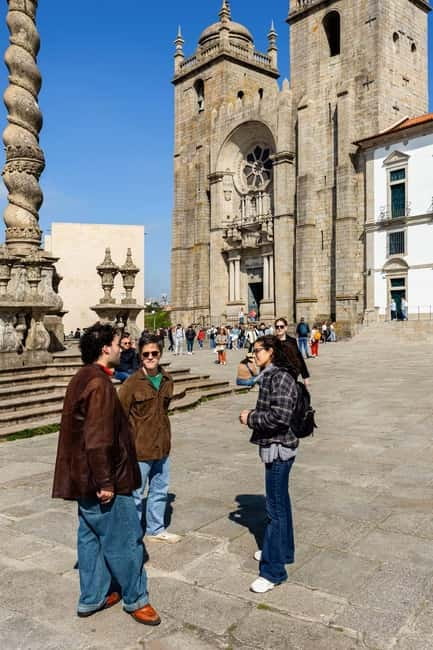
The tour begins at the Statue of Vímara Peres. This gives you a clear starting point in Porto’s historic center and places you close to the old streets that shape the first part of the walk.
Your guide begins setting the historical scene here, then moves through the city on foot. I find this kind of start useful because you get context before the famous monuments begin competing for your attention.
The English-language tour is led by a live guide. Carlotta is specifically praised for her command of Porto’s past and for handling a wide range of questions. That matters on a subject with many layers, since you may want to ask about religion, local customs, forced conversion, or the connection between Porto’s Jewish past and present-day community life.
The group can include up to 10 people. That is small enough to hear the guide more easily and ask questions without holding up a large crowd. One reported group had only four participants and felt almost private, though you should not count on every departure being that small.
Porto Cathedral and the old city’s first clues
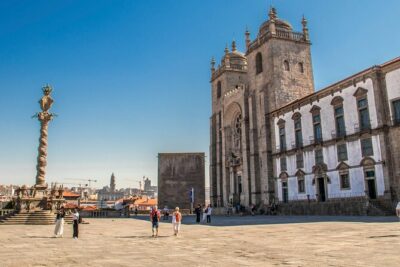
The Porto Cathedral is the first named stop, with about 10 minutes of guided explanation. The cathedral is one of the city’s most important landmarks, but on this tour its value is not limited to architecture or religion.
Here, the guide helps place Porto’s Jewish community within the larger story of the medieval city. You begin to see how different communities lived near one another, how religious power shaped public life, and how later policies changed who could worship openly.
Ten minutes is enough for orientation, not a full cathedral visit. If you want a detailed look inside the building, its art, or every stage of its construction, plan separate time before or after the walk.
The stop also marks a practical point about the tour. You are moving through a working city, not visiting a series of private museum rooms. The guide points out what matters, then keeps you moving toward the next part of the story.
Ribeira Square and Porto beside the Douro
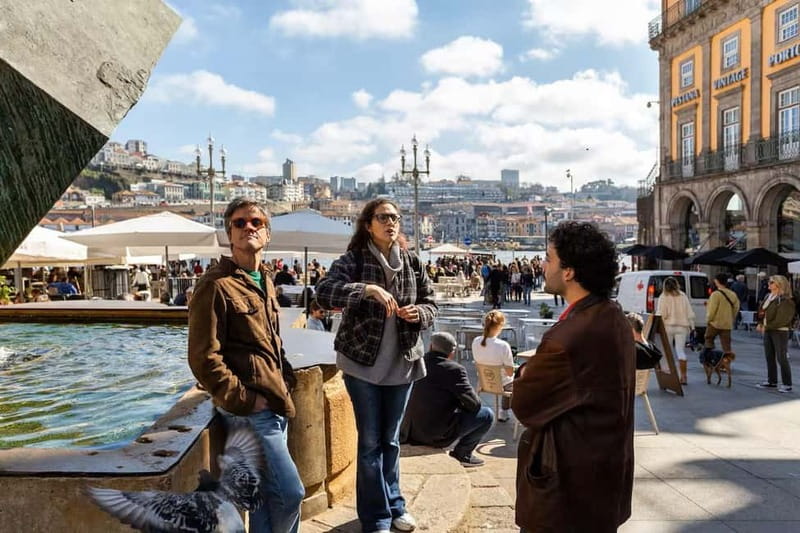
From the Cathedral, the route continues to Ribeira Square for another guided segment of about 10 minutes. This is one of Porto’s best-known public spaces, with the Douro nearby and the city’s layered streets rising around it.
Ribeira helps you connect social history to geography. The route does not leave Jewish history behind when it reaches a scenic public square. Instead, the guide continues to explain how people lived, worked, and moved through the old city.
You’ll have a chance to enjoy one of Porto’s most recognizable views, but this is not designed as a long photography stop. If you want uninterrupted time by the river, you may want to return later.
That balance is part of the tour’s appeal. You get famous Porto without allowing the monuments to swallow the main subject. The walk keeps asking you to look beneath the postcard view and consider the people and traditions that once occupied these streets.
More walking tours in Porto:
- Porto Walking Tour, Lello Bookshop, River Cruise and Cable Car
★ 5.0 · 3,354 reviews - Experience Porto’s Charm: 3-Hour Guided Walking Tour
★ 5.0 · 2,432 reviews - Porto: 3-Hour Guided City Highlights Walking Tour
★ 4.8 · 2,050 reviews - Porto: Wine Tasting with Tapas Walking Tour
★ 4.4 · 1,541 reviews
Vitória and the traces that are easy to miss
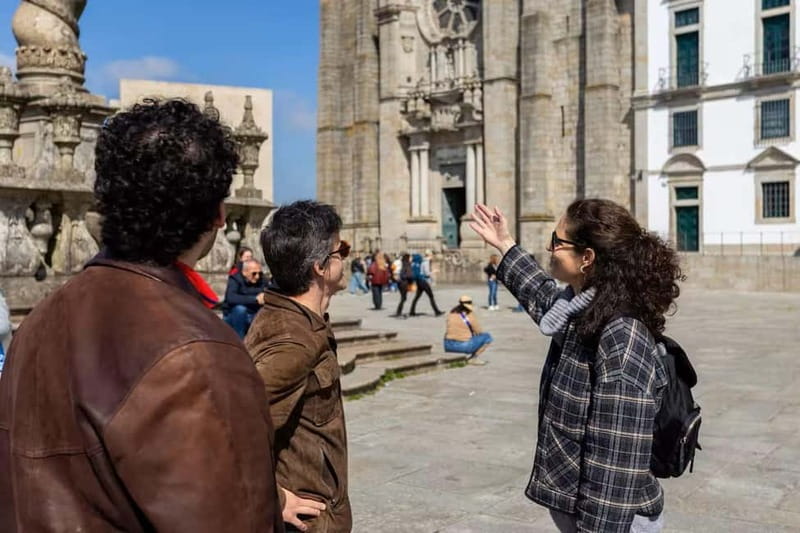
The itinerary includes Vitória, Porto, with roughly 10 minutes of guided touring. This section is especially important for the tour’s focus on old Jewish neighborhoods and surviving clues.
The guide points out toponymic and archaeological traces that have endured over time. Toponymic evidence means place names and street references that can preserve a memory even when buildings and communities have changed. Archaeological traces offer another way to read the city, especially when written records tell only part of the story.
You should not expect every clue to be dramatic. Some may be easy to overlook without a guide explaining why a street name, location, or physical remnant matters. That is where the walk earns its price. A map can show you where Porto’s landmarks are, but it is less likely to explain what a nearly forgotten name reveals.
This is also where the subject becomes more personal. The persecution of new Christians and the cover-up of Jewish traditions lasted for centuries. The guide’s job is to connect those policies with the ordinary streets under your feet.
Clérigos Church and the famous Porto skyline
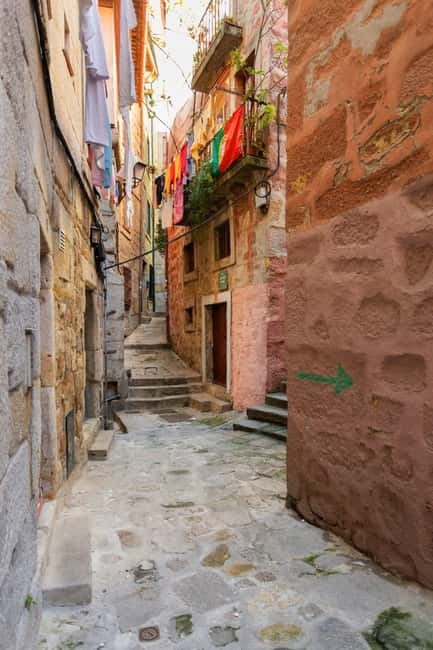
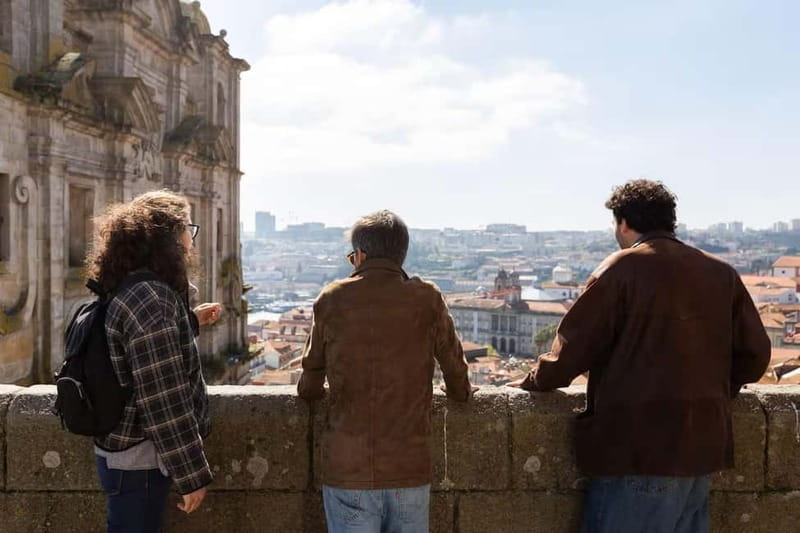
Clérigos Church is the next named stop, with about 10 minutes of guided commentary. The church and its tower are among Porto’s most familiar sights, so this is a useful chance to get your bearings in the city center.
The stop adds architectural and cultural scale to the walk. After hearing about a community whose public identity was suppressed, you are looking at one of the grand religious landmarks that define Porto’s image. The contrast is not accidental. It helps show how official religious life and private traditions could occupy the same city while enjoying very different levels of safety and recognition.
The tour does not list a climb of Clérigos Tower or a full interior visit to the church. Think of this as an outside explanation and a landmark stop, not a tower admission or a detailed church tour.
If you are visiting Porto for the first time, the location also gives you useful orientation. Your guide can point out how the central streets fit together and offer local tips for the rest of your stay. That practical advice is one of the quiet benefits of taking a walking tour early in a city visit.
From forced expulsion to Captain Barros Basto
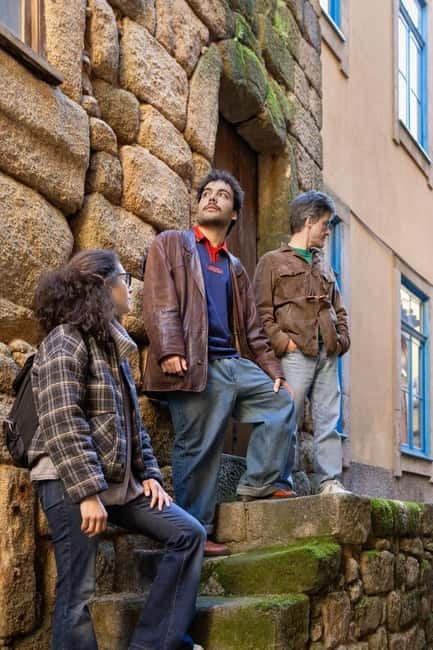
The most distinctive part of the experience is the way it carries the story beyond the medieval period. You’ll learn about the 1496 order issued by the Portuguese king to expel Jewish people, along with the pressure placed on those who remained and became known as new Christians.
The tour also covers the long concealment of Jewish traditions. Families and communities adapted under pressure, and religious practice could continue in forms that were not always visible to outsiders. This makes the walk useful even if you have no Jewish ancestry. It is a lesson in how public memory can be erased, altered, or recovered.
The final historical figure is Captain Barros Basto, called the Portuguese Dreyfus. His role connects Porto’s Jewish story to a later period of cultural and religious revival. The tour presents his work as a rescue of Jewish identity and public life in Portugal.
That change in tone matters. The walk is not only a record of suffering. It also shows efforts to recover traditions that had been suppressed for centuries. You leave with a fuller picture of Porto’s past, one that includes loss, survival, and renewal.
Finishing at São Bento station
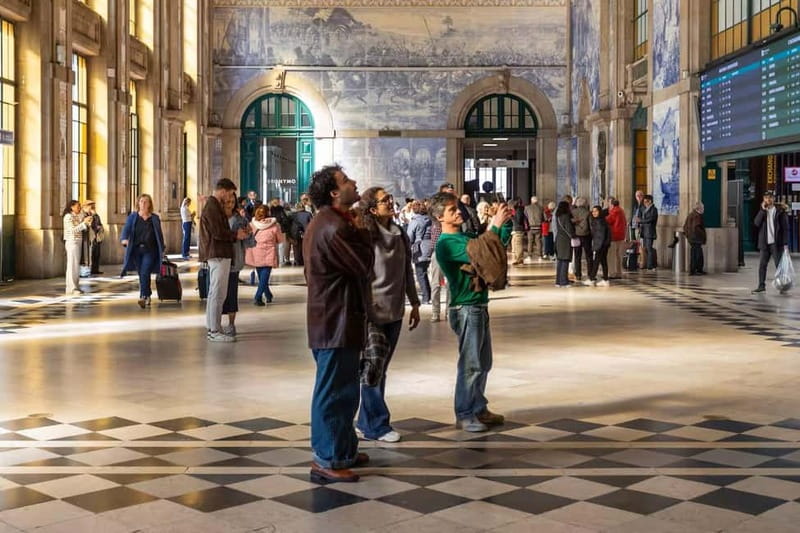
The walk finishes at São Bento station. This is a practical endpoint in the city center and a fitting place to end a tour concerned with movement, departure, return, and the marks people leave behind.
The route from the Statue of Vímara Peres to São Bento connects several major sights without requiring transport between them. You get a useful first look at central Porto while following one historical theme from beginning to end.
São Bento is also a good place to continue your day, though the tour does not include a separate station visit or an extended architectural explanation in the stated itinerary. If the guide has time, you may receive useful local advice about what to see next, but the scheduled tour ends here.
The endpoint makes this experience easy to pair with independent sightseeing. You can continue exploring the center, stop for food, or return to any landmark that received only a short explanation during the walk.
What the $28 price gets you
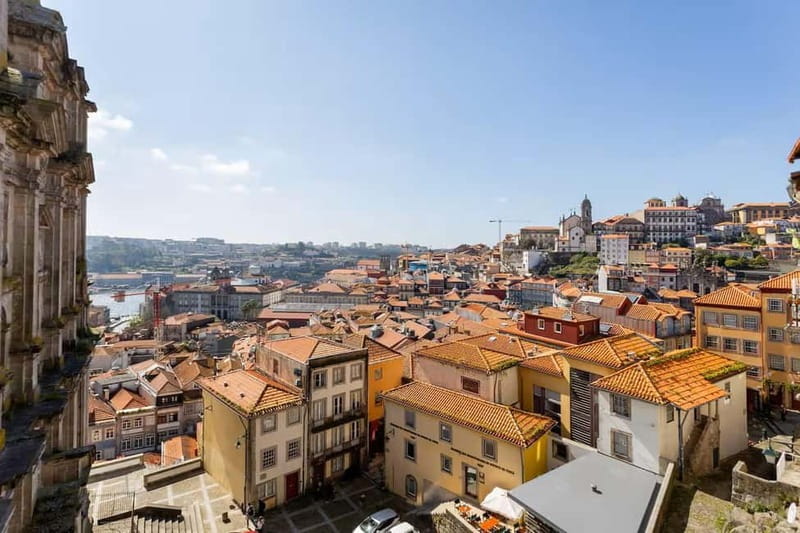
At $28 per person, this is fairly priced for a three-hour guided walk in a small group. The cost covers the English-speaking guide and coffee, while the real value comes from the specialized subject and the interpretation of details you might otherwise pass without noticing.
A cheaper self-guided visit would give you freedom and privacy, but not the same help with context. You would see the Cathedral, Ribeira, Vitória, Clérigos, and São Bento, yet you might not connect them to Porto’s Jewish neighborhoods, Sephardic heritage, or the history of the Inquisition.
A larger sightseeing tour may cover more landmarks, but it will probably give less time to one historical theme. Here, the focus is narrow enough to build a coherent story.
The tour is an especially good value if you enjoy history, religious heritage, genealogy, or local traditions. It may feel less useful if you want a fast overview of every major attraction or a relaxed photo walk with little discussion.
Coffee is included, though the supplied details do not specify where or when it is served. Consider it a small extra rather than a reason to book on its own.
Walking conditions and who should join
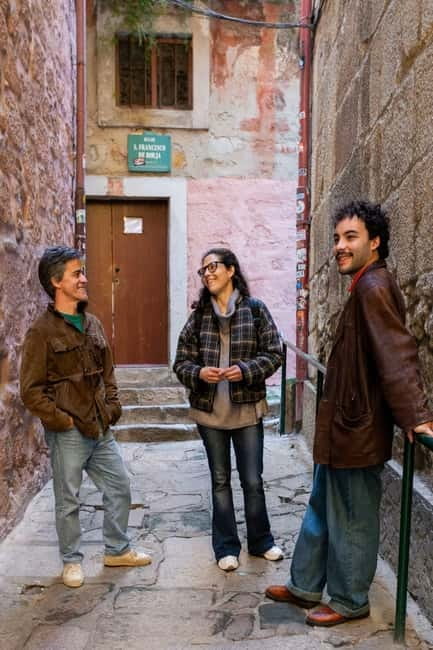
Wear comfortable shoes and clothes. The tour runs in rain or shine, so check the forecast and dress for the conditions rather than assuming Porto’s weather will cooperate.
The activity is not suitable for people with mobility impairments or wheelchair users. The stated information does not provide a step-free route, surface details, or an accessibility alternative. If steep streets, uneven paving, or extended walking are difficult for you, choose a different way to explore the city.
For most reasonably active walkers, the three-hour length is manageable, but it is still a city walk rather than a seated lecture. You will spend the time moving between historic areas and standing while the guide explains each stop.
I would choose this early in a Porto visit if you want help understanding the center. The guide’s local tips can help you make better choices later, and the route introduces several key districts before you explore them independently.
How Carlotta’s guiding style affects the experience
Carlotta receives the strongest praise for her ability to explain the history clearly and answer questions. That is important here because the subject includes religious identity, political orders, persecution, forced conversion, and cultural recovery.
A guide who can respond to questions makes the tour feel less fixed. You can ask for clarification instead of simply trying to remember a list of dates and names. The small group helps with this, especially when only four people join a departure.
The tour is in English, and no other language is listed. If you need another language, this experience is not presented as a suitable choice.
You should also keep the tone in mind. The subject involves persecution and the suppression of religious traditions, so this is not a light sightseeing stroll. Porto’s views and monuments provide beauty, but the main reward is a more serious understanding of the city.
Should you book this Porto walking tour?
Book it if you want Porto’s famous sights tied to a specific and often overlooked part of its past. The tour is particularly suitable for anyone interested in Sephardic ancestry, Jewish history, religious traditions, or the way cities preserve traces of communities that were pushed out of public life.
I would also recommend it to first-time visitors who prefer a focused walk over a broad list of attractions. The $28 price, three-hour format, coffee, and group limit of 10 make it a sensible introduction to central Porto.
Skip it if you need wheelchair access, cannot manage a walking-heavy route, or want a full interior tour of the Cathedral, Clérigos Church, or Kadoori Mekor Haim Synagogue. Those are not promised as extended visits.
For the right audience, this is a thoughtful and well-priced way to read Porto beyond its churches, river views, and tiled facades. You’ll see the city center, but you’ll also learn to notice the quieter signs of the people and traditions that helped shape it.
FAQ
How long does the Porto Historical Roots Walking Tour last?
The tour lasts three hours. Starting times vary, so check availability before booking.
How much does the tour cost?
The listed price is $28 per person.
What language is the tour offered in?
The live guided tour is offered in English.
Where does the tour start?
The tour starts at the Statue of Vímara Peres.
Where does the tour finish?
The tour finishes at São Bento station.
What Porto landmarks are included?
The route includes Porto Cathedral, Ribeira Square, Vitória, Clérigos Church, and São Bento station.
Does the tour focus on Porto’s Jewish history?
Yes. It covers the former Jewish quarter, Sephardic heritage, the Inquisition, the persecution of new Christians, the 1496 expulsion order, the Kadoori Mekor Haim Synagogue, the Israeli community, and Captain Barros Basto.
Is coffee included?
Yes. Coffee is included with the tour.
How large is the group?
The tour is limited to 10 participants.
What should I bring?
Bring comfortable shoes and comfortable clothing. The tour runs rain or shine, so dress for the weather.
Is the tour suitable for wheelchair users?
No. The activity is listed as unsuitable for wheelchair users and people with mobility impairments.
Can I cancel for a full refund?
Yes. You can cancel up to 24 hours in advance for a full refund. You can also reserve now and pay later.
Latest reviews around Porto
- Private Walking Tour, highlights and secrets of Porto★ 3.9 · 3 reviews
- Private Porto Half-Day Tour – Wine Cellars & Cheese Tasting★ 5.0 · 3 reviews
- Portuguese Wine Tasting w Local Cheese & Cold Cuts pairing★ 5.0 · 3 reviews
- Porto: Full-Day All-Inclusive Private City Sightseeing Tour★ 4.3 · 3 reviews
- Small Painting Group with a Local Artist in Porto★ 5.0 · 3 reviews
- From Peso da Régua: Visit 3 wineries, tasting and viewpoint★ 5.0 · 3 reviews
- From Arouca: Paiva River Rafting Adventure – Adventure Tour★ 5.0 · 3 reviews
- Private Tour to Santiago de Compostela and its stunning Cathedral★ 5.0 · 3 reviews
Historical Tours, compared.

Douro Valley: Historical Sites, Wine Experience, Lunch & Cruise
Read our review →
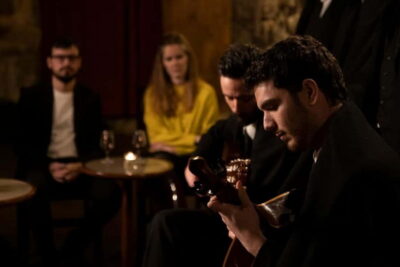
Porto: An Intimate Fado Show in a Historical Tavern
Read our review →
Historic Porto by Private Electric Tuk Tuk to Top Landmarks
Read our review →
Porto:Private Tour of the Historic City in a Classic Ford T
Read our review →
Porto: Douro Valley History & Wine Tour with Cruise & Lunch
Read our review →
Porto Guided Tour to the Historical Center on a Tuk Tuk
Read our review →Browse the lists this tour appears in