
Reviewed · PORT WINE CELLAR TOURS
Port Wine Lodges Tour Including 7 Port Wine Tastings (English)
Port begins with a bridge crossing and ends with a glass in your hand. This half-day walk takes you from Porto’s Ribeira to the Gaia cellars, where you learn how wine from the Douro Valley becomes the fortified drink Portugal is famous for. The best part is the variety: three port houses and seven tastings, rather than one long stop at a single brand.
I like the mix of old cellars and modern displays. You see barrels, learn how cork is made, and get a clearer picture of the Douro Valley through an interactive center. I also like the guides’ role. Alex, Kevin, Cyril, Seral, and Lara are all praised for making the material lively, with stories and humor instead of a dry lecture.
The main caution is pacing. One stop can include a long presentation before the tasting, and the smaller venues may not always feel like traditional family-run lodges. Bring a small snack, pay close attention to the meeting point, and expect a walking tour that takes roughly three and a half to four hours.
In This Review
- Key points to know before booking
- Crossing from Porto to Vila Nova de Gaia
- The first cellar: a polished introduction to port
- Old barrels, cork, and a young ruby port
- The Douro Valley through an interactive wine center
- What seven tastings really give you
- The guides can shape the whole afternoon
- Is the $62.88 price fair?
- Timing, walking, and practical details
- Who should book this port tour?
- Final call: a useful first taste of Gaia
- FAQ
- Where does the port tour start?
- What time does the tour begin?
- Where does the tour end?
- How long does the experience last?
- How many port tastings are included?
- How many port houses do you visit?
- Is the tour conducted in English?
- Is hotel pickup or food included?
- What is the cancellation policy?
Key points to know before booking
- Seven tastings across three port houses: You compare several styles and producers instead of sampling only one house.
- A Porto to Gaia walking route: The tour begins by the old Pensil Bridge pillars on Porto’s side and ends in Vila Nova de Gaia.
- A major cellar plus smaller venues: You get both a polished producer visit and a look at less formal tasting spaces.
- A practical introduction to port styles: White, tawny, ruby, and other wine families are explained as you taste them.
- English-speaking guides with personality: Alex and Kevin receive especially strong praise for humor, warmth, and clear explanations.
- A small group capped at 18 people: That is large enough for a social outing but smaller than a mass coach tour.
Crossing from Porto to Vila Nova de Gaia
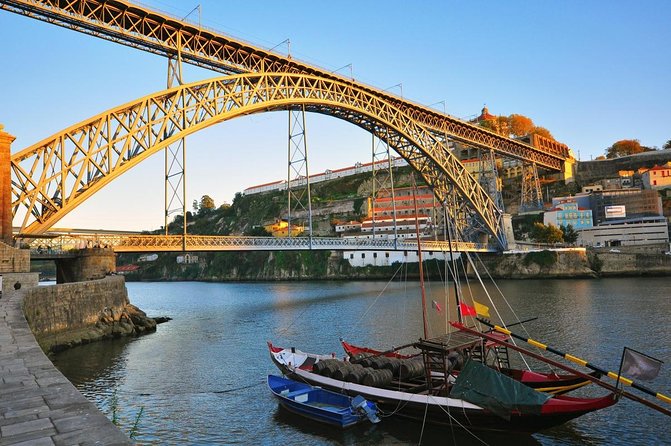
Meet at 3 p.m. beside the pillars of the old Pensil Bridge, on the lower level near the D. Luis Bridge on Porto’s side. Look for a guide wearing a red Porto Walkers jacket. The meeting point matters because the bridge area has several levels and paths, and a little confusion here can make a late start stressful.
From there, you walk toward Vila Nova de Gaia. The route gives you an introduction to Porto and port wine while you move, rather than placing all the history into one formal talk. The walk is not strenuous by the standards of Porto sightseeing, and the farthest single stretch is listed as about 800 meters, but you should still wear comfortable shoes.
The route ends on the Gaia side at Avenida de Diogo Leite 135, at a port tasting venue. There is no hotel pickup, drop-off, lunch, or food included, so plan your day around the fixed meeting time and eat beforehand or afterward.
More port wine cellars to visit:
- Porto: Live Fado Show with Glass of Port Wine
★ 4.8 · 6,498 reviews - Porto: Cálem Cellar Tour, Interactive Museum & Wine Tasting
★ 4.5 · 4,113 reviews - Porto: Cálem Cellar Tour, Fado Show & Wine Tasting
★ 4.4 · 3,530 reviews
The first cellar: a polished introduction to port
The first major stop is one of Vila Nova de Gaia’s best-known port producers. Here you visit the museum and cellar before sitting down for a guided tasting of Reserve White and Reserve Tawny ports.
This is a useful opening because it gives you the basic framework. Port is not simply sweet red wine. You begin to see the difference between white, tawny, ruby, and other port families, along with the way aging affects color, flavor, and texture.
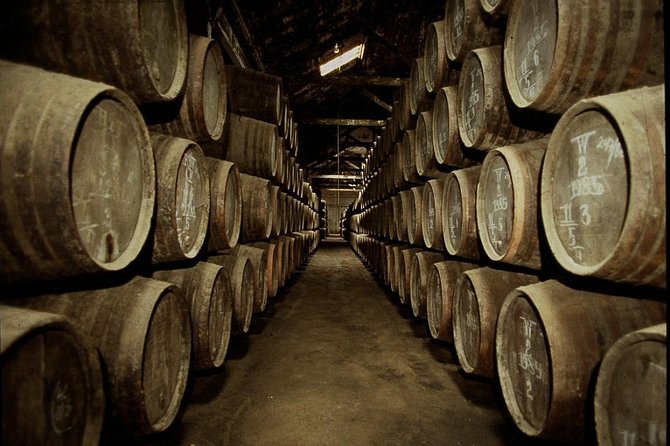
The cellar visit also gives the drink some physical context. Port is stored in barrels and bottles, and the cool, shaded lodge environment helps explain why Gaia became the traditional home for port storage and sales. The wine itself comes from the Douro Valley, but the cellars on the river’s south bank became central to the trade.
The first tasting is likely to be the most structured part of the afternoon. That helps if you are new to port, since you can ask questions before the group moves on. It also gives experienced wine drinkers a useful base for comparing the later samples.
One point to keep in mind: the experience at this large producer may feel more polished and visitor-friendly than local. That is not necessarily a flaw. It provides a clear introduction, though you should not expect every stop to feel like a small working farm in the Douro.
Old barrels, cork, and a young ruby port
The next stop takes you into an older cellar that has been adapted as an interactive visitor center. This part shifts the focus from the finished drink to the materials and methods behind it.
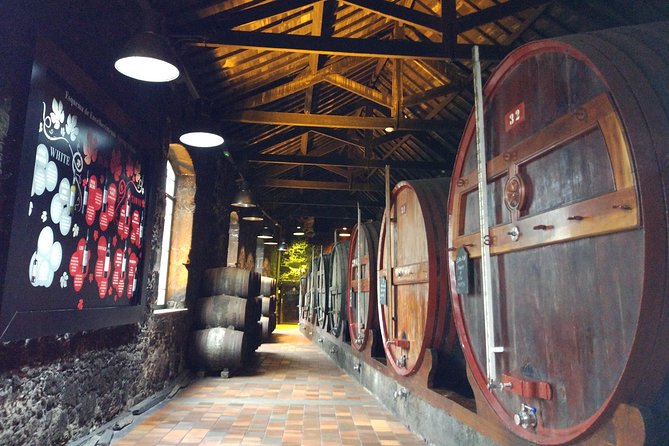
You learn about the barrels used to store port and about cork production. Those details are easy to skip when you are simply drinking, but they help explain why storage, wood, and sealing matter to a wine that can be aged for long periods.
The tasting here includes a young Ruby Port. Its role is to show a different side of the wine from the Reserve White and Reserve Tawny tasted earlier. A ruby style gives you a useful comparison point, especially if you normally associate port only with dark, sweet after-dinner pours.
The word interactive is important, though expectations should stay sensible. The displays are intended to help explain production, but the stop is still part of a guided group visit. One reported weakness of the tour is that a presentation can take a long time before the tasting begins. If you prefer drinking and informal conversation to visual displays, this may be the least exciting stretch.
The Douro Valley through an interactive wine center
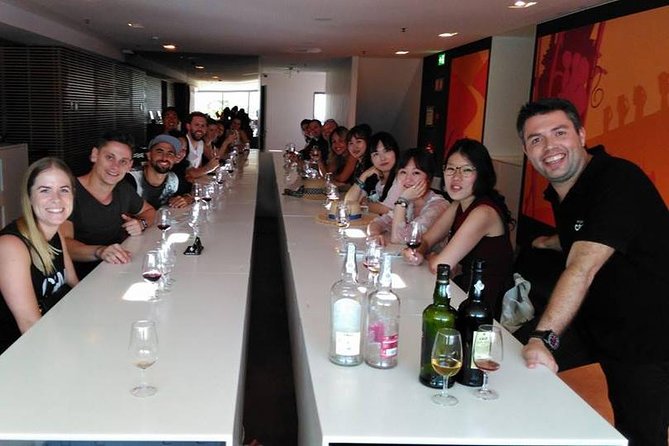
The third location is an interpretation center focused on the Douro Valley, described as the world’s oldest wine region. Here you learn how the valley’s wine culture connects to the port in your glass.
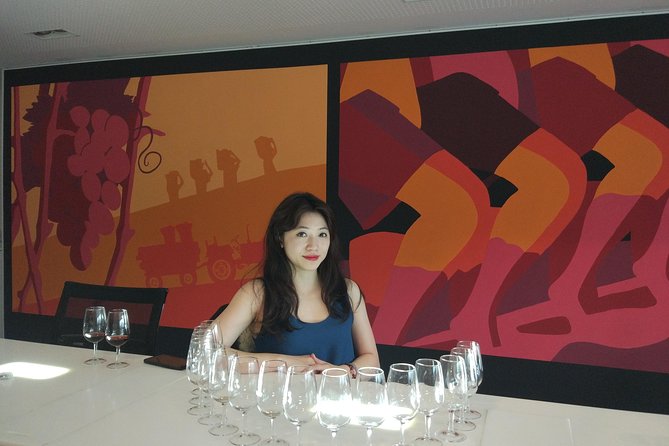
The center includes an interactive tasting workshop. You sample several wines and learn how port can be paired with food. This is one of the most useful parts for anyone who plans to buy a bottle, since a tasting is more valuable when you understand how you might serve the wine later.
The workshop also breaks up the cellar visits. Instead of moving from one dark room to another, you get a more teaching-focused stop with a chance to compare wines side by side. The exact food pairings are not specified, and food itself is not included, so think of this as a pairing lesson rather than a meal.
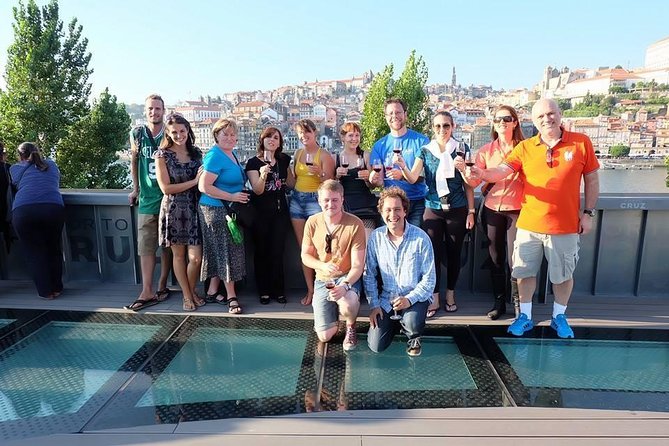
The tour finishes at the center’s terrace, with views back over Porto. That ending gives the afternoon a pleasant sense of place. You are not just tasting an export product. You are looking across the river toward the city that shaped the trade and the cellars where Gaia stored it.
More Porto wine tastings worth an afternoon:
- From Porto: Douro Valley w/ Boat Tour, Wine Tasting & Lunch
★ 4.7 · 19,061 reviews - Complete Douro Valley Wine Tour with Lunch, Wine Tastings and River Cruise
★ 5.0 · 12,920 reviews - Douro Valley: Wine Tour with Lunch, Tastings & River Cruise
★ 4.6 · 6,081 reviews - Douro Valley: Historical Sites, Wine Experience, Lunch & Cruise
★ 5.0 · 5,133 reviews
What seven tastings really give you
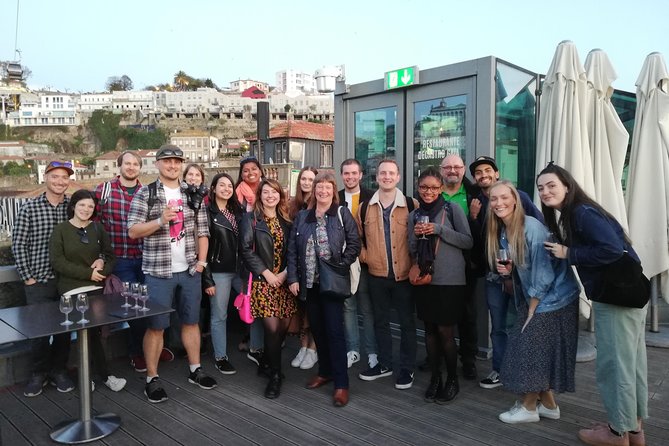
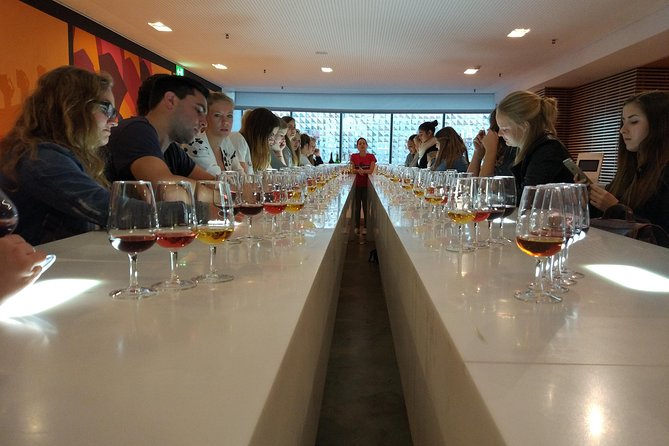
Seven pours sound generous, but the value depends on how much you already know about port and how actively you taste. The point is not to drink seven full glasses. It is to compare styles, ages, and producers in small guided samples.
You should pay attention to four things:
- Color: White, tawny, ruby, and other styles show how grapes, aging, and storage change the wine.
- Aroma: Notice whether the wine seems fresh, nutty, fruity, or more concentrated.
- Texture: Fortified wine can feel fuller and warmer than table wine.
- Pairing: The final workshop explains how port works with food.
The tasting order helps you build a mental map. Reserve White and Reserve Tawny establish two distinct styles. The young Ruby offers a fruitier contrast. The remaining samples at the different houses add breadth, though the exact labels may vary.
If you are new to port, this is a strong format because you do not have to guess what to order. If you already know the categories well, the pleasure comes from comparing producers and identifying which style suits you.
Drink slowly. The tour lasts several hours and includes walking. You may also want to buy a bottle, but do not feel pressured to shop at every lodge. Use the tastings to decide what you genuinely like.
The guides can shape the whole afternoon
The clearest strength of this tour is the guide. A good guide turns technical material into something you remember, and that matters when a visit includes production terms, aging categories, and several different venues.
Alex receives especially strong praise for being welcoming, funny, attentive, and able to make a mixed group feel comfortable quickly. His explanations cover port, Porto, and the city’s cultural background, not just the contents of the tasting glass.
Kevin is also praised for combining information with stories and good humor. He is described as especially strong at explaining the history and production of port without making the afternoon feel like school. Cyril is noted for giving a clear tour of Gaia and the port houses, while Seral is praised for keeping the history entertaining with memorable facts.
Guide quality can vary from one departure to another, so it would be unfair to promise the same person every time. Still, the format gives a good guide plenty to work with: a walk, three houses, production details, and seven wines.
The group limit is 18 people. That is worth noting. It is not a private tour, but it should feel more manageable than a large bus outing. You will have a better chance of hearing the explanations and asking a question, although one account found that the guide moved quickly and did not leave much time for questions.
Is the $62.88 price fair?
At $62.88 per person, the price is reasonable if you want a structured introduction to port and plan to visit several lodges anyway. The fee includes seven tastings, entry to three port houses, the English-speaking guide, and taxes.
You are paying for more than the wine. You also get access to cellars and visitor centers, a guided walk from Porto to Gaia, an explanation of port families, and a tasting workshop about food pairings. Arranging three separate lodge visits on your own could cost more in time and entrance fees, and you would need to work out the route and decide which producers offer a useful contrast.
The price is less attractive if you want only a relaxed tasting. Some time goes into presentations and displays, and one stop may feel more like a boardroom than an old independent cellar. You also need to buy your own food, so this is not a substitute for a meal.
For a first Porto visit, I see good value in the combination of education, walking, and tasting. For an experienced port collector, the tour may be better as a social introduction to Gaia than as a specialist wine session.
Timing, walking, and practical details
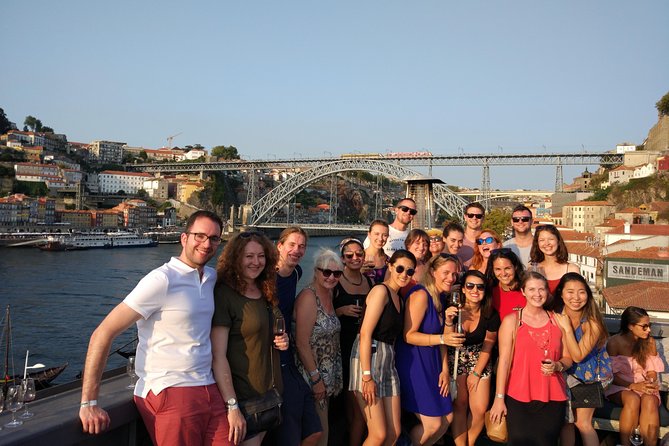
The tour starts at 3 p.m. and lasts about three and a half hours, though the included details also describe it as a four-hour walking tour. Allow the fuller amount of time so you are not rushing to dinner or another evening plan.
The tour stays on foot. There is no transport between the Porto meeting point and the Gaia venues. The longest stated walk is 800 meters, but Porto and Gaia have slopes, stone paving, and uneven sections, so comfortable footwear is sensible.
You must be at least 18 to drink. A child over six may be possible with advance contact with the operator, and paid entry applies. Service animals are allowed, public transportation is nearby, and most people can take part.
The tour is offered in English and uses a mobile ticket. You receive confirmation when booking. Free cancellation is available until 24 hours before the local start time. Within 24 hours, you do not receive a refund, and changes are not accepted.
Bring water and consider a snack before you start. No food, snacks, or lunch are included, and several hours of tastings can feel surprisingly long on an empty stomach.
Who should book this port tour?
I would choose this experience if you want a clear first look at Gaia’s port trade without spending a full day in the Douro Valley. It suits couples, solo visitors, and small groups who enjoy walking and are happy to learn while they taste.
It is also a good pick if your group includes one person who knows little about wine. The guide-led comparisons make port less intimidating, and the city stories give non-wine enthusiasts something to enjoy between pours.
You may want another type of experience if you want a quiet, intimate tasting, a meal with wine, or a visit to only small producers. The tour includes at least one major lodge and an interactive center, and not every stop may have the old-fashioned cellar feel suggested by the word lodge.
Final call: a useful first taste of Gaia
I would book this tour for a first visit to Porto, especially if you want the history of port explained in plain language and prefer several short stops to one long tasting. Seven tastings, three houses, and the walk across to Gaia make the afternoon feel varied.
Book it with realistic expectations. You are joining a group, some presentations may run long, and the smaller venues may be less atmospheric than expected. But with a strong guide such as Alex or Kevin, this becomes an entertaining and useful way to understand what you are drinking, where it comes from, and why Gaia is the place to taste it.
FAQ
Where does the port tour start?
It starts by the pillars of the old Pensil Bridge, next to the D. Luis Bridge on Porto’s side, at the lower level. Look for a Porto Walkers guide wearing a red jacket.
What time does the tour begin?
The scheduled start time is 3 p.m.
Where does the tour end?
It ends at Avenida de Diogo Leite 135 in Vila Nova de Gaia, at a port tasting venue.
How long does the experience last?
The duration is approximately three and a half hours. The included details also describe it as a four-hour walking tour, so allow up to four hours.
How many port tastings are included?
Seven port wine tastings are included.
How many port houses do you visit?
The tour includes visits to three port houses.
Is the tour conducted in English?
Yes. An English-speaking local guide leads the tour.
Is hotel pickup or food included?
No. Hotel pickup and drop-off, lunch, food, and snacks are not included.
What is the cancellation policy?
You can cancel at least 24 hours before the start time for a full refund. Cancellations or changes made within 24 hours are not accepted and are not refunded.
Latest reviews around Porto
- Private Walking Tour, highlights and secrets of Porto★ 3.9 · 3 reviews
- Private Porto Half-Day Tour – Wine Cellars & Cheese Tasting★ 5.0 · 3 reviews
- Portuguese Wine Tasting w Local Cheese & Cold Cuts pairing★ 5.0 · 3 reviews
- From Peso da Régua: Visit 3 wineries, tasting and viewpoint★ 5.0 · 3 reviews
- Porto: Full-Day All-Inclusive Private City Sightseeing Tour★ 4.3 · 3 reviews
- Small Painting Group with a Local Artist in Porto★ 5.0 · 3 reviews
- From Arouca: Paiva River Rafting Adventure – Adventure Tour★ 5.0 · 3 reviews
- Private Tour to Santiago de Compostela and its stunning Cathedral★ 5.0 · 3 reviews
Port Wine Cellar Tours, compared.

Porto: Cálem Cellar Tour, Interactive Museum & Wine Tasting
Read our review →
Porto: Cálem Cellar Tour, Fado Show & Wine Tasting
Read our review →
Porto: Cockburn’s Port Lodge Tour and Tasting
Read our review →
Porto: Bridges Cruise with Wine Cellar Tour or Sunset Option
Read our review →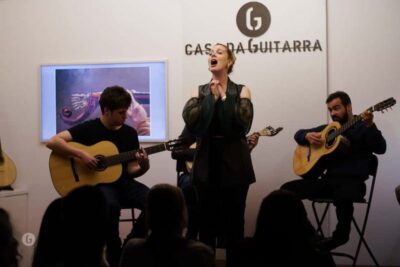
Porto: Authentic Fado Show, Port Wine & Handmade Instruments
Read our review →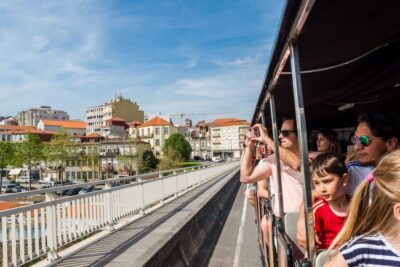
Porto: City Train Tour, River Cruise & Wine Cellar
Read our review →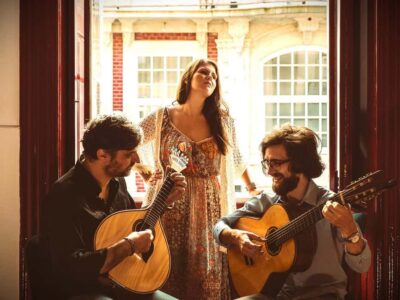
Porto: Live Fado Concert with Glass of Tawny Port Wine
Read our review →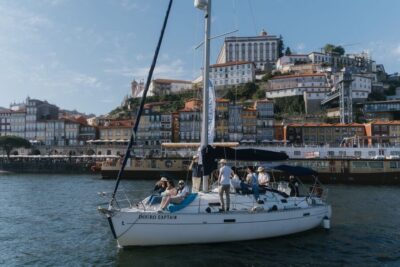
Porto: Charming Sailboat Cruise with Port Wine,Sunset Option
Read our review →Browse the lists this tour appears in