
Reviewed · 4-DAY EXPERIENCES
Porto Card with Transportation (1, 2, 3 or 4 Days)
Porto’s best city pass is really two tools in one: a transport pass for the city’s steep streets and a discount card for museums, monuments, river cruises, and port wine cellars. I like the freedom to hop on a bus or metro without buying a ticket each time, and I like that the card can pay for itself quickly if you visit several discounted sights.
I also like the choice of 1, 2, 3, or 4 days, since you can match the pass to a short break instead of paying for a longer period than you need. The main catch is simple: Porto is very walkable, especially around the historic center, and the card does not include the trams. If you plan to stroll, skip most paid sights, and stay near Ribeira, individual tickets may cost less.
In This Review
- Key points to know before buying
- What the Porto Card actually gives you
- Getting around Porto by metro, bus, train, and boat
- The five free museums and how to use them
- Clérigos Tower, Palácio da Bolsa, and Porto’s major sights
- Food, shopping, music, and day-to-day savings
- Is the transportation version worth $17?
- Picking the right length: 1, 2, 3, or 4 days
- Collection at the airport or Sé
- Children, trams, and other fine print
- Who should buy the Porto Card?
- FAQ
- How long can I use the Porto Card?
- Where can I collect the Porto Card?
- What public transport is included?
- Are Porto’s trams included?
- Which museums offer free entry?
- Do children need a Porto Card?
- Do I need to validate the card?
- Should you book it?
Key points to know before buying
- Five museums are free, including Casa do Infante, Museu Romântico, and the unusual Museu do Papel-Moeda.
- Public transport is unlimited, covering the metro, STCP buses, CP trains, and the boat between Cais do Ouro and Afurada.
- The tram is not included, so budget separately if you want Porto’s classic streetcar rides.
- Clérigos, Palácio da Bolsa, port cellars, river cruises, Serralves, and sightseeing buses are among the attractions with discounts.
- The card starts on its first day of use, not necessarily on the date you collect it.
- You must validate it on every journey, including when changing lines or transport types.
What the Porto Card actually gives you
The Porto Card is designed for a flexible city break rather than a guided sightseeing route. You choose the museums, monuments, neighborhoods, and transport journeys that fit your day, then use the card to reduce the cost.
With the transportation version, you receive unlimited use of the metro, STCP city buses, CP trains, and the small boat crossing between Cais do Ouro and Afurada. That coverage matters because Porto’s attractions are spread across several areas. The old center is compact, but Foz, Serralves, the port wine lodges in Vila Nova de Gaia, and some museums require more effort on foot.
The card also provides free entry to five museums:
- Casa do Infante
- Casa-Museu Marta Ortigão Sampaio
- Museu Romântico
- Museu do Papel-Moeda
- Reservatório
The free museums are useful, but they are not the main reason most people buy the card. I see them as a bonus that improves the value for anyone who enjoys smaller, quieter cultural stops.
The larger savings come from discounted attractions. The advertised benefits include up to 50 percent off selected museums, monuments, and experiences, 50 percent off one port wine cellar, 25 percent off Casa da Música, 25 percent off Igreja e Torre dos Clérigos, and discounts at Palácio da Bolsa, Serralves, boat tours, and hop-on hop-off buses.
The exact discount can vary by venue and may change. I would check the current terms before setting your budget around one particular attraction.
A few more Porto outings to weigh up
- Porto Card Walker (1, 2, 3 or 4 Days)
★ 3.4 · 135 reviews - Porto: 1 to 4 Day Electric Bicycle Rental
★ 4.6 · 68 reviews - Porto: Electric Bike Rental from 1 to 4 Days
★ 4.0 · 14 reviews
Getting around Porto by metro, bus, train, and boat
The transport element is the strongest part of the card for many visitors. Porto’s metro is clean and easy to use, and it reaches the airport and several parts of the wider city. CP trains add useful connections beyond the central metro network, while STCP buses fill in the gaps.
You can use the card to reach places that are tiring to connect on foot. Porto’s hills are not extreme on every street, but the city rises and falls often enough to make a bus or metro ride welcome, especially after a full morning of sightseeing.
The airport connection is one practical advantage. The metro links the airport with the city, and several people have found the journey simple and inexpensive even without a pass. If you buy the Porto Card with transportation and begin using it on arrival, the airport journey can become part of the value calculation.
There is one important habit to learn: validate the card on every journey and every change. That includes changing metro lines and switching from one transport type to another. A pass does not mean you can simply keep it in your wallet and ignore the validators.
Bus service can be less predictable than the metro. Some routes are occasional, crowded, or affected by traffic. The number 500 route toward Foz, for example, can be busy. The metro is usually the easier choice when its route matches your plans.
The boat crossing between Cais do Ouro and Afurada is an unusual inclusion. It is not a replacement for a full Douro sightseeing cruise, but it gives you another way to cross the river and reach the Gaia side. Treat it as practical transport with a pleasant view, not as a complete river tour.
The five free museums and how to use them
The five included museums make sense for a relaxed itinerary. You do not need to chase all five simply because they are free. Porto rewards a slower pace, and one small museum can be a good indoor stop when the weather turns wet.
Casa do Infante is tied to Porto’s city story and is a natural choice if you are already near the riverside. Its location makes it easy to pair with a walk around Ribeira and the lower Douro waterfront.
Museu Romântico offers a change of mood from Porto’s grand churches and crowded central streets. It is the kind of stop that works best when you want a quieter cultural break rather than another major monument.
The Museu do Papel-Moeda gives the card a bit of character. It focuses on paper money, a subject many visitors would not place high on a first Porto checklist, but that is precisely why it can be a pleasant surprise.
Casa-Museu Marta Ortigão Sampaio and Reservatório complete the free group. Opening hours and access arrangements can change, so I would confirm the details before making a special trip.
The other museums listed with discounts may offer a better fit for your interests. The card has been described as providing 50 percent off seven museums in one part of the offer and up to 50 percent off 12 museums, monuments, and experiences elsewhere. Because the numbers and eligible venues can vary, check the current official information when you collect the card.
Clérigos Tower, Palácio da Bolsa, and Porto’s major sights

Porto’s major paid attractions are where the card can move from convenient to good value.
Clérigos Church and Tower are among the city’s most recognizable sights. The card offers a discount of up to 25 percent here. The tower involves stairs, so the reduced price does not remove the physical effort, but it makes the stop easier to justify if you are already exploring the surrounding streets.
Palácio da Bolsa is another important stop, with ornate rooms and a formal interior that feels very different from Porto’s weathered lanes. A discount helps because this is the sort of attraction you may want to visit even if you are keeping your daily spending under control.
Port wine cellars in Vila Nova de Gaia are a natural match for the card. The offer includes up to 50 percent off one cellar. Check the participating cellars and booking rules first, since a discount is only useful if it applies to the visit you want.
Serralves is another possible saving. Its cultural spaces sit away from the most concentrated old-town sights, so the transport benefit becomes more useful here. You can combine the ride with a broader day of exploring instead of treating every attraction as a separate taxi trip.
River cruises receive discounts of up to 20 percent. This is a good example of an offer that may repay the card on its own when combined with public transport and one or two other paid visits. The card does not mean every cruise is free, and you should confirm departure times and the exact discount before arriving.
Sightseeing buses can receive up to 25 percent off. I would consider this mainly if you want a quick overview or prefer a narrated route. If you already plan to use regular buses and walk between sights, the extra tour may not add enough value.
A different sort of Porto day altogether:
- The Unvanquished Tour in Porto City Center
★ 5.0 · 26,497 reviews - From Porto: Douro Valley w/ Boat Tour, Wine Tasting & Lunch
★ 4.7 · 19,061 reviews - Complete Douro Valley Wine Tour with Lunch, Wine Tastings and River Cruise
★ 5.0 · 12,920 reviews - Porto: Six Bridges Cruise
★ 4.2 · 11,680 reviews
Food, shopping, music, and day-to-day savings
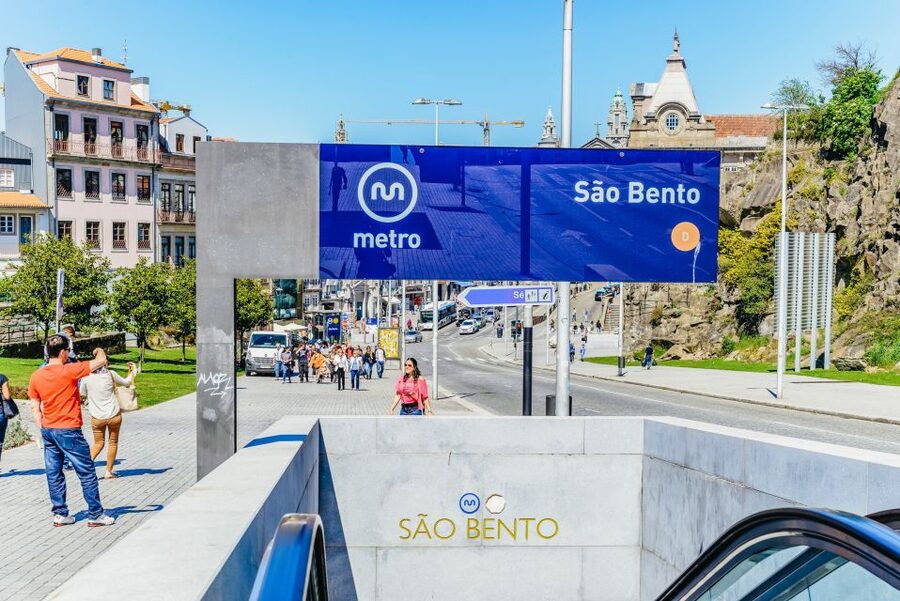
The Porto Card is not limited to museums. It can also reduce costs at selected restaurants, shops, concert halls, theaters, and other venues.
Restaurant discounts can reach 15 percent, while shops may offer up to 25 percent off. These percentages sound attractive, but they depend on using participating businesses and spending enough for the saving to matter. I would never choose a restaurant solely because it accepts the card. Use the offer when the place already fits your plans.
Casa da Música offers a discount of up to 25 percent. Concert halls and theaters may offer reductions of up to 50 percent. These benefits are valuable for an evening plan, but schedules and eligible performances can change, so check before buying tickets.
Road tours in Porto, the Douro, and Minho may be discounted by up to 20 percent. Vehicle rentals can receive up to 20 percent off. These offers suit a longer stay more than a tightly packed one-day visit.
The card can also reduce the small friction of city travel. You do not need to stop at a ticket machine for each metro or bus ride, and you can make a last-minute transport choice without counting individual fares. That convenience has real value, especially in wet weather or when you are tired of climbing hills.
Is the transportation version worth $17?
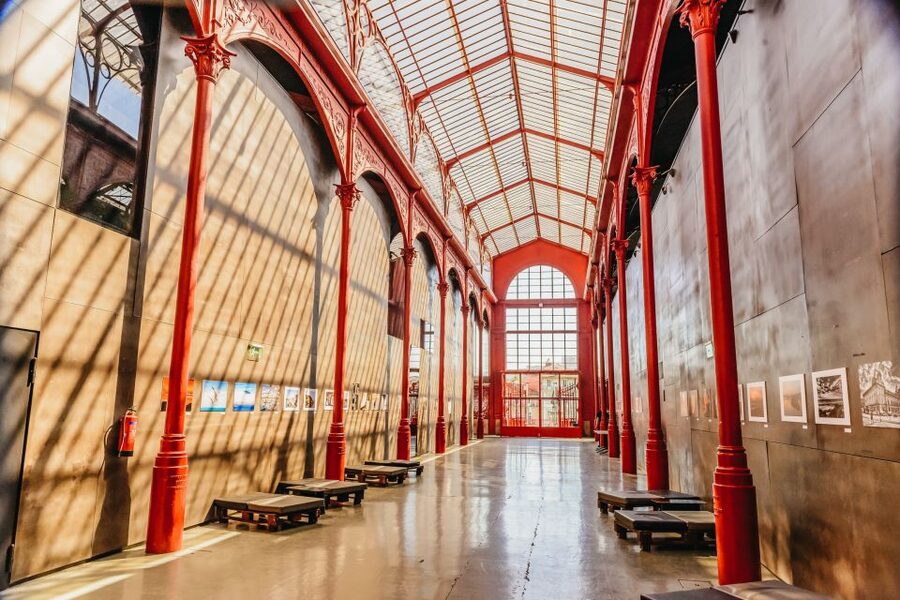
At about $17 per person, the transportation version is reasonably priced for a visitor who plans to move around Porto and enter several paid attractions. The pass becomes more attractive when you use three parts of the offer together:
- Several metro, bus, or train journeys
- At least one major discounted attraction
- One museum, cruise, cellar visit, or cultural venue
If you stay outside Ribeira or the central historic area, the calculation improves. One person staying in Gaia used the metro and several buses daily and found the pass saved money. That is the kind of trip this card serves best.
If you stay in the old town and enjoy walking, the result can be different. Porto’s central sights are close enough that you may use transport only a few times. Several people found single tickets or a transport-only option more sensible when they did not use the attraction discounts.
The card without transport starts at €7.50. That is the better comparison for a visitor who wants museum and attraction reductions but expects to walk most of the time. You should compare the current prices of both versions, then list the places you genuinely plan to visit.
Do not count every possible discount as money saved. Count only the attractions, meals, performances, and journeys you would buy anyway. That simple test gives you a more honest answer.
Picking the right length: 1, 2, 3, or 4 days

A one-day card works for a concentrated sightseeing day. Use it when you plan to combine several paid sights, a cellar visit, and multiple transport journeys. Start early enough to make the day count.
Two days suit a short Porto break. You can spend one day around the historic center and Gaia, then use the second for museums, Serralves, Foz, or a river activity.
Three days give you more breathing room. I like this length for a first visit because it lets you walk one day, use transport heavily the next, and leave room for a museum or cruise without racing between stops.
Four days work best if you plan to explore beyond the center or add several cultural venues. The card is valid for the selected number of days, so organize your paid visits inside that window.
The activation rule matters. The card is valid from the date of first use, not simply from the moment you pick it up. Still, do not fill in or activate the date casually. Once the first-use date is completed, the clock begins.
Collection at the airport or Sé

You can collect the card at the Interactive Tourism Office in the airport’s public arrivals area on Floor 0. It is open daily from 8 AM to 6:30 PM, making it convenient if you arrive within those hours and want to use public transport into Porto.
The other collection point is the Sé Tourist Office at Calçada D. Pedro Pitões, number 15. It opens daily from 9 AM to 7 PM, with shorter hours of 9 AM to 6 PM from November through March.
Airport collection can save a separate trip back to the center, but the transport system may feel confusing during your first few minutes in Porto. Keep the voucher and card together, and ask the office staff to explain the first airport journey and validation step.
If you arrive too late at the airport, collect the card near the cathedral instead. Plan around the closing time, especially in winter.
The card is personal and cannot be transferred. Each person needs an individual card, and discounts cannot be combined with student or senior reductions.
Children, trams, and other fine print
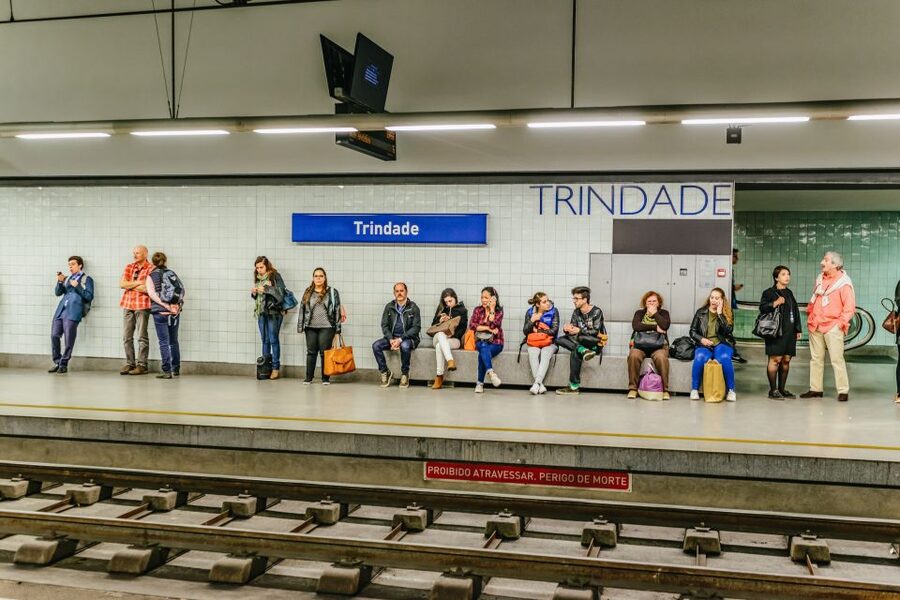
Children up to age 4 do not need a card. Children older than 4 and up to age 12 may receive free or discounted admission of up to 50 percent at museums and monuments, but that does not include transport. Check the current child terms before buying an adult-style pass.
The tram is specifically excluded. Porto’s historic trams are part of the city experience, but you need to pay separately for them. Do not assume the card covers every rail vehicle simply because it includes the metro and CP trains.
The offer can change, and individual venues may apply different conditions. Confirm the discount before you go, especially for restaurants, performances, cruises, and private attractions.
Free cancellation is available up to 24 hours before the booked activity, and you can reserve while paying later. That flexibility is useful when your arrival time is uncertain, but it does not replace checking the card’s collection hours.
Who should buy the Porto Card?
I would buy the transportation version if you are staying outside the old center, want to visit Gaia or Foz, expect to use buses and metro several times a day, or plan to enter two or more discounted attractions.
I would also consider it for a rainy visit. Porto is enjoyable on foot, but the ability to step onto a bus or metro without handling fares can rescue a damp afternoon.
I would skip it if you are staying near Ribeira, prefer walking, and have little interest in museums, cellars, cruises, or paid monuments. In that case, the transport-free Porto Card or individual tickets may be better.
FAQ
How long can I use the Porto Card?
You can choose a card valid for 1, 2, 3, or 4 days.
Where can I collect the Porto Card?
You can collect it at the Sé Tourist Office at Calçada D. Pedro Pitões, number 15, or at the Interactive Tourism Office in the airport’s public arrivals area on Floor 0.
What public transport is included?
The card includes unlimited use of the metro, STCP buses, CP trains, and the boat crossing between Cais do Ouro and Afurada.
Are Porto’s trams included?
No. Tram travel is not included in the Porto Card with transportation.
Which museums offer free entry?
Free entry is listed for Casa do Infante, Casa-Museu Marta Ortigão Sampaio, Museu Romântico, Museu do Papel-Moeda, and Reservatório.
Do children need a Porto Card?
Children up to age 4 do not need one. Children from age 5 through 12 may receive free or discounted entry of up to 50 percent at museums and monuments, but transport is excluded from those child benefits.
Do I need to validate the card?
Yes. Validate the card on every public transport journey, including when changing metro lines or switching between transport types.
Should you book it?
Book the Porto Card with transportation when you will use the city’s buses, metro, trains, or boat crossing and will also visit paid sights. At about $17, it is an easy value for an active itinerary, particularly from accommodation outside the center.
Skip the transport version if your Porto plan is mostly walking and cafés. The card is not magic access to every attraction, and small discounts alone may not cover the cost. Make a short list of your real plans first, then choose the 1 to 4-day option that matches them.
Latest reviews around Porto
- Private Walking Tour, highlights and secrets of Porto★ 3.9 · 3 reviews
- Private Porto Half-Day Tour – Wine Cellars & Cheese Tasting★ 5.0 · 3 reviews
- Portuguese Wine Tasting w Local Cheese & Cold Cuts pairing★ 5.0 · 3 reviews
- From Peso da Régua: Visit 3 wineries, tasting and viewpoint★ 5.0 · 3 reviews
- Porto: Full-Day All-Inclusive Private City Sightseeing Tour★ 4.3 · 3 reviews
- Small Painting Group with a Local Artist in Porto★ 5.0 · 3 reviews
- From Arouca: Paiva River Rafting Adventure – Adventure Tour★ 5.0 · 3 reviews
- Private Tour to Santiago de Compostela and its stunning Cathedral★ 5.0 · 3 reviews
4-Day Experiences, compared.




Browse the lists this tour appears in