Reviewed · PRIVATE
Porto private morning Tour, discover the most iconic attractions
Porto’s best feature is its compact center, but its sights spread from the tiled heart of town to the Douro bridges, Gaia, and the Atlantic shore. This private morning tour lets you cover that wide arc without losing time to public transport or a large group.
I like the personal service and the chance to ask for photo stops or restaurant advice. I also like the comfortable vehicle, onboard Wi-Fi, bottled water, and refreshments. The main tradeoff is simple: four hours is not enough for long visits at every stop, and several major attractions require extra tickets.
In This Review
- Key points to know before booking
- A fast, broad introduction to Porto
- Aliados, Bolhão, and the old city walls
- Cathedral, São Bento, and Porto’s blue-and-white story
- Café Majestic, Carmo, and Porto’s grand churches
- From art museums to the Douro bridges
- Crossing to Gaia and seeing Porto from the river
- The Atlantic coast, Foz, and Matosinhos
- What the $185 price buys you
- Who will get the most from this tour
- Should you book the Porto private morning tour?
- FAQ
- How long is the Porto private morning tour?
- What is the price?
- Is the tour private?
- Where does the tour begin?
- Is hotel pickup available?
- What language is offered?
- Is transport included?
- Are attraction tickets included?
- Can I add a Douro River cruise?
- What is the cancellation policy?
Key points to know before booking
- Carlos is a frequently praised guide: He is known for clear local history, practical food advice, and showing places beyond the usual center.
- The route covers far more than central Porto: You see the old town, Gaia, the Douro bridges, Foz, Matosinhos, Serralves, and Boavista.
- São Bento Station is included without an entry fee: Its famous tile hall is one of the tour’s most rewarding short stops.
- Major paid sights cost extra: Livraria Lello, Clérigos Tower, Palácio da Bolsa, São Francisco Church, and the monastery are not included.
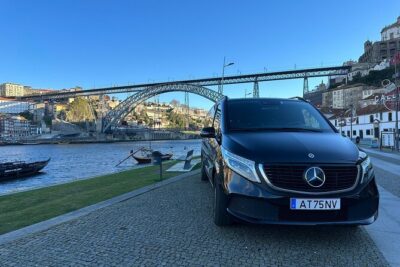
- The private format saves time: Your group rides in a luxury vehicle rather than following a fixed large-group pace.
- Hotel pickup is available downtown: Pickup covers Porto and Gaia hotels and bed-and-breakfasts in the central areas.
A fast, broad introduction to Porto
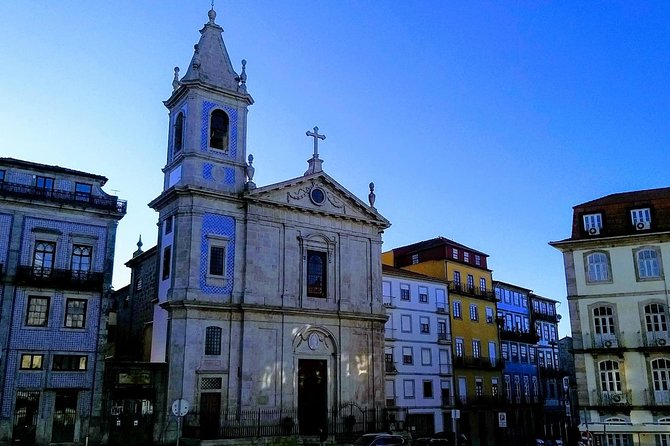
This is best understood as a city orientation with a private driver, not a four-hour museum tour. You will see an impressive number of landmarks, hear their stories, and get a sense of how Porto connects to Gaia, the coast, and the Douro.
The route begins near Praça da Liberdade and can include pickup from a downtown hotel. From there, your driver works through the main avenues and squares, usually allowing short walks and photographs at the most important places. The exact balance matters. If you want to enter several monuments, you should discuss that before setting off.
The tour has a strong record, with a 4.9 rating from 31 published ratings and 100 percent recommending it. Carlos receives the most praise by name, especially for his history talks, kindness, restaurant suggestions, and ability to reach less familiar parts of Porto. Delfina is also named as a guide.
A few more Porto outings to weigh up
- Porto: Morning City Tour with Six Bridges Cruise
★ 4.0 · 29 reviews - Porto Sunrise Running Tour
★ 5.0 · 10 reviews - Porto private morning Tour, see the most iconic attractions
★ 5.0 · 6 reviews
Aliados, Bolhão, and the old city walls
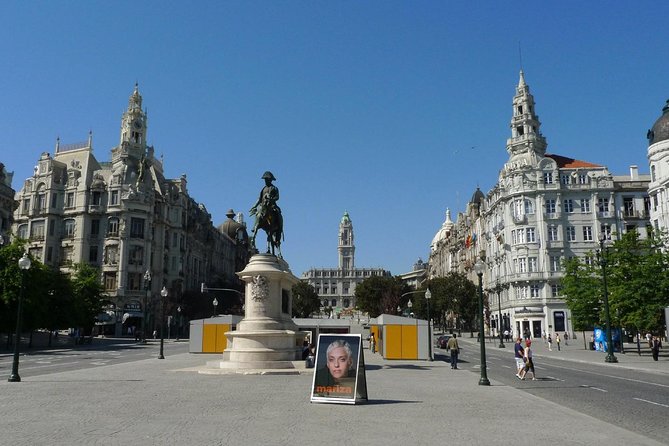
Avenida dos Aliados gives you Porto’s grand civic face. The broad avenue is lined with buildings from the 1920s and 1940s, ending at Porto’s Town Hall to the north and the Cardosas building to the south. In the adjoining Praça de D. Pedro, the statue of Pedro IV recalls the king known as the Liberator.
This is a useful first stop because it helps you read Porto’s center. The avenue is formal and open, while the surrounding streets quickly turn steep, narrow, and old.
Mercado do Bolhão provides a different view. The market dates from 1850 and occupies a neoclassical two-story structure surrounded by four streets. Its stalls focus on fresh food, including fish, meat, vegetables, and flowers.
You get about ten minutes here, with no admission fee. That is enough for a quick look, but not for a leisurely shop or meal. If local markets are a priority, ask whether the stop can be extended, though doing so may mean less time elsewhere.
Praça da Batalha adds another layer of city history. The square’s name reaches back to a medieval defeat by Almançor, a Moorish leader. The São João Theatre, first opened in 1798 and later rebuilt after a 1908 fire, gives the square cultural weight.
Cathedral, São Bento, and Porto’s blue-and-white story
Porto Cathedral occupies one of the city’s strongest viewpoints. The building began in the 12th and 13th centuries and kept its medieval form through later changes. The Gothic Chapel of St. John the Evangelist, the cloister, the expanded chancel, and the silver altar in the Blessed Sacrament Chapel are the details to watch for.
The cathedral visit is listed as about ten minutes, and admission is not included. That means you should not expect a long interior visit unless you pay separately and arrange the timing with your driver.
São Bento Railway Station is one of the tour’s best-value stops because you can enter freely. The station occupies the site of a former 16th-century convent, and its early 20th-century glass and iron design frames the famous entrance hall.
Inside, roughly 20,000 painted tiles by Jorge Colaço show transport, regional life, and scenes from Portuguese history. Even if you have no interest in rail travel, the hall is worth your time. Ten minutes is short, but enough to step inside, look upward, and take photographs.
Café Majestic, Carmo, and Porto’s grand churches
Café Majestic opened in 1921 on Rua Santa Catarina. Its Art Nouveau interior uses marble, gilded mirrors, and carved wood. You can stop for five minutes, but the experience is mainly an exterior look unless you return later for coffee and pastry.
Near the café is the ornate clock at the Galerias Palladium. Every three hours, its four historical figures appear with the sound of the carillon. Timing is crucial, so the tour may not coincide with the performance.
The paired churches of Carmo and Carmelitas are among Porto’s most recognizable religious buildings. Carmo is especially noted for its exterior azulejos, while the narrow Casa Escondida between the churches shows how tightly the old city was built.
I like this stop because it rewards a close look. The hidden house is easy to miss if you are moving quickly, so ask your guide to point it out. Both churches are free to view from outside, and the itinerary allows about ten minutes.
Clérigos Tower is another quick stop with a major optional payoff. Nicolau Nasoni’s Baroque tower is one of Porto’s defining landmarks. Climb 240 steps and you get a wide view over the rooftops and Douro River.
The skip-the-line ticket costs €10 per person and is not included. In a four-hour tour, climbing the tower will use a noticeable portion of your time. I would choose it only if the view matters more to you than adding another neighborhood or coastal stop.
Livraria Lello is close by. The 1906 bookstore has an Art Nouveau façade with Neo-Gothic details, a famous curved staircase, painted wood-effect plaster, and a stained-glass skylight bearing the library’s monogram and motto.
The gold ticket costs €16 and includes priority access and a book. Again, it is not included. The short ten-minute visit gives you a look, but a ticket and queue conditions can change the pace. Book this tour for the city overview first, then treat Lello as an optional interior visit.
A different sort of Porto day altogether:
- The Unvanquished Tour in Porto City Center
★ 5.0 · 26,497 reviews - From Porto: Douro Valley w/ Boat Tour, Wine Tasting & Lunch
★ 4.7 · 19,061 reviews - Complete Douro Valley Wine Tour with Lunch, Wine Tastings and River Cruise
★ 5.0 · 12,920 reviews - Porto: Six Bridges Cruise
★ 4.2 · 11,680 reviews
From art museums to the Douro bridges
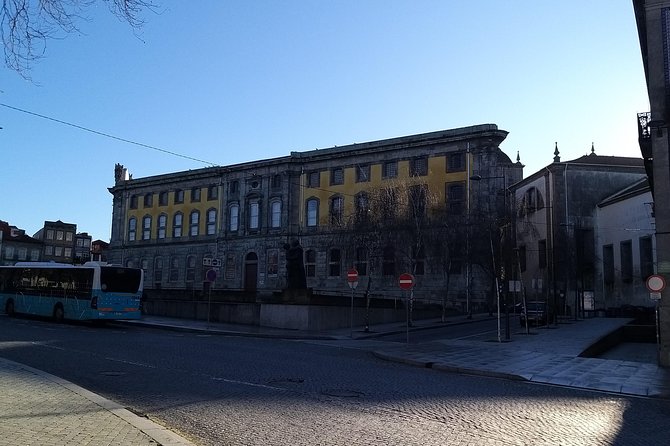
The route can continue past the Soares dos Reis National Museum, Portugal’s oldest public museum. Its collections cover fine art, decorative art, and archaeology, but the tour does not provide enough time for a proper museum visit. Think of it as a landmark to note for a later independent stop.
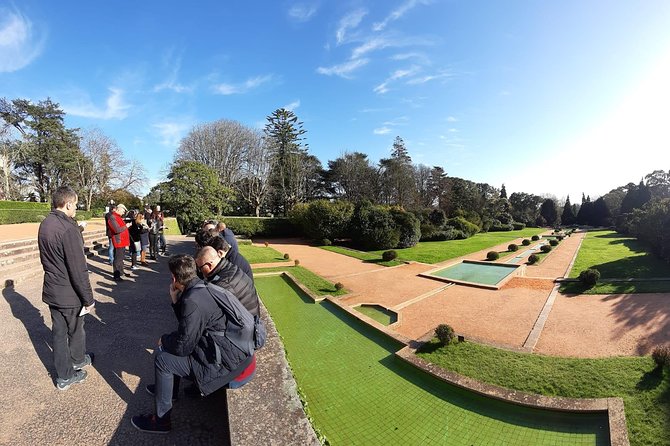
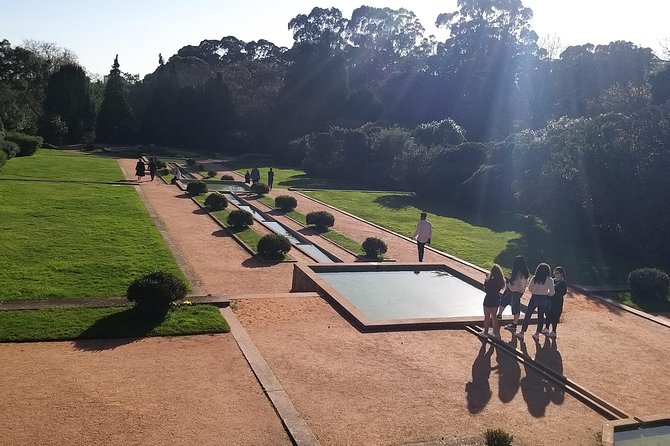
The Crystal Palace Gardens offer a welcome change from stone streets. Designed in the 19th century by Émille David, the eight-hectare gardens include the Émille David Garden, an avenue of linden trees, wooded areas, and viewpoints over the Douro.
The gardens are especially useful if you want fresh air and views rather than another interior. The tour may show you the area, but do not assume you will have time for a long walk.
The historic center then leads toward the churches and commercial buildings beside the river. São Francisco Church is famous for its lavish gilded woodwork, which inspired the nickname Church of Gold. Look for the Tree of Jesse and, if time permits, the catacombs.
Admission costs €10 and is extra. The church is one of the paid stops I would prioritize for a first visit because the contrast between its plain exterior and ornate interior is striking.
Nearby, the Church of São Nicolau offers a smaller look at Porto’s religious architecture. Its style is mainly Mannerist, with Baroque touches and an altar dedicated to Saint Nicholas, patron of metalworkers.
Palácio da Bolsa is another optional interior. Built in the 19th century on the site of a former convent, the neoclassical palace belongs to Porto’s Commercial Association. Its Arab Room is the main draw, and a guided visit costs €14.
Crossing to Gaia and seeing Porto from the river
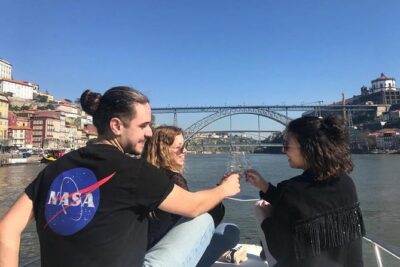
The bridge section is a major reason to choose a private vehicle. You can see the remains of the old suspension bridge, the lower and upper levels of the Dom Luís I Bridge, and the railway bridges that followed.
Dom Luís I was designed by Teófilo Seyrig, who had worked with Gustave Eiffel. Its upper and lower decks connect Porto and Gaia, and its great wrought-iron arch remains a defining part of the view.
The tour can include a walk across the bridge. This is one of the most memorable moments because you see the Douro, the old center, and Gaia’s hillside from a high crossing. Bring sensible shoes, and do not rush the photographs.
The Maria Pia Bridge, completed in 1877 by Eiffel and Seyrig, carried trains for 114 years. It is no longer used for regular rail service, but its single arch remains an important piece of engineering history.
The São João Bridge, opened in 1991, now carries trains toward destinations south of Porto. The Infante Bridge, opened in 2003, replaced the upper road deck of Dom Luís I for Porto’s Metro system.
From Jardim do Morro, the view opens across the Douro toward Porto. The park is free and allows a short pause among paths and greenery. The adjoining Serra do Pilar Monastery is one of the most unusual buildings in the area, with a circular church and circular cloister.
The monastery is a National Monument and part of the UNESCO-listed area. Admission is extra, so you should decide if you want to enter or simply enjoy the view from the garden.
The Atlantic coast, Foz, and Matosinhos
A major strength of this route is that it does not stop at the old center. The vehicle can continue toward the mouth of the Douro, passing the Arrábida Bridge and reaching the Atlantic coast.
The Arrábida Bridge, designed by Edgar Cardoso, was once the longest reinforced concrete bridge in the world. Its four large pillars carry bronze sculptures, adding an artistic detail to the modern structure.
Fort São João Baptista protects the entrance to the Douro and represents several stages of Portuguese coastal defense. The stop is about 15 minutes and free.
Further along, Castelo do Queijo, officially Fort São Francisco Xavier, sits on a rocky rise shaped like a piece of cheese. Built in the 17th century to guard against North African pirates, it is a quick and photogenic coastal stop.
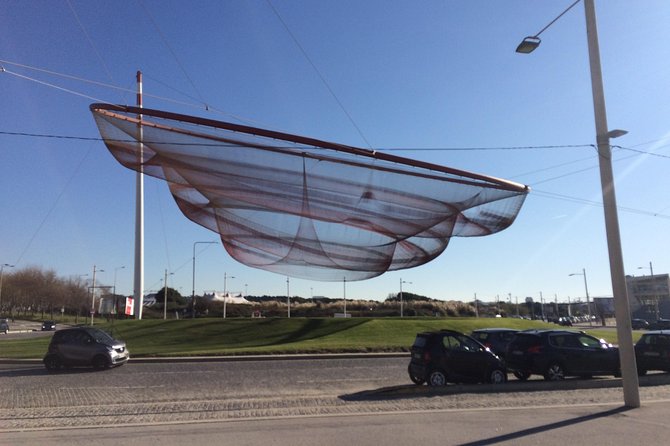
The route may also pass the equestrian statue of King John VI, the Anemone sculpture by Janet Echelman, and Leixões Port. Anemone uses a fishing net that shifts with the wind, making it a lively contrast to Porto’s old stone buildings.
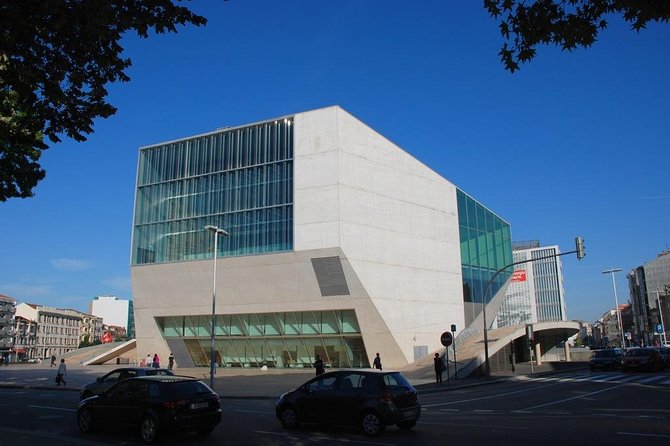
Serralves combines a contemporary art museum, an Art Deco house, and an 18-hectare park. Casa da Música in Boavista provides another modern counterpoint, with Rem Koolhaas’s striking concert hall opened in 2005.
Casa da Música admission is not included, and the scheduled stop is only five minutes. You will see the building and hear why it matters, but save the interior for another visit if modern architecture interests you.
What the $185 price buys you
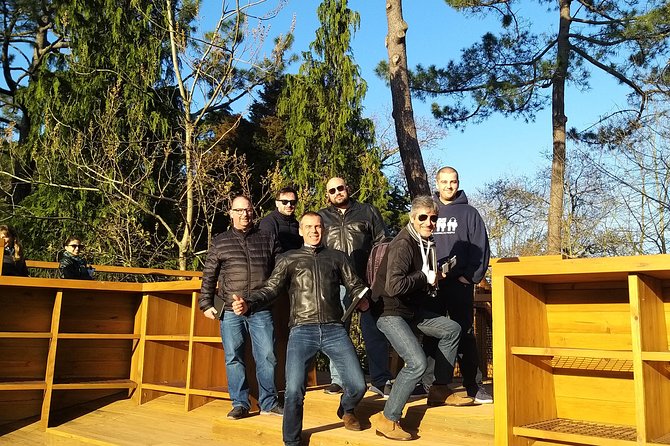
At $185.02 per person, this is not a budget sightseeing ride. The value depends on group size and your time in Porto. For a private group, the price buys a luxury vehicle, a dedicated driver, hotel pickup from central Porto or Gaia, Wi-Fi, water, refreshments, and a flexible route.
It also removes the need to coordinate several buses, trams, taxis, and uphill walks. That matters in Porto, where distances can look short on a map but become tiring on steep streets.
You still need to budget for entry fees. A full day of optional admissions could include €16 for Livraria Lello, €10 for Clérigos, €14 for Palácio da Bolsa, €10 for São Francisco, and an additional fee for Serra do Pilar.
The tour can be extended at €30 per hour per booking. Optional extras include a private two-hour Douro cruise from €360 to €460, a 90-minute Dona Antónia Port cellar tour from €32 to €41, a fado dinner with transport for €80, or a one-hour fado show with Port wine for €20 to €26.
These additions can make the day expensive. I would first use the morning to understand Porto, then choose one paid sight or one evening activity rather than adding everything.
Who will get the most from this tour
This is a strong choice if you have only one day, are staying in Porto or Gaia, or want to see both the city and the coast. It also suits anyone who prefers a private vehicle and needs a gentler way to cover steep streets and scattered sights.
The service has worked well for wheelchair users, according to the operator’s accessibility response, though you should discuss your exact needs before booking. Service animals are allowed, and most people can take part.
You will get the most from it if you tell the driver what matters to you. Carlos has been praised for restaurant advice, Port wine guidance, photo stops, and visits to communities near the river and ocean. Ask direct questions, and decide early if you want more history, more viewpoints, or more interiors.
One caution: the route lists many stops. Four hours means some will be brief drive-bys or photo pauses. If you prefer a slow walk through two or three monuments, a private custom tour with fewer stops may suit you better.
Should you book the Porto private morning tour?
Book it if you want a polished overview with personal attention and a broad route. The combination of São Bento, the old center, Gaia, the bridges, Foz, Matosinhos, and Boavista gives you a useful map of Porto in a single morning.
I would book it especially for a first visit, a short stay, or a family group with mixed interests. Ask for Carlos if possible, confirm which interiors you want, and set aside extra money for tickets.
Skip it if your main goal is extended time inside Livraria Lello, Clérigos Tower, Palácio da Bolsa, or the city’s churches. In that case, spend the morning walking and visiting fewer places at a slower pace.
FAQ
How long is the Porto private morning tour?
The tour lasts approximately four hours.
What is the price?
The listed price is $185.02 per person.
Is the tour private?
Yes. Only your group participates in the private activity.
Where does the tour begin?
The listed meeting point is Praça da Liberdade 19, 4000-322 Porto, Portugal.
Is hotel pickup available?
Yes. Pickup is offered from downtown hotels and bed-and-breakfasts in Porto and Gaia.
What language is offered?
The tour is offered in English.
Is transport included?
Yes. Transport is provided in luxury vehicles with Wi-Fi, bottled water, refreshments, and added comfort equipment.
Are attraction tickets included?
No. Tickets for places such as Livraria Lello, Clérigos Tower, Palácio da Bolsa, São Francisco Church, and Serra do Pilar Monastery are extra.
Can I add a Douro River cruise?
Yes. A private sunset cruise can be added as an optional activity. It lasts approximately two hours and costs €360 to €460.
What is the cancellation policy?
You can cancel at least 24 hours before the start time for a full refund. Changes or cancellations made less than 24 hours before the start time are not accepted for a refund. If poor weather causes cancellation, you will be offered another date or a full refund.
Latest reviews around Porto
- Private Walking Tour, highlights and secrets of Porto★ 3.9 · 3 reviews
- Private Porto Half-Day Tour – Wine Cellars & Cheese Tasting★ 5.0 · 3 reviews
- Portuguese Wine Tasting w Local Cheese & Cold Cuts pairing★ 5.0 · 3 reviews
- Small Painting Group with a Local Artist in Porto★ 5.0 · 3 reviews
- From Peso da Régua: Visit 3 wineries, tasting and viewpoint★ 5.0 · 3 reviews
- Porto: Full-Day All-Inclusive Private City Sightseeing Tour★ 4.3 · 3 reviews
- From Arouca: Paiva River Rafting Adventure – Adventure Tour★ 5.0 · 3 reviews
- Private Tour to Santiago de Compostela and its stunning Cathedral★ 5.0 · 3 reviews
Private, compared.
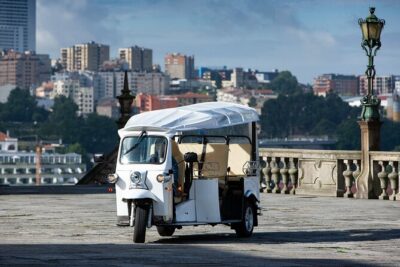
Discover Porto’s Highlights on a 2-Hour Private Electric Tuk Tuk
Read our review →
Porto PRIVATE TOUR With Locals: Highlights & Hidden Gems
Read our review →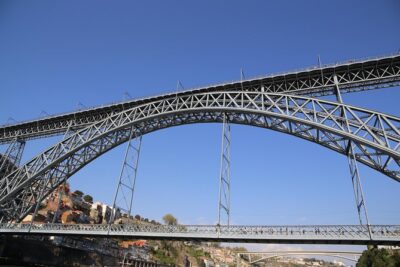
Porto: Private tour in the Douro (1 to 4 people) on a boat just for you
Read our review →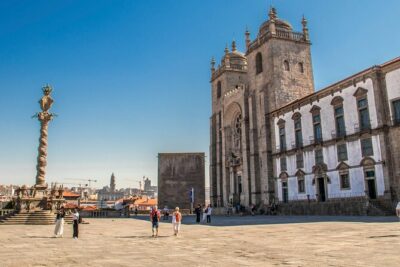
Historic Porto by Private Electric Tuk Tuk to Top Landmarks
Read our review →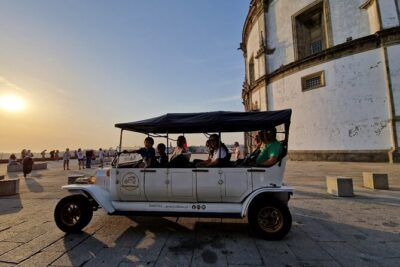
Porto:Private Tour of the Historic City in a Classic Ford T
Read our review →
Porto Private Food and Drink Tasting Tour with Local
Read our review →