
Reviewed · WINE TOURS
Porto to Gaia Experience: City Walk and Wine Cellars
Port’s best story is told from both sides of the Douro. This four-hour walk links city squares, tiled churches, market streets, the Luiz I Bridge, and Gaia’s old wine quarter, then finishes with a Port cellar visit and tasting. I like the way the route connects Porto’s daily life with its wine trade, rather than treating the cellar as an isolated stop. I also like the local snack tasting, a small but useful touch after several hours on foot.
The main trade-off is the pace. You cover a lot of ground, including hills, old lanes, viewpoints, and the bridge, so this is not a slow café-and-photo stroll. The group size is not specified, and the ending details need checking: the route lists Ribeira de Gaia, while the meeting information says the activity ends back at the starting point.
In This Review
- Key things to know before booking
- Porto’s center sets the stage
- Tiled churches and old café culture
- Batalha, the cathedral quarter, and the city walls
- Crossing the Luiz I Bridge
- Gaia’s lanes and Riverside character
- Inside the Port wine cellar
- What $50 buys you
- Pace, languages, and practical comfort
- Who will enjoy this Porto and Gaia walk
- Should you book it?
- FAQ
- Where does the tour start?
- How long does the experience last?
- Which languages are available?
- Is Port wine tasting included?
- Is food included?
- Which attraction entrances are included?
- Can I cancel or pay later?
Key things to know before booking
- Four hours on foot: Expect a fairly full walking route through Porto and Vila Nova de Gaia, with hills, stairs, and stops for views.
- A true two-city outing: You see Porto’s center, then cross the Douro by way of the Luiz I Bridge to Gaia’s riverside quarter.
- Bolhão adds local flavor: The market visit gives you a look at food commerce, not just grand churches and monuments.
- Tasting comes at the end: The Port wine cellar visit and tasting follow the walking portion, so plan to eat lightly beforehand.
- Several languages are offered: Live guiding is available in Portuguese, English, Spanish, Ukrainian, and Russian.
- Good value at $50: The price includes the cellar tour, Port tasting, Chapel of Souls, and a local delicacy tasting, with no separate attraction entrance listed.
Porto’s center sets the stage
Meet your guide at the staircase of Igreja da Santíssima Trindade, also called Trinity Church. Look for the company tag and a white umbrella. This is a practical meeting point near Porto’s central streets, but arrive ready to walk immediately because the first part of the tour moves through the city rather than waiting around the church.
From there, the route reaches Porto City Hall. The building gives you a useful introduction to the city’s civic center and the formal side of Porto’s architecture. A guided visit helps connect the square to the commercial streets you soon enter, so you are not simply collecting façades for photographs.
The next major stop is Mercado do Bolhão. The market visit lasts about 15 minutes, enough time to see the setting and get a feel for local food commerce without turning the tour into a full market lunch. I consider this one of the more valuable stops because it shows Porto as a working city. You see where people shop and trade, not only where they pose for pictures.
The short market stop also helps explain the city’s relationship with food and small-scale business. The route then continues along Rua de Santa Catarina, one of Porto’s best-known shopping streets. Here, the guide can point out the contrast between everyday retail, historic buildings, and the steady flow of people moving through the center.
More Porto wine tastings worth an afternoon:
- From Porto: Douro Valley w/ Boat Tour, Wine Tasting & Lunch
★ 4.7 · 19,061 reviews - Complete Douro Valley Wine Tour with Lunch, Wine Tastings and River Cruise
★ 5.0 · 12,920 reviews - Porto: Live Fado Show with Glass of Port Wine
★ 4.8 · 6,498 reviews
Tiled churches and old café culture
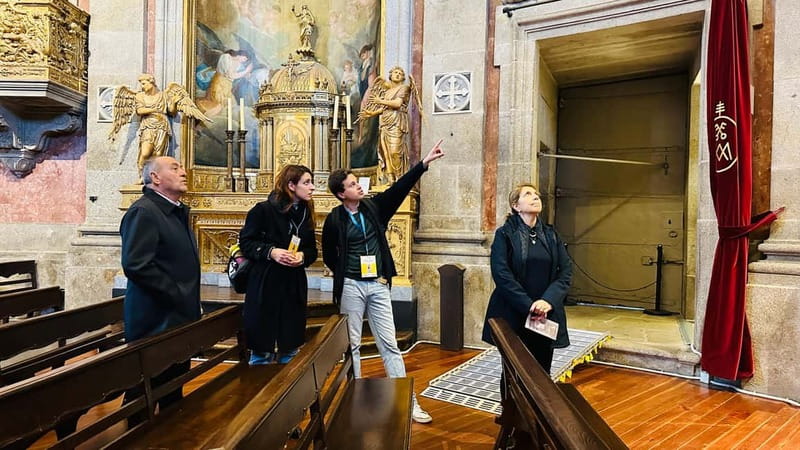
The Chapel of Souls is one of the most photogenic stops in Porto. Its exterior is covered with blue and white tiles, and the tour includes both a visit and a photo stop lasting around 15 minutes. This is also one of the included entrances, so you are not paying an extra fee during the walk.
The chapel works well in a short itinerary because it offers a clear example of Porto’s decorative style without demanding a long museum visit. You can look closely at the tile scenes, hear their place in local religious life, and move on before the schedule starts to drag.
The walk passes the Majestic Café next. The stop is mainly for sightseeing, so do not book this expecting a seated coffee break or a long interior visit. Its value is visual and cultural: the café represents Porto’s old café tradition and gives the route another way to explain how commerce, social life, and architecture meet in the city center.
A secret food stop follows, with a local tasting included. The exact snack is not specified, so you should think of this as a pleasant regional sample rather than a planned meal. It is a welcome pause, especially if you have been walking since the start, but I would still eat something before meeting the guide.
Batalha, the cathedral quarter, and the city walls
Batalha Square is next, with about 30 minutes for sightseeing and walking. This longer stop gives the guide room to explain the area and lets you take in the surrounding architecture at a less hurried pace. It is a natural transition from the commercial center toward Porto’s older quarters.
The route continues to Sé, Porto’s cathedral area. From here, the character of the city changes. Streets become narrower, surfaces can be uneven, and the walk feels more layered than the broad shopping avenues earlier in the day. The city walls are also part of the planned highlights, adding context to Porto’s defensive past and its position above the Douro.
I like this portion because it gives you a sense of how Porto is arranged. The city is not flat, and the movement between squares, high viewpoints, and lower riverside streets is part of its appeal. You should expect some effort, though. Comfortable shoes are more important here than stylish footwear, especially if you want to enjoy the old lanes rather than watch every step.
The guide’s storytelling matters most in this section. The churches and walls are easy to photograph, but their meaning is harder to grasp without a little explanation. The tour is designed to connect the architecture with city life, trade, and the river route that eventually leads you into Gaia.
Crossing the Luiz I Bridge
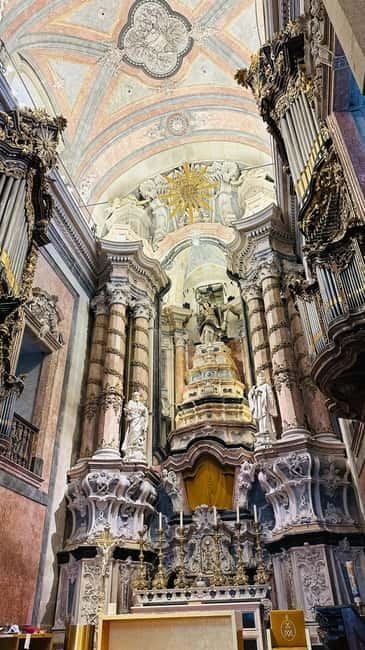
The Luiz I Bridge is the visual high point of the Porto portion. The tour includes a photo stop, guided explanation, and scenic views along the way. From the bridge, you can look back toward Porto and down along the Douro, then see Vila Nova de Gaia opening on the opposite bank.
This is not just a bridge crossing for transport. It makes the tour’s central idea visible: Porto and Gaia are separate municipalities with one shared river economy. The city on one side developed around trade, streets, churches, and civic buildings. Gaia became closely associated with Port wine cellars and the movement of wine along the Douro.
Give yourself time to look in both directions. The route description promises stunning viewpoints, and this is where that promise is most clearly delivered. The bridge can also be exposed and busy, so keep your attention on the guide and your footing rather than stopping in the middle of the walking flow.
More walking tours in Porto:
- Porto Walking Tour, Lello Bookshop, River Cruise and Cable Car
★ 5.0 · 3,354 reviews - Experience Porto’s Charm: 3-Hour Guided Walking Tour
★ 5.0 · 2,432 reviews - Porto: 3-Hour Guided City Highlights Walking Tour
★ 4.8 · 2,050 reviews - Porto: Wine Tasting with Tapas Walking Tour
★ 4.4 · 1,541 reviews
Gaia’s lanes and Riverside character
Once across the river, the tour enters Vila Nova de Gaia. The focus shifts from Porto’s central streets to older lanes, riverside views, and the local side of the wine business. You will walk through Gaia’s historic area and stop at a lesser-known site before visiting Convento de Corpus Christi.
The exact details of the lesser-known stop are not given, which is one reason to treat it as a discovery rather than a major scheduled monument. The guide’s value here is showing you places you might miss if you simply followed the waterfront between restaurants and wine lodges.
Convento de Corpus Christi receives a guided visit. This stop adds a quieter religious and architectural note before the tasting. It also prevents the Gaia section from becoming only a parade of cellar entrances. The route gives you a little time to consider how faith, neighborhood life, and the wine trade shared this part of the river.
The Gaia section is especially useful if you have only seen Porto from the north bank. The viewpoints are different, the streets feel different, and the connection to Port production becomes much easier to understand when the cellars are part of a wider town walk.
Inside the Port wine cellar
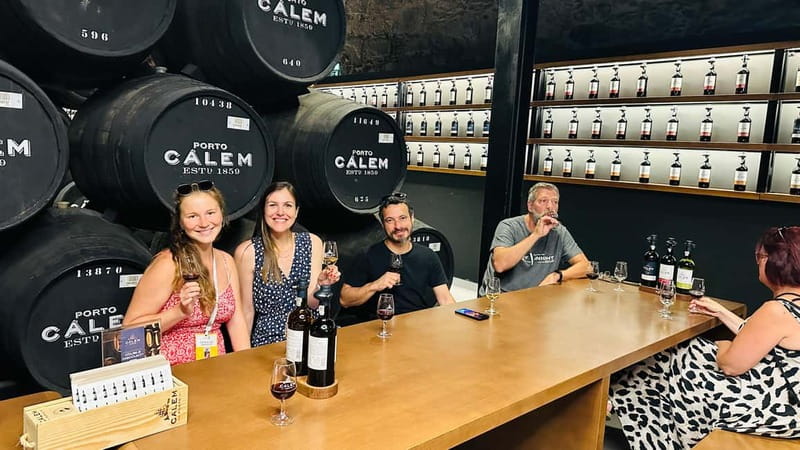
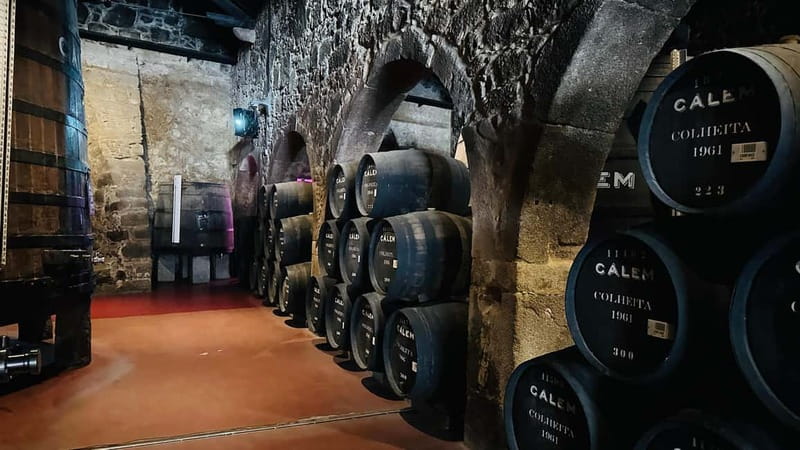
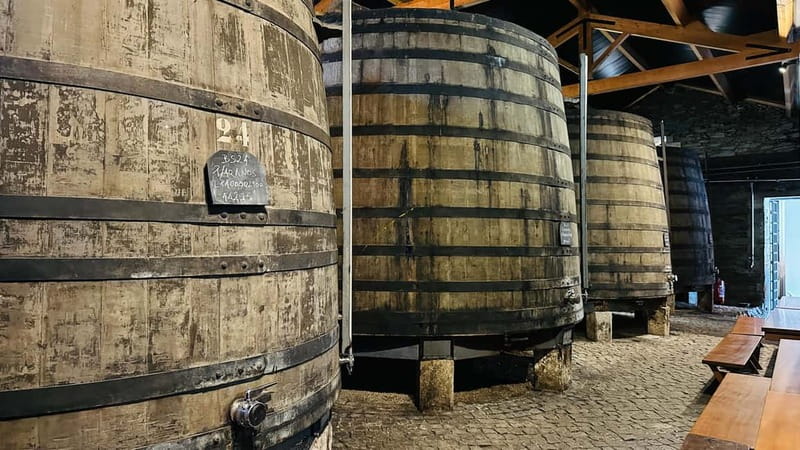
The winery visit is the final major stop and includes a guided cellar tour followed by a Port wine tasting. The tour does not name the cellar or specify the number of pours, so you should not book it expecting a particular producer or a full wine course. What you can count on is an introduction to Port production and a tasting built into the experience.
This timing makes sense. By the time you reach the cellar, you have seen the river, crossed from Porto to Gaia, and heard how commerce shaped both sides. The wine stop then gives the story a practical finish. You can connect the bottles in front of you with the Douro Valley, river transport, storage, and Gaia’s long association with Port.
The tasting is a strong reason to choose this tour instead of a standard city walk. It gives your senses a role after the historical and architectural stops. The supplied feedback is particularly clear on this point: the tasting was considered a fitting finish after the walk, and one participant described it as the part that made the day work.
You should remember that Port is fortified wine and can be sweet and strong, depending on the style. The exact varieties are not listed, so the guide’s explanation will be important. Listen for the differences between the samples rather than rushing through them, and ask questions if you want more detail about what you are drinking.
What $50 buys you
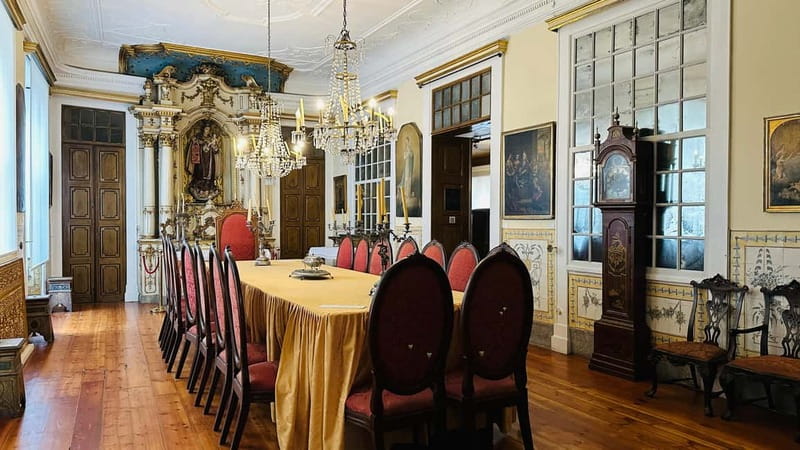
At $50 per person, the price is reasonable if you want one organized experience that combines Porto sightseeing, Gaia, food, and wine. The included items are the Chapel of Souls entrance, the Port wine cellar guided visit, the Port tasting, and a local delicacy tasting.
The value is less obvious if you want a slow, highly focused wine tour. Much of the four hours is spent walking between attractions, and the cellar portion is only one part of the day. You are paying for the bridge crossing, city interpretation, viewpoints, and food stop as well as the wine.
I would compare this price with the cost of arranging the pieces separately. A self-guided city walk is cheaper, and you can visit a cellar on your own. But the tour saves you from planning a route between Porto’s center and Gaia, and it gives you a guide to explain why the two places belong in one story.
No personal expenses are included. Bring money for anything beyond the listed tastings, such as extra food, drinks, or purchases. The tour offers free cancellation up to 24 hours before the start, and you can reserve now and pay later, which helps if your Porto schedule is still shifting.
Pace, languages, and practical comfort
The four-hour length is long enough to cover the main sights but short enough to fit into a day with other plans. I would avoid scheduling a demanding museum visit immediately afterward, since the route includes sustained walking and a bridge crossing.
Live guiding is offered in Portuguese, English, Spanish, Ukrainian, and Russian. No guide names are provided, so you should choose based on language rather than expecting a particular host. The experience provider is InsighTours.
The group size is not stated. That matters because narrow lanes, market aisles, and viewpoints can feel quite different in a small group than in a large one. If group size is important to you, ask before booking.
The activity information also contains two ending descriptions. The route ends at Ribeira de Gaia, while the meeting instructions say the activity ends back at the meeting point. Confirm the final drop-off point when you book, especially if you have dinner, a train, or another timed reservation afterward.
There is an express security check listed, but the information does not identify exactly which entrance it applies to. It is safest to see this as a useful convenience connected with the included attraction visits, not as a promise of instant entry everywhere along the route.
Who will enjoy this Porto and Gaia walk
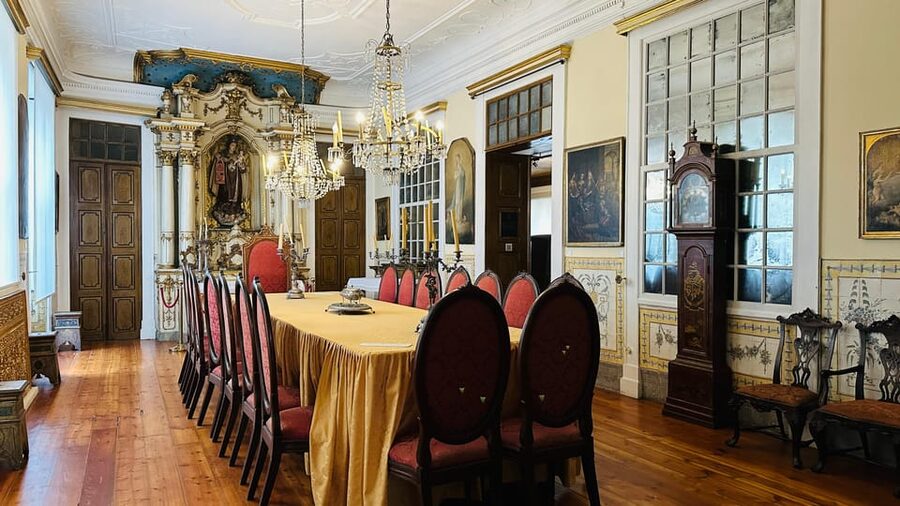
I would choose this tour if you are visiting Porto for the first time and want orientation quickly. In four hours, you get the city center, market life, tiled architecture, cathedral quarter, bridge views, Gaia, and a Port tasting.
It also suits you if you want culture with a social, easy-to-follow structure. The route is not only about monuments. The Bolhão stop, local snack, shopping street, café, and wine cellar give you several ways to see how Porto works.
Wine drinkers will appreciate the final cellar visit, but serious wine students may want a longer specialist tasting. Since the cellar name, tasting size, and wine selection are not specified, this is best viewed as a cultural wine introduction rather than a technical masterclass.
Families and older visitors should consider the walking demands carefully. The information does not provide an accessibility statement, and the itinerary includes old streets, viewpoints, and the Luiz I Bridge. If stairs, slopes, or uneven paving are difficult for you, ask the provider for route details before paying.
Should you book it?
Book this experience if you want a concentrated first look at Porto and Gaia, with the river crossing and Port tasting built into one route. The strongest features are the range of sights, the market and snack stop, the bridge views, and the satisfying move from city streets to a real wine cellar.
Skip it if you prefer to set your own pace, spend an hour at every church, or focus almost entirely on wine. The route is active and broad, not leisurely. For many first-time visitors, though, $50 is a fair price for a guide-led introduction that joins Porto’s architecture and street life to Gaia’s wine tradition.
FAQ
Where does the tour start?
Meet the guide at the staircase of Igreja da Santíssima Trindade, or Trinity Church. The guide will have the company tag and a white umbrella.
How long does the experience last?
The experience lasts four hours. Starting times depend on availability at the time of booking.
Which languages are available?
Live guiding is available in Portuguese, English, Spanish, Ukrainian, and Russian.
Is Port wine tasting included?
Yes. The experience includes a guided Port wine cellar visit and a Port wine tasting.
Is food included?
A tasting of local delicacies is included. The tour also visits Mercado do Bolhão for about 15 minutes, but personal expenses are not included.
Which attraction entrances are included?
The listed included entrances are the Chapel of Souls and the Port wine cellar guided tour.
Can I cancel or pay later?
You can cancel up to 24 hours in advance for a full refund. You can also reserve your place and pay later.
Latest reviews around Porto
- Private Walking Tour, highlights and secrets of Porto★ 3.9 · 3 reviews
- Private Porto Half-Day Tour – Wine Cellars & Cheese Tasting★ 5.0 · 3 reviews
- Portuguese Wine Tasting w Local Cheese & Cold Cuts pairing★ 5.0 · 3 reviews
- From Peso da Régua: Visit 3 wineries, tasting and viewpoint★ 5.0 · 3 reviews
- Porto: Full-Day All-Inclusive Private City Sightseeing Tour★ 4.3 · 3 reviews
- Small Painting Group with a Local Artist in Porto★ 5.0 · 3 reviews
- From Arouca: Paiva River Rafting Adventure – Adventure Tour★ 5.0 · 3 reviews
- Private Tour to Santiago de Compostela and its stunning Cathedral★ 5.0 · 3 reviews
Wine Tours, compared.
From Porto: Douro Valley w/ Boat Tour, Wine Tasting & Lunch
Read our review →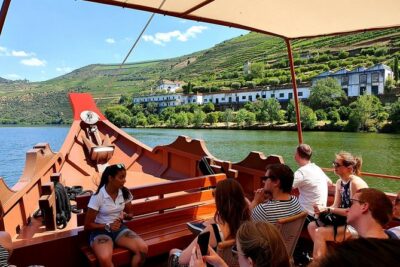
Complete Douro Valley Wine Tour with Lunch, Wine Tastings and River Cruise
Read our review →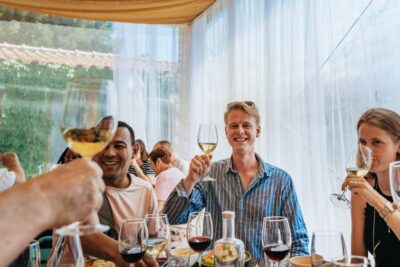
Douro Valley: Wine Tour with Lunch, Tastings & River Cruise
Read our review →
Douro Valley: Historical Sites, Wine Experience, Lunch & Cruise
Read our review →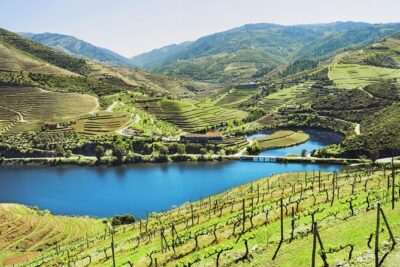
Authentic Small Group Douro Wine Tour with Lunch & River Cruise
Read our review →
Porto: Cálem Cellar Tour, Interactive Museum & Wine Tasting
Read our review →
Douro Valley Small-Group Tour with Wine Tasting, Lunch and Boat
Read our review →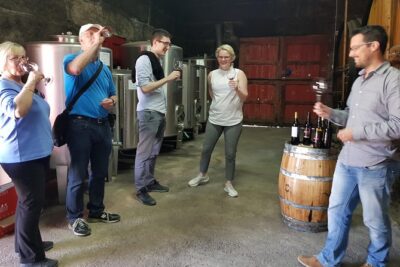
Douro Valley Tour: 2 Vineyard Visits, River Cruise, Winery Lunch
Read our review →Browse the lists this tour appears in