
Reviewed · WINE TOURS
Porto Wine Tasting Experience with Portuguese Tapas Plate
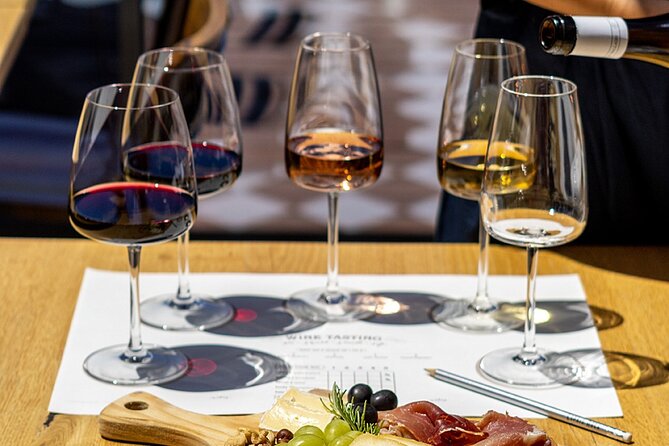
Porto is famous for fortified wine, but this tasting gives you a broader look at the Douro Valley in about 90 minutes. You sample two white wines, a rosé, two reds, and Port, with a host explaining how body, balance, color, and flavor change from glass to glass.
I like the calm setting, either the Orangerie or garden, and the way the Portuguese tapas plate changes how some wines taste. I also like the small group limit of 16, which leaves room for questions. The main thing to know is that this is not chiefly a Port tasting. Most of the pours are Douro table wines, and the portions are tasting-size.
In This Review
- Key points at a glance
- A short tasting with a wide look at the Douro
- Finding Canto de Luz on Rua do Almada
- The Orangerie, garden, and pace of the afternoon
- Two Douro whites start the tasting
- Rosé and two reds add contrast
- The small Port pour comes last
- The Portuguese tapas plate is more than a snack
- The hosts make the technical part easy
- What the $36.28 price buys you
- Who should book this tasting
- Should you book the Porto wine tasting?
- FAQ
- How long does the Porto wine tasting last?
- Where does the tasting begin and end?
- What wines are included?
- How much wine is served?
- What food comes with the tasting?
- Is this a dedicated Port tasting?
- How many people can join?
- Can children join the tasting?
- Can I cancel for a full refund?
Key points at a glance
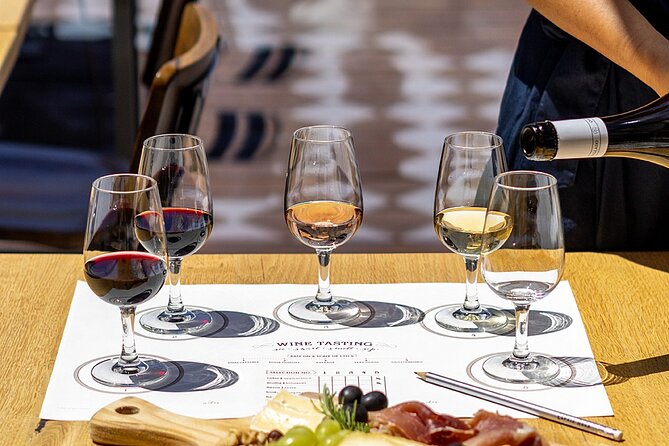
- Six wine styles in one sitting: Try two Douro whites, rosé, two reds, and a small pour of white or tawny Port.
- A pleasant garden setting: The tasting takes place in the Canto de Luz Orangerie or outside on a sunny day.
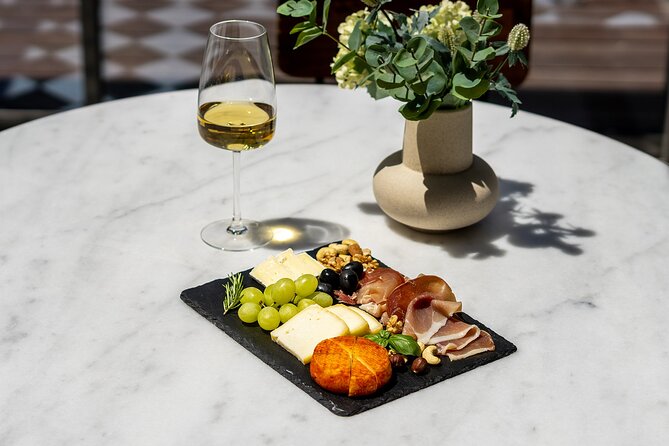
- Food is part of the lesson: Local cheese, Portuguese cured ham, biscuits, and homemade jams help show how pairings affect flavor.
- Hosts keep it friendly: McKenzie, Hannah, Hemily, Greta, and other hosts have been praised for clear explanations and relaxed conversation.
- Small group format: The maximum is 16 people, with some sessions attracting around 11.
- Good value for wine beginners: At $36.28, you get several wines, food, and a guided introduction without spending an entire afternoon.
A short tasting with a wide look at the Douro
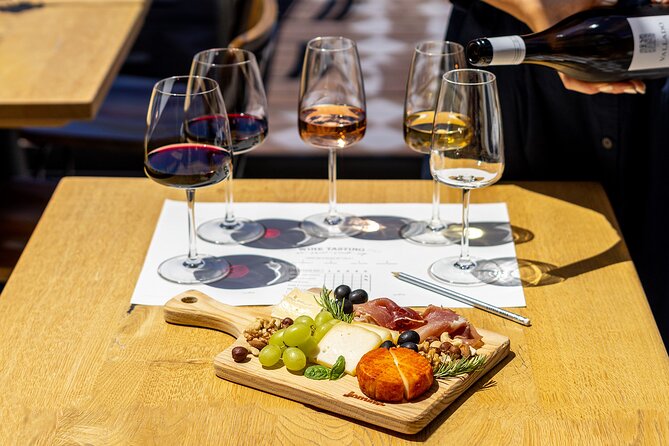
This is a compact introduction to Portuguese wine, not a formal cellar tour. You meet at Canto de Luz, a boutique hotel on Rua do Almada, and settle into its Orangerie or garden. The setting matters. You are not standing at a crowded bar or moving through a large commercial operation. You sit with a small group and have time to look, taste, and ask questions.
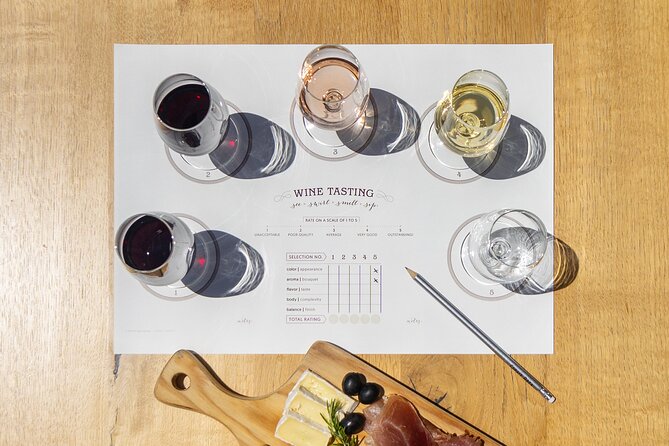
The advertised length is about one hour and 30 minutes. That is enough time to work through the wines without turning the afternoon into a marathon. You are given time with each glass, and one useful touch is a scoring sheet that lets you mark your impressions of the wines.
The format suits people who want a friendly introduction rather than a technical wine course. Hosts explain the basic differences in color, body, balance, and flavor, then let you decide what you like. That balance is important. The best parts of a wine tasting are often the moments when you stop trying to find the correct answer and simply notice what changes in your own glass.
More Porto wine tastings worth an afternoon:
- From Porto: Douro Valley w/ Boat Tour, Wine Tasting & Lunch
★ 4.7 · 19,061 reviews - Complete Douro Valley Wine Tour with Lunch, Wine Tastings and River Cruise
★ 5.0 · 12,920 reviews - Porto: Live Fado Show with Glass of Port Wine
★ 4.8 · 6,498 reviews
Finding Canto de Luz on Rua do Almada
The meeting point is Canto de Luz at Rua do Almada 539, 4050-039 Porto. The activity begins and ends there, so you do not need to arrange a separate ride between tasting locations.
The boutique hotel setting can be a little hard to spot, so give yourself enough time to find the entrance. The activity is near public transportation, and a mobile ticket is accepted. Confirmation arrives when you book, which makes the arrival process simple.
This is a useful stop early in a Porto visit. You can use the tasting to learn which Portuguese wines suit you before choosing bottles at a shop or ordering wine with dinner. It also works late in a sightseeing day, since the session is short and does not require an evening commitment.
The group can include up to 16 people. That is not an intimate private tasting, but it is small enough for a host to answer questions and keep the session personal. One session had about 11 people, a comfortable size for conversation without making the room feel empty.
The Orangerie, garden, and pace of the afternoon
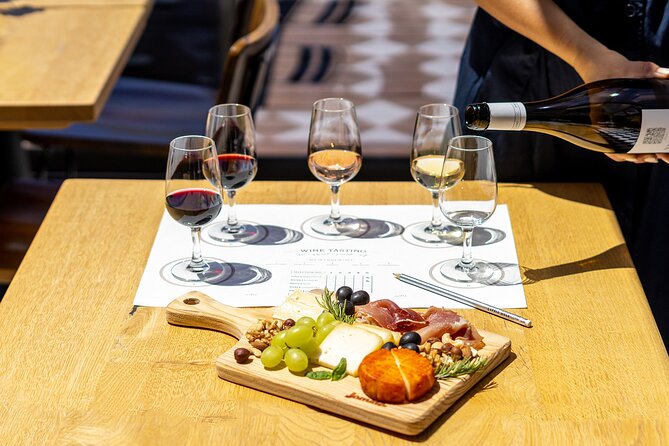
The Orangerie gives the tasting a quiet indoor setting. On a sunny day, the garden is used instead. The outdoor option adds a pleasant change of pace, but it naturally depends on the weather. You should expect the setting to vary rather than book this specifically as a garden visit.
The tone is relaxed. Hosts such as McKenzie, Hannah, Hemily, and Greta have each been praised for explaining the wines clearly while allowing people to enjoy the glasses at their own speed. The session does not appear to rush you from one pour to the next.
That slower pace is valuable for beginners. You can smell a wine, taste it with food, take notes, and then return to it. You also have space to ask why one red feels heavier than another or why a white Port tastes different from a dry Douro white.
A small group also helps if you are traveling with friends. Four people can sit together, compare scores, and make the tasting feel social without losing the instructional side.
Two Douro whites start the tasting
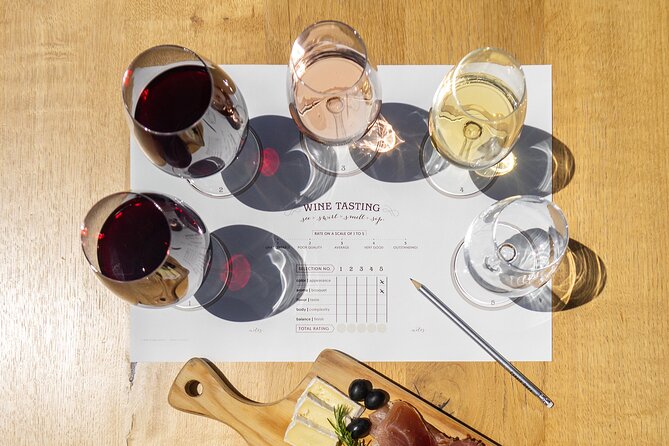
The first wines are two whites from the Douro Valley: a Douro White and a Douro Reserva White. Each tasting pour is listed as 50 milliliters.
For you, the value of starting with two whites is the direct comparison. Rather than tasting one bottle in isolation, you can look for changes in aroma, weight, and finish. The host discusses body and balance, helping you put words to differences you may notice but not yet know how to describe.
This section is especially useful if you normally order white wine but do not know much about Portuguese varieties. You do not need prior wine knowledge. The point is not to memorize a list of grapes. It is to learn how a more standard Douro white differs from a reserve-style white in the glass.
The food plate arrives alongside the wines and can change your view of them. Salty cured ham and cheese often make a wine seem different from how it tasted alone, and the homemade jams bring another contrast. One useful lesson from the format is that a wine you initially like less may work better once paired with food.
More food tours in Porto:
- Porto: Cálem Cellar Tour, Interactive Museum & Wine Tasting
★ 4.5 · 4,113 reviews - Douro Valley Small-Group Tour with Wine Tasting, Lunch and Boat
★ 5.0 · 3,642 reviews - Porto: Cálem Cellar Tour, Fado Show & Wine Tasting
★ 4.4 · 3,530 reviews - Porto: Taylor’s Port Cellars & Tasting
★ 4.6 · 3,374 reviews
Rosé and two reds add contrast
Next comes a rosé and two Douro reds. The listed red choices include Douro Red paired with either an organic or reserve red, with 50-milliliter tasting glasses.
The rosé gives the sequence a lighter change before the reds. Then the two reds provide another side-by-side comparison. The host explains how the wines differ in color, body, balance, and flavor, giving you a way to think about the red wines beyond simply calling one strong or smooth.
This is where the tasting feels broader than its name might suggest. You are not spending the whole session on Port. Instead, you get a quick tour of the Douro as a table-wine region, including styles you might encounter with lunch or dinner in northern Portugal.
The red pours are still modest. You receive enough to taste and compare, but not enough for a full glass of each wine. That is sensible for a six-wine session, though anyone expecting generous servings may feel shortchanged. The tasting format is about range, not quantity.
The small Port pour comes last
The final wine is a 30-milliliter tasting of white or tawny Port, described in the menu as Douro White Porto. This is the only clearly Port-focused pour in the standard lineup, and it is smaller than the 50-milliliter servings used for the other wines.
That distinction is important when deciding if this is right for you. If you want to understand Porto’s table wines and sample one Port, this balance works well. If your main goal is a serious comparison of aged Ports, ruby Ports, or vintage Ports, this is not the most focused choice.
The white Port can be a pleasant surprise, especially if you normally associate Porto only with dark, sweet fortified wines. One couple particularly enjoyed it, and another person said the tasting helped develop a taste for white Port. The host explains the wine rather than treating it as a ceremonial final sip, so you can ask about its flavor and how it differs from the dry white wines earlier in the session.
If you want a dedicated Port event, the provider also offers a separate Best of the Best Port Tasting, which is described as a premium Port selection paired with artisan chocolates. That is the better match for a Port enthusiast. This session is the better match for a general wine introduction.
The Portuguese tapas plate is more than a snack
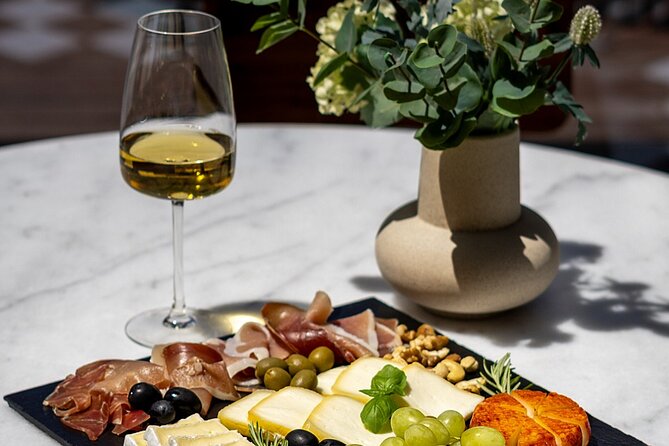
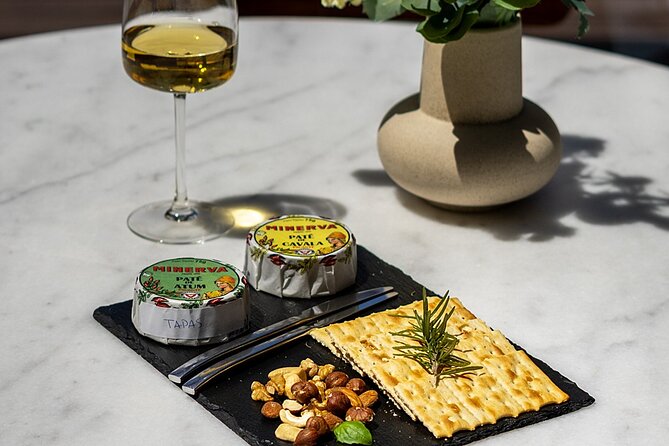
The food serving includes local cheese, Portuguese cured ham, biscuits, and homemade jams. It is called a tapas plate, but you should think of it as a compact pairing board rather than a full meal.
The plate helps the tasting make sense. Wine changes with food, and salty ham, creamy cheese, crisp biscuits, and sweet jam each push the wine in a different direction. The pairing is not just there to fill the table while you drink.
You should still eat beforehand if you need a full lunch or dinner. The portion is designed to complement the tasting, not replace a meal. For many people, though, it is enough food to make the 90-minute session feel complete.
The tapas also add local character. A standard wine flight can happen anywhere. Portuguese cured ham and local cheese connect the glasses to the food you will encounter elsewhere in Porto. I especially like that the plate encourages you to retaste a wine after taking a bite. That small exercise can be more useful than a long lecture about wine theory.
Dietary needs should be raised in advance or at the session. The supplied information specifically notes that alternatives such as juice, coffee, or other soft drinks may be available for someone who does not drink alcohol, but this is still a wine-centered activity. Vegetarian or gluten-free requests should also be made known before arrival.
The hosts make the technical part easy
The host is central to this activity. McKenzie has been praised for explaining each wine, its region, and the notes linked to how and where it is made. Hannah is described as friendly and well informed, with a good balance between explanation and relaxed enjoyment.
Hemily has helped participants feel at ease while learning about Portuguese wines, and Greta has been praised for answering questions and allowing plenty of time with each glass. These names indicate that the session may be led by different members of the team, so you should not book expecting one particular person unless the provider confirms it.
The teaching style is conversational rather than academic. You learn about body, balance, color, and flavor, but you are not expected to pass a test. The scoring sheet adds a light, playful element and gives you something to discuss with the group.
This approach works well for couples and friends with different levels of wine interest. A serious wine fan can ask detailed questions, while a beginner can simply identify a favorite. The one exception is a person who does not enjoy wine at all. The food is good, and the presentation is engaging, but the central activity remains tasting wine.
What the $36.28 price buys you
At $36.28 per person, the price is reasonable if you value instruction, setting, and variety. You receive five 50-milliliter pours plus a 30-milliliter Port pour, along with the tapas plate. The total amount of wine is enough for comparison without making the session feel like a drinking challenge.
The value is strongest for first-time visitors to Portuguese wine. You get a guided framework for understanding several styles, plus an opportunity to discover whether you prefer Douro whites, rosé, reds, or white Port. That can save money later, since you will have a better idea of what to order.
The value is less convincing if you measure only the quantity of wine. Some people may find the pours small, particularly because only 30 milliliters of Port is served. You are paying for the host’s explanations, the setting, the food, and the range, not for six full glasses.
After the formal tasting, you may stay and order more wines, Port, or tapas from the available selection at extra cost. This is convenient if you want to continue the afternoon, but remember that those purchases are not included in the listed price.
Who should book this tasting
I would recommend it to:
- First-time wine tasters who want clear explanations without a stiff classroom mood
- Couples looking for a calm food-and-drink activity in Porto
- Friends who enjoy comparing opinions and marking tasting scores
- Visitors curious about Douro table wines as well as Port
- People who want a 90-minute activity rather than a full-day vineyard outing
I would think twice if you want a full meal, large pours, or an advanced Port seminar. I would also choose a food tour instead if you do not drink wine. The provider offers other food and cooking activities, and those may fit your interests better.
The age rule is firm: all people consuming alcohol must be at least 18 in Portugal, and you may be asked for proof of age. Service animals are allowed, most people can participate, and the activity is near public transportation.
Free cancellation is available up to 24 hours before the start time for a full refund. Changes or cancellations made less than 24 hours before the activity are not accepted for a refund, and the cut-off uses Porto local time.
Should you book the Porto wine tasting?
Book this if you want a friendly introduction to northern Portuguese wine with a good food pairing and a pleasant setting. The range is the main strength: two whites, rosé, two reds, and a little Port give you plenty to compare in a short time.
I would choose it over a standard bar tasting because the host explains what you are drinking and shows how the tapas affect the wine. I would not choose it as a substitute for a dedicated Port tasting, since most of the session focuses on Douro table wines.
For $36.28, the package makes sense for curious beginners, couples, and anyone who wants a relaxed Porto activity with real local flavor. Just arrive knowing that the pours are tasting-size and that the word Porto in the title does not mean an afternoon devoted entirely to Port.
FAQ
How long does the Porto wine tasting last?
The activity lasts approximately one hour and 30 minutes.
Where does the tasting begin and end?
It begins and ends at Canto de Luz, Rua do Almada 539, 4050-039 Porto, Portugal.
What wines are included?
You taste two Douro whites, including a Douro Reserva White, one rosé, two Douro reds, and a 30-milliliter tasting of white or tawny Port.
How much wine is served?
The Douro whites, rosé, and reds are served in 50-milliliter tasting glasses. The Port serving is 30 milliliters.
What food comes with the tasting?
The tasting includes a Portuguese tapas plate with local cheese, Portuguese cured ham, biscuits, and homemade jam.
Is this a dedicated Port tasting?
No. Most of the wines are Douro table wines. The final pour is white or tawny Port. A separate Best of the Best Port Tasting is available for a more Port-focused session.
How many people can join?
The maximum group size is 16 people.
Can children join the tasting?
Anyone consuming alcohol must be at least 18 years old in Portugal and may be asked to show proof of age.
Can I cancel for a full refund?
Yes. You can cancel at least 24 hours before the start time for a full refund. Cancellations or changes made less than 24 hours before the activity are not accepted for a refund.
Latest reviews around Porto
- Private Walking Tour, highlights and secrets of Porto★ 3.9 · 3 reviews
- Private Porto Half-Day Tour – Wine Cellars & Cheese Tasting★ 5.0 · 3 reviews
- Portuguese Wine Tasting w Local Cheese & Cold Cuts pairing★ 5.0 · 3 reviews
- From Peso da Régua: Visit 3 wineries, tasting and viewpoint★ 5.0 · 3 reviews
- Porto: Full-Day All-Inclusive Private City Sightseeing Tour★ 4.3 · 3 reviews
- Small Painting Group with a Local Artist in Porto★ 5.0 · 3 reviews
- From Arouca: Paiva River Rafting Adventure – Adventure Tour★ 5.0 · 3 reviews
- Private Tour to Santiago de Compostela and its stunning Cathedral★ 5.0 · 3 reviews
Wine Tours, compared.
From Porto: Douro Valley w/ Boat Tour, Wine Tasting & Lunch
Read our review →
Complete Douro Valley Wine Tour with Lunch, Wine Tastings and River Cruise
Read our review →
Douro Valley: Wine Tour with Lunch, Tastings & River Cruise
Read our review →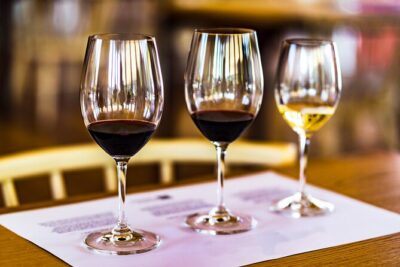
Douro Valley: Historical Sites, Wine Experience, Lunch & Cruise
Read our review →
Authentic Small Group Douro Wine Tour with Lunch & River Cruise
Read our review →
Porto: Cálem Cellar Tour, Interactive Museum & Wine Tasting
Read our review →
Douro Valley Small-Group Tour with Wine Tasting, Lunch and Boat
Read our review →
Douro Valley Tour: 2 Vineyard Visits, River Cruise, Winery Lunch
Read our review →Browse the lists this tour appears in