
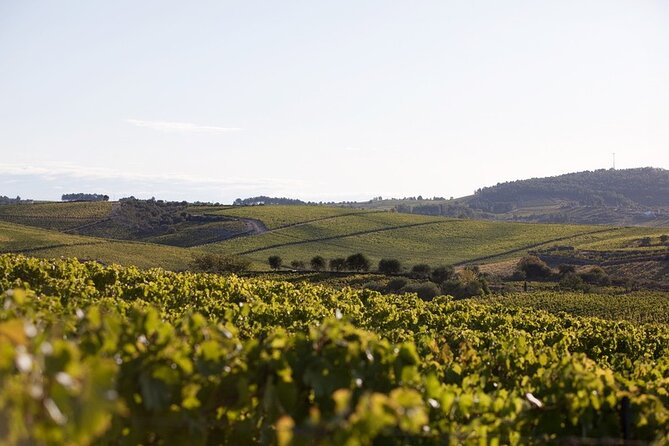
Reviewed · WINE TOURS
Private visit with wine tasting in Alijó Douro
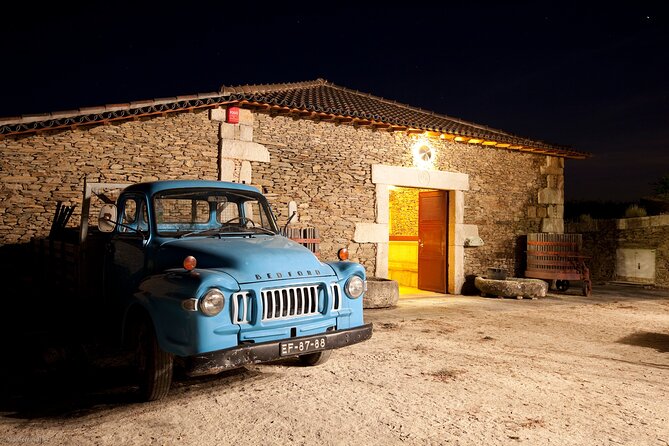
The most unusual part of this Douro wine visit is inside the winery: stone presses with a trapeze shape, described as the only ones of their kind in Portugal. You also see cellars decorated with urban art, then sit down to taste Quinta da Faísca wines from the Lacrau and Secret Spot brands.
I like the private format, since your group gets the guide’s attention rather than being folded into a large tasting crowd. I also like the simple farm-to-table snacks, bread or toast, olives, and oil, which make the wine feel tied to the region. The main consideration is timing: 90 minutes gives you a focused introduction, not a long vineyard day.
In This Review
- Key points to know before booking
- A compact introduction to Quinta da Faísca
- Finding the winery in the Alijó area
- Seeing the winemaking process from stone press to cellar
- Urban art in the wine cellars
- Tasting Lacrau and Secret Spot wines
- Bread, olives, and oil at the tasting table
- The tasting room and views over Favaios
- Why the private format matters
- How the $23.66 price works for you
- Who will enjoy this most
- Booking, timing, and cancellation details
- Should you book the Quinta da Faísca visit?
- FAQ
- Where does the wine visit start?
- Where does the activity end?
- How long does the experience last?
- Is the tour private?
- Is the experience offered in English?
- What wines are included?
- What food is served?
- Are fees and taxes included?
- What is the cancellation policy?
Key points to know before booking
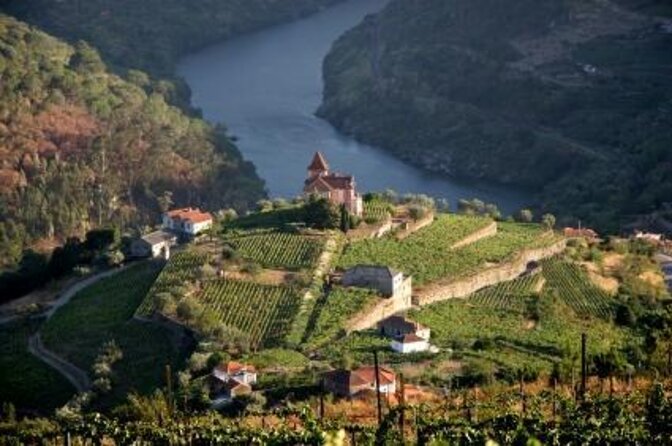
- Rare stone presses: See Quinta da Faísca’s unusual trapeze-shaped stone presses, presented as the only examples in Portugal.
- Private English-language visit: Only your group takes part, with a private guide and mobile ticket.
- Two wine brands: The tasting features wines connected with the award-winning Lacrau and Secret Spot labels.
- Art-filled cellars: The production spaces include urban art decoration, adding a modern note to a traditional winery.
- Favaios plateau views: The tasting room looks over the plateau of Favaios, one of the experience’s strongest visual rewards.
- Short, clear format: The visit lasts about 1 hour and 30 minutes and includes wine, fees, taxes, and snacks.
A compact introduction to Quinta da Faísca
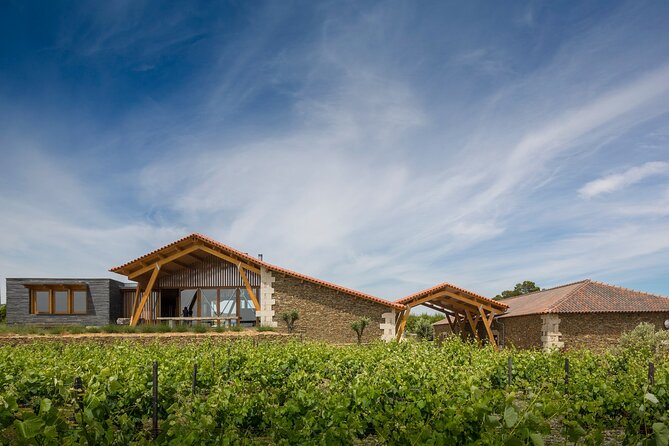
Quinta da Faísca is in northern Portugal, at Vila Real address 5070-270, in the Alijó area of the Douro. The visit is built around the winery rather than a long outdoor route, so you spend your time learning how wine is made, seeing the cellars, and tasting the finished product.
That focus suits you if you want a Douro wine stop that fits neatly into a busy day. You do not need to commit to several hours of touring, and the private setup gives the visit a more personal feel. At about $23.66 per person, the price is also modest for a private guided experience with alcoholic drinks included.
The trade-off is just as clear. This is not presented as a full vineyard walk, meal, or broad regional wine seminar. If you want rows of vines, a long lunch, or several estates in one outing, you will need to add something else to your Douro plans.
More Northern Portugal wine tastings worth an afternoon:
- Classic Wine Tasting with GUIDED TOUR
★ 5.0 · 93 reviews - Soul & Excellence – PORT Wine Tasting
★ 5.0 · 22 reviews - 4×4 Adventure in Douro: Wine Tasting, Boat Trip and Lunch
★ 5.0 · 9 reviews
Finding the winery in the Alijó area
The meeting point is Secret Spot Wines at Quinta da Faísca, Vila Real, Portugal. The activity starts and ends there, which keeps the arrangements simple. You do not have to wonder where the tasting finishes or arrange a separate pickup point afterward.
The supplied information does not include transportation from another town, so plan to reach the meeting point on your own unless your booking details say otherwise. That matters in the Douro, where distances between towns and wine estates can take longer than they look on a map.
You receive confirmation when you book, and a mobile ticket is available. The experience is offered in English, which makes it useful for visitors who want the winemaking process explained clearly without having to follow a Portuguese-language presentation.
Seeing the winemaking process from stone press to cellar
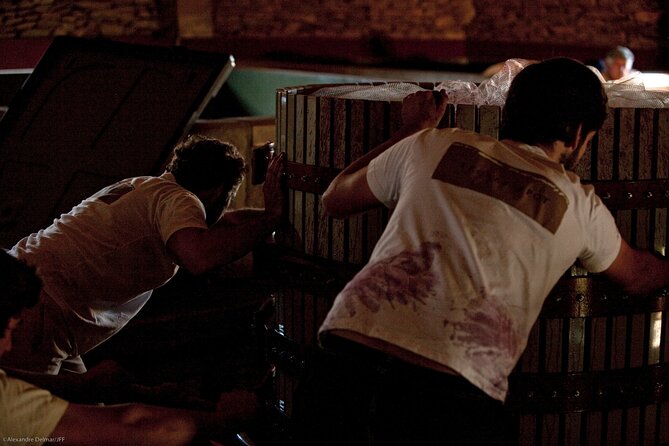
The visit begins with the production side of Quinta da Faísca. You learn about the full winemaking process, then see the winery’s stone presses. These are not just old-looking equipment placed for decoration. Their trapeze shape is the feature that gives this stop its special interest.
The winery describes these presses as the only trapeze-shaped stone presses in Portugal. That is a specific detail worth asking about during the visit. A good guide can explain how the presses fit into the estate’s winemaking story and why their form matters.
I like this part because it gives the tasting some context. You are not simply handed a glass and asked to decide if you like it. You first see part of the place where the wine is made, then taste wines associated with the estate. The connection between equipment, cellar, and glass is the point.
Still, keep your expectations measured. The information provided does not promise that you will see every stage in active operation, nor does it describe a working harvest visit. Think of this as a guided look at the winery and its process, not a hands-on winemaking class.
Urban art in the wine cellars
The cellars bring a different mood. Their decoration includes urban art, so the setting is not purely traditional. That contrast can make the visit more memorable: old stone presses on one side, contemporary artwork in the cellar spaces on the other.
This is a useful detail if you have already visited several formal wine estates. Many winery tours follow a familiar pattern of stone, barrels, and quiet tasting rooms. Quinta da Faísca adds a modern visual layer without removing the traditional production story.
The supplied details do not specify the artists, murals, or exact subjects, so I would not book this as an art tour. Instead, see the urban art as an extra feature that gives the cellar visit a stronger sense of place.
Because the tour is private, you can ask the guide about the decoration, the presses, or the brands without worrying about slowing down a large group. That is one of the private format’s practical advantages.
More food tours in Northern Portugal:
- PREMIUM TASTING and TAPAS with GUIDED TOUR
★ 5.0 · 66 reviews - From Porto: Douro Valley w/ Boat Tour, Wine Tasting & Lunch
★ 4.7 · 19,061 reviews - Porto: Cálem Cellar Tour, Interactive Museum & Wine Tasting
★ 4.5 · 4,113 reviews - Douro Valley Small-Group Tour with Wine Tasting, Lunch and Boat
★ 5.0 · 3,642 reviews
Tasting Lacrau and Secret Spot wines
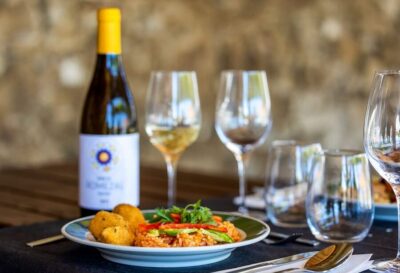
The tasting is the payoff, and it centers on Quinta da Faísca wines from the Lacrau and Secret Spot brands. Both are described as award-winning brands, but the available information does not list the exact bottles, vintages, grape varieties, or number of pours.
That means you should treat the tasting as a guided sample of the winery’s wines rather than a guaranteed list of specific labels. Wine selections can change, and you will want to ask what is being poured on your date.
Wine is included in the price, along with all fees and taxes. That makes the $23.66 cost easier to judge. You are paying for a private visit, an explanation of the production process, access to the winery and cellars, and the tasting itself, not just for a single glass at a bar.
I find this especially fair for couples or small groups who want a focused estate visit. The value is less obvious if you only want to taste wine and do not care about how it is made. In that case, a standard tasting may be enough. Here, the tour earns its price through the private guide and the behind-the-scenes setting.
Bread, olives, and oil at the tasting table
The food is simple but well chosen. You can expect bread or toast, olives, and oil. These are listed as starters, and the experience does not include a full meal.
That distinction matters. You should arrive ready for a tasting snack, not lunch. The food helps clear the palate and gives you something to enjoy with the wine, but it will not replace a restaurant stop in your day.
The farm-to-table character of the snacks is one of the experience’s nicest touches. Bread, olives, and olive oil are plain foods, yet they connect the tasting to the everyday table of Portugal. They also keep the focus on the wine instead of turning the visit into a large food program.
If you have dietary concerns, the supplied details do not provide substitutions or a full ingredient list. Ask when booking if that matters to you. The only confirmed food items are bread or toast, olives, and oil.
The tasting room and views over Favaios
The final stop is the tasting room, with a view over the plateau of Favaios. This is likely where you will want to slow down. After the winery and cellars, the view gives the tasting a wider sense of the Douro setting.
The word plateau is important here. The scene is not described as a sweeping river overlook, so do not picture a guaranteed postcard view of the Douro River. You can expect a view toward Favaios and its surrounding plateau, which gives the tasting room its visual appeal.
I like the order of the visit. First, you see the tools and spaces connected to production. Then you move to the wines and snacks. Finally, you have the view. The sequence makes the 90-minute length feel purposeful rather than rushed.
Weather may affect the experience. The activity requires good weather, and if poor conditions cause a cancellation, you are offered another date or a full refund. The available details do not say exactly which parts depend on weather, but it is wise to keep that possibility in mind when arranging a tightly packed day.
Why the private format matters
This is a private activity, so only your group participates. That can change a wine visit more than the word private suggests. You can ask questions about the stone presses, the brands, the cellar art, or the tasting without competing with a busload of people.
It also lets you set the tone. If your group already knows wine, you can focus on production and labels. If you are new to Douro wine, you can ask basic questions without feeling out of place.
The guide’s name is not provided, so I cannot tell you who will lead your visit. The host is described as informative and pleasant, and the English option gives you a clear way to follow the presentation.
There is one limitation. A private tour does not automatically mean a long or highly customized program. The stated duration remains about 1 hour and 30 minutes, and the listed route stays within the winery, cellars, and tasting room.
How the $23.66 price works for you
At $23.66 per person, this is a reasonable small-group wine stop. The price includes the private guided tour, alcoholic beverages in the form of wines, and all fees and taxes. You also receive the listed bread or toast, olives, and oil.
I would judge the value by asking what you want from a Douro visit. If you want a private explanation of winemaking, a distinctive winery setting, and a seated tasting with a view, the cost is attractive. If you want a full meal or transport from Porto, that is not included and the budget changes.
The short duration helps with planning. You can fit this into a day that includes other Alijó or Douro stops. At the same time, you should leave room for reaching the meeting point and for the possibility that local roads take time.
No extra items are specified as included beyond the tour, wines, snacks, fees, and taxes. Plan to pay separately for anything else you may want during the day.
Who will enjoy this most
I would recommend this experience to couples, families with adult wine drinkers, and small private groups looking for a compact introduction to a Douro winery. It is also a good fit if you appreciate unusual details, since the trapeze-shaped presses and urban-art cellars give the visit more character than a basic tasting counter.
It suits you if you want to learn how the wine is made before tasting it. The private setting is helpful for first-time wine visitors who want the freedom to ask questions.
You may want to choose a different activity if your priority is a vineyard walk, a substantial meal, a long cellar session, or a list of exact wines promised in advance. None of those features is confirmed here.
Most travelers can participate, according to the activity information. Since no more specific accessibility details are given, contact the provider if you need help with mobility or another access concern.
Booking, timing, and cancellation details
The activity lasts approximately 1 hour and 30 minutes. It begins and ends at Quinta da Faísca, and confirmation arrives at the time of booking.
You can cancel for a full refund up to 24 hours before the local start time. Cancellations made less than 24 hours before the start, as well as changes within that window, are not refunded or accepted. If bad weather forces cancellation, you receive the choice of another date or a full refund.
That policy is worth noting if you are building a tightly scheduled Douro itinerary. Give yourself room to adjust, especially if the forecast looks uncertain.
Should you book the Quinta da Faísca visit?
Book it if you want a short, private, English-language introduction to Douro winemaking with a few memorable details. The trapeze-shaped stone presses, urban-art cellars, Lacrau and Secret Spot wines, and Favaios plateau view give this visit a clear identity.
The $23.66 price is strongest for a couple or small group that values a private guide and included tasting. I would not book it as a substitute for lunch, transportation, or a full day among vineyards. But as a focused winery stop, it offers a good mix of local character, wine, and practical timing.
FAQ
Where does the wine visit start?
It starts at Secret Spot Wines, Quinta da Faísca, 5070-270 Vila Real, Portugal.
Where does the activity end?
The visit ends back at the meeting point at Quinta da Faísca.
How long does the experience last?
The visit lasts approximately 1 hour and 30 minutes.
Is the tour private?
Yes. Only your group participates in this private activity.
Is the experience offered in English?
Yes. English is one of the offered languages.
What wines are included?
Wine tasting is included, featuring Quinta da Faísca wines connected with the Lacrau and Secret Spot brands.
What food is served?
The listed snacks are bread or toast, olives, and oil.
Are fees and taxes included?
Yes. All fees and taxes are included in the stated price.
What is the cancellation policy?
You can cancel at least 24 hours before the start time for a full refund. Cancellations or changes made less than 24 hours before the start are not refunded or accepted. If poor weather causes cancellation, you are offered a different date or a full refund.
Latest reviews around Northern Portugal
- Waterfall Route in Peneda Gêres National Park★ 5.0 · 3 reviews
- Deep canyoning★ 5.0 · 4 reviews
- Buggy or Moto4 tour through Melgaço★ 5.0 · 5 reviews
- Moliceiro boat trip, with experience in bivalves harvesting★ 5.0 · 5 reviews
- Private Guided Tour – Peneda Gerês National Park★ 5.0 · 8 reviews
- 4×4 Adventure in Douro: Wine Tasting, Boat Trip and Lunch★ 5.0 · 9 reviews
- Canyoning on the River Varziela – Initiation Route★ 5.0 · 9 reviews
- Stand Up Paddle Experience at Lagos do Sabor★ 5.0 · 11 reviews
Wine Tours, compared.
From Porto: Douro Valley w/ Boat Tour, Wine Tasting & Lunch
Read our review →
Complete Douro Valley Wine Tour with Lunch, Wine Tastings and River Cruise
Read our review →
Douro Valley: Wine Tour with Lunch, Tastings & River Cruise
Read our review →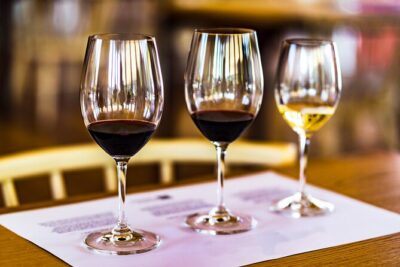
Douro Valley: Historical Sites, Wine Experience, Lunch & Cruise
Read our review →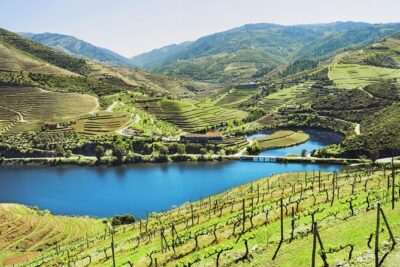
Authentic Small Group Douro Wine Tour with Lunch & River Cruise
Read our review →
Porto: Cálem Cellar Tour, Interactive Museum & Wine Tasting
Read our review →
Douro Valley Small-Group Tour with Wine Tasting, Lunch and Boat
Read our review →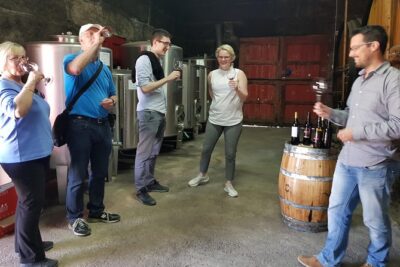
Douro Valley Tour: 2 Vineyard Visits, River Cruise, Winery Lunch
Read our review →Browse the lists this tour appears in