Reviewed · PORTO TOURS
Learn How to Make Pastel de Nata!
The best part of this experience is that you do not simply watch a baker work. You and your small group help make pastel de nata from scratch, then eat the results together. I like the family recipe and personal stories from host Joana, and I like the small group of no more than 10 people, which should give you room to ask questions and take a turn at each step.
The main thing to check before booking is the location. The class description calls the studio central Porto, but the stated meeting address is in Fânzeres, outside the usual city-center sightseeing zone. Also, if you want a written recipe to take home, confirm how and when it will be sent.
In This Review
- Key points at a glance
- A pastry class with a family recipe at its center
- What happens during the two-hour class
- Why the small group matters
- The recipe question is worth clarifying
- The location needs a careful look
- Is $29 a fair price?
- Who will enjoy this class most
- How to fit it into a Porto itinerary
- Booking, cancellation, and practical details
- Should you book Learn How to Make Pastel de Nata?
- FAQ
- Where does the pastel de nata class meet?
- What time does the class start?
- How long does the activity last?
- How many people can join the class?
- Is the class suitable for children?
- Can I cancel for a full refund?
Key points at a glance
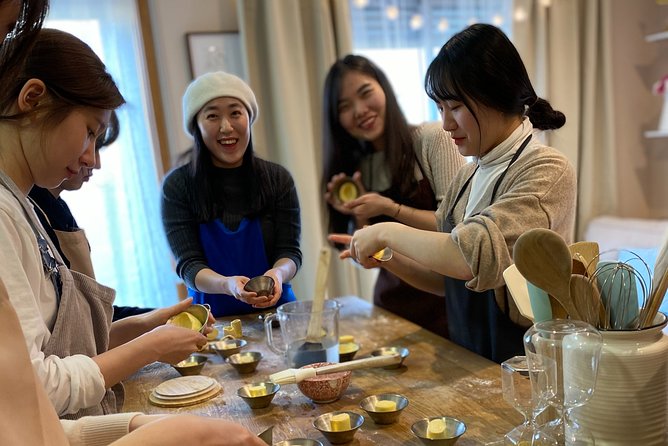
- Bake 24 pastel de nata together: The class is a practical group session, with everyone taking turns as the pastry comes together.
- Meet host Joana in her home studio: She connects the recipe to her grandmother and the family tradition of making these tarts.
- Finish by eating your own work: The class ends with a shared feast of the pastel de nata you have prepared.
- Suitable for children and adults: You do not need advanced baking skills, and the format is designed for all ages.
- Small group, maximum 10 people: This matters in a hands-on class, since you should get more direct help than in a large demonstration.
- Check Fânzeres transport carefully: The listed address does not match the description of a central Porto meeting point.
A pastry class with a family recipe at its center
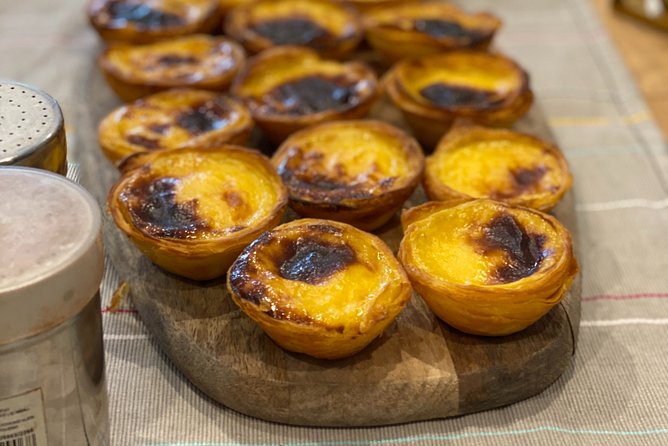
Pastel de nata is Portugal’s best-known custard tart, with crisp pastry wrapped around a soft, sweet filling. In Porto, you can find excellent versions in bakeries all over the city, but this class gives you a different way to meet the dessert: you make it with your own hands.
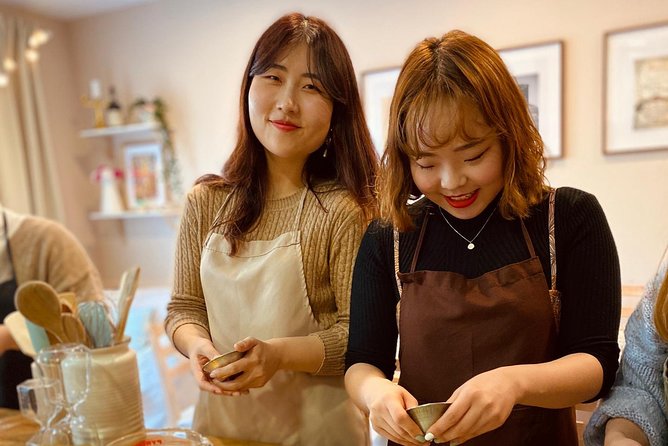
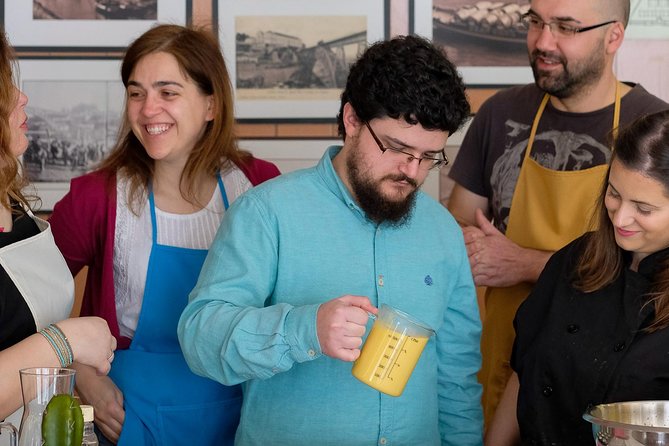
Joana hosts the class in her home studio. She begins by talking about herself and her family, including the grandmother’s recipe used for the session. That personal introduction gives the food a clear connection to Portuguese home cooking. You are not just learning a generic pastry formula. You are hearing why this particular recipe matters to the person teaching it.
I like this approach because food classes work best when they explain more than technique. You learn about the tart itself, Portuguese customs, and the traditions connected with it. The class also includes fun facts about who created the pastry and how it became part of Portugal’s food culture.
The setting is meant to feel relaxed and social. The studio has natural light and the tools needed for a messy baking session. That wording is worth taking seriously. You should expect to participate, not stand back with your hands folded while Joana does all the work.
A few more Porto outings to weigh up
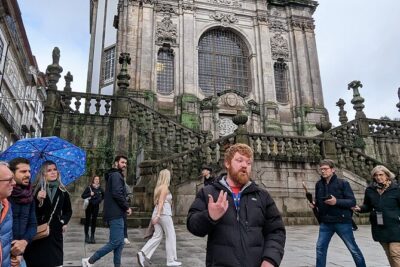
- The Unvanquished Tour in Porto City Center
★ 5.0 · 26,497 reviews - From Porto: Douro Valley w/ Boat Tour, Wine Tasting & Lunch
★ 4.7 · 19,061 reviews - Complete Douro Valley Wine Tour with Lunch, Wine Tastings and River Cruise
★ 5.0 · 12,920 reviews
What happens during the two-hour class
The activity begins at 9:30 a.m. and lasts about two hours. The exact rhythm depends on the group, but the plan is easy to understand.
First comes the welcome and family background. Joana introduces herself and explains her connection to the recipe. This is a useful start for families and first-time visitors because it gives you a little context before the ingredients appear.
Next, the group prepares the tarts together. This is a hands-on lesson, so you should expect to take turns and help with the different parts of the recipe. The available information does not give a detailed minute-by-minute cooking plan, but it does make clear that the class covers the process from scratch rather than a simple decorating session.
The group makes the pastry and custard with Joana’s help. As you work, she shares facts about pastel de nata, its story, and the people associated with its creation. The class is not presented as a technical baking course for professionals. It is built for ordinary visitors, including children and adults who may have little baking experience.
At the end, everyone sits down and eats the finished tarts together. That final meal is an important part of the experience. You get to taste the pastry while the work is still fresh, and the shared table gives the class a natural ending.
One useful detail comes from the class experience described by a participant: the group made 24 pastel de nata together. That gives you a reasonable sense of the scale. You are helping produce a proper batch, not one small tart each.
Why the small group matters
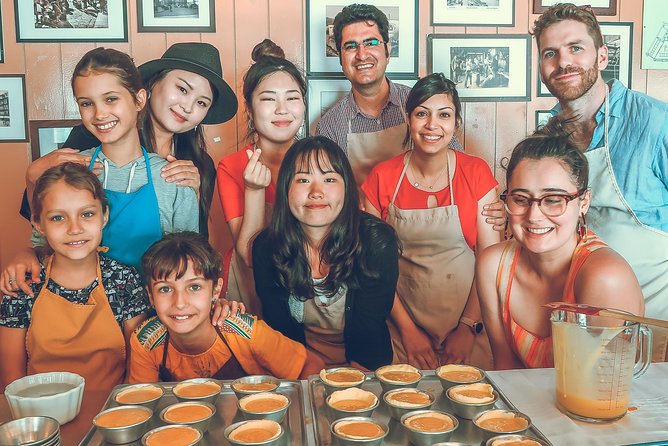
The maximum group size is 10 people. For a cooking class, that is a practical limit. You have a better chance of seeing what is happening, getting a turn, and asking Joana for help when your pastry or custard needs attention.
A small group also makes the social side easier. The class includes conversation about Portuguese culture and local recommendations, so you are likely to spend part of the time talking with Joana and the other people at the table. If you enjoy meeting people while you travel, this format should suit you.
There is one tradeoff. A home-studio class may feel less polished or structured than a large professional cooking school. That is not necessarily a problem. The appeal here is the personal setting and the family connection. Still, you should book this with the expectation of a friendly, informal session rather than a formal culinary certificate course.
The class is suitable for children and adults of all ages. Since the activity involves turns and group participation, younger children may need an adult to help them follow along. The information does not specify a minimum age, so families with very young children should ask before booking if that detail matters.
The recipe question is worth clarifying
One point deserves special attention. A participant gave the class three out of five because the recipe was not provided during the session with ingredient quantities. Joana explained that she wanted the group to focus on the method and said the recipe would be sent afterward.
That may be fine for you if your main goal is a fun Porto activity and a chance to eat fresh tarts. It matters more if you are booking because you want to recreate pastel de nata at home. Before you go, ask directly if you will receive the full written recipe, including the quantities, and when it will arrive.
This is a small but important distinction. Learning by watching and doing can help you understand the process, but exact measurements are useful when you try the recipe in your own kitchen. Do not assume that a printed handout is included unless Joana confirms it.
A different sort of Porto day altogether:
- Porto: Six Bridges Cruise
★ 4.2 · 11,680 reviews - Porto: Live Fado Show with Glass of Port Wine
★ 4.8 · 6,498 reviews - Porto: 6 Bridges Douro River Cruise
★ 4.3 · 6,472 reviews - Porto: Torre dos Clerigos Entrance Ticket
★ 4.6 · 6,395 reviews
The location needs a careful look
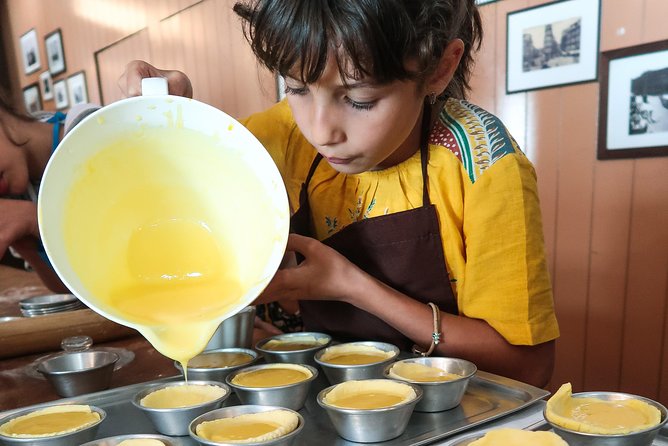
The experience description says the home studio is in the city center, making it easy to fit into a sightseeing day. The formal meeting point, however, is listed as Rua Dr. Américo Jazelino Dias Costa 104, 4510-643 Fânzeres, Portugal.
Fânzeres is not the same as Porto’s main historic center. Because of that mismatch, you should check the address on a map before paying and allow time for transport. The information says the meeting point is near public transportation, which helps, but it does not specify the exact bus or train route, travel time, or fare.
This is especially important because the class starts at 9:30 a.m. A morning session at the listed address could work well if you are staying nearby or have checked the route in advance. It may not fit neatly between a hotel breakfast in central Porto and a morning visit to the Ribeira, São Bento Station, or another city-center sight.
The activity ends back at the meeting point. That makes the return simple once the class is over, but you still need to plan the trip in both directions. I would use the address, not only the phrase city center, when deciding how the class fits your day.
The provider also offers a mobile ticket, so you can keep the booking confirmation on your phone. Confirmation is sent at booking. Service animals are allowed, and the activity is near public transportation, but the available details do not explain broader accessibility features.
Is $29 a fair price?
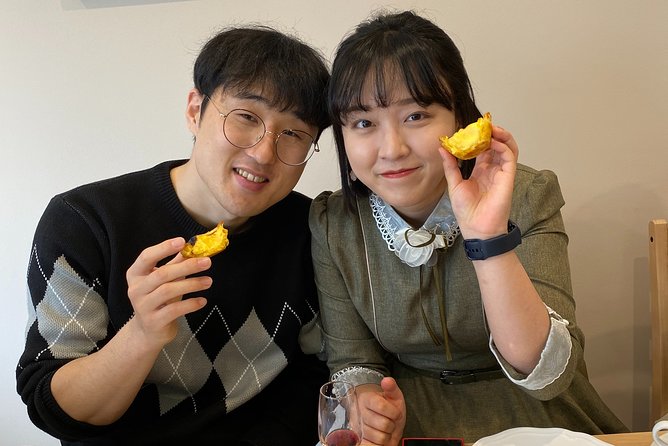
At $29, this is priced as an affordable food activity rather than an elaborate full-day cooking course. For roughly two hours, you receive instruction, hands-on preparation, cultural background, and the chance to eat the batch you help make.
The value depends on what you want from the class. If you simply want the cheapest pastel de nata in Porto, a bakery will cost much less. If you want a practical activity that breaks up sightseeing and gives you a personal connection with a local host, $29 is easier to justify.
The small group strengthens the value. A maximum of 10 people means the price is paying for participation, not just admission to a demonstration. The fact that the class takes place in Joana’s home studio also gives it a more personal character than a standard commercial tasting.
I would be less enthusiastic about the price if you expect a polished takeaway package, a formal recipe booklet, or a wide menu of dishes. This is one pastry class, focused tightly on pastel de nata. Ask about the recipe before booking if that is central to your decision.
Who will enjoy this class most
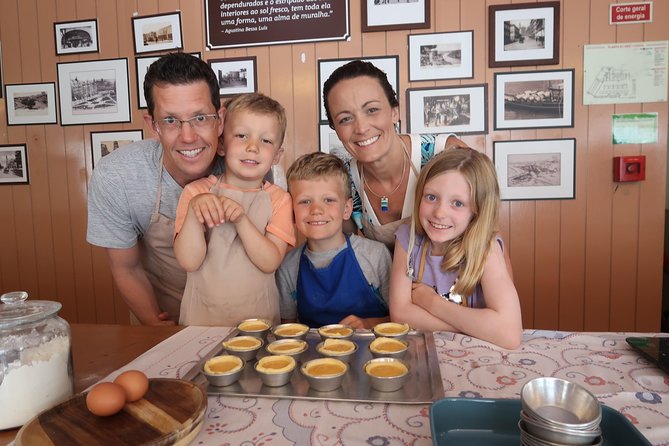
This experience is a good fit for families. Children can take part in a simple food activity, and the final feast gives them a clear reward for helping. The small group should also make it easier for Joana to offer guidance.
It works well for couples and solo visitors who enjoy meeting a local host. The conversation about Joana’s family, Portuguese customs, and Porto recommendations adds a social layer that you do not get from buying a tart at a counter.
Food lovers will appreciate the focus on a national specialty. You leave with a better sense of how the tart is made, not just how it tastes. That can make future bakery visits more interesting because you will pay closer attention to the pastry, filling, and baking style.
This may not be the right choice for someone seeking advanced pastry training. The class promises a friendly introduction for all ages, not professional instruction. It also may not suit you if your Porto schedule is fixed around the historic center and you do not want to travel to the listed Fânzeres address.
How to fit it into a Porto itinerary
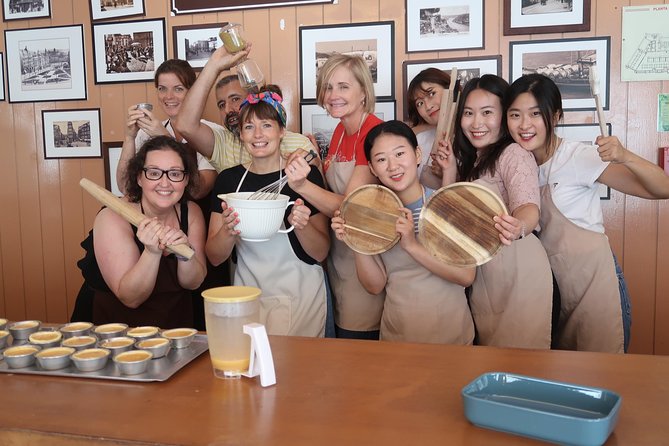
The 9:30 a.m. start makes this a morning activity. If the location works for you, the class should leave the rest of the day open. You can spend the afternoon exploring Porto, visiting a museum, walking beside the Douro, or stopping at another bakery to compare the finished product with your own.
Do not place this class immediately before a nonrefundable attraction unless you have checked the route and allowed extra time. The class lasts about two hours, but cooking sessions can run on the rhythm of the group. You will also need transport time back from Fânzeres.
The class may be especially useful on a rainy day. It gives you a warm indoor activity with food, conversation, and a clear two-hour shape. The natural light in the studio should make the space pleasant, though you should still expect flour, pastry, and some general kitchen mess.
You can preview the host’s past experiences through the Instagram page @portocookingclass. That may help you judge the studio setting and the style of the activity before you commit.
Booking, cancellation, and practical details
The activity begins at 9:30 a.m. and ends at the same meeting point. The maximum group size is 10 people, and confirmation is provided when you book.
Free cancellation is available if you cancel at least 24 hours before the local start time. Inside that 24-hour window, you will not receive a refund, and changes are not accepted. Keep that deadline in mind when weather, transport, or family plans are uncertain.
The booking uses a mobile ticket. Service animals are allowed. The information confirms nearby public transportation, but it does not list a specific stop or route, so check those details yourself before the morning of the class.
Should you book Learn How to Make Pastel de Nata?
I would book this class if you want a friendly, hands-on Porto activity and like the idea of hearing a family food story while you cook. The $29 price is reasonable for two hours of instruction, group participation, and a shared batch of fresh pastel de nata.
I would pause if you assume the class is in central Porto or if a written recipe is essential. First, confirm the Fânzeres address and your transport plan. Then ask Joana about the recipe and ingredient quantities.
For families, casual food lovers, and visitors who prefer personal experiences to formal sightseeing, this is a good choice. For an advanced baking lesson or a quick central-Porto stop, choose something else.
FAQ
Where does the pastel de nata class meet?
The listed meeting point is Rua Dr. Américo Jazelino Dias Costa 104, 4510-643 Fânzeres, Portugal. The description refers to a city-center home studio, so check the exact address before booking.
What time does the class start?
The class starts at 9:30 a.m.
How long does the activity last?
The experience lasts approximately two hours.
How many people can join the class?
The activity has a maximum of 10 participants.
Is the class suitable for children?
Yes. The class is described as suitable for children and adults of all ages.
Can I cancel for a full refund?
Yes, if you cancel at least 24 hours before the local start time. Cancellations or changes made less than 24 hours before the experience are not refunded.
Latest reviews around Porto
- Private Walking Tour, highlights and secrets of Porto★ 3.9 · 3 reviews
- Private Porto Half-Day Tour – Wine Cellars & Cheese Tasting★ 5.0 · 3 reviews
- Portuguese Wine Tasting w Local Cheese & Cold Cuts pairing★ 5.0 · 3 reviews
- From Peso da Régua: Visit 3 wineries, tasting and viewpoint★ 5.0 · 3 reviews
- Porto: Full-Day All-Inclusive Private City Sightseeing Tour★ 4.3 · 3 reviews
- Small Painting Group with a Local Artist in Porto★ 5.0 · 3 reviews
- From Arouca: Paiva River Rafting Adventure – Adventure Tour★ 5.0 · 3 reviews
- Private Tour to Santiago de Compostela and its stunning Cathedral★ 5.0 · 3 reviews
Porto Tours, compared.
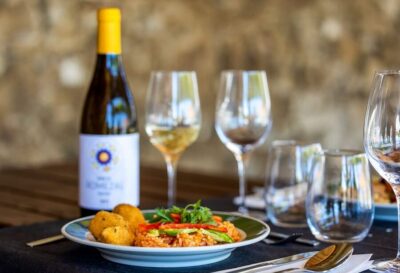
From Porto: Douro Valley w/ Boat Tour, Wine Tasting & Lunch
Read our review →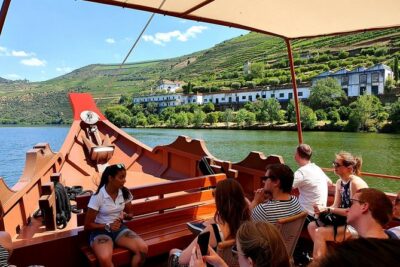
Complete Douro Valley Wine Tour with Lunch, Wine Tastings and River Cruise
Read our review →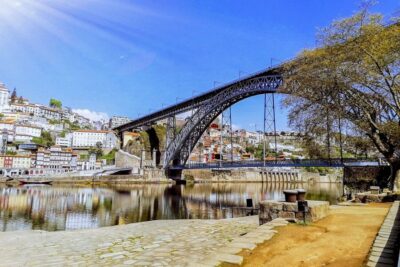
Porto: Live Fado Show with Glass of Port Wine
Read our review →