Reviewed · TOURS
Matosinhos: Conservas Pinhais Factory Tour
The most interesting part of this Matosinhos tour is that Pinhais still makes its preserves by hand. Inside a centenary building, you see the factory at work, learn how fresh fish and carefully chosen ingredients become tins, and try wrapping one yourself.
I like the honest look at the people behind the product, especially the workers hand-packing the tins. I also like the ending: a tasting of sardines or other fish preserves with bread and a glass of wine. The main consideration is timing. The production floor follows that day’s work plan, so you may not see fish being handled.
In This Review
- Key points
- Why a Sardine Cannery Makes a Good Porto Excursion
- Arriving at Av. Menéres 700
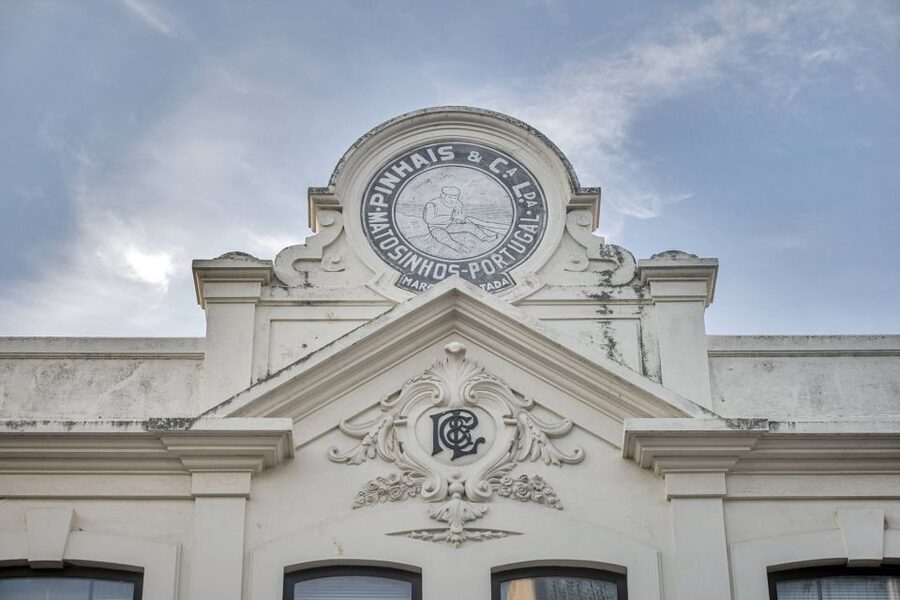
- The Centenary Building and Pinhais Family Story
- Inside the Production Floor
- The Old Workshop and Your Own Tin
- Sardines, Bread, and Wine at the Can-Tin Café
- The Pinhais Shop and What to Buy
- Weekday and Weekend Visits Are Different
- Who Will Enjoy This Tour Most
- Guide Quality and the Human Side of Pinhais
- Practical Value at $30
- Should You Book the Pinhais Factory Tour?
- FAQ
- Where does the Conservas Pinhais Factory Tour begin?
- How long does the tour last?
- What language is the tour in?
- Is the tour wheelchair accessible?
- Is food included?
- Can I see sardines being prepared?
- What happens on weekend or holiday visits?
- What must I put in the lockers?
Key points
- See traditional hand production: Watch experienced workers carry out the steps that make Pinhais different from a fully automated cannery.
- Wrap your own tin: Every participant gets a hands-on chance to finish a sardine tin in the old workshop.
- Taste the finished product: Sample Pinhais fish preserves with bread and a glass of wine or a soft drink.
- Meet a family company: The tour explains Pinhais’s long working tradition and its focus on employees, quality, and local sourcing.
- Visit a real working factory: Weekday tours may show the production floor in full activity, while weekend visits explore factory areas during the workers’ break.
- Plan for lockers: Bags, backpacks, food, drinks, medicine, and jewelry must be stored before the factory visit.
Why a Sardine Cannery Makes a Good Porto Excursion
Matosinhos is known for its fishing culture, seafood, and position beside Porto, but it is easy to experience only through a restaurant table. The Pinhais Factory Tour gives you the missing middle: you see how a traditional Portuguese fish product is made before you taste it.
This is not a modern food museum with machines running for show. It is a working company with an old production method, an active staff, and a product that still depends on the catch, the ingredients, and careful human handling. That makes the visit feel grounded in local life.
At about $30 per person, the price is fair if you enjoy food production, Portuguese culture, or small family companies. You are paying for a 1.5-hour visit, an English-speaking guide, protective clothing, headsets, the wrapping activity, a tasting, and access to the shop. A simple tasting would cost less, of course, but it would not explain the labor and decisions behind the tin.
A few more Porto outings to weigh up
- The Unvanquished Tour in Porto City Center
★ 5.0 · 26,497 reviews - From Porto: Douro Valley w/ Boat Tour, Wine Tasting & Lunch
★ 4.7 · 19,061 reviews - Complete Douro Valley Wine Tour with Lunch, Wine Tastings and River Cruise
★ 5.0 · 12,920 reviews
Arriving at Av. Menéres 700
The meeting point is Av. Menéres 700 in Matosinhos. Before the tour begins, you need to exchange your voucher at the ticket counter. Allow enough time for that step rather than arriving at the last minute.
The factory visit lasts about one hour, while the full experience takes around 1.5 hours. That extra time covers the introduction, the hands-on wrapping, the tasting at the Can-Tin Café, and the shop. Starting times vary, so check the available slot when booking.
Pinhais provides protective clothing and headsets. The headsets matter because factory floors can be noisy, and they let you hear the guide without standing shoulder to shoulder around the machinery. The tour is offered in English with a live guide and an English audio guide.
You must place food, drinks, medicine, jewelry, backpacks, bags, and suitcases in lockers. Wear clothing and shoes that you do not mind covering with protective gear. The locker rule may feel strict, but it keeps the production area cleaner and makes movement around the factory safer.
The Centenary Building and Pinhais Family Story
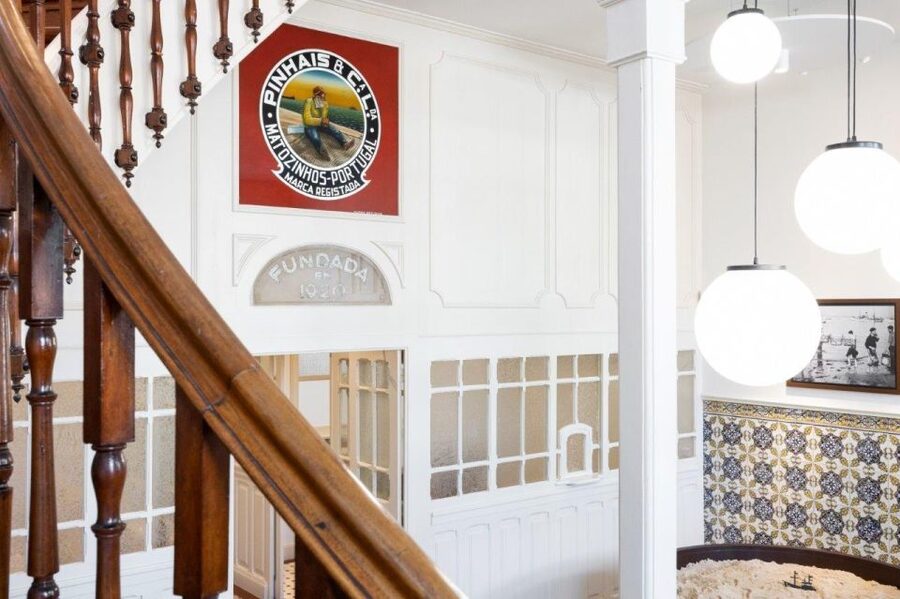
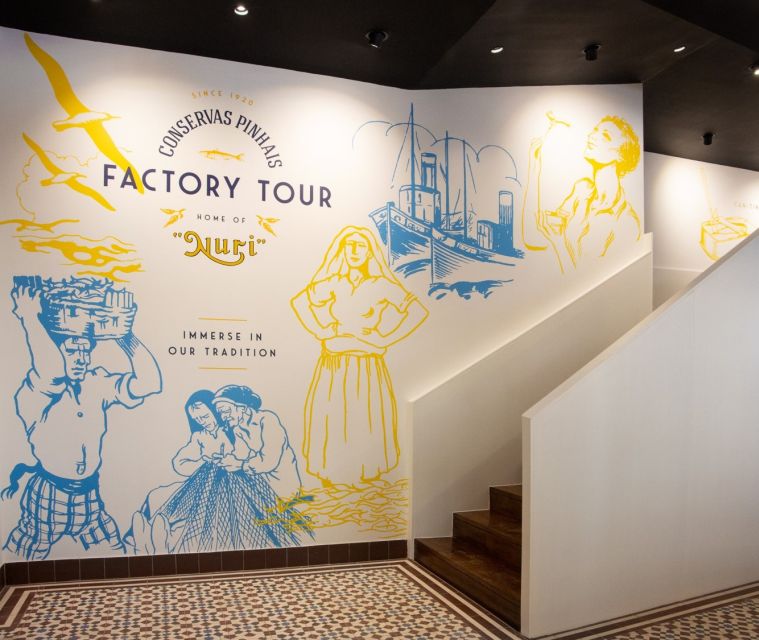
The tour begins in the older parts of the building. Here, the guide sets out the story of Pinhais as a family company shaped by commitment, resilience, and the people who have worked there over many years.
The history lesson is useful because it explains why the factory’s methods matter. Pinhais is not simply selling a decorative tin with a nostalgic label. Its identity depends on keeping a traditional production process alive.
The presentation also gives you a better way to read the company’s values. The tour places attention on staff, craft, and product quality rather than only on output. That human focus was one of the most memorable elements for many people who took the tour, and it helps you see the factory as a workplace rather than a staged attraction.
Audiovisual material adds context before you enter the production areas. This is a good arrangement. You first learn what you are looking at, then see the real process with a guide who can connect the old methods to the work happening that day.
Inside the Production Floor
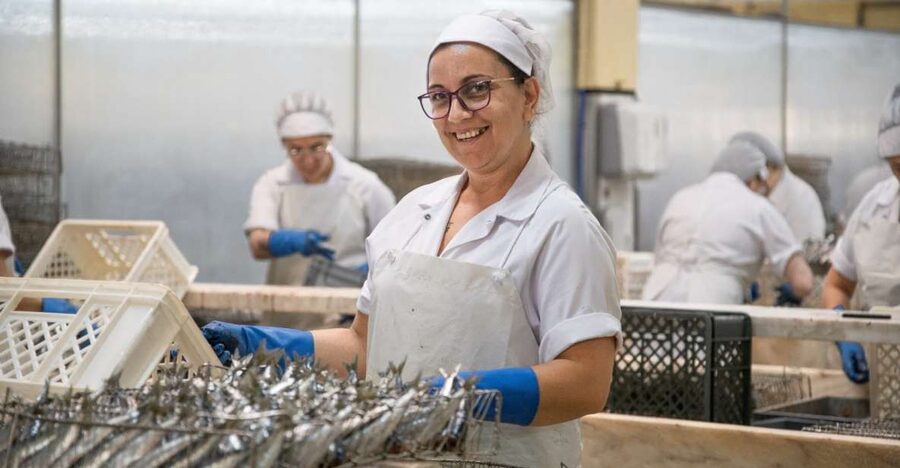
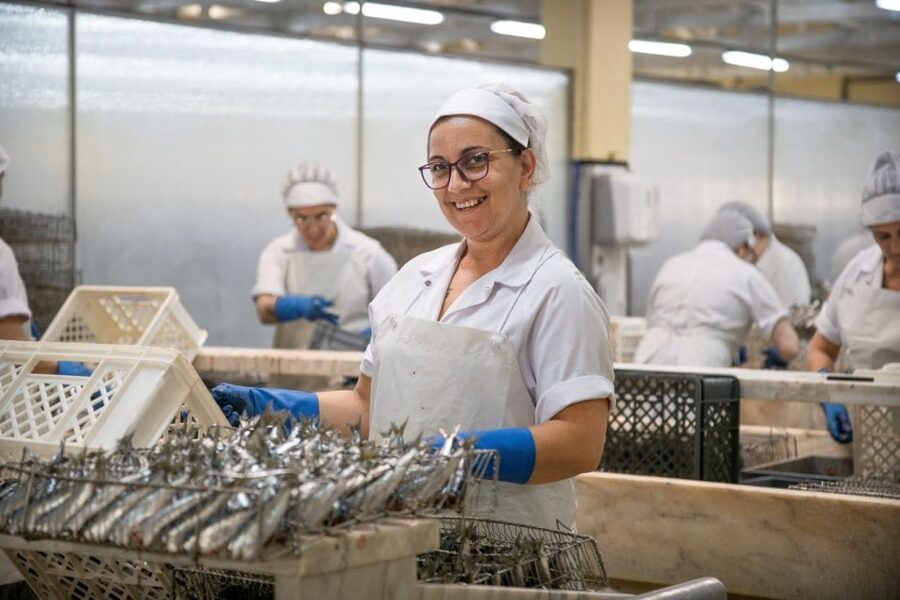
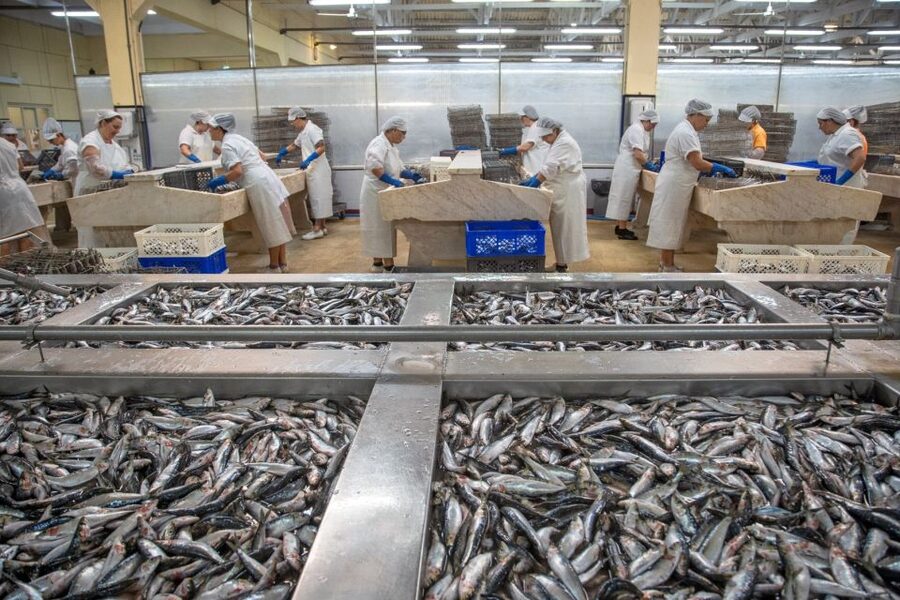
The central part of the visit takes you onto the production floor. On weekday tours from Monday through Friday, you may see workers carrying out the planned activity in plain view. This is where the tour earns its price.
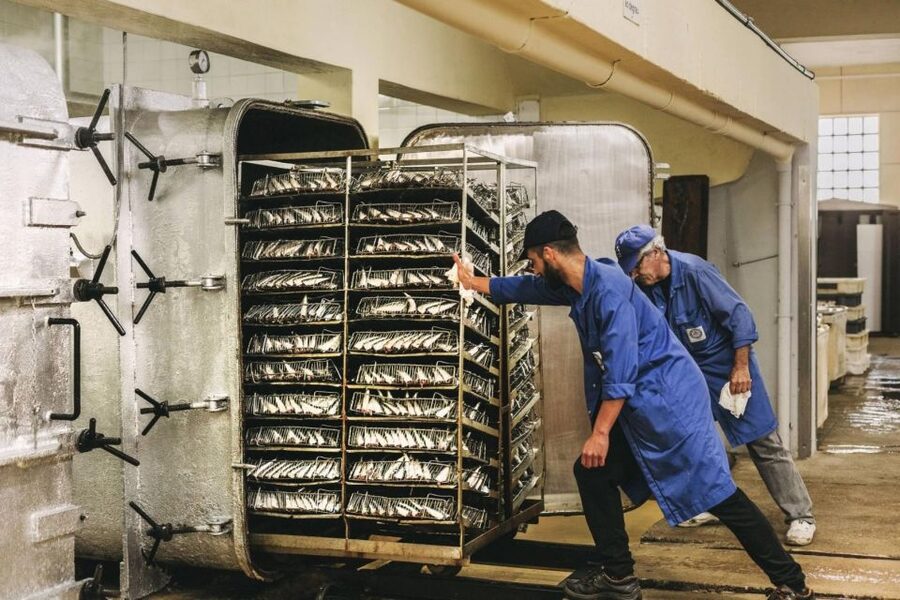
You can watch the steps of the artisanal process and see how much depends on experienced hands. The company uses fresh fish and selected ingredients, and workers carry out the process with care. The work is not presented as a quick industrial sequence. It is a series of tasks that rely on judgment, repetition, and skill.
The exact activity varies. Pinhais plans the factory visit around the production schedule for that day, and the company cannot promise that you will see fish being handled. Sardine catch limits also affect what is taking place. If seeing fresh fish enter the line is essential to you, keep that limitation in mind.
This uncertainty is not a flaw in the tour so much as a fact of visiting a working cannery. You are seeing the factory as it operates, not a performance arranged around every booking. On some dates, the most useful part may be watching packing or another stage of production rather than the fish preparation itself.
The presence of the workers gives the visit its strongest sense of place. You are not just looking at old equipment behind glass. You are seeing women and other experienced staff carry out a method that has been handed down through the company’s long working life.
A different sort of Porto day altogether:
- Porto: Six Bridges Cruise
★ 4.2 · 11,680 reviews - Porto: Live Fado Show with Glass of Port Wine
★ 4.8 · 6,498 reviews - Porto: 6 Bridges Douro River Cruise
★ 4.3 · 6,472 reviews - Porto: Torre dos Clerigos Entrance Ticket
★ 4.6 · 6,395 reviews
The Old Workshop and Your Own Tin
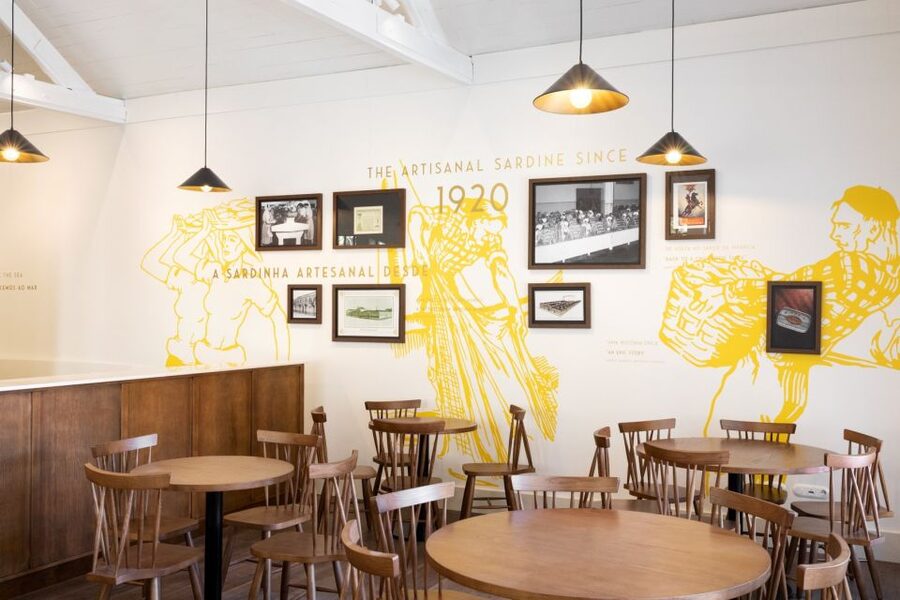
After the production-floor visit, the group moves through the old factory workshop. This area helps connect the past method with the company’s current identity.
Then you get to wrap your own tin. This is a small activity, but it changes the tour from a lecture into something you physically remember. You handle the packaging and get a better feel for the care that goes into the finished product.
The wrapping activity is included for everyone. It works well for families, couples, and food-minded adults because it does not require specialist knowledge. You simply follow the instructions and try to make your tin look presentable.
Do not expect a full lesson in every part of fish processing from this activity. Its purpose is to show you one traditional task and give you a personal connection to the product. The production-floor visit provides the wider explanation.
Sardines, Bread, and Wine at the Can-Tin Café
The tasting is the reward at the end, and it is more substantial than a token sample. You taste Pinhais fish preserves with bread and a glass of wine, or a soft drink if you prefer.
The tasting can include sardines and other preserved fish, with different seasonings available depending on what is being served. Spicy sardines in olive oil have been a particular favorite, and the tasting gives you a clear sense of the difference careful preparation can make.
If you are not sure you like sardines, this is still a useful test. The fish is served in a setting designed to make the product approachable, rather than handed over as an anonymous bite. You can compare the texture and seasoning, then decide if you want to buy a few tins.
The café setting also gives the group a chance to sit down after the factory walk. A glass of Portuguese wine makes sense here, but the soft drink option keeps the tasting suitable for people who do not drink alcohol.
One practical tip: do not eat a large lunch immediately before the tour. The tasting includes sardines, bread, and a drink, so it is enough to count as a light meal for some people. If you are particularly interested in the food, save room for it.
The Pinhais Shop and What to Buy
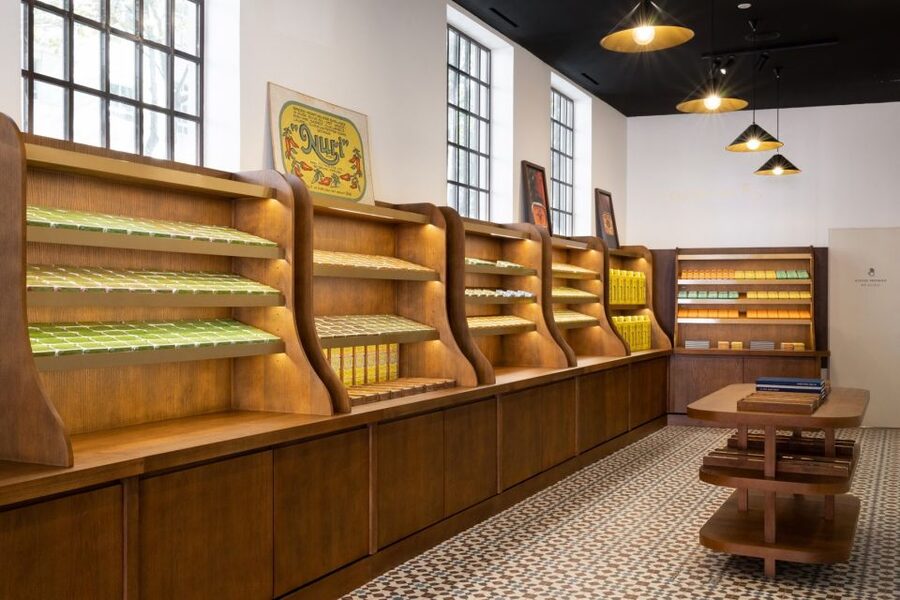
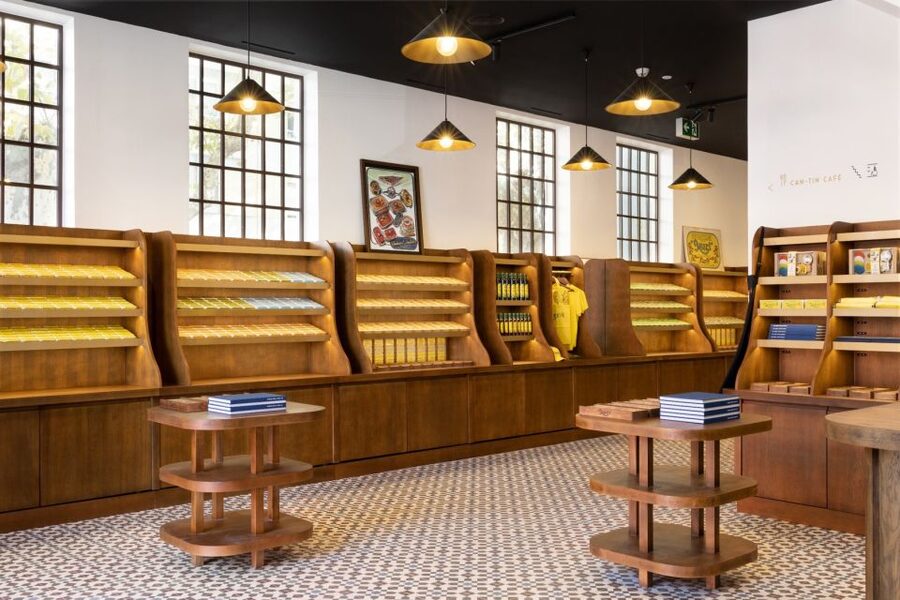
The final stop is the iconic Pinhais Shop. This is where you can buy the preserves you tasted, along with other tins such as sardines and mackerel.
Shopping makes more sense after the tour because you know what you are buying. Rather than choosing a tin only for its artwork, you can look for a flavor you actually enjoyed. The spicy olive oil sardines are a good starting point if you prefer stronger seasoning.
The shop also lets you take home a useful Portuguese food souvenir. Tinned fish travels well, lasts a long time, and is easier to pack than fresh seafood. Keep airline and customs rules in mind if you are carrying food across borders, since those rules depend on your destination.
The tour does not pressure you to buy. The shopping stop is part of the factory experience, but the value of the visit comes from the history, production floor, wrapping activity, and tasting even if you leave with nothing.
Weekday and Weekend Visits Are Different
The timing of your visit affects what you see. From Monday through Friday, the tour can include the production floor while workers are active. You may watch the planned task for that day and see the traditional method in use.
On Saturdays, Sundays, national holidays, and after-hours visits, the workers are on their weekly break. You still tour historical areas, view audiovisual material, visit the production floor, and explore exclusive factory areas, but the emphasis shifts from watching production to feeling and handling parts of the traditional method yourself.
Neither format is automatically better. A weekday visit is the stronger choice if you want to observe the staff at work. A weekend or after-hours visit may suit you if the hands-on side and access to less commonly seen areas matter more.
Book with realistic expectations. The factory cannot guarantee a particular production stage, and the fish catch affects the schedule. That is worth knowing before you arrive, especially if you have visited food factories where every step is displayed on demand.
Who Will Enjoy This Tour Most
I would choose this tour if you like food traditions, working factories, Portuguese history, or small companies with a strong sense of identity. It is also a good pick for people who enjoy tasting local products but want more context than a restaurant can provide.
Families can make good use of the wrapping activity, and the headsets help keep the explanation clear for the whole group. The tour is wheelchair accessible, which makes it a practical option for many visitors, though the locker requirements still apply to everyone.
You do not need to be a sardine expert. The tour explains the product from the beginning, and the tasting gives you a chance to decide what you think. If you already love tinned fish, you will have even more reason to linger over the production details and shop selection.
This may not be the best choice if you dislike fish, have no interest in food production, or want a fast sightseeing stop. The tour spends real time on the company’s story and methods. Its appeal comes from attention to process, not from a long list of city views.
Guide Quality and the Human Side of Pinhais
The guide shapes the experience. Roberto has been a particularly warm and engaging presence on this tour, combining clear explanations with a friendly manner. Other guides also focus on the history, production steps, and people who keep the factory running.
The strongest explanations connect three things: the fishing industry in Portugal, Pinhais’s family culture, and the work done by hand. That combination keeps the tour from becoming a dry manufacturing lesson.
I also appreciate that the tour shows pride in the factory’s employees. You see the staff working, hear about the company’s values, and learn how the product reaches the tin. That makes the tasting feel more meaningful because you understand the human effort behind it.
Practical Value at $30
The $30 ticket gives you more than an hour of guided explanation. You receive protective clothing, a headset, the factory visit, a personal wrapping activity, a tasting with bread and a drink, and the shop visit.
The value is strongest when you treat this as a cultural food experience rather than a quick attraction. You are paying for access to a working production site and a traditional method that you would not normally see from the street.
The tour also offers free cancellation up to 24 hours before the start and a reserve-now, pay-later option. Those terms are useful if your Porto schedule is still shifting. Check the available times before booking, since the full visit lasts 1.5 hours even though the guided factory portion is listed at about one hour.
Should You Book the Pinhais Factory Tour?
Yes, if you want a thoughtful Matosinhos activity that combines local industry, food, and hands-on work. The best reasons to book are the working production floor, the traditional wrapping task, the excellent tasting, and the chance to see how a family company keeps an old method in daily use.
Choose a weekday if watching employees work is your top goal. Choose a weekend or after-hours time if you are happy to explore the factory during the workers’ break and take part in the hands-on side.
Skip it only if fish preserves hold no appeal or you want a purely scenic attraction. For everyone else, the Pinhais Factory Tour is a well-priced way to understand one of Portugal’s most familiar foods, then take a few tins home for later.
FAQ
Where does the Conservas Pinhais Factory Tour begin?
The meeting point is Av. Menéres 700 in Matosinhos, in Portugal’s Norte Region. Exchange your voucher at the ticket counter before the tour starts.
How long does the tour last?
The complete experience lasts about 1.5 hours. The guided factory visit itself takes about one hour, with additional time for the wrapping activity, tasting, and shop.
What language is the tour in?
The tour has a live English-speaking guide and includes an English audio guide.
Is the tour wheelchair accessible?
Yes, the activity is listed as wheelchair accessible.
Is food included?
Yes. The tasting includes Pinhais fish preserves, and you receive a glass of wine or a soft drink. Bread is also served with the tasting.
Can I see sardines being prepared?
You may see different production activities depending on the factory schedule. Pinhais cannot guarantee that visitors will see fish being handled because the daily plan and sardine catch limits affect production.
What happens on weekend or holiday visits?
On Saturdays, Sundays, national holidays, and after-hours visits, the workers are on their weekly break. You still visit the historical areas, audiovisual displays, production floor, old workshop, wrapping activity, tasting, café, and shop, with more focus on exploring exclusive areas and handling the traditional method yourself.
What must I put in the lockers?
Food, drinks, medicine, jewelry, backpacks, bags, and suitcases must be stored in the lockers during the factory visit. Protective clothing is provided.
Latest reviews around Porto
- Private Walking Tour, highlights and secrets of Porto★ 3.9 · 3 reviews
- Portuguese Wine Tasting w Local Cheese & Cold Cuts pairing★ 5.0 · 3 reviews
- Private Porto Half-Day Tour – Wine Cellars & Cheese Tasting★ 5.0 · 3 reviews
- From Peso da Régua: Visit 3 wineries, tasting and viewpoint★ 5.0 · 3 reviews
- Porto: Full-Day All-Inclusive Private City Sightseeing Tour★ 4.3 · 3 reviews
- Small Painting Group with a Local Artist in Porto★ 5.0 · 3 reviews
- From Arouca: Paiva River Rafting Adventure – Adventure Tour★ 5.0 · 3 reviews
- Private Tour to Santiago de Compostela and its stunning Cathedral★ 5.0 · 3 reviews
Tours, compared.

From Porto: Douro Valley w/ Boat Tour, Wine Tasting & Lunch
Read our review →
Complete Douro Valley Wine Tour with Lunch, Wine Tastings and River Cruise
Read our review →
Douro Valley: Wine Tour with Lunch, Tastings & River Cruise
Read our review →
Porto: Guided Tour by Tuk-Tuk & Optional Douro River Cruise
Read our review →
Authentic Small Group Douro Wine Tour with Lunch & River Cruise
Read our review →
Porto: Cálem Cellar Tour, Interactive Museum & Wine Tasting
Read our review →