
Reviewed · PORT WINE CELLAR TOURS
Port wine & wine walking tour with culture – max 8 pax
Port’s wine story makes much more sense when you walk through it. This small-group tour links Porto’s taverns, riverfront, Dom Luís Bridge, and Gaia’s cellars with six regional wines, including Vinho Verde, Douro DOC, and three styles of Port. Guide Verena brings the wine knowledge, local contacts, and easy humor.
I like the maximum group of eight, which gives the walk a personal feel rather than a herd-with-headsets pace. I also like the route’s range: you get a local tavern, a Douro wine stop, views from Gaia, and a family-owned Port producer instead of only one formal cellar.
The main catch is physical. You walk downhill through Porto, cross the Dom Luís Bridge, and continue around Gaia, often on uneven streets and slopes. The tour runs in rain or sunshine, is not suitable for people with mobility impairments, and is limited to those aged 19 and over.
In This Review
- Key points to know before you book
- Why the wine walk works better than a cellar visit alone
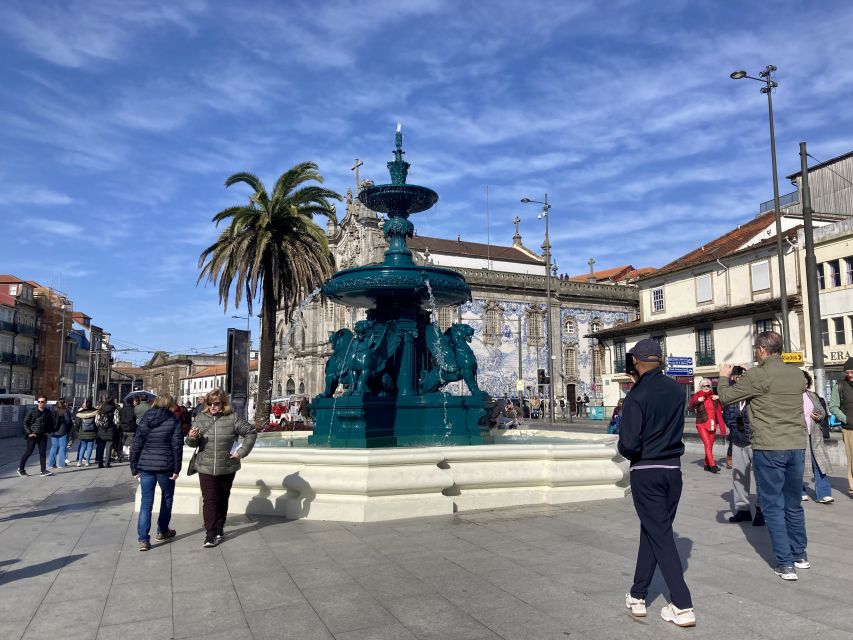
- Meeting Verena at Praça da Trindade
- Starting with Vinho Verde at a Porto tavern
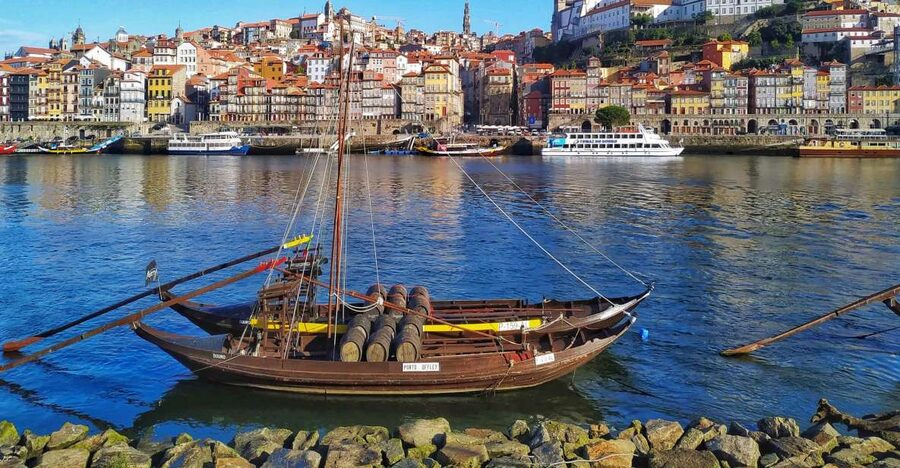
- Walking down to Ribeira and the Douro
- Crossing Dom Luís Bridge for the best river views
- Finishing with three Ports at a family-owned producer
- What the feedback tells me about the guide
- Who should book this Porto to Gaia walk
- Should you book it?
- FAQ
- How long does the wine walking tour last?
- Where does the tour begin?
- Where does the tour finish?
- Which wines are included?
- What languages are available?
- How large is the group?
- Can I join if I am under 19 or have mobility limitations?
Key points to know before you book
- Three wine regions in one afternoon: Taste Vinho Verde from northern Portugal, one Douro DOC wine, and three types of Port.
- Verena is the named guide: Her relaxed, humorous style and strong wine knowledge are repeatedly praised in the feedback provided.
- A real walking route: Start at Praça da Trindade, pass through central Porto and Ribeira, cross Dom Luís Bridge, and finish at Cais de Gaia.
- Local stops matter: The first tasting takes place at a Porto tavern with regional specialties, and the Port tasting is held at a family-owned producer.
- Small groups keep it conversational: The limit is eight people, with some outings running with only four participants.
- Plan for hills and weather: Comfortable shoes are essential, and the walk goes ahead in rain or sunshine.
Why the wine walk works better than a cellar visit alone
Porto can feel like two cities joined by a river. Porto rises above the Douro on one side, while Vila Nova de Gaia holds the famous Port houses on the other. A wine tasting in only one building gives you a drink, but this route connects the drink to the streets, viewpoints, taverns, and river crossing that make the subject easier to understand.
The tour begins in Porto and ends in Gaia, so you are not retracing your steps. That is useful on a short visit because the walk doubles as an introduction to the city’s center. You get a basic sense of how Praça da Trindade, Ribeira, the Douro, Dom Luís Bridge, and Cais de Gaia fit together.
At $69 per person, the value depends on how you use it. You are paying for three to 3.5 hours, a live guide, a group capped at eight, and six wine experiences from small producers and local venues. It is not the cheapest way to buy wine in Porto, but it combines tastings with orientation and cultural explanation. If you would otherwise book a separate city walk and a Port tasting, the price looks more reasonable.
The tour also has a useful advantage for curious drinkers: it does not treat Port as the whole wine story. You start with Vinho Verde, move to a wine from the Douro Valley, and finish with Port. That sequence helps you compare the northern region’s different styles rather than tasting three similar fortified wines and calling it a day.
More port wine cellars to visit:
- Porto: Live Fado Show with Glass of Port Wine
★ 4.8 · 6,498 reviews - Porto: Cálem Cellar Tour, Interactive Museum & Wine Tasting
★ 4.5 · 4,113 reviews - Porto: Cálem Cellar Tour, Fado Show & Wine Tasting
★ 4.4 · 3,530 reviews
Meeting Verena at Praça da Trindade
Your starting point is the fountain between Trindade Church and the back of Porto’s city hall, close to Trindade Metro Station. This is a practical meeting spot, especially if you are staying in central Porto or arriving by metro.
The first part is a short guided walk of about ten minutes. Think of it as a gentle start rather than a major sightseeing segment. The useful part is getting the group together and beginning the conversation before the first tasting.
Verena is the guide named in the feedback supplied for this experience. Her strengths are clear: wine expertise, a friendly manner, and the ability to keep explanations relaxed rather than turning the afternoon into a lecture. She also speaks English and German, so check the available departure when booking if language matters to you.
The group size is a real benefit here. With no more than eight participants, you can ask why one Port tastes different from another, how Vinho Verde fits into Portuguese drinking habits, or which parts of Porto are worth returning to later. A larger group would make that sort of exchange slower and less personal.
Starting with Vinho Verde at a Porto tavern
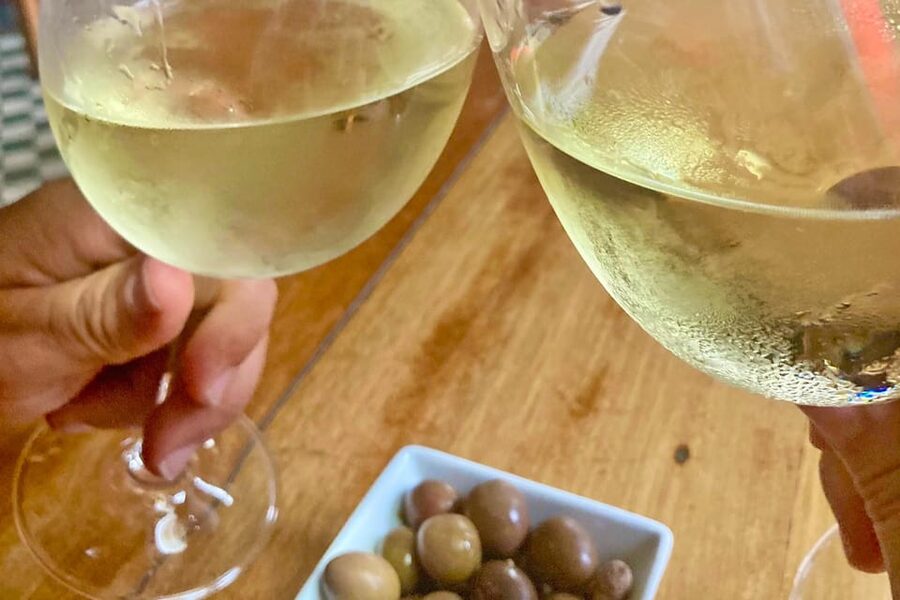
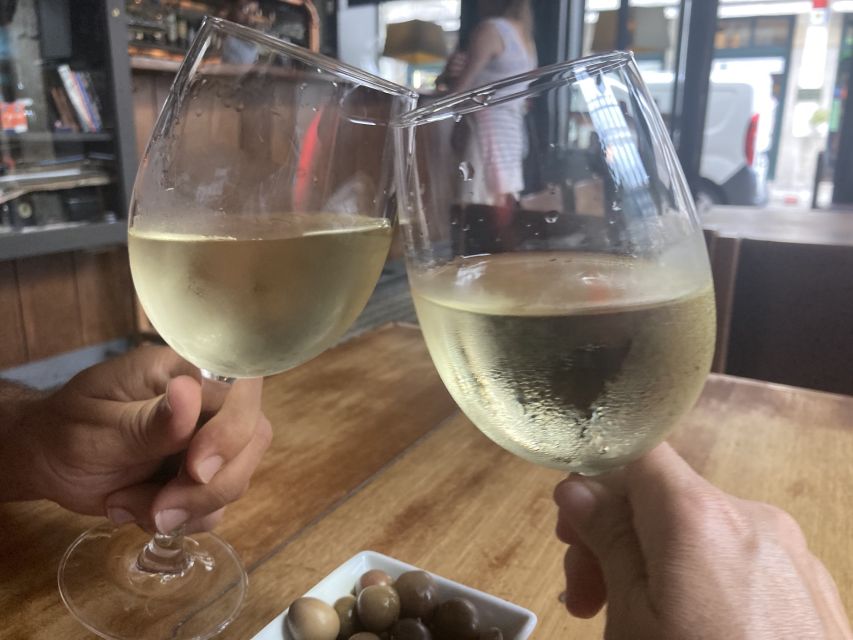
The first full stop lasts about 45 minutes at a local Porto tavern focused on regional specialties. This is where the tour introduces Vinho Verde, often translated as green wine. The name refers to the wine region and its youthful style, not to a bright green color in your glass.
This opening tasting is smart because it breaks the idea that northern Portugal has only one famous wine. Vinho Verde is associated with freshness and easy drinking, while Port is fortified and usually richer and sweeter. Tasting the two in the same half-day gives you a useful point of comparison.
The tour description highlights the idea that you can drink green wine for breakfast. That should be taken as a playful way of describing its light, approachable character, not as a promise of a breakfast meal. The stop is centered on wine tasting and regional specialties.
A local tavern also changes the mood. You are not beginning in a polished visitor center, but in a place connected to everyday food and drink in Porto. The exact dishes are not specified, so do not book this expecting a full meal. Treat the food as a regional accompaniment to the wine.
This is one of the places where the small group helps. Verena can explain the wine in plain terms and connect it to northern Portuguese culture. The feedback provided often praises her ability to give both familiar sights and less obvious local stops, so you should expect the cultural side to matter as much as the tasting.
Walking down to Ribeira and the Douro
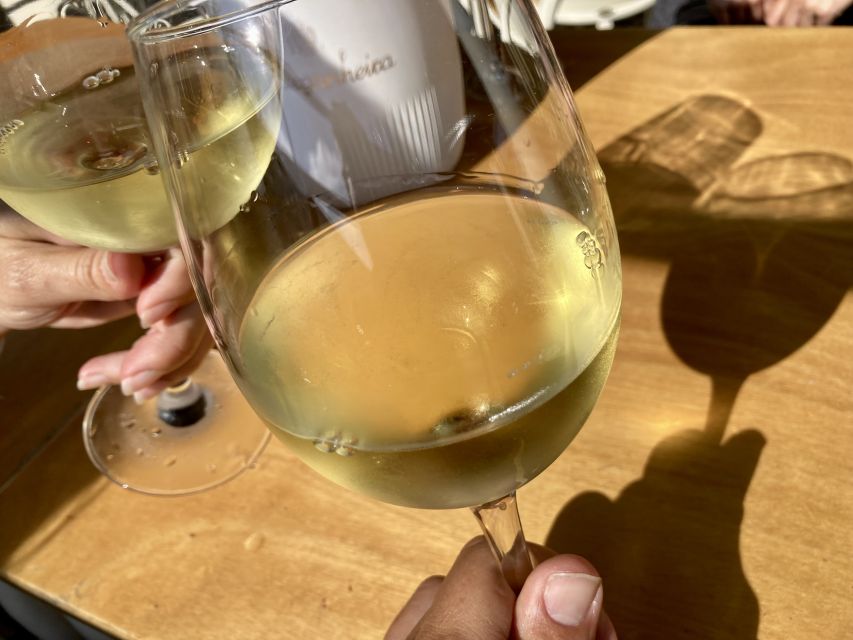
After the first tavern, the route continues through Porto’s historic center toward Ribeira. The listed walking section takes about 15 minutes, followed by a second local bar visit and then another 30-minute guided walk around Ribeira.
The schedule is not a nonstop march. You have time to look around, hear context, and move between tastings. That matters because Porto’s central streets are hilly and paved in ways that can be tiring if you rush them.
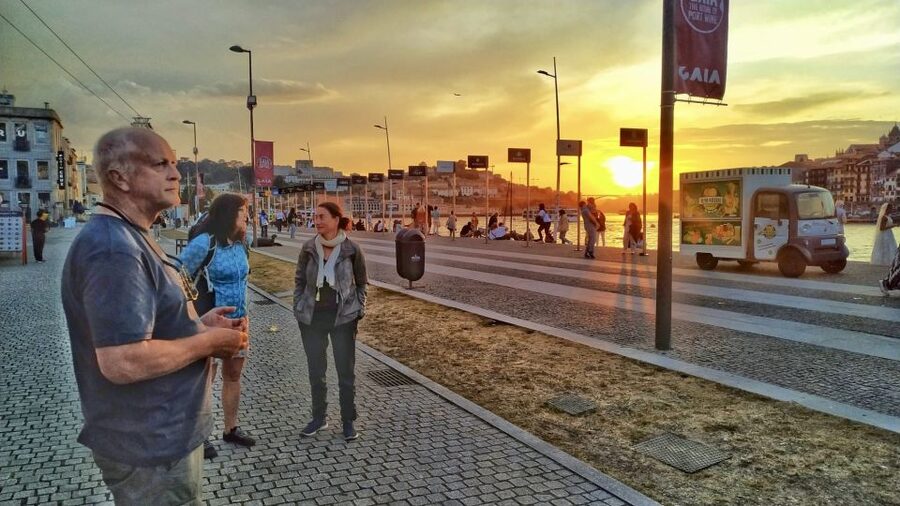
Ribeira is the natural stage for the city’s relationship with the Douro. From here, the route brings you toward the river, where the old city, boats, bridges, and Gaia sit within the same view. The experience description promises both major sights and less obvious corners, though it does not name each one. You should expect a blend of familiar Porto scenery and guide-led discoveries rather than a fixed list of monuments.
The second bar stop includes a guided visit and one glass of Douro DOC wine from the Douro Valley. This is an important bridge in the tasting sequence. You have already tried Vinho Verde, and now you can see how a still wine from the Douro fits beside both Vinho Verde and Port.
The Douro Valley is best known internationally for Port, but the region also produces table wines. A Douro DOC tasting lets you consider the source region beyond its fortified export. The stop lasts about 45 minutes, giving Verena room to explain the wine and the area without squeezing the information into a quick sample at a counter.
There is one practical point to keep in mind: the supplied information does not specify the exact bar, food pairing, or wine producer at this stage. The clear promise is one glass of Douro DOC and a guided stop, not a full second meal or a large flight of wines.
More Porto wine tastings worth an afternoon:
- From Porto: Douro Valley w/ Boat Tour, Wine Tasting & Lunch
★ 4.7 · 19,061 reviews - Complete Douro Valley Wine Tour with Lunch, Wine Tastings and River Cruise
★ 5.0 · 12,920 reviews - Douro Valley: Wine Tour with Lunch, Tastings & River Cruise
★ 4.6 · 6,081 reviews - Douro Valley: Historical Sites, Wine Experience, Lunch & Cruise
★ 5.0 · 5,133 reviews
Crossing Dom Luís Bridge for the best river views
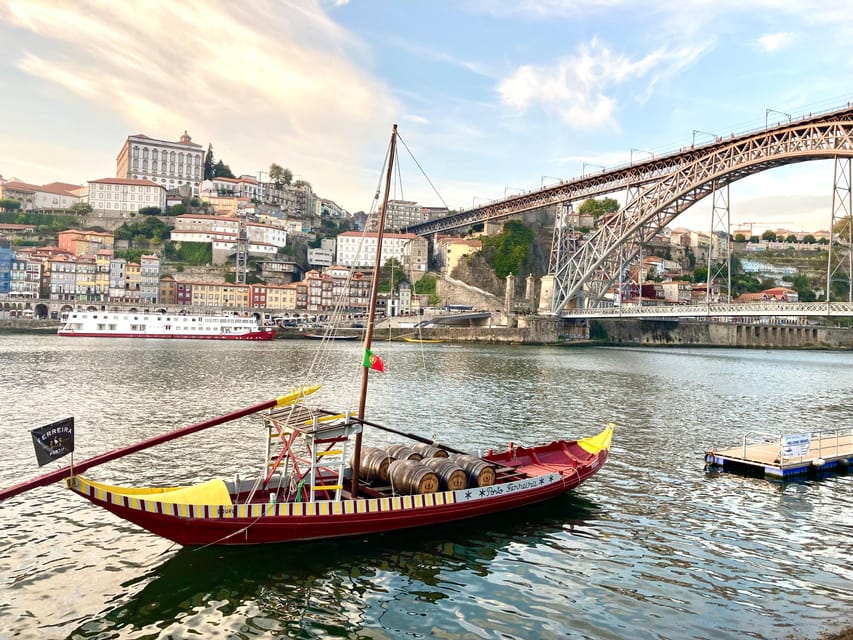
From Ribeira, the route continues along the river and then crosses Dom Luís Bridge. The bridge section itself is listed as about ten minutes, followed by a 20-minute walk and photo stop around Cais de Gaia.
This is one of the walk’s strongest design choices. You do not simply hear that Port is linked with Gaia. You physically move from Porto to the side of the river long associated with Port production and storage. The crossing gives the wine story a clear sense of place.
The views are a major reason to bring a camera, although the tour does not promise a special photography session. Cais de Gaia offers broad views back toward Porto, including the riverfront and the rising city. Verena guides the group and allows time for photos before the final tasting.
The bridge and riverfront also bring the tour’s main physical demands into focus. Porto is not flat, and Gaia has its own slopes. Comfortable shoes are not a throwaway suggestion here. Wear footwear that handles cobbles and inclines, and avoid treating this as a dressy wine event.
Rain does not cancel the basic concept. The tour runs in rain or sunshine, so bring weather protection when the forecast calls for it. Poor weather may reduce the pleasure of the river views, but one positive point is that the route remains centered on indoor tasting stops as well as outdoor walking.
Finishing with three Ports at a family-owned producer
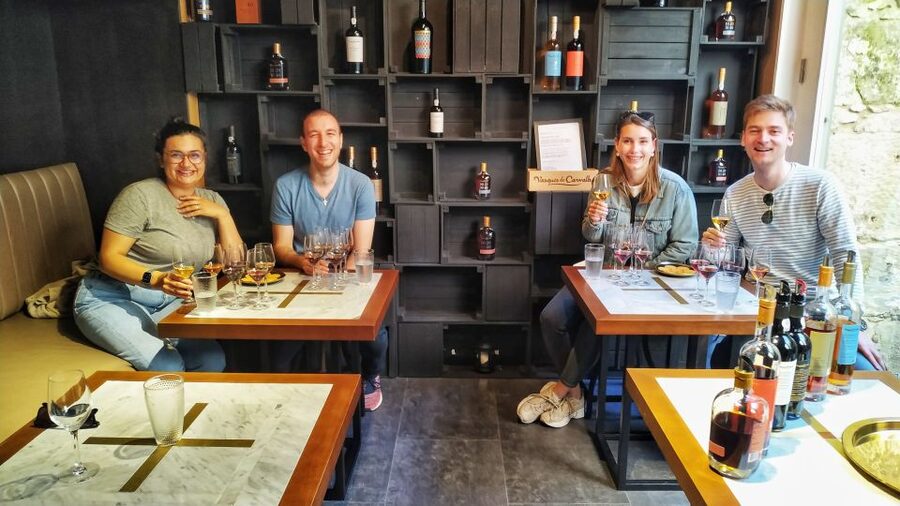
The final 45-minute stop takes place at a winery in Gaia for three different Port wines and nuts. This is the tour’s main Port lesson, and it is where the afternoon’s earlier tastings should begin to click.
Three Ports give you more useful information than one glass. You can compare the styles directly and ask how production, aging, and sweetness affect the result. The supplied details do not name the exact Port categories, so do not assume the tasting includes specific labels such as Tawny, Ruby, or Vintage Port. What is confirmed is three different types from a family-owned producer.
The family-owned setting is another plus. It gives the tasting a smaller-scale feel than a quick stop at a major commercial brand. The tour focuses on what makes Port special and how it is produced, so this is the point to ask the practical questions you may not get answered on a self-guided cellar visit.
Nuts are included with the Port tasting. That is a modest pairing, not a meal, and you should plan lunch or dinner separately. Still, it gives you something to eat during the strongest wine portion of the walk.
The tour ends at Cais de Gaia. That leaves you in a useful area for an evening drink, a meal, or more riverfront exploring. The end point is not back at Trindade, so make sure your plans account for finishing across the river. The route itself makes this one-way finish worthwhile.
What the feedback tells me about the guide
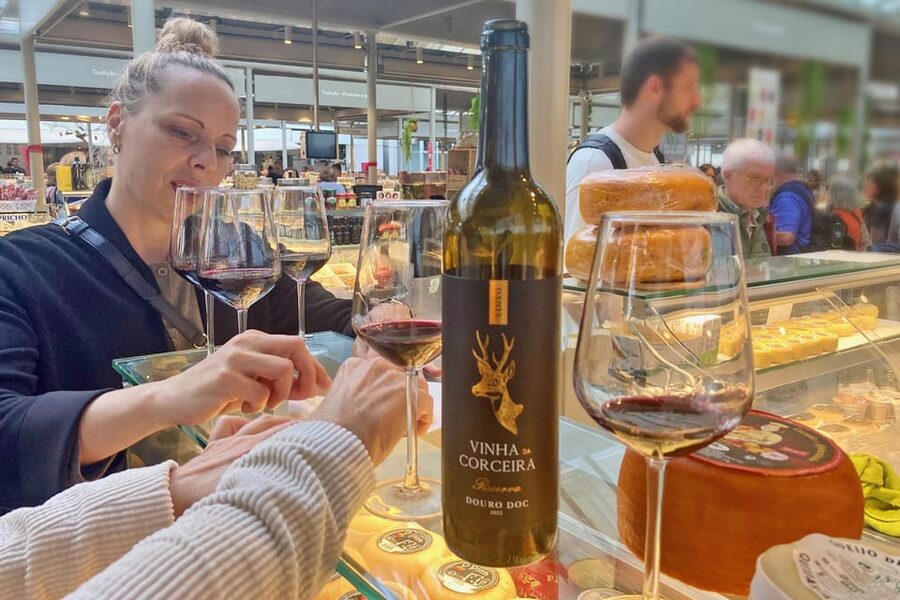
The clearest pattern in the supplied feedback is praise for Verena. People describe her as friendly, funny, informative, and especially good at creating a personal atmosphere in a very small group.
One outing with four participants reportedly ran about an hour over the planned time because Verena took her time and shared tips away from the most tourist-focused places. That is encouraging if you prefer a flexible host who follows the group’s questions. It also means you should not schedule a tight appointment immediately after the stated 3 to 3.5 hours.
The comments also point to a balance between well-known Porto sights and quieter corners. That is more useful than a guide who gives only a list of monuments. You get the basic city story, but also local suggestions that may help you choose where to eat or what to see next.
The tone appears to be informal and social. You will likely get more from this tour if you enjoy asking questions and comparing impressions with a small group. If you want a highly scripted, strictly timed presentation, the relaxed style may feel less predictable.
The available rating is 5 from 36 reviews, with repeated praise for the guide’s knowledge, warmth, and ability to make the afternoon enjoyable in poor weather. Ratings are only one part of the decision, but here they line up with the specific benefits promised by the format: small groups, local stops, and a guide who explains rather than recites.
Who should book this Porto to Gaia walk
I would recommend this to an adult who wants wine, walking, and local context in one compact experience. It suits a first visit to Porto because the route introduces both sides of the Douro and finishes in Gaia, where you can continue exploring on your own.
It is also a good choice if you are curious about the difference between Vinho Verde, Douro wine, and Port. The tasting sequence has a clear purpose, and the six wines give you enough range to develop a preference rather than simply sample one famous drink.
You should think twice if you dislike hills, cobblestones, or outdoor walking in uncertain weather. The experience is not suitable for people with mobility impairments, pregnant women, or anyone under 19. Comfortable shoes are essential, and the route is not designed as a seated tasting from start to finish.
The tour is offered in English and German. Check the language when selecting a time, since the activity details do not indicate that other languages are available.
Free cancellation is available up to 24 hours before the start for a full refund, and you can reserve now and pay later. Those terms are useful if your Porto plans are still moving around, but the more important booking choice is the timing. Since tastings are spread through a walking route, an afternoon or early evening departure may shape the rest of your day.
Should you book it?
Book this tour if you want more than a Port cellar stop. You will taste six wines, walk from Porto to Gaia, see the Douro from both sides, and learn how regional drinks connect with northern Portuguese culture.
At $69, it offers fair value for a small group, three tasting locations, a live guide, and a one-way route through central Porto and Gaia. The strongest reason to choose it is Verena’s personal approach, backed by specific praise for her wine knowledge, humor, local tips, and willingness to spend extra time with the group.
Skip it if you need a short, fully seated activity or if you cannot manage slopes and uneven streets. For everyone else, this is a well-shaped introduction to Porto’s wine culture, with enough variety to keep the afternoon from tasting like the same glass repeated six times.
FAQ
How long does the wine walking tour last?
The tour lasts about 3 to 3.5 hours, though the timing may run longer if the guide spends extra time with the group.
Where does the tour begin?
It begins at the fountain between Trindade Church and the back of Porto’s city hall, close to Trindade Metro Station.
Where does the tour finish?
The walk ends at Cais de Gaia in Vila Nova de Gaia.
Which wines are included?
You taste Vinho Verde at a local Porto tavern, one glass of Douro DOC wine from the Douro Valley, and three different types of Port at a family-owned producer. Six quality wines are included in total.
What languages are available?
The live tour guide is available in English and German.
How large is the group?
The group is limited to eight participants. Some departures may have fewer people.
Can I join if I am under 19 or have mobility limitations?
No. The activity is not suitable for people under 19, pregnant women, or people with mobility impairments. You should also bring comfortable shoes because the route includes walking through Porto, across Dom Luís Bridge, and around Gaia.
More Walking Tours in Porto
- Porto Walking Tour, Lello Bookshop, River Cruise and Cable Car
★ 5.0 · 3,354 reviews - Experience Porto’s Charm: 3-Hour Guided Walking Tour
★ 5.0 · 2,432 reviews - Porto: 3-Hour Guided City Highlights Walking Tour
★ 4.8 · 2,050 reviews - Porto: Wine Tasting with Tapas Walking Tour
★ 4.4 · 1,541 reviews
Latest reviews around Porto
- Private Walking Tour, highlights and secrets of Porto★ 3.9 · 3 reviews
- Private Porto Half-Day Tour – Wine Cellars & Cheese Tasting★ 5.0 · 3 reviews
- Portuguese Wine Tasting w Local Cheese & Cold Cuts pairing★ 5.0 · 3 reviews
- From Peso da Régua: Visit 3 wineries, tasting and viewpoint★ 5.0 · 3 reviews
- Porto: Full-Day All-Inclusive Private City Sightseeing Tour★ 4.3 · 3 reviews
- Small Painting Group with a Local Artist in Porto★ 5.0 · 3 reviews
- From Arouca: Paiva River Rafting Adventure – Adventure Tour★ 5.0 · 3 reviews
- Private Tour to Santiago de Compostela and its stunning Cathedral★ 5.0 · 3 reviews
Port Wine Cellar Tours, compared.

Porto: Cálem Cellar Tour, Interactive Museum & Wine Tasting
Read our review →
Porto: Cálem Cellar Tour, Fado Show & Wine Tasting
Read our review →
Porto: Cockburn’s Port Lodge Tour and Tasting
Read our review →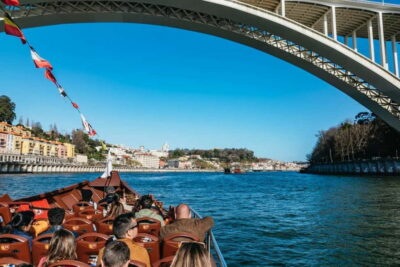
Porto: Bridges Cruise with Wine Cellar Tour or Sunset Option
Read our review →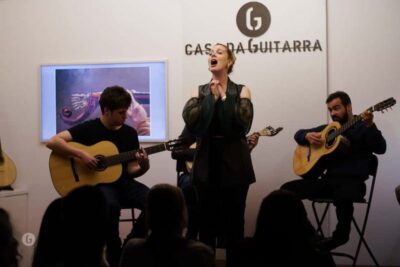
Porto: Authentic Fado Show, Port Wine & Handmade Instruments
Read our review →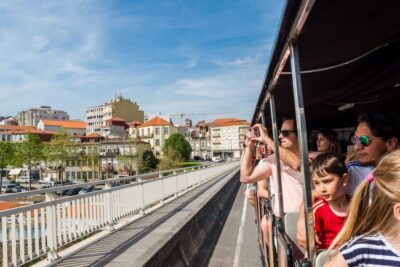
Porto: City Train Tour, River Cruise & Wine Cellar
Read our review →
Porto: Live Fado Concert with Glass of Tawny Port Wine
Read our review →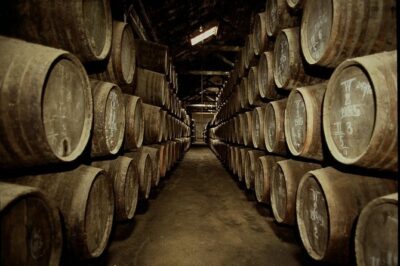
Port Wine Lodges Tour Including 7 Port Wine Tastings (English)
Read our review →Browse the lists this tour appears in