
Reviewed · PORT WINE CELLAR TOURS
Porto: Burmester Cellar Tour with Tasting & Pairing Options
Burmester Cellars gives you a quick, atmospheric introduction to Port wine right beside the Luís I Bridge. You walk through the historic cellar, hear how Douro wine becomes Port, then sit down for a tasting of two or three wines. It is a smart choice when you want a focused wine experience without giving up half a day.
I like the short, lively format and the location. Guides such as Hugo, Bruno, and Fernando have made a strong impression with clear explanations, humor, and genuine enthusiasm. I also like that the tasting helps you compare Port styles, including white, ruby, and tawny. The main drawback is that groups can be large, and a noisy group in the next room can make the guide harder to hear.
In This Review
- Key points to know before you book
- A short history lesson with a famous view
- What the cellar visit actually covers
- Port tasting: the part that gives the visit its purpose
- Is the premium chocolate option worth it?
- The Luís I Bridge makes the location a real advantage
- How the experience compares with a longer wine visit
- Group size, noise, and the pace of the tasting
- Buying a bottle after the tasting
- Who should book the Burmester Cellar Tour?
- Should you book it?
- FAQ
- Where does the Burmester Cellar Tour start?
- How long does the tour last?
- How many Port wines are included?
- Does the tour include chocolate?
- What languages are available?
- Can children attend the tour?
- Is there a staircase during the visit?
- Can I cancel for a refund?
Key points to know before you book
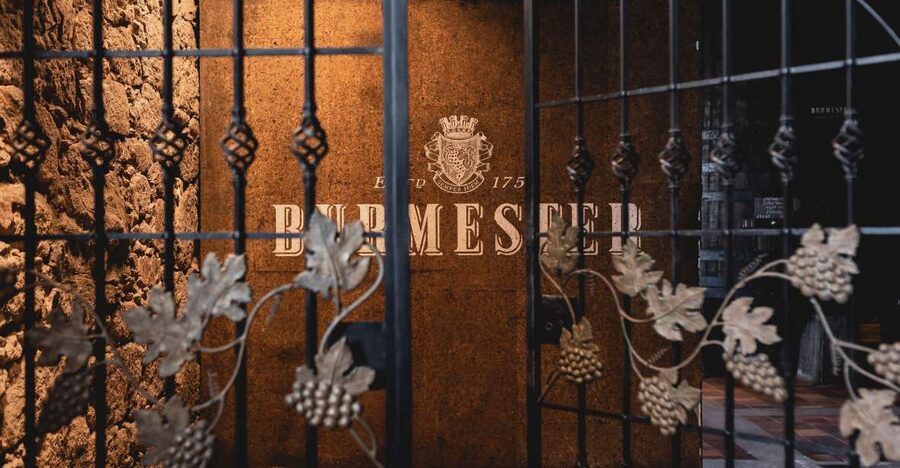
- Burmester’s riverside cellar sits beside the Luís I Bridge, making it easy to pair with a walk through Vila Nova de Gaia.
- The tour lasts about one hour, with roughly 25 to 30 minutes of explanation followed by the tasting.
- You taste two or three Ports, depending on the ticket you choose.
- The premium option includes chocolate, a good match for sweeter Port styles.
- Guides may lead the tour in English, Portuguese, Spanish, Italian, French, or German, with tours held in one language at a time.
- Expect stairs and possible group noise, especially during busy periods.
A short history lesson with a famous view
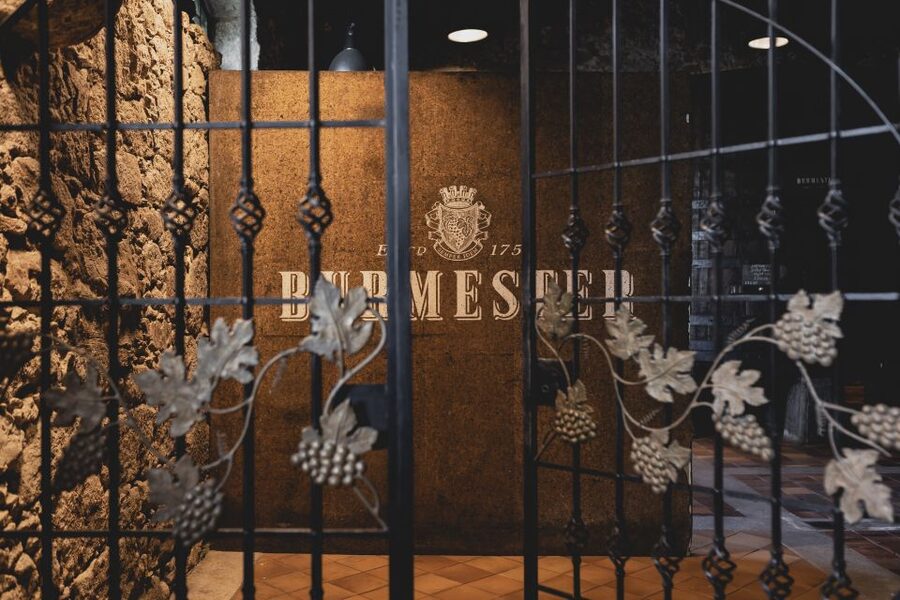
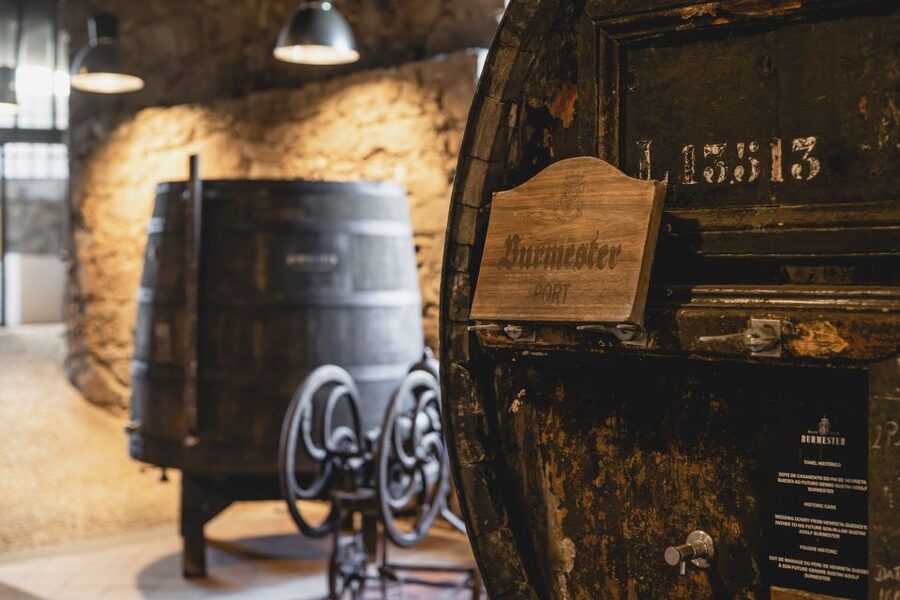
Burmester’s story began in London in 1730, when Henry Burmester joined John Nash to create Burmester, Nash & Co. The company later worked from Vila Nova de Gaia, exporting Port across Europe. That cross-border beginning is a useful reminder that Port was built for trade, travel, and long storage, not simply for drinking beside the Douro.
The company’s identity is tied to character, both in its branding and in its wines. You will hear this idea during the visit as the guide explains how Burmester developed over generations and became associated with Port and Douro DOC wines.
The setting does part of the work. The cellar is at Largo Dom Luís I, close to the lower level of the Luís I Bridge. This is one of the most photogenic spots in Porto and Gaia, so you can combine the visit with bridge views, the riverfront, and the cluster of wine lodges in Vila Nova de Gaia.
Do not expect a long museum visit or a grand technical lecture. The appeal is more direct. You get the basic story, a look at the cellar environment, and a tasting that puts the explanation into your glass.
More port wine cellars to visit:
- Porto: Live Fado Show with Glass of Port Wine
★ 4.8 · 6,498 reviews - Porto: Cálem Cellar Tour, Interactive Museum & Wine Tasting
★ 4.5 · 4,113 reviews - Porto: Cálem Cellar Tour, Fado Show & Wine Tasting
★ 4.4 · 3,530 reviews
What the cellar visit actually covers
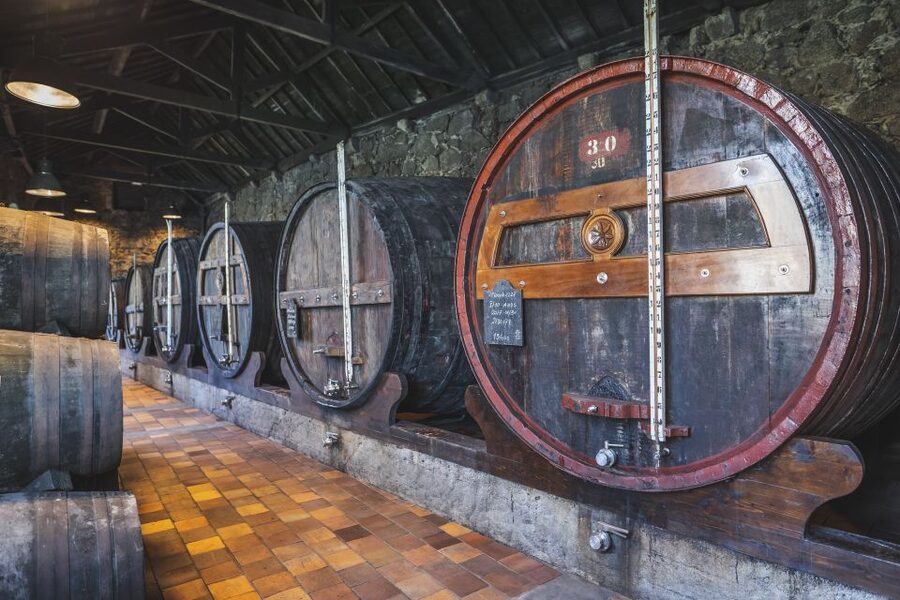
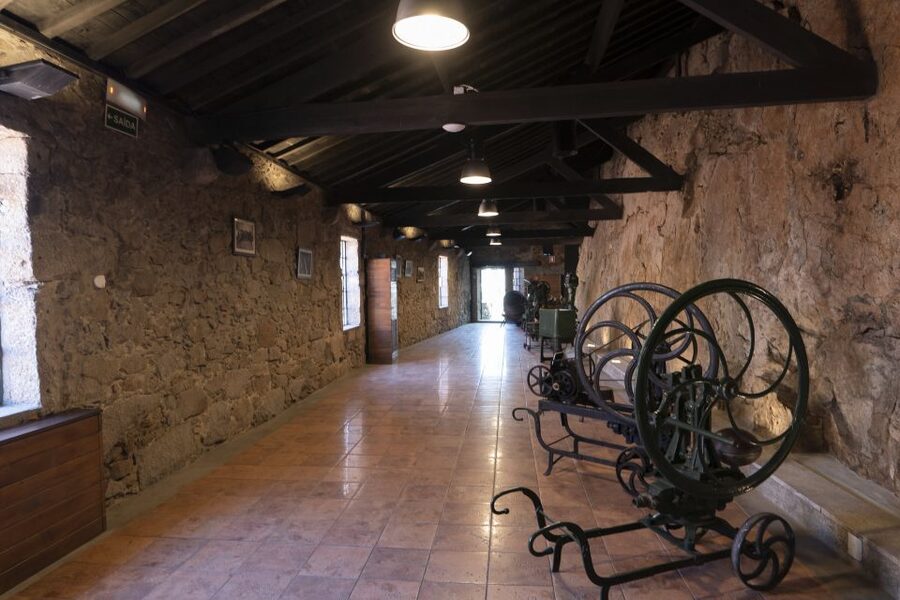
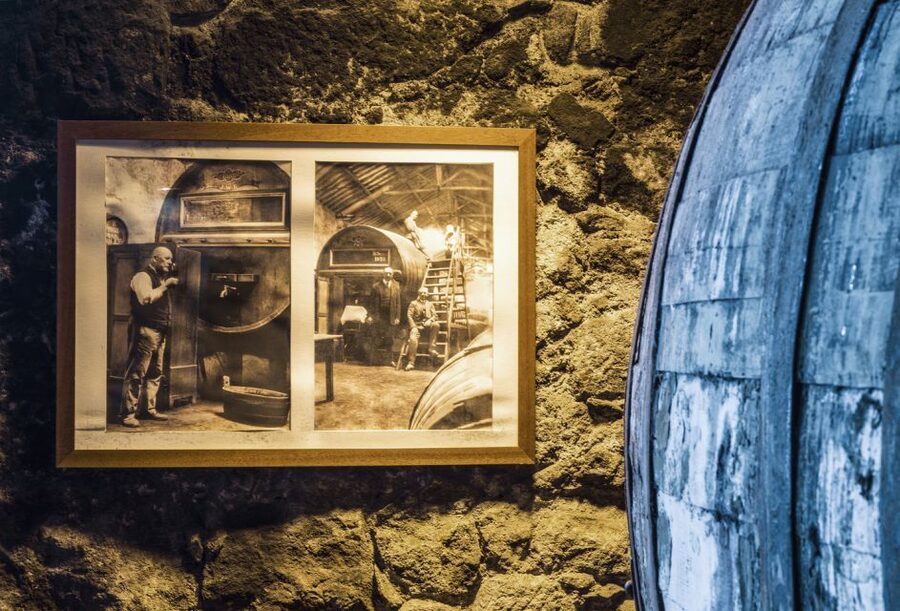
The guided portion focuses on two subjects: Burmester’s past and the production of Port wine. Your guide explains the Douro DOC system and the stages involved in making Port, from the grapes and wine production to the process that gives Port its familiar strength and sweetness.
The exact route and amount of time spent in each area can vary, but the cellar visit is compact. Several people have found that the explanation lasts about 25 to 30 minutes, with the full experience taking close to an hour once the tasting is included.
That timing suits Porto well. You can fit the tour between sightseeing stops rather than building your whole day around it. If you have just arrived and want a clear introduction to Port, this is enough information to help you make sense of the other Gaia cellars and wine lists you may encounter.
The guide matters here. A good explanation can turn a few dark rooms and wooden barrels into a useful lesson. Hugo has been praised for an engaging style, while Bruno has been described as warm and effective with the basics. Fernando has also been singled out for giving a lively, informative tour. These names do not guarantee your guide, but they show the kind of presentation the experience aims for.
The language policy is helpful for international visitors. Tours are monolingual, and departures are available in Portuguese, German, Italian, Spanish, English, and French. You should check the language and starting time when booking, since the schedule depends on availability.
Port tasting: the part that gives the visit its purpose
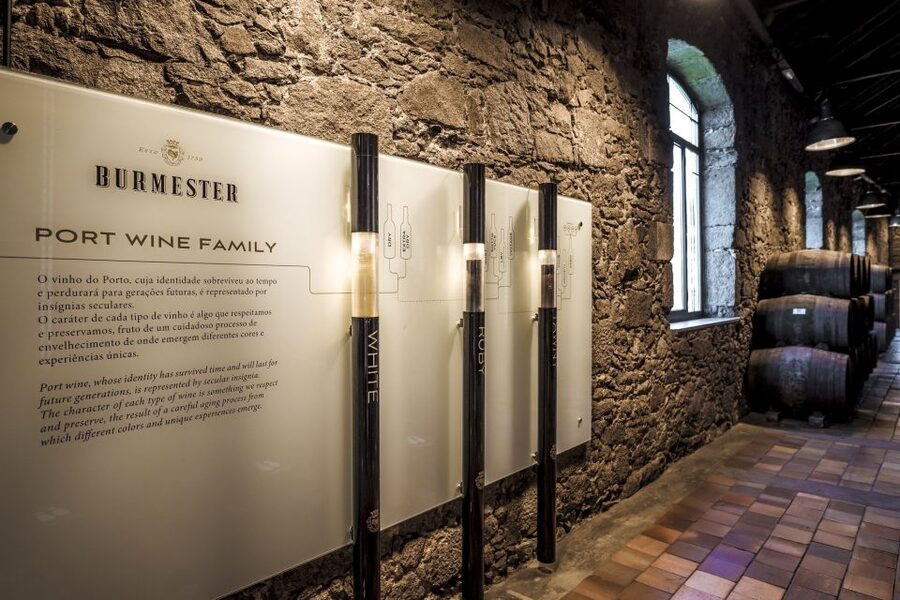
After the cellar explanation, you taste either two or three Port wines, depending on the option selected. This is not a large flight with every style Burmester makes. It is a compact tasting intended to give you a feel for the category.
The wines can include different Port styles, and several people have particularly enjoyed the white and red Ports. White Port often surprises first-time tasters because it can be served in a fresher, lighter style, while ruby and tawny show different approaches to aging and flavor.
The basic tasting is the sensible choice if you want an introduction and are keeping costs down. At about $25 per person, the price is reasonable for a central one-hour visit with a guide and wine samples. The value is strongest when you care about context, since you are not just paying for a glass of Port at a bar. You are also paying for the cellar setting and an explanation of what you are drinking.
Your expectations should stay realistic. The standard wines are intended to show the range, not necessarily to be the oldest or most complex bottles in the house. One tasting can leave you wishing for a more impressive tawny or ruby. If a particular style interests you, ask whether you can sample an older or higher-level wine. Some people have done this and found a bottle they wanted to buy afterward.
The tasting is also the point where the tour can become less orderly. A busy session may place several groups in the same room, and a loud party can make conversation difficult. One departure had a group of around 50 people, which made the visit feel less intimate and sometimes hard to hear. If you want a quiet, private wine lesson, this is not the safest choice.
Is the premium chocolate option worth it?
The premium option includes chocolate tasting with the Port. That pairing makes sense, especially with sweeter wines. Chocolate gives the tasting a small extra pleasure and makes the session feel more like a planned food-and-wine experience than a simple sample at the end of a tour.
I would choose premium if the price difference is modest and you enjoy dessert pairings. It is also a good pick for a special occasion or a relaxed afternoon in Gaia. The chocolate will not transform the cellar visit, but it gives you something to compare with the wine and extends the tasting a little.
Be careful if you are booking mainly for cheese and chocolate. The stated inclusion for the premium option is chocolate, while some tasting choices and experiences may be described more broadly as pairings. The amount of food may be smaller than you expect. If a substantial snack matters to you, confirm the exact contents of the option before paying more.
Families can still manage the visit, but wine is not served to anyone under 18. One guide provided fruit juice for children, which allowed adults to take their time at the tasting. That is a thoughtful touch, though you should not assume every departure will offer the same arrangement unless the winery confirms it.
More food tours in Porto:
- From Porto: Douro Valley w/ Boat Tour, Wine Tasting & Lunch
★ 4.7 · 19,061 reviews - Douro Valley Small-Group Tour with Wine Tasting, Lunch and Boat
★ 5.0 · 3,642 reviews - Porto: Taylor’s Port Cellars & Tasting
★ 4.6 · 3,374 reviews - Porto: Cockburn’s Port Lodge Tour and Tasting
★ 4.8 · 3,360 reviews
The Luís I Bridge makes the location a real advantage
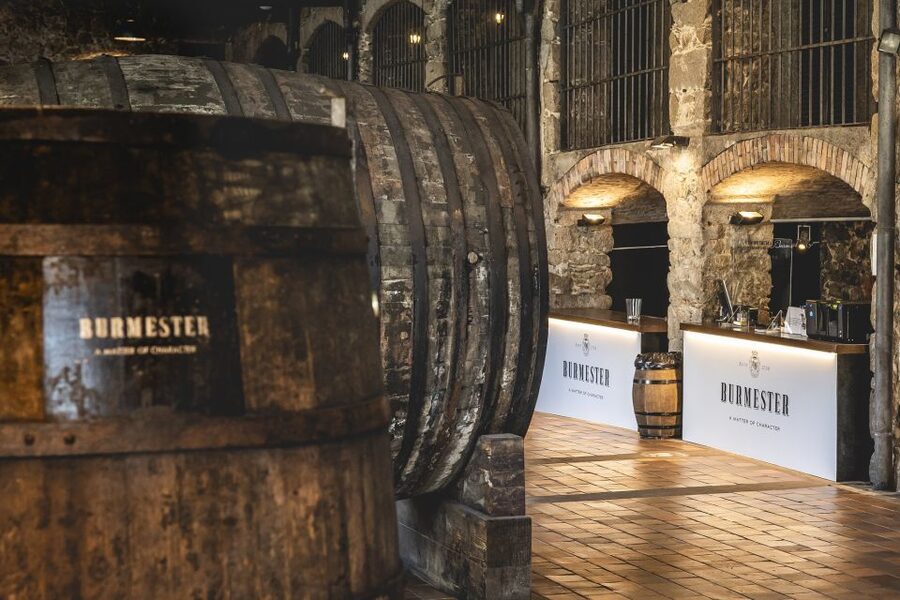
Many Porto wine experiences take place in Vila Nova de Gaia, so location matters. Burmester is close to the Luís I Bridge, which gives you an easy visual anchor and makes the cellar straightforward to find.
You can reach the meeting point at Caves Burmester, Largo Dom Luís I, 4400-111 Vila Nova de Gaia. The activity begins and ends there. No separate transport is part of the experience, so plan to arrive on your own and allow time to find the entrance.
The location works especially well if you are already exploring Gaia’s riverfront. You can look across to Porto, walk under or across the bridge, and stop at another cellar or restaurant afterward. The views give this tour more sense of place than a tasting held in a generic hotel room.
There is one practical catch: the visit includes a staircase to the tasting room. If stairs are difficult for you, ask about the route before booking. The supplied information does not promise step-free access.
How the experience compares with a longer wine visit
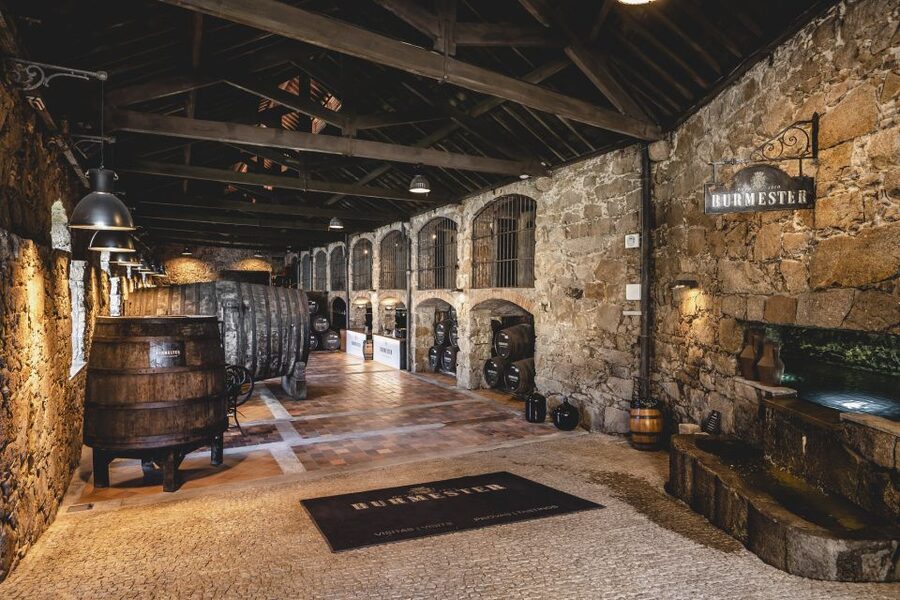
At one hour, Burmester is a sampler rather than a full wine day. You will not visit the Douro Valley vineyards, tour the whole production chain, or spend a long afternoon studying Port styles. That is not a flaw if you want a convenient city activity.
I would choose it when you have limited time, when Port is new to you, or when you want to add a tasting to a sightseeing day. It also works well for couples and small groups who want an easy shared activity near the bridge.
I would look for a longer or more specialized experience if you already know Port well. You may want more detailed comparisons, a broader selection of wines, or a quieter tasting room. Burmester gives you a clean starting point, but it does not promise a private or advanced lesson.
The guide’s personality can make a major difference. The strongest departures have had warm, funny, clear presenters who answered questions without turning the tour into a lecture. A less polished session may feel brief, especially because the cellar explanation is fairly short.
Group size, noise, and the pace of the tasting
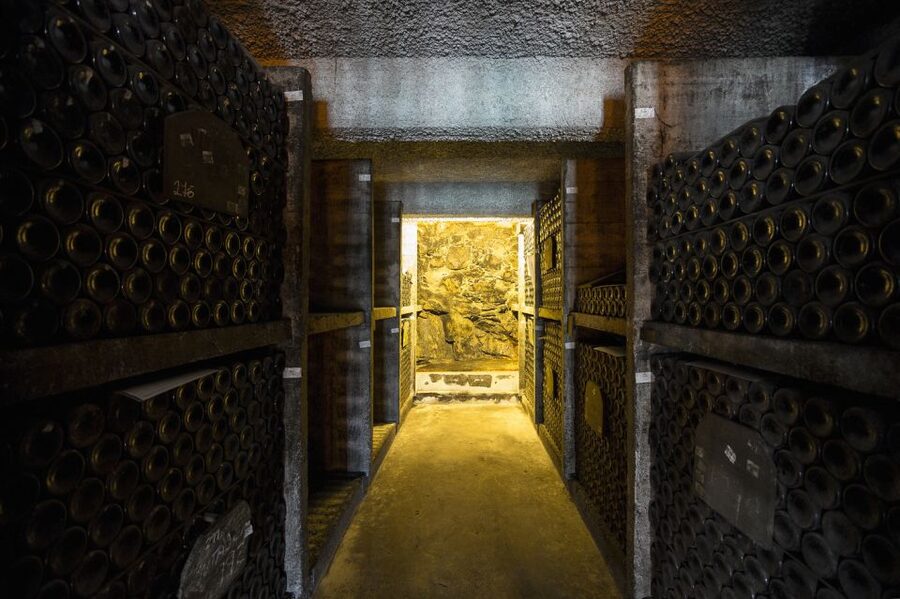
The main uncertainty is the group. A small, calm group lets you hear the guide and ask questions. A large group can make the tasting feel more like a scheduled stop, with less room for personal attention.
You should arrive ready for a shared experience. The cellar may host more than one party, and voices from another group can carry into the tasting room. This is worth knowing if you are choosing Burmester for a romantic, quiet setting.
The upside is that the pace is not overly demanding. You do not need prior wine knowledge, and the guide keeps the subject approachable. The session covers enough ground to explain what Port is, how it is made, and why the wines differ. The result is useful without becoming heavy.
For the best experience, ask questions during the explanation and tasting. Ask what makes a tawny different from a ruby, how white Port is served, or which bottle best matches your taste. The guides have generally been willing to explain and suggest.
Buying a bottle after the tasting
The tasting may tempt you to buy a bottle, especially if one of the wines is noticeably better suited to your taste than the basic samples. Some people have left with several bottles, while one particularly enthusiastic tasting led to a five-bottle purchase.
That is a sign that the tasting can help you shop with more confidence. Rather than choosing a Port by label alone, you can ask about the wine you liked and decide if it is worth taking home.
Still, do not feel pressured to buy. The tour fee covers the visit and tasting, and the purchase is optional. If you do want a bottle, use the guide’s advice to compare styles instead of simply choosing the most expensive option. A white Port, ruby, or tawny may suit you better depending on whether you prefer fresh, fruity, or more developed flavors.
Who should book the Burmester Cellar Tour?
You should consider this tour if you want:
- A compact introduction to Port wine
- A central Gaia location beside the Luís I Bridge
- A guided explanation in English or another listed language
- A tasting of two or three Ports
- A choice to add chocolate with the premium ticket
- An activity that fits neatly into a busy Porto day
It is especially good for first-time Port drinkers. You get enough background to understand the tasting, and the short format leaves time for the rest of your sightseeing.
Families can attend, but only adults receive wine. People who dislike stairs or noisy group settings should ask questions before booking. Serious Port collectors may find the visit too basic, particularly if they want rare bottles or a detailed look at production.
The $25 price is fair for the location, guide, cellar setting, and tasting. The value drops if you want a large food pairing or an intimate tasting, since neither is guaranteed by the basic experience. The premium option is a reasonable upgrade for chocolate lovers, but check exactly what food is included.
Free cancellation up to 24 hours before the activity and reserve-now, pay-later booking make it easier to fit into a changing Porto schedule. Those policies are useful, but the real decision comes down to your expectations: choose Burmester for a friendly, efficient introduction, not a long private wine seminar.
Should you book it?
I would book the Burmester Cellar Tour if Port is part of your Porto plans and you want a well-located, one-hour introduction. The guide, bridge views, and tasting provide a good amount of substance for the price.
Choose the premium option if chocolate appeals to you and you want a slightly more complete tasting. Try to book at a time that is likely to be calmer, and arrive with enough time to find the cellar.
Skip it if you want a very small group, extensive food, or a full technical study of Port. For most first-time visitors, though, Burmester is a practical way to understand the drink that has shaped Vila Nova de Gaia, then sample it in the place where that story is still very much part of the city.
FAQ
Where does the Burmester Cellar Tour start?
The tour starts at Caves Burmester, Largo Dom Luís I, 4400-111 Vila Nova de Gaia, Portugal. It also ends back at the same meeting point.
How long does the tour last?
The stated duration is one hour. The guided cellar explanation may last about 25 to 30 minutes, followed by the tasting.
How many Port wines are included?
You receive two or three Port tastings, depending on the option selected.
Does the tour include chocolate?
Chocolate tasting is included with the premium option. The standard option does not list chocolate as an inclusion.
What languages are available?
Live tours are available in Portuguese, German, Italian, Spanish, English, and French. Tours are monolingual, meaning each departure is held in one language.
Can children attend the tour?
Children can attend, but wine is not served to anyone under 18. Fruit juice may be available for children, but this should not be assumed for every departure.
Is there a staircase during the visit?
Yes. A staircase leads to the tasting room, so ask about the route if stairs may be difficult for you.
Can I cancel for a refund?
You can cancel up to 24 hours in advance for a full refund. Reserve-now, pay-later booking is also available.
Latest reviews around Porto
- Private Walking Tour, highlights and secrets of Porto★ 3.9 · 3 reviews
- Private Porto Half-Day Tour – Wine Cellars & Cheese Tasting★ 5.0 · 3 reviews
- Portuguese Wine Tasting w Local Cheese & Cold Cuts pairing★ 5.0 · 3 reviews
- From Peso da Régua: Visit 3 wineries, tasting and viewpoint★ 5.0 · 3 reviews
- Porto: Full-Day All-Inclusive Private City Sightseeing Tour★ 4.3 · 3 reviews
- Small Painting Group with a Local Artist in Porto★ 5.0 · 3 reviews
- From Arouca: Paiva River Rafting Adventure – Adventure Tour★ 5.0 · 3 reviews
- Private Tour to Santiago de Compostela and its stunning Cathedral★ 5.0 · 3 reviews
Port Wine Cellar Tours, compared.

Porto: Cálem Cellar Tour, Interactive Museum & Wine Tasting
Read our review →
Porto: Cálem Cellar Tour, Fado Show & Wine Tasting
Read our review →
Porto: Cockburn’s Port Lodge Tour and Tasting
Read our review →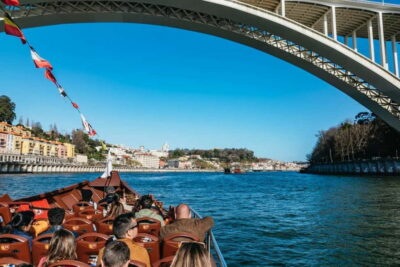
Porto: Bridges Cruise with Wine Cellar Tour or Sunset Option
Read our review →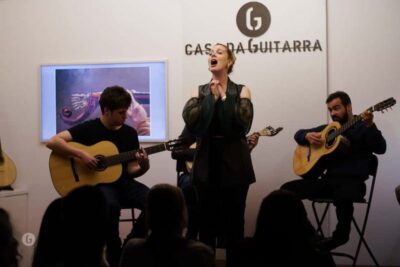
Porto: Authentic Fado Show, Port Wine & Handmade Instruments
Read our review →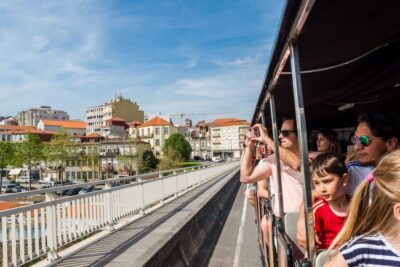
Porto: City Train Tour, River Cruise & Wine Cellar
Read our review →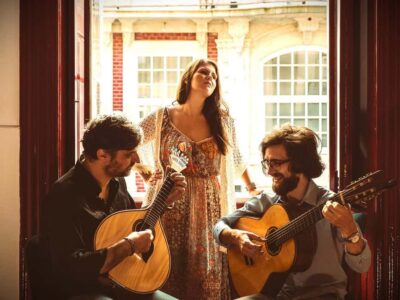
Porto: Live Fado Concert with Glass of Tawny Port Wine
Read our review →
Port Wine Lodges Tour Including 7 Port Wine Tastings (English)
Read our review →Browse the lists this tour appears in