
Reviewed · MUSEUMS
Porto: Cork Museum – Interactive and Family Friendly Museum
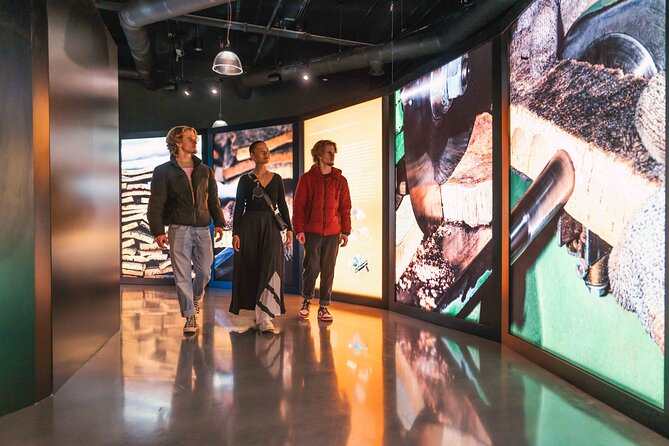
Portugal’s cork story begins with a tree that can be harvested without being cut down. At Planet Cork Museum, you follow that material from oak forest to wine bottle, clothing, flooring, design, and other surprising uses. The visit is built for looking, listening, and touching, so children have something to do while adults pick up useful facts.
I like the giant cork oak replica and its surrounding ecosystem, which give the museum a clear center rather than a string of disconnected displays. I also like the calm, self-guided format: you can move quickly through familiar material or stay with the exhibits that explain how cork is grown, removed, processed, and reused.
The main consideration is that this is not a live guided tour, and some of the displays can feel like a polished presentation of the cork industry. If you prefer a small-group guide with plenty of back-and-forth discussion, you may find the audio-led format less satisfying.
In This Review
- Key points to know before you go
- Why cork makes a worthwhile Porto museum visit
- Following cork from oak tree to finished product
- The hands-on side for children and adults
- Using the multilingual audio guide
- Sustainability without oversimplifying the subject
- Allowing enough time for the full experience
- Is the gift shop worth time after the exhibits?
- Who will get the most from Planet Cork?
- Booking value and practical details
- Should you book the Cork Museum?
- FAQ
- Where is Planet Cork Museum located?
- How long does the museum visit take?
- Is the museum open every day?
- Is a live guide included?
- Is the audio guide available in English?
- Is the museum suitable for children?
- What can I see at the museum?
- Is transportation included?
- Can I cancel for a full refund?
Key points to know before you go
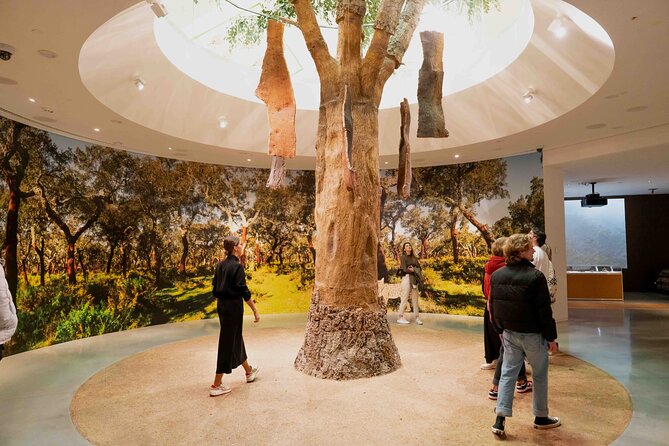
- The giant cork oak is the visual centerpiece: It helps explain where cork comes from before you get to the manufactured products.
- You learn more than wine stoppers: Displays cover cork’s uses in daily life, design, and future-facing products.
- The visit is self-guided: A multilingual audio guide is included, but a live guide is not part of this booking.
- Children have hands-on activities: The interactive approach gives younger visitors more reason to stay engaged.
- Plan on one to two hours: You can make it a short stop or take time with the educational material.
- Hours are broad and simple: The museum is listed as open daily from 10:00 a.m. to 7:00 p.m.
Why cork makes a worthwhile Porto museum visit
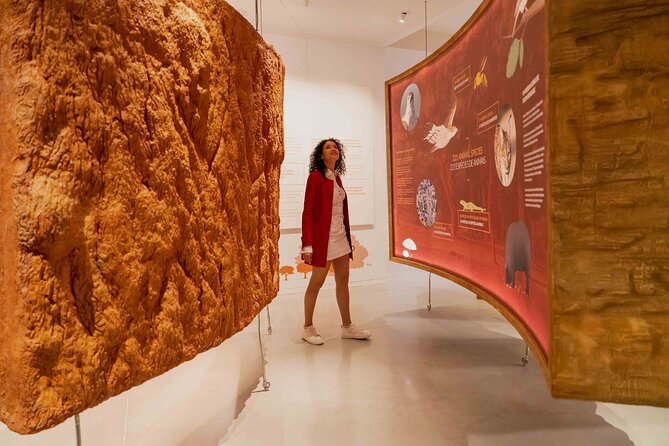
Porto is closely tied to Portuguese wine, so cork may first come to mind as the small stopper in a bottle. Planet Cork widens that view. You see how a natural material becomes part of agriculture, manufacturing, culture, environmental care, and modern design.
The museum’s strongest idea is also its simplest: cork is not just a product. It is the outer bark of the cork oak, and the tree continues living after the bark is removed. That basic fact gives the visit a useful environmental angle without requiring a science background.
I find this kind of museum especially helpful early in a Portugal trip. Once you understand cork production, wine bottles, cork bags, shoes, household items, and decorative goods begin to look different. The visit gives you context for products you may see in Porto shops and in the museum’s own gift store.
The displays are designed to work for a wide age range. You can listen to the audio guide and read the explanatory material, while children can focus on the visual displays and hands-on elements. That makes this an easier family stop than a museum that depends on long text panels.
More museums and galleries in Porto:
- Porto: Cálem Cellar Tour, Interactive Museum & Wine Tasting
★ 4.5 · 4,113 reviews - FC Porto: Museum & Tour
★ 4.6 · 2,826 reviews - Porto: Entry Ticket at WOW – The Wine Experience Museum
★ 4.7 · 356 reviews
Following cork from oak tree to finished product
The visit starts with the natural side of cork. The giant oak replica and the surrounding ecosystem show you the material in its original setting. This is an important first step, because cork can otherwise seem to appear in factories as a finished sheet or stopper.
From there, the exhibits explain how cork is grown and harvested. The process is one of the most useful parts of the museum because it connects a slow-growing tree with a modern global industry. You get a sense of the work behind the raw material before the displays move on to processing.
The museum also explains the evolution of cork use. Wine stoppers receive their expected attention, but they are only one part of the story. The displays point to cork’s role in fashion, design, home goods, and other products, showing why its light weight and distinctive texture have made it useful far beyond the wine trade.
The presentation is largely visual and easy to follow. You do not need specialist knowledge, and the audio guide lets you take in the information at your own pace. If you are interested in manufacturing, natural materials, or Portuguese business traditions, you will probably want to allow closer to two hours.
The hands-on side for children and adults
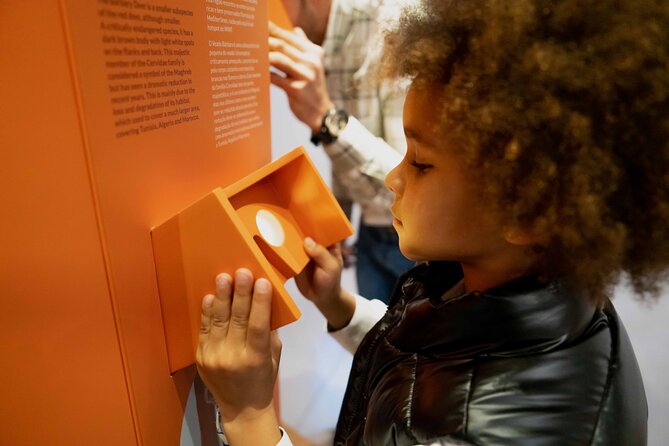
This is not a museum where children are expected to stand quietly beside display cases. The interactive elements give them a reason to test, examine, and connect what they see with real objects. Adults can use the same features to understand cork’s texture, structure, and range of uses.
The family-friendly design is one of the best reasons to choose this museum. A child who has little interest in industrial history may still respond to the scale of the oak replica, the practical objects, and the touch-oriented displays. You can let the young ones lead for a while, then return to the audio material that interests you.
The museum also has value for adults who think they already know cork. The familiar wine stopper is only the beginning. The exhibits show how the material can appear in unexpected places, and they explain why manufacturers continue to work with it.
Do not expect a theme-park attraction with constant motion or elaborate entertainment. The visit is educational first. The interactive parts support the subject rather than replace it, so the experience works best when you are willing to listen and look closely.
Using the multilingual audio guide
Your ticket includes a self-guided visit with a multilingual audio guide. That gives you control over the pace and removes the pressure of keeping up with a scheduled group. You can pause, spend extra time with a display, or move ahead when a section is less relevant to you.
The format also suits mixed-age groups. One person can listen while another looks at the exhibits, and families do not have to stay together every minute. For independent visitors, it is a practical way to get structure without booking a private guide.
The tradeoff is interaction. A live guide can answer a specific question, adjust an explanation for children, or add personal stories. That is not part of this experience. The booking information specifically describes a self-guided visit, even though named staff guides such as João and Sandra have been associated with other versions of the museum experience.
The audio format may also make the museum feel more promotional at times. Cork is an important Portuguese industry, and the exhibits naturally present its advantages. You should enjoy the material while keeping a little distance from claims that sound like sales copy.
A few more Porto outings to weigh up
- The Unvanquished Tour in Porto City Center
★ 5.0 · 26,497 reviews - From Porto: Douro Valley w/ Boat Tour, Wine Tasting & Lunch
★ 4.7 · 19,061 reviews - Complete Douro Valley Wine Tour with Lunch, Wine Tastings and River Cruise
★ 5.0 · 12,920 reviews - Porto: Six Bridges Cruise
★ 4.2 · 11,680 reviews
Sustainability without oversimplifying the subject
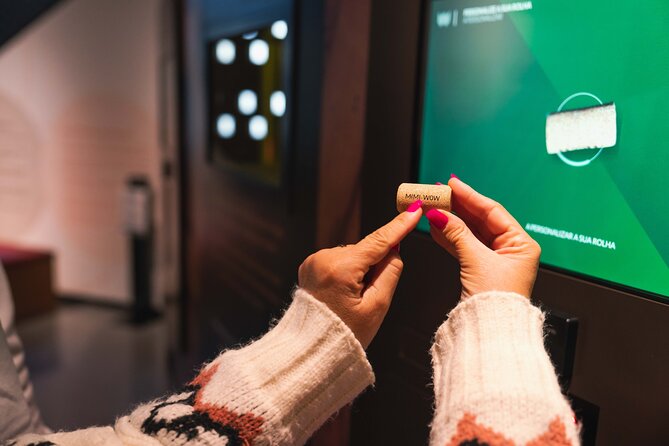
Sustainability is not an extra theme added at the end. It is built into the basic story of cork. The museum explains the relationship between the cork oak, the harvesting process, and the products made from the bark.
That gives you a better way to think about environmental claims. Instead of simply seeing cork as an attractive natural material, you learn why the tree matters and how the industry has developed around it. The information also helps explain why cork continues to appear in products beyond the traditional bottle stopper.
The museum presents cork’s future as part of the visit as well. You will see material about new possibilities and changing uses, not just older traditions. This makes the experience more current than a display focused only on rural work and wine.
Still, you should not treat the museum as an independent environmental investigation. Its purpose is to explain and celebrate cork, so the tone is naturally favorable toward the industry. I see that as a minor drawback rather than a reason to skip it, especially if you balance the promotional tone with your own questions about production and consumption.
Allowing enough time for the full experience
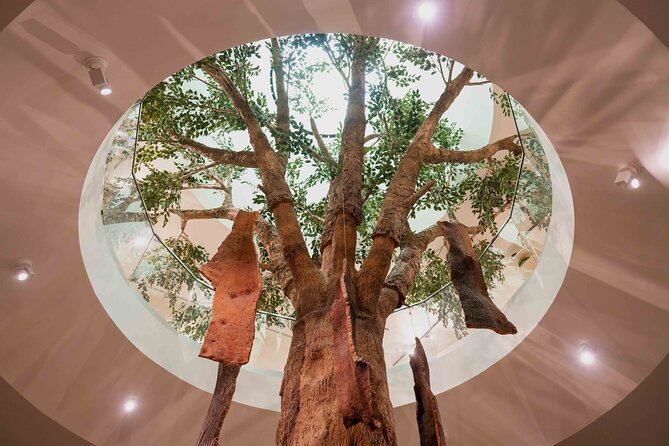
The stated duration is about one to two hours. If you are fitting Planet Cork between other stops in Porto, one hour can give you a useful overview. If you are visiting with children, listening to the full audio content, or browsing carefully, plan on the longer end.
The daily opening schedule makes timing easy. The museum is listed as open Monday through Sunday from 10:00 a.m. to 7:00 p.m., for the stated operating period through March 16, 2027. Since hours can change, check the current details when booking.
A self-guided museum is also forgiving when your day goes off schedule. You are not tied to a specific departure time or a fixed group route. That flexibility adds value for families and for anyone combining this stop with other attractions at WOW Porto, the cultural district where the museum is located.
The visit is near public transportation, and most people can take part. Hotel pickup and drop-off are not included, so you need to make your own way there. Service animals are allowed.
Is the gift shop worth time after the exhibits?
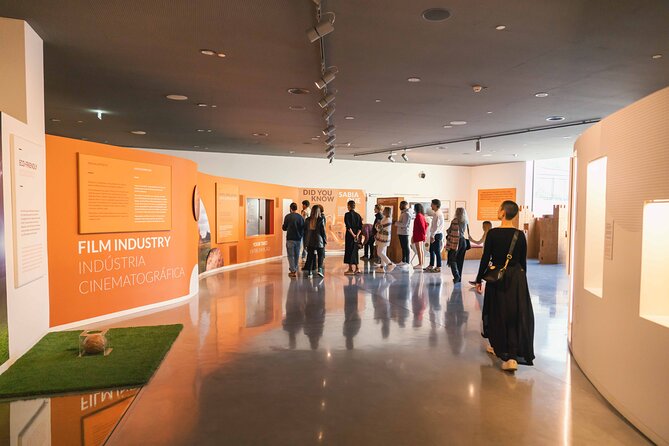
The gift shop is part of the appeal for anyone who likes practical souvenirs. You may find cork products in a wider range of forms than expected, from familiar wine-related goods to fashion and household items.
I would save a few minutes for browsing rather than rushing out after the final display. The shop gives you a chance to compare the material in finished form and may help you decide if a cork item is genuinely useful or simply attractive.
The store also handles tax refund paperwork, with staff assistance available. That can matter if you are making a larger purchase and need help with the process. Product selection and prices can change, so treat the shop as a useful extra rather than part of the guaranteed educational program.
The gift shop does not rescue a disappointing museum visit, but here it follows naturally from the subject. You have just learned how cork is processed and used, then you see those ideas applied to objects you can take home.
Who will get the most from Planet Cork?
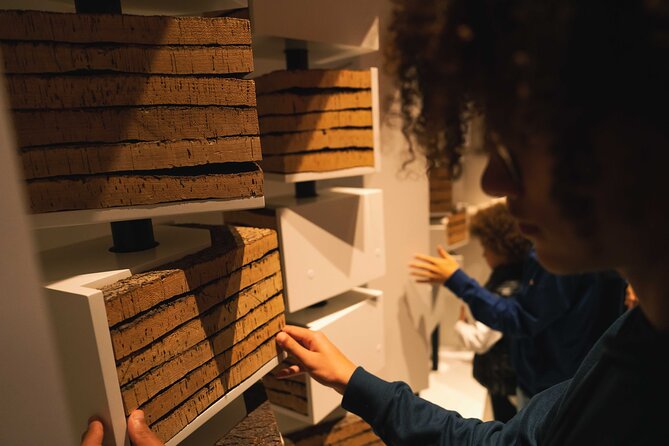
I would put this museum high on the list for families, curious shoppers, wine enthusiasts, and anyone interested in Portuguese industry. It is also a good rainy-day option because the visit is contained, flexible, and easy to fit into a larger Porto schedule.
You will get the most from it if you enjoy learning how everyday objects are made. The museum is less suited to someone looking for grand historic interiors, famous artworks, or a fast entertainment attraction.
The one-to-two-hour length makes it manageable for children. The hands-on sections give younger visitors a break from listening, while the audio guide provides more detail for adults. The relaxed atmosphere can be a plus if you have already spent the day in crowded places.
Independent visitors should also appreciate the control. You can read, listen, skip, and revisit without waiting for a group. If you want a personal conversation with a specialist, though, choose a live guided option if one is available separately.
Booking value and practical details
No price is provided here, so I cannot make a fair claim about whether the ticket is cheap or expensive. The value depends on the admission cost you see at booking and how much time you give the museum.
At a reasonable museum admission price, the included audio guide, interactive exhibits, family focus, and one-to-two-hour visit make this a useful Porto stop. It is particularly good value if you would otherwise spend money on a cork product without knowing much about its origins.
Mobile ticketing keeps the arrival simple. The booking confirmation is received at the time of booking, and the experience is available in English, with a multilingual audio guide included. Since there is no hotel transfer or live guiding, compare the ticket with your priorities rather than assuming it includes a full escorted tour.
Free cancellation is available if you cancel at least 24 hours before the experience start time. Within 24 hours, the amount paid is not refunded, and changes are not accepted. The cut-off follows local Porto time.
Should you book the Cork Museum?
Book it if you want a clear, family-friendly explanation of one of Portugal’s most distinctive materials. The giant oak replica, hands-on exhibits, wide range of cork products, and sustainability content give the visit more substance than a simple shop or brand display.
I would be more cautious if you dislike self-guided museums or prefer balanced debate about industry and environmental claims. The presentation can feel promotional in places, and there is no live guide included in this booking.
For most people, Planet Cork works best as a focused one-to-two-hour addition to a Porto day. Give it extra time if you want the full audio experience and a proper look at the shop. It is not an essential stop for every itinerary, but it is a smart choice when you want something different from churches, viewpoints, and wine cellars.
FAQ
Where is Planet Cork Museum located?
Planet Cork Museum is in Porto, Portugal, within WOW Porto, the cultural district.
How long does the museum visit take?
The visit takes approximately one to two hours, depending on how closely you explore the exhibits and use the audio guide.
Is the museum open every day?
Yes. The listed opening hours are Monday through Sunday, from 10:00 a.m. to 7:00 p.m.
Is a live guide included?
No. This experience is self-guided. It includes a multilingual audio guide, but a live guided tour is not included.
Is the audio guide available in English?
Yes. English is one of the offered languages, and the included audio guide is multilingual.
Is the museum suitable for children?
Yes. The visit includes interactive and educational elements designed for all ages, including hands-on experiences for children and adults.
What can I see at the museum?
You can see a giant cork oak replica and its surrounding ecosystem, learn how cork is grown, harvested, and processed, and explore cork’s uses in wine stoppers, fashion, design, and other products.
Is transportation included?
No. Hotel pickup and drop-off are not included. The museum is near public transportation.
Can I cancel for a full refund?
Yes, if you cancel at least 24 hours before the experience start time. Cancellations made within 24 hours are not refunded, and changes within that period are not accepted.
Latest reviews around Porto
- Private Walking Tour, highlights and secrets of Porto★ 3.9 · 3 reviews
- Portuguese Wine Tasting w Local Cheese & Cold Cuts pairing★ 5.0 · 3 reviews
- Private Porto Half-Day Tour – Wine Cellars & Cheese Tasting★ 5.0 · 3 reviews
- From Peso da Régua: Visit 3 wineries, tasting and viewpoint★ 5.0 · 3 reviews
- Porto: Full-Day All-Inclusive Private City Sightseeing Tour★ 4.3 · 3 reviews
- Small Painting Group with a Local Artist in Porto★ 5.0 · 3 reviews
- From Arouca: Paiva River Rafting Adventure – Adventure Tour★ 5.0 · 3 reviews
- Private Tour to Santiago de Compostela and its stunning Cathedral★ 5.0 · 3 reviews
Museums, compared.

Porto: Cálem Cellar Tour, Interactive Museum & Wine Tasting
Read our review →

Porto: Entry Ticket at WOW – The Wine Experience Museum
Read our review →
Porto: Wine Experience Museum with 3 Wine Tastings
Read our review →
Porto: Pink Palace – Immersive Rosé Wine Museum with 5 Tastings
Read our review →
Browse the lists this tour appears in