
Reviewed · MUSEUMS
Visit to Gil Eannes hospital Ship Museum
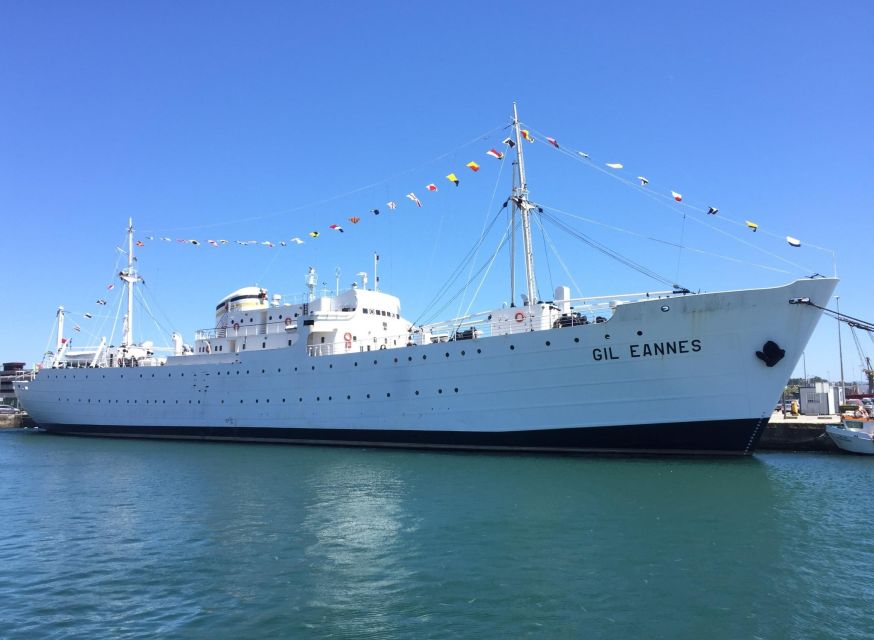
The Gil Eannes is no ordinary museum. It is a former working hospital ship, built to serve Portuguese cod fishermen in the freezing waters near Newfoundland and Greenland. As you move through the operating theatre, radiology room, and treatment areas, the ship’s purpose becomes clear: this was a floating medical lifeline far from home.
I like two things in particular. First, you see the full working world of the vessel, from the bridge and engine room to the bakery and galley. Second, the restored cabins and medical spaces make the harsh life of 1950s fishermen easier to picture. The main drawback is practical: narrow shipboard spaces and access limits make this a poor choice for people with mobility or visual impairments.
In This Review
- Key points to know before boarding
- Why this ship matters in Viana do Castelo
- Entering a former hospital at sea
- The medical rooms tell the clearest story
- From fishermen’s cabins to the chapel
- The engine room and the ship’s hard work
- A ship that nearly disappeared
- Is $6 good value?
- What kind of visitor will enjoy it most?
- Practical advice for a better visit
- Should you book the Gil Eannes?
- FAQ
- Where is the Gil Eannes Hospital Ship Museum?
- How much does admission cost?
- How long is the visit?
- What rooms can I see aboard the ship?
- What languages are available?
- Can children visit at a reduced price?
- Is the ship suitable for people with mobility impairments?
- Can I cancel my booking?
Key points to know before boarding
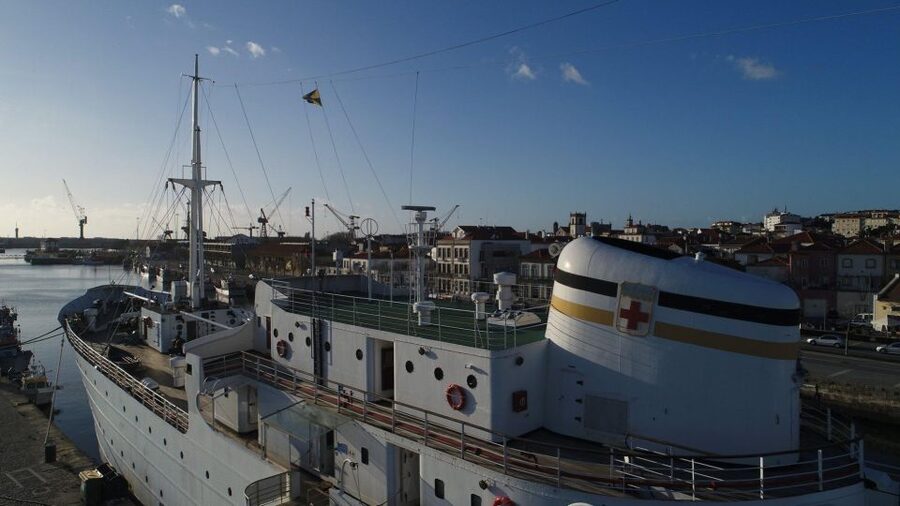
- A real 1955 hospital ship: The Gil Eannes was built in Viana do Castelo to support Portugal’s cod-fishing fleet.
- More than a floating clinic: It also worked as a flagship, mail ship, tugboat, icebreaker, and supply vessel.
- Many rooms to explore: The route includes the bridge, galley, bakery, engine room, chapel, cabins, and several medical spaces.
- A strong value at $6: You get access to a large historic ship rather than a single exhibit room.
- Useful family deal: Two adult tickets allow up to four children aged 7 to 16 for an extra €2, paid at the entrance.
- Plan around access needs: The ship is not suitable for people with mobility impairments or visual impairments.
Why this ship matters in Viana do Castelo
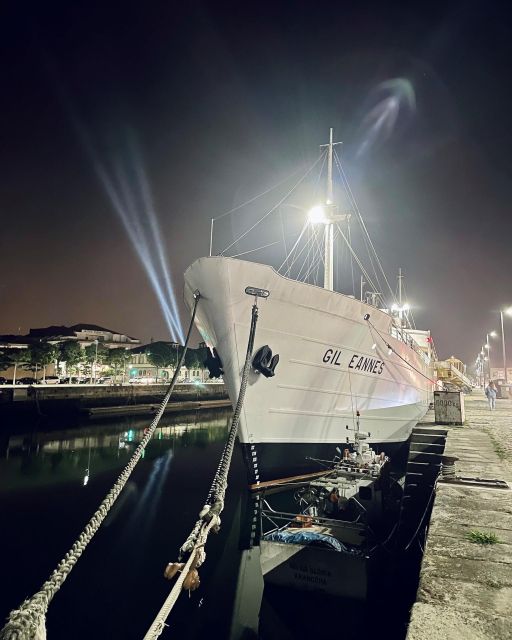
In Viana do Castelo, the Gil Eannes gives you a direct link to Portugal’s maritime past. The ship was built locally in 1955, then sent north to support the cod fleet working off Newfoundland and Greenland. Those waters were remote, cold, and difficult, so medical help could not simply arrive by road or from a nearby town.
The ship’s main task was to care for fishermen and crew. That meant treating injuries and illness, performing operations, and providing medical support during long fishing seasons. The hospital facilities were not an added display for visitors. They were the reason the ship existed.
I find the ship’s wider role just as interesting. It carried mail, supplies, fuel, nets, and bait. It could tow fishing vessels, break ice, and act as a flagship. A chaplain was also on board to offer religious and spiritual guidance. This mix of medical, industrial, practical, and religious work helps you understand how isolated the cod fleet could be.
The Gil Eannes was a working part of a much larger system. Fishing vessels needed more than nets and hooks. They needed fuel, food, communication, repairs, medical care, and a connection to home. The ship provided much of that support from the water.
More museums and galleries in Porto:
- Porto: Cálem Cellar Tour, Interactive Museum & Wine Tasting
★ 4.5 · 4,113 reviews - FC Porto: Museum & Tour
★ 4.6 · 2,826 reviews - Porto: Entry Ticket at WOW – The Wine Experience Museum
★ 4.7 · 356 reviews
Entering a former hospital at sea
You present your voucher at the ticket counter before going aboard. From there, you explore the ship’s restored museum areas at your own pace. The visit is valid for one day, so you have room to look carefully instead of rushing from one room to the next.
The ship’s layout gives the experience its force. A standard museum separates you from the past with display cases and labels. Here, the walls, corridors, cabins, and working rooms are part of the story. You are walking through the actual setting where the crew lived and where fishermen received care.
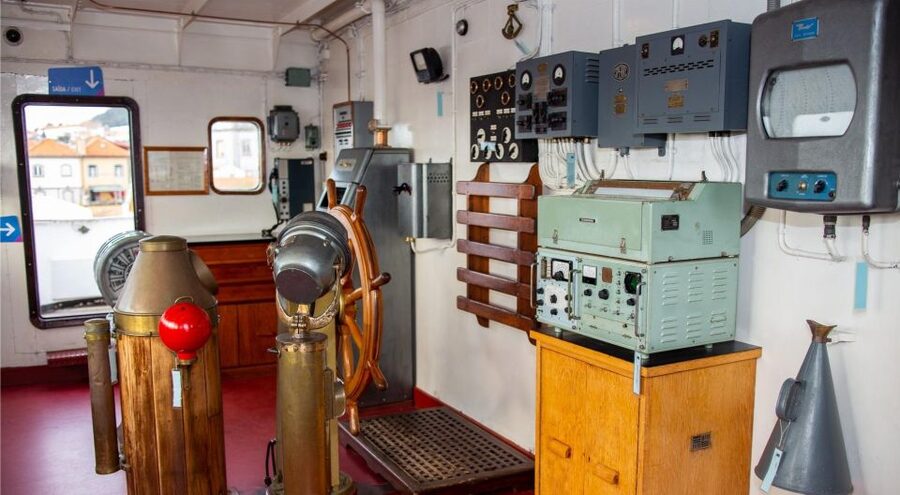
The bridge is a natural place to begin. It connects the ship’s medical role with its work as a support vessel. From here, the Gil Eannes was directed through demanding sea conditions while carrying out duties that went well beyond hospital care.
You will also see the ship’s everyday working areas. The galley and bakery show how many people had to be fed during long periods at sea. These rooms bring the practical side of life on board into view. Medical staff and crew needed regular meals, and the ship had to function as a self-contained community.
The medical rooms tell the clearest story
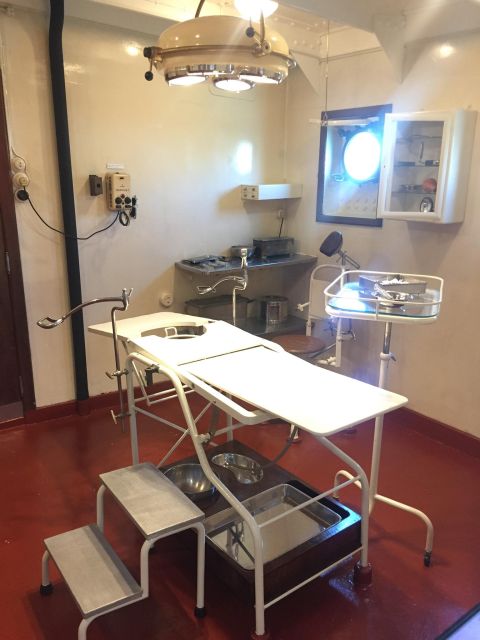
The operating theatre, doctor’s surgery, treatment room, and radiology room are the heart of the visit. Together, they show the level of care that could be offered far from land in the 1950s.
The operating theatre is especially powerful because it changes the way you picture cod fishing. The work was physically hard, and accidents were a real concern. A fisherman injured at sea could not simply be taken to a local clinic. The hospital ship brought treatment closer to the fishing grounds.
The doctor’s surgery and treatment room add smaller, more personal details. These spaces suggest the routine medical work that would have happened alongside emergencies. A ship like this was not only for dramatic operations. It also had to deal with ordinary illness, injuries, and the needs of a working crew.
The radiology room helps explain the ship’s serious medical purpose. It was not merely carrying a doctor and a few basic supplies. It offered a purpose-built medical service in an environment where every piece of equipment had to operate at sea.
You should allow time in these rooms. They are compact, and the layout rewards slow looking. The ship is most effective when you notice how the clinical areas fit into the larger vessel, surrounded by machinery, sleeping quarters, food preparation areas, and narrow passages.
From fishermen’s cabins to the chapel
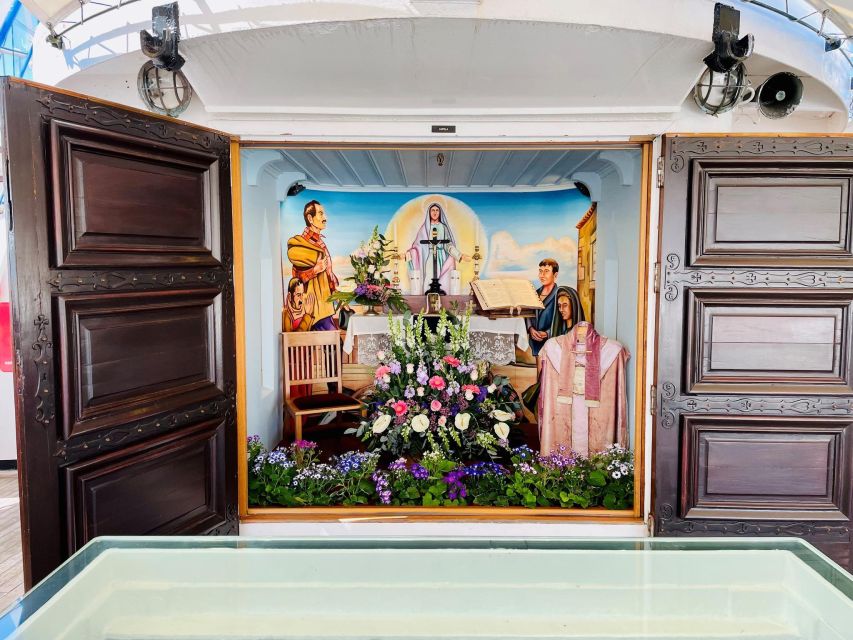
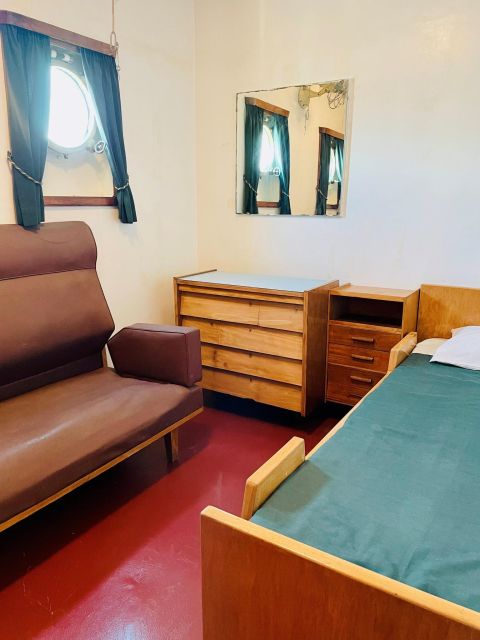
The cabins offer a useful counterpoint to the medical rooms. They show the human side of the ship, including the limited personal space available to people who spent long periods at sea.
The point is not luxury. The restored cabins help you picture the hard living conditions faced by cod fishermen in the 1950s. Their work took them far from Portugal, and the ship’s services were designed around that demanding reality.
The chapel adds another layer. Life at sea could be dangerous and lonely, and the presence of a chaplain reflects the importance of faith within the fleet. The chapel is not just another room on the route. It shows that the ship supported emotional and spiritual needs as well as physical ones.
The contrast between the chapel, cabins, hospital rooms, and engine spaces makes the visit feel complete. You are not seeing one narrow part of maritime life. You are seeing a small floating society, with work, care, worship, food, machinery, and sleep all packed into one vessel.
A few more Porto outings to weigh up
- Rafting em Melgaço, Rio Minho
★ 5.0 · 14 reviews - Viana do Castelo Costume Museum
★ 4.7 · 13 reviews - Horseback Riding Tour
★ 4.4 · 13 reviews - Viana do Castelo: Clay, Ceramics and Tea Workshop
★ 5.0 · 13 reviews
The engine room and the ship’s hard work
The engine room gives you a look at the force needed to keep the Gil Eannes moving and working. It also reminds you that a hospital ship is still a ship first. It needed propulsion, power, supplies, and a crew capable of maintaining its systems.
This is an important stop for anyone interested in engineering or working vessels. The ship was an icebreaker and tugboat as well as a hospital and supply ship. Its machinery supported every other service on board.
The engine room can also help younger visitors understand the scale of the vessel’s operation. The hospital did not float in isolation. It depended on a large mechanical system, and that system had to keep working in cold, remote waters.
As with other areas, access can be tight. Anyone who finds stairs, confined corridors, or uneven ship spaces difficult should take the warning about mobility seriously. The attraction is built into a working vessel, not a modern museum designed around easy access.
A ship that nearly disappeared
The Gil Eannes completed its last voyage supporting the cod fleet in 1973. In 1975, it made a final journey as a hospital ship, this time providing medical and hospital aid during the withdrawal of troops after Angola became independent.
The vessel was decommissioned in 1984. It then spent years at Lisbon port, being moved from pier to pier. By 1997, the ship had been sold to a scrap dealer and was due to be dismantled. Much of its equipment had been removed, and the vessel was in poor condition.
Its return to Viana do Castelo is part of the attraction’s story. The local community worked to bring the ship back to the city where it had been built. It returned on January 31, 1998, and later underwent major restoration at the Viana do Castelo shipyard.
That rescue gives the museum a strong local connection. The Gil Eannes is not simply a ship placed in a Portuguese port because there was room for it. It came home. The museum also operates under the Gil Eannes Foundation, a nonprofit organization that owns the ship.
As you move through the restored rooms, it is worth keeping this near-loss in mind. The ship’s survival was not guaranteed. Without local action, the operating theatre, chapel, cabins, and engine spaces would have disappeared into scrap.
Is $6 good value?
At $6 per person, I consider the entry price very reasonable. You are not paying for a short guided explanation or one small gallery. You get access to a substantial museum ship with several distinct areas to explore.
The value is strongest if you enjoy history, ships, engineering, medicine, or local culture. Families can also get good value from the special child arrangement. If you buy two tickets, you may add up to four children aged 7 to 16 for just €2 extra. That additional amount is paid directly at the ship entrance, so do not assume it is included in the original online payment.
The child-ticket detail deserves attention because the booking information can be easy to misunderstand. Check the arrangement carefully before you arrive, and be ready to pay the €2 at the entrance if you are using the family offer.
The visit is listed as valid for one day rather than as a tightly timed tour. That gives you flexibility. You can fit it into a day in Viana do Castelo and take your time with the ship’s rooms. Starting times depend on availability, so you should check the available time when booking.
The experience includes entry to the ship. It does not describe transport, meals, or a separate guided tour as part of the ticket. Portuguese, Spanish, and English assistance is available from a host or greeter, which is useful if you want basic help during your visit.
What kind of visitor will enjoy it most?
I would recommend the Gil Eannes to anyone who prefers real places over polished displays. It suits adults interested in Portugal’s maritime past, families with older children, and anyone curious about how medicine worked at sea.
The ship is also a good choice for visitors who want an attraction with a strong local connection. Because it was built in Viana do Castelo and later returned from the scrapyard, the visit connects the city to its shipbuilding and fishing traditions.
Children aged 7 to 16 can enter under the special family arrangement, but the ship’s subject matter may appeal more to older children who can follow the connection between the medical rooms, fishing fleet, and life at sea. The engine room, bridge, and working spaces offer variety beyond the hospital exhibits.
I would think twice if you need step-free access or have difficulty navigating confined spaces. The attraction specifically says it is not suitable for people with mobility impairments or visual impairments. That is an important limitation, not a minor footnote.
The experience also may not suit you if you want a polished, highly structured tour with a set performance or a long live lecture. The information provided describes access to the restored ship spaces, with multilingual host or greeter support, rather than a full guided itinerary led by a named guide.
Practical advice for a better visit
Start with the ship’s larger purpose in mind. Do not treat the bridge, galley, bakery, engine room, hospital, cabins, and chapel as unrelated rooms. Each one explains a different part of how the vessel supported the cod fleet.
Give extra attention to the rooms that show daily life. The galley, bakery, and cabins help you picture the people behind the ship’s official mission. The medical spaces show the risks of fishing far from shore. The engine room shows what kept all of it possible.
If you are visiting with children, explain the family ticket at the counter and keep the extra €2 ready for payment there. The child offer applies when you buy two tickets and allows up to four children aged 7 to 16.
Book with some flexibility if your wider Portugal plans may change. You can cancel up to 24 hours before the visit for a full refund, and the reserve-now, pay-later option means you do not have to pay at the time of booking. Still, check availability for the starting time you want.
The published rating is 4.8 from 45 reviews, and the strongest praise centers on the ship’s unusual nature and its convincing picture of daily life aboard a hospital vessel. One recent Portuguese review raised a concern about how the children’s admission is presented, so I would pay close attention to that condition before booking.
Should you book the Gil Eannes?
Yes, if you want a modestly priced, distinctive museum in northern Portugal. The Gil Eannes gives you access to a preserved hospital ship with a clear purpose and a wide range of rooms, from the operating theatre to the bakery and engine room.
Book it especially if you like practical history. You will learn how cod fishermen were supported, but you will also see how medicine, food, faith, machinery, mail, fuel, and rescue work fitted together at sea.
Skip it if access through narrow shipboard areas will be difficult, or if your group needs full visual accessibility. For everyone else, the $6 ticket offers a thoughtful look at a tough chapter of Portuguese maritime life, with enough variety to keep the visit from feeling like a single-room museum.
FAQ
Where is the Gil Eannes Hospital Ship Museum?
The museum ship is in Viana do Castelo in Portugal’s Norte Region. It was built at the Viana do Castelo shipyard and later returned to the city.
How much does admission cost?
The listed price is $6 per person. Entry tickets to the ship are included.
How long is the visit?
The activity is valid for one day. Starting times depend on availability, so check the available options when booking.
What rooms can I see aboard the ship?
The restored areas include the bridge, galley, bakery, engine room, operating theatre, doctor’s surgery, treatment room, radiology room, cabins, chapel, temporary exhibit rooms, and other ship spaces.
What languages are available?
Host or greeter assistance is available in Portuguese, Spanish, and English.
Can children visit at a reduced price?
If you buy two tickets, you may add up to four children aged 7 to 16 for an additional €2. This amount is paid directly at the ship entrance.
Is the ship suitable for people with mobility impairments?
No. The experience is listed as unsuitable for people with mobility impairments.
Can I cancel my booking?
Yes. You can cancel up to 24 hours in advance for a full refund. A reserve-now, pay-later option is also available.
Latest reviews around Porto
- Private Walking Tour, highlights and secrets of Porto★ 3.9 · 3 reviews
- Private Porto Half-Day Tour – Wine Cellars & Cheese Tasting★ 5.0 · 3 reviews
- Portuguese Wine Tasting w Local Cheese & Cold Cuts pairing★ 5.0 · 3 reviews
- Small Painting Group with a Local Artist in Porto★ 5.0 · 3 reviews
- From Peso da Régua: Visit 3 wineries, tasting and viewpoint★ 5.0 · 3 reviews
- Porto: Full-Day All-Inclusive Private City Sightseeing Tour★ 4.3 · 3 reviews
- From Arouca: Paiva River Rafting Adventure – Adventure Tour★ 5.0 · 3 reviews
- Private Tour to Santiago de Compostela and its stunning Cathedral★ 5.0 · 3 reviews
Museums, compared.

Porto: Cálem Cellar Tour, Interactive Museum & Wine Tasting
Read our review →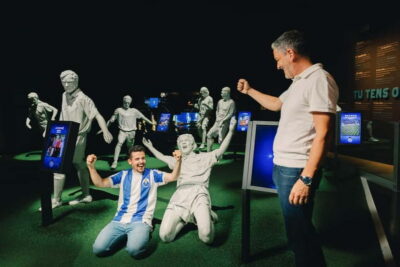

Porto: Entry Ticket at WOW – The Wine Experience Museum
Read our review →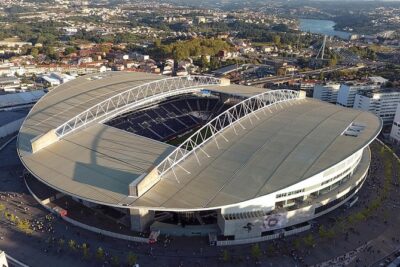

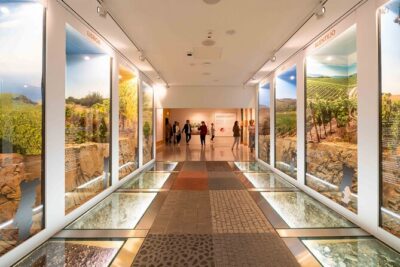
Porto: Wine Experience Museum with 3 Wine Tastings
Read our review →
Porto: Pink Palace – Immersive Rosé Wine Museum with 5 Tastings
Read our review →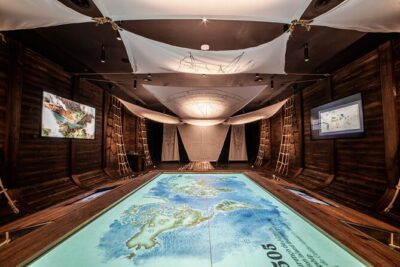
Porto: WOW District 48-hours ticket for 6 museums
Read our review →Browse the lists this tour appears in