
Reviewed · MUSEUMS
Viana do Castelo Costume Museum
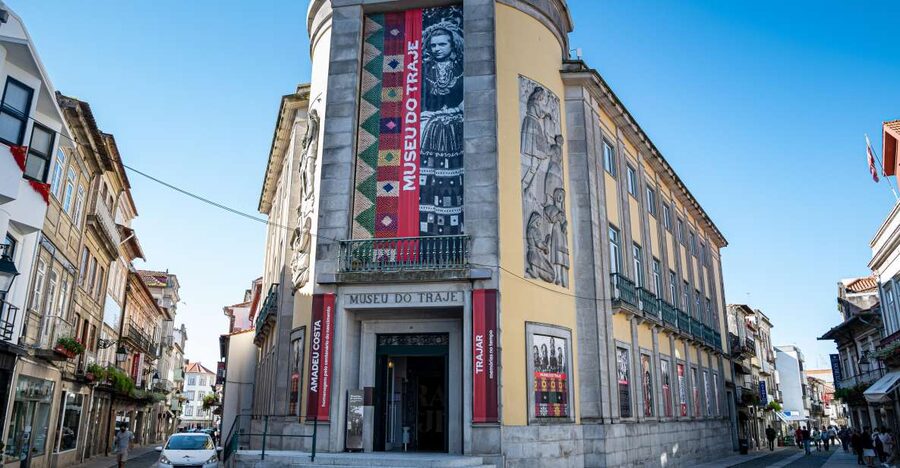
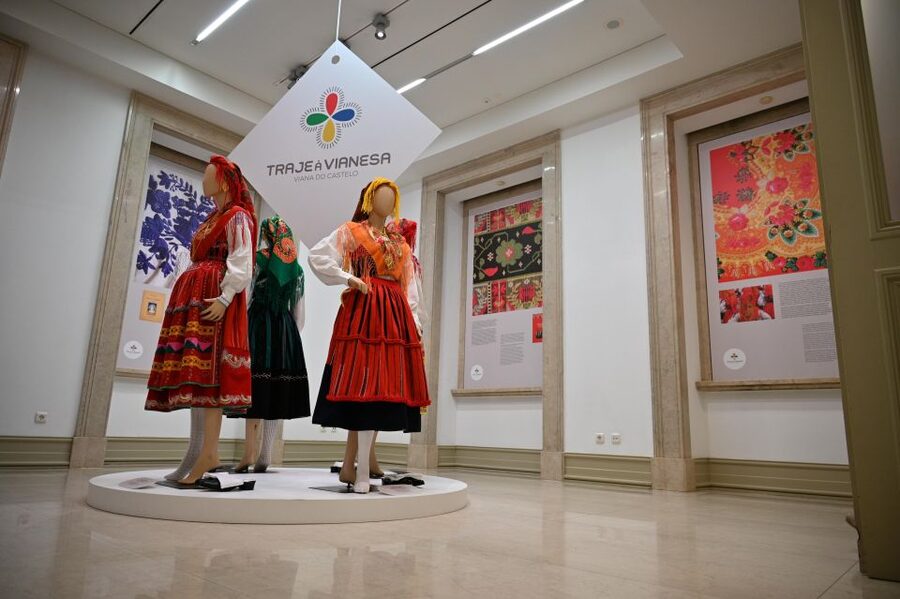
The most striking part of this museum is the way clothing and jewelry explain local identity. Inside the former Bank of Portugal, you see regional costumes from Viana do Castelo alongside the gold filigree that gives the area much of its visual character.
I like the careful presentation of the women’s costumes and the separate collection of Portuguese popular jewelry, especially the Heart of Viana. I also like the low $2.83 price and the added access to the Museum of Decorative Arts. The main drawback is that museum assistance is in Portuguese, so visitors who do not read Portuguese may need to take more time with the displays.
In This Review
- Key points to know before you go
- Traditional dress inside a former Bank of Portugal
- The costume galleries reward a slow look
- Gold filigree and the Heart of Viana
- Your ticket also reaches the Museum of Decorative Arts
- What the Portuguese-language format means for you
- Comfort, access, and family details
- Is $2.83 good value?
- Who should make time for this museum?
- Final verdict: Book it if you want local culture at a small price
- FAQ
- How much does admission to the Viana do Castelo Costume Museum cost?
- How long is the ticket valid?
- Is the museum wheelchair accessible?
- Is the museum suitable for families with young children?
- What language is used by the host or greeter?
- Can I bring food or take flash photographs inside?
Key points to know before you go
- Former Bank of Portugal setting: The museum occupies a handsome, repurposed civic building in Viana do Castelo.
- Regional clothing collection: See traditional costumes from the municipality, with a strong focus on women’s dress.
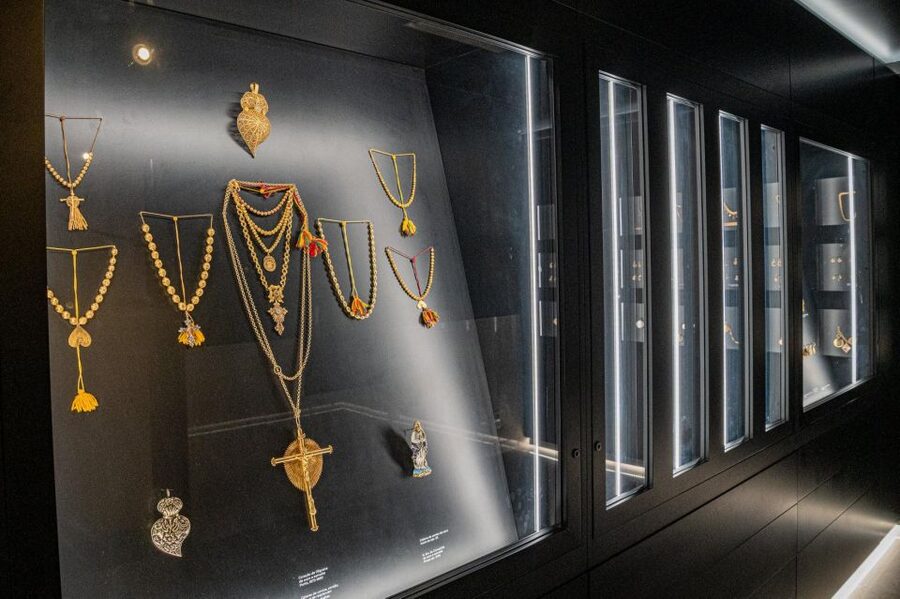
- Gold filigree jewelry: Look for the famous Heart of Viana, along with other delicate pieces linked to northern Portugal.
- Two museums on one ticket: Admission also includes the Museum of Decorative Arts.
- Accessible and family-friendly facilities: The building has wheelchair access and a nursery.
- Simple, flexible admission: Your ticket is valid for one day, with free cancellation up to 24 hours before the visit.
Traditional dress inside a former Bank of Portugal
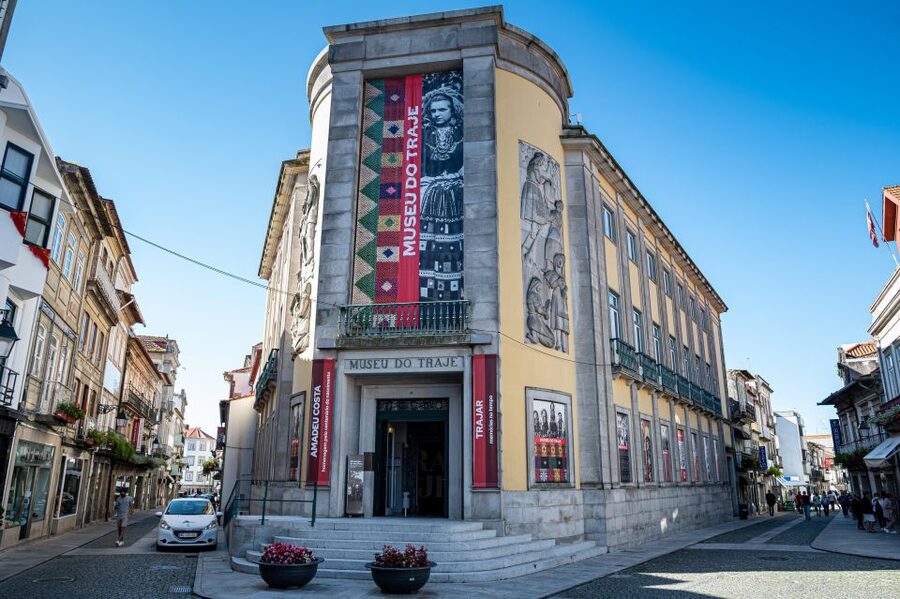
The Viana do Castelo Costume Museum is not a large theme attraction dressed up as a museum. It is a permanent, non-profit institution devoted to the popular culture of the Alto Minho region. That focus gives the visit a clear purpose: you are here to understand how local people expressed identity through clothing, jewelry, craft, and ceremony.
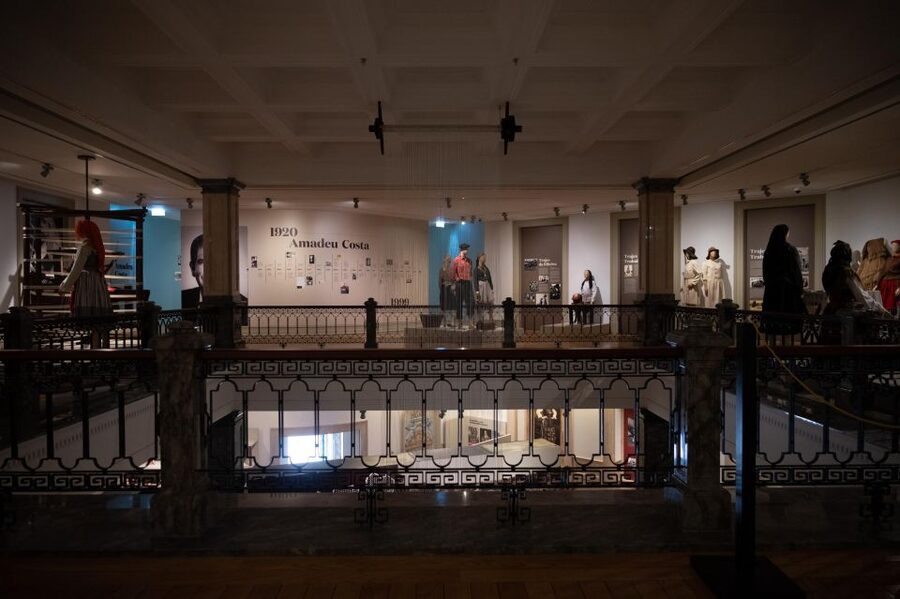
The setting helps. The museum occupies the former Bank of Portugal building in Viana do Castelo, giving the collection a formal home with large exhibition halls. The old banking function may sound like a minor detail, but it changes the feel of the visit. Rather than wandering through a modern display box, you move through rooms with civic weight and a strong sense of place.
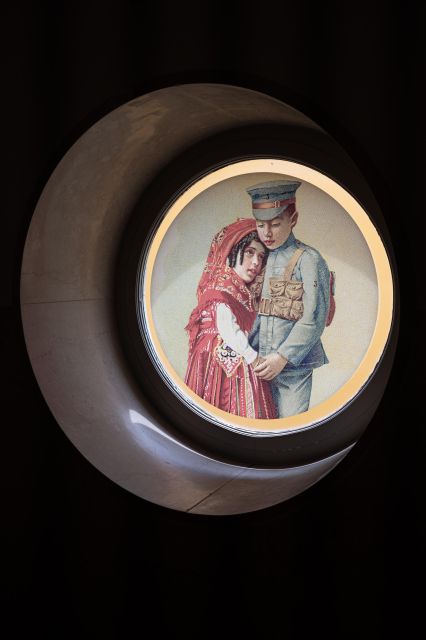
The collection centers on costumes from the municipality of Viana do Castelo. Traditional regional clothing can look decorative at first glance, but it also carries information about work, status, celebration, and community. Pay attention to the colors, layers, embroidery, and accessories. The clothing is not simply pretty fabric. It is a record of how people presented themselves in public.
The displays focus mostly on women’s costumes, which makes the jewelry especially important. The clothing and ornaments are best understood together. A bright costume without its jewelry tells only half the story, while the gold pieces reveal how personal dress could also signal pride, tradition, and belonging.
More museums and galleries in Porto:
- Porto: Cálem Cellar Tour, Interactive Museum & Wine Tasting
★ 4.5 · 4,113 reviews - FC Porto: Museum & Tour
★ 4.6 · 2,826 reviews - Porto: Entry Ticket at WOW – The Wine Experience Museum
★ 4.7 · 356 reviews
The costume galleries reward a slow look
You can move through the large exhibition halls at your own pace. The information provided does not specify a fixed tour route, a timed presentation, or a named guide, so plan this as a self-directed museum visit with Portuguese-language assistance available.
That format suits the collection. Clothing deserves time. A quick circuit will show you colors and silhouettes, but a slower visit lets you compare the details between costumes. Look at the relationship between the garments and their accessories. Notice how much visual effect comes from small elements rather than from one dramatic object.
The museum’s mission includes research, inventory, conservation, exhibition, interpretation, and education. For you, that means the visit is meant to do more than display old clothes. The institution works to safeguard popular culture and explain it to the public. You may not need to know the technical work behind each case, but it helps explain why the displays feel organized around cultural meaning rather than random souvenirs.
The strongest appeal is the sense of time travel. One recent Portuguese visitor described the experience as a trip through time, and that is a useful way to approach it. You are not only looking at garments from the past. You are seeing how a region preserved a recognizable public image through dress.
If you are interested in costume design, textile work, local festivals, or portrait photography, give the clothing rooms extra attention. If your interest is mainly in architecture or famous paintings, the visit may feel more specialized. This museum’s rewards come from close observation, not from a long list of internationally famous objects.
Gold filigree and the Heart of Viana
The jewelry collection is the other major reason to come. Northern Portugal is known for gold filigree, a delicate technique that turns fine strands of metal into intricate shapes. Here, the pieces connect the personal scale of jewelry with the larger visual language of the costumes.
The Heart of Viana deserves special attention. This heart-shaped ornament is strongly associated with Viana do Castelo and appears in earrings, necklaces, and other forms of jewelry. It is one of those symbols that can look familiar from photographs, yet becomes more interesting when you see the craftsmanship at close range.
I like this section because it makes the museum feel more complete. The costumes show the body dressed for public life. The jewelry shows how decoration, wealth, affection, and regional identity could be worn close to the body. The small size of many pieces also changes your pace. You need to step closer and study the fine patterns instead of simply taking in a large costume from across a room.
Do not treat the gold as a separate luxury display with no link to the clothes. The two collections belong in the same conversation. A traditional costume is shaped by its accessories, and the accessories gain meaning from the outfit and setting around them.
Photography is allowed only without flash. That rule matters here, since the jewelry cases can tempt you to use extra light in a dim room. Keep the flash off, and be prepared for some photographs to be less successful than your eyes. The museum’s own displays come first.
Your ticket also reaches the Museum of Decorative Arts
Admission includes access to the Museum of Decorative Arts, adding value to an already inexpensive ticket. The supplied information does not detail the exact objects or route in that museum, so I would treat it as a companion collection rather than plan your entire day around a specific masterpiece.
That extra access makes the Costume Museum easier to recommend. At $2.83 per person, you are paying very little for two related cultural stops in the same city. Even if the costume galleries are your main reason for coming, the added museum gives you another reason to spend time in the building and broadens the visit beyond clothing.
The phrase decorative arts covers objects valued for both use and appearance. In this setting, that makes sense beside costume and jewelry. You can think about how practical objects, clothing, and adornment all shape a culture’s visual identity.
The ticket is valid for one day, so you have room to fit both museums into your schedule without treating the visit like a timed race. Starting times depend on availability, and the booking information does not give a fixed length for the museum visit. I would allow enough time to read and compare displays rather than squeeze it into the few minutes before another appointment.
A few more Porto outings to weigh up
- Visit to Gil Eannes hospital Ship Museum
★ 4.8 · 45 reviews - Rafting em Melgaço, Rio Minho
★ 5.0 · 14 reviews - Horseback Riding Tour
★ 4.4 · 13 reviews - Viana do Castelo: Clay, Ceramics and Tea Workshop
★ 5.0 · 13 reviews
What the Portuguese-language format means for you
The host or greeter language is Portuguese. This is the most important practical limitation to consider before booking. The museum’s subject is highly visual, so you can still understand plenty from the objects themselves, but detailed labels and explanations may require more effort if you do not read Portuguese.
Bring patience rather than expecting a guided presentation in English. The available information does not identify a guide by name or promise multilingual interpretation. You should not book this expecting a private English tour.
That said, language limits do not erase the collection’s appeal. Color, pattern, shape, and craftsmanship communicate a great deal without translation. You might also find that the museum works well as part of a broader day in Viana do Castelo, especially if you already have some context about northern Portuguese traditions.
The museum joined the Portuguese Museum Network in 2004. That status places it within a national museum framework and reflects its role in preserving cultural assets from the Alto Minho region. For you, it is a useful sign that the institution is not simply a temporary display of local objects. Its work includes long-term care, study, and public education.
Comfort, access, and family details
The museum provides access for people with reduced mobility. That makes the large exhibition halls easier to consider if stairs or uneven access are a concern, although the supplied information does not describe every internal feature. If you need exact details about lifts, toilets, or seating, confirm them directly before arrival.
A nursery is also available. That is a practical touch for families with very young children, though the information does not explain its equipment, location, or operating arrangements. You can reasonably see this as a family-friendly facility, but do not assume it provides childcare.
Food and drinks are not allowed inside. Plan to eat before or after your museum visit rather than carrying snacks into the galleries. Flash photography is also prohibited, so keep your camera settings respectful of the displays.
These rules are ordinary for a museum, but they affect how you plan the stop. The visit works best when you are ready to look closely, keep the rooms calm, and give the costumes and jewelry your full attention.
Is $2.83 good value?
At $2.83 per person, this is one of the easier cultural purchases to justify in Viana do Castelo. The price covers the Costume Museum and access to the Museum of Decorative Arts, not just a single small display.
Value here depends on your interests. If you enjoy local culture, textiles, jewelry, or traditional dress, the price is excellent. The Heart of Viana alone may be enough to make the stop worthwhile for anyone interested in Portuguese craft and design.
If you prefer large paintings, dramatic archaeological ruins, or a museum with extensive English interpretation, you may find the experience less satisfying. The collection is specific, local, and more contemplative than showy. That is not a flaw, but it is useful to know before you spend part of your day there.
The strong rating of 4.7 from 13 verified bookings supports the idea that the museum delivers a well-organized visit, but the number of ratings is small. I would read that as encouraging rather than definitive. The most consistent strengths are the clean, comfortable presentation, the detailed displays, the traditional costumes, and the gold jewelry.
Who should make time for this museum?
I would recommend it to anyone spending time in Viana do Castelo who wants local culture rather than a generic attraction. It is particularly well suited to:
- People interested in Portuguese regional traditions
- Anyone curious about traditional women’s clothing
- Jewelry lovers and admirers of gold filigree
- Visitors who want to understand the Heart of Viana
- Families who need wheelchair access or a nursery
- Budget-conscious visitors looking for two museum collections under one ticket
You may want to shorten the visit if your schedule is packed or your interest in costume is limited. The museum does not promise a named English-speaking guide, a fixed guided itinerary, or extensive multilingual support. Those are important considerations for anyone who depends on spoken interpretation.
For the right audience, though, the focused subject is the attraction. You leave with a clearer sense of how Alto Minho culture uses dress and ornament to tell its story.
Final verdict: Book it if you want local culture at a small price
I would book the Viana do Castelo Costume Museum if you want a low-cost, focused look at regional Portuguese culture. The former Bank of Portugal setting, the women’s costumes, the gold filigree, and the Heart of Viana give the visit a clear identity. The included Museum of Decorative Arts makes the price even easier to defend.
Go with realistic expectations. This is not an all-day guided tour, and the available assistance is in Portuguese. It is a museum visit built around careful looking, with large halls, accessible facilities, and a collection that rewards attention to detail.
If you have only a short time in Viana do Castelo, choose this museum when clothing, craft, and local identity interest you more than broad art collections. If those subjects appeal, $2.83 buys an unusually useful introduction to the region.
FAQ
How much does admission to the Viana do Castelo Costume Museum cost?
The listed price is $2.83 per person. The ticket also allows access to the Museum of Decorative Arts.
How long is the ticket valid?
The ticket is valid for one day. Starting times depend on availability.
Is the museum wheelchair accessible?
Yes. The museum provides access for people with reduced mobility.
Is the museum suitable for families with young children?
The museum has a nursery, making it more practical for families with very young children. The available information does not specify the nursery’s equipment or arrangements.
What language is used by the host or greeter?
The host or greeter language is Portuguese. No English-language guide is specified.
Can I bring food or take flash photographs inside?
Food and drinks are not allowed. Flash photography is also prohibited.
Latest reviews around Porto
- Private Walking Tour, highlights and secrets of Porto★ 3.9 · 3 reviews
- Private Porto Half-Day Tour – Wine Cellars & Cheese Tasting★ 5.0 · 3 reviews
- Portuguese Wine Tasting w Local Cheese & Cold Cuts pairing★ 5.0 · 3 reviews
- From Peso da Régua: Visit 3 wineries, tasting and viewpoint★ 5.0 · 3 reviews
- Porto: Full-Day All-Inclusive Private City Sightseeing Tour★ 4.3 · 3 reviews
- Small Painting Group with a Local Artist in Porto★ 5.0 · 3 reviews
- Private Tour to Santiago de Compostela and its stunning Cathedral★ 5.0 · 3 reviews
- From Arouca: Paiva River Rafting Adventure – Adventure Tour★ 5.0 · 3 reviews
Museums, compared.

Porto: Cálem Cellar Tour, Interactive Museum & Wine Tasting
Read our review →

Porto: Entry Ticket at WOW – The Wine Experience Museum
Read our review →
Porto: Wine Experience Museum with 3 Wine Tastings
Read our review →
Porto: Pink Palace – Immersive Rosé Wine Museum with 5 Tastings
Read our review →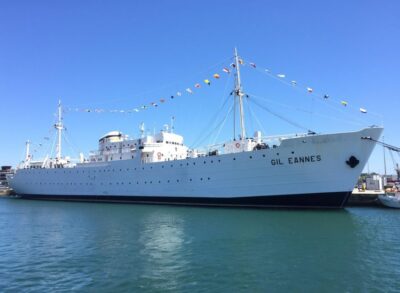
Browse the lists this tour appears in