
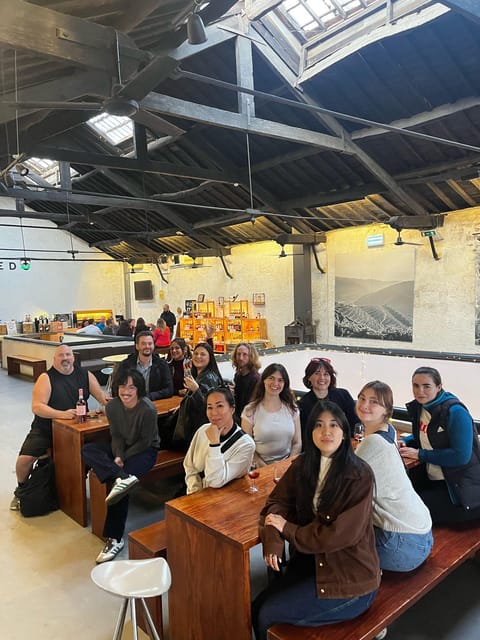
Reviewed · PORT WINE CELLAR TOURS
Porto: Port Wine Tour with 7 Port Tastings
The clever part of this Port wine tour is its three-stop plan. You begin beside Porto’s lower Luis I Bridge, walk along the Douro into Vila Nova de Gaia, then compare seven Ports from one major house and two smaller producers. That gives you more than a cellar visit. You get a useful lesson in how Port differs from ordinary wine.
I like the range of producers and the way the tastings build from place to place. I also like that the guides, including Alex, Kevin, Francisco, Cyril, Laura, and Lara, bring Porto’s wider story into the talk instead of treating the wine as an isolated subject. The main drawback is simple: seven fortified wine samples over four hours can feel strong, especially if you arrive without eating.
In This Review
- Key points to know before booking
- Starting at the lower Luis I Bridge
- The first cellar gives you the big picture
- Two smaller producers change the tone
- Seven tastings, with a lesson behind each glass
- The guides make or break the afternoon
- Why the Porto to Gaia walk matters
- Who will get the most from this tour
- Practical value at $54 per person
- Should you book this Port tasting?
- FAQ
- Where does the Port wine tour meet?
- How long does the tour last?
- How many Port wines are included?
- Is food included?
- Is the tour suitable for children?
- Is the tour suitable for wheelchair users?
Key points to know before booking
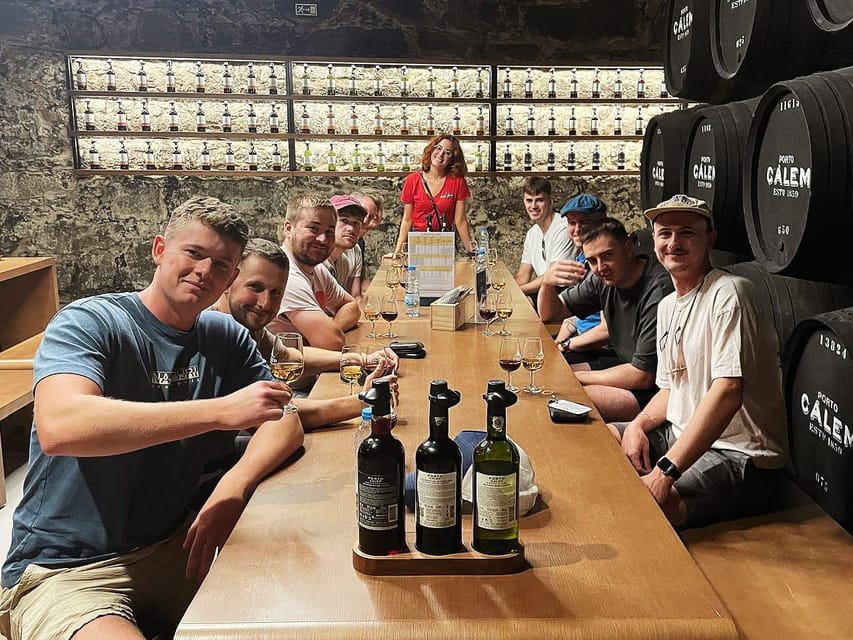
- Seven Ports, three venues: Taste two wines at the first house, two at a smaller producer, and three at the final stop.
- A useful introduction to Port families: The guide explains how to spot differences in style and when each type is normally served.
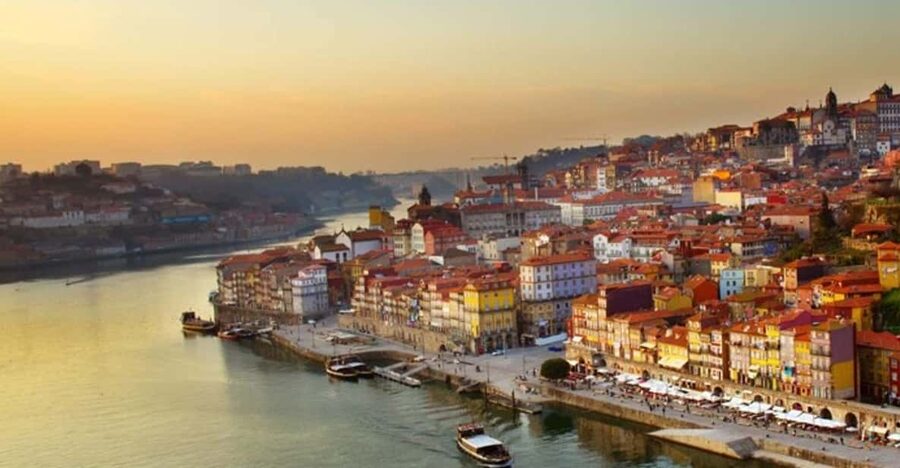
- Porto to Gaia on foot: The route begins at the Douro and crosses into the historic cellar district with a small amount of walking.
- Big producer plus small producers: You see how a famous Port house compares with quieter, lower-production businesses.
- Strong guide-led experience: Alex, Kevin, Francisco, Cyril, and other guides are praised for clear explanations, humor, and group conversation.
- Good value for serious tasters: At $54 per person, the price includes seven tastings, three venues, and a four-hour English tour, but not food.
Starting at the lower Luis I Bridge
Your meeting point is on Porto’s side of the Douro, beside the large granite pillars of the old Ponte Pensil bridge. Look for the guide wearing a red Porto Walkers shirt or jacket. This detail matters because the Luis I Bridge has two levels, and the meeting point is on the lower level, not the upper road and Metro level.
The opening walk sets the scene before the first glass appears. Your guide explains how Port became tied to Porto and to the cellars across the river in Vila Nova de Gaia. You are not simply being led from one tasting room to another. The walk gives you a sense of why the river, the two cities, and the cellar district belong in the same wine story.
You should allow a little extra time to find the exact spot. If you end up on the upper level of the bridge, the operator asks you to call for help. That is a small practical point, but it can prevent a rushed start.
The route involves some walking and uneven surfaces. The activity is described as wheelchair accessible in its general details, but the specific guidance says it is not recommended for people with mobility impairments or wheelchair users because of the surfaces. I would treat the uneven-ground warning as the more useful advice and ask the operator before booking if access is important to you.
More port wine cellars to visit:
- Porto: Live Fado Show with Glass of Port Wine
★ 4.8 · 6,498 reviews - Porto: Cálem Cellar Tour, Interactive Museum & Wine Tasting
★ 4.5 · 4,113 reviews - Porto: Cálem Cellar Tour, Fado Show & Wine Tasting
★ 4.4 · 3,530 reviews
The first cellar gives you the big picture
The first venue is one of the more prestigious Port houses in Vila Nova de Gaia. Here, you receive a guided visit to the museum and wine cellar, followed by two Port tastings.
This is the most structured part of the tour. You learn about the production process, the role of barrels, and the cork used to preserve the wine. The cellar setting helps make those points concrete. Port is not just sweet wine poured into a small glass, and this first visit gives you the vocabulary to understand what comes next.
The guide also explains how and when to drink Port. That is valuable because many first-time drinkers know only the broad idea of Port as a dessert drink. The tour works toward a more precise understanding of the different Port families and the occasions for serving them.
The large-house setting has one clear advantage: it provides context and scale. You can expect a formal introduction to the category, rather than an informal chat with only a few bottles on a counter. The possible tradeoff is that the first stop may feel less personal than the smaller producers later in the afternoon.
The first two glasses are best treated as reference points. Do not rush to decide which Port you like. Pay attention to how the guide describes color, sweetness, weight, and serving habits, then use those points to compare the remaining five samples.
Two smaller producers change the tone
The second and third venues focus on smaller producers. This is where the tour becomes more distinctive than a standard visit to one famous cellar.
One small producer mentioned during the experience makes roughly 50,000 bottles a year, a scale that gives you a different view of Port production. You may hear more about individual choices and family businesses than you would at a major brand. The final two stops are also described as quieter places, which can make the tastings feel more relaxed.
At the second venue, you taste two more Ports. At the last producer, you taste three. The seven wines are selected to help you understand the differences between Port families, not simply to hand you seven versions of the same drink.
That comparison is the heart of the afternoon. You might prefer the red Ports to the white ones, as one first-time taster did, or find that the whites show a style you had not expected. The useful result is not that you must choose a favorite. It is that you leave able to describe what you prefer and why.
The small-producer stops also make the tour feel more connected to local business. If you like seeing beyond the best-known names, this is a strong feature. The exact producers can vary, so I would not book it expecting a particular cellar or brand.
Seven tastings, with a lesson behind each glass
Seven samples sound generous, and they are. At $54, you are paying about $7.70 per tasting before assigning any value to the guide, the cellar entrances, the museum visit, and the four hours of instruction. For Porto, that is a solid package if you intend to learn rather than simply buy one drink.
The quality and variety of the samples are central to the experience. You taste two Ports at the major house, two at the second venue, and three at the last producer. The selection is meant to show the different families, so the afternoon has a clear educational purpose.
Port is fortified, and that higher alcohol level can surprise newcomers. You should eat before the tour because no food tastings are included. One stop may offer cheese, but that is not part of the stated package and should not be counted on as a meal.
I would also pace yourself. Seven small pours are not the same as seven full glasses, but the alcohol adds up. The best approach is to focus on the tasting and discussion, drink water when available, and avoid planning a demanding activity immediately afterward.
The guide encourages questions about the wine, the barrels, cork, Porto, and Portuguese culture. That open format seems especially useful for beginners. You do not need a deep background in wine to take part, and you can ask basic questions without feeling out of place.
More Porto wine tastings worth an afternoon:
- From Porto: Douro Valley w/ Boat Tour, Wine Tasting & Lunch
★ 4.7 · 19,061 reviews - Complete Douro Valley Wine Tour with Lunch, Wine Tastings and River Cruise
★ 5.0 · 12,920 reviews - Douro Valley: Wine Tour with Lunch, Tastings & River Cruise
★ 4.6 · 6,081 reviews - Douro Valley: Historical Sites, Wine Experience, Lunch & Cruise
★ 5.0 · 5,133 reviews
The guides make or break the afternoon
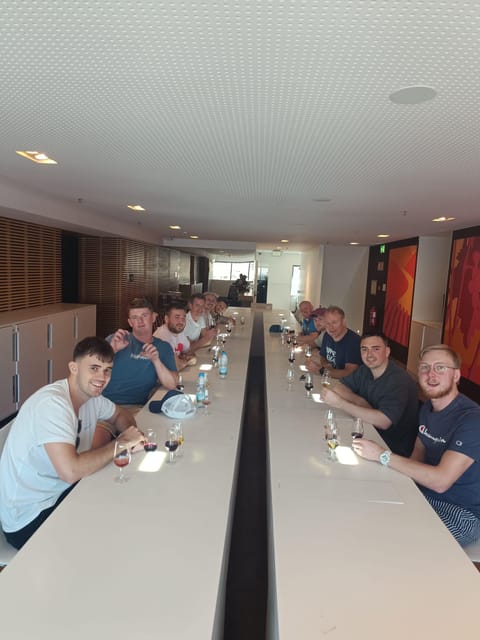
The strongest praise goes to the guides. Alex is described as funny, clear, and able to keep a group involved. Kevin is repeatedly singled out for combining humor with strong knowledge of Port and Porto. Francisco is praised for his relaxed manner, history lessons, and willingness to answer questions.
Cyril is known for an entertaining delivery and for discussing Portuguese culture along with wine. Laura brings wine knowledge and practical suggestions for restaurants and other things to do in Portugal. Lara has also led the tour in a friendly, lighthearted way, including for solo participants.
These names are useful, but you should not assume you can select one. Guides vary by date and availability. The consistent pattern is more important: the experience depends on a live English-speaking host who keeps the group talking and makes technical details easy to follow.
Group size can vary. One afternoon had five people, while another had 16. A smaller group may give you more room for questions and personal attention. A larger group can feel more social, especially if the guide manages the conversation well. The tour does not promise a fixed group size, so book it for the format, not for a guaranteed intimate gathering.
The social side is a pleasant bonus. Solo visitors can meet people from different countries, and the shared tastings give the group an easy reason to talk. Some groups continue spending time together afterward, but that is not an organized part of the tour.
Why the Porto to Gaia walk matters
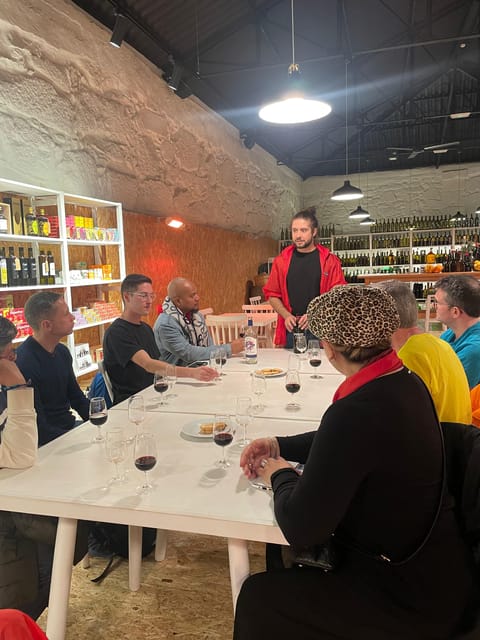
You could visit three Port cellars independently, but the guided walk links them into one clear route. Starting in Porto and ending among the Gaia lodges lets you see the geography behind the wine trade rather than arriving at isolated tasting rooms by taxi.
The Douro River adds a scenic pause between lessons. You can take in the waterfront as the guide explains the relationship between the two sides. The walk is described as easy by some participants, but uneven surfaces remain a real consideration, and rainy weather can make the route less comfortable.
Bad weather does not automatically ruin the outing. Shelter was provided during one rainy start, and the guide adjusted the experience accordingly. Still, wear shoes that handle uneven ground and bring weather protection. You should expect a walking tour, not a fully indoor tasting session.
The tour also saves planning time. Three entrances, seven samples, and an English guide are arranged in one four-hour block. That makes it useful early in a Porto visit, since you can use the information later when choosing a bottle, ordering Port after dinner, or deciding which cellar deserves a longer visit.
Who will get the most from this tour
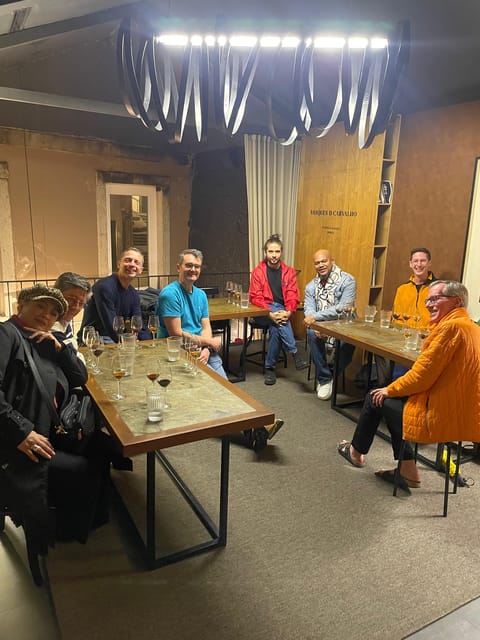
This is a good choice if you are new to Port and want a clear introduction without signing up for a full wine course. The guide explains the families, production, storage, and serving customs in plain language, then gives you several glasses to test the ideas.
It also suits wine drinkers who want comparison. Visiting one famous house and two smaller producers gives you a broader sense of the category than a single-brand tasting. You will not become an expert in four hours, but you should leave with a better sense of what you like.
Solo visitors can fit in well because the tasting format encourages conversation. Couples and friends will appreciate the simple logistics and the chance to compare their reactions. The experience is less suitable for anyone who dislikes fortified wine, cannot drink alcohol, or wants a food-focused tour.
Children are allowed only with an accompanying adult, and the minimum drinking age is 18. Adult pricing applies to all participants. Unaccompanied minors are not permitted.
Practical value at $54 per person
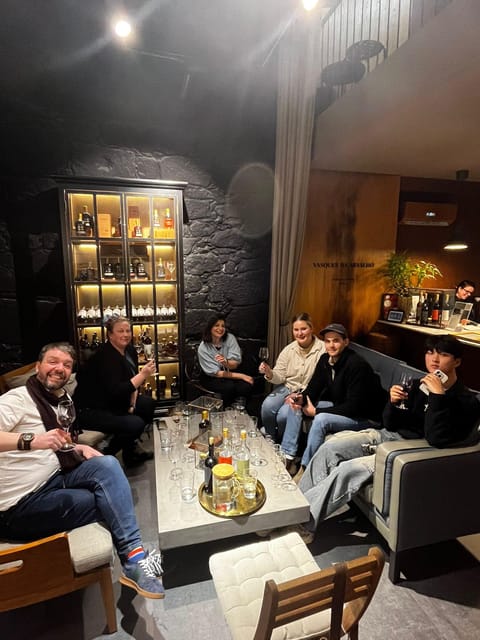
The $54 price includes the guided English tour, seven wine tastings, and entry to three venues. It does not include food, transportation, or a separate meal. Since the tour lasts four hours, the cost is reasonable for anyone who would otherwise pay separate cellar admission fees and tasting charges.
The value comes from the comparison. If you only want a single glass of Port and a quick cellar look, this is more than you need. If you want to understand the families and taste enough examples to make the differences clear, the seven-sample format earns its price.
The free cancellation policy allows cancellation up to 24 hours before the activity for a full refund. You can also reserve now and pay later, which is useful if your Porto schedule is still changing. Minimum numbers apply, so the operator may cancel if too few people book and will then offer an alternative or full refund.
Plan the timing carefully. Four hours is long enough to fill much of an afternoon, and seven tastings make it unwise to schedule a strenuous activity afterward. Eat first, arrive at the lower bridge meeting point early, and keep your evening flexible.
Should you book this Port tasting?
I would book this tour if you want seven clearly different samples, three cellar settings, and a guide-led explanation of Port rather than a quick drink with a view. The mix of a major house and smaller producers is especially helpful, and the guides bring plenty of humor and local context.
I would skip it if food is your main interest, if uneven walking surfaces are a serious problem, or if you prefer to taste only one or two Ports at your own pace. For everyone else, $54 buys a well-planned introduction to one of Porto’s defining drinks, with enough variety to make the lesson stick.
FAQ
Where does the Port wine tour meet?
Meet on the Porto side of the Douro, on the right side of the entrance to the lower level of the Luis I Bridge. The address is Rua da Ribeira Negra, 4000-509 Porto, beside the granite pillars of the old Ponte Pensil bridge. Look for the guide in a red Porto Walkers shirt or jacket.
How long does the tour last?
The tour lasts four hours. Starting times vary, so you need to check availability for the date you want.
How many Port wines are included?
Seven Port tastings are included. You taste two at the first venue, two at the second, and three at the final producer.
Is food included?
No. Food tastings are not included in the price. Eat before the tour, since seven fortified wine samples can feel strong on an empty stomach.
Is the tour suitable for children?
Children must be accompanied by an adult, and unaccompanied minors are not allowed. The minimum drinking age is 18, and adult pricing applies to all participants.
Is the tour suitable for wheelchair users?
The general activity information notes wheelchair accessibility, but the specific guidance says the tour is not recommended for people with mobility impairments or wheelchair users because of uneven surfaces. Contact the operator before booking if access is a concern.
Latest reviews around Porto
- Private Walking Tour, highlights and secrets of Porto★ 3.9 · 3 reviews
- Private Porto Half-Day Tour – Wine Cellars & Cheese Tasting★ 5.0 · 3 reviews
- Portuguese Wine Tasting w Local Cheese & Cold Cuts pairing★ 5.0 · 3 reviews
- From Peso da Régua: Visit 3 wineries, tasting and viewpoint★ 5.0 · 3 reviews
- Porto: Full-Day All-Inclusive Private City Sightseeing Tour★ 4.3 · 3 reviews
- Small Painting Group with a Local Artist in Porto★ 5.0 · 3 reviews
- From Arouca: Paiva River Rafting Adventure – Adventure Tour★ 5.0 · 3 reviews
- Private Tour to Santiago de Compostela and its stunning Cathedral★ 5.0 · 3 reviews
Port Wine Cellar Tours, compared.

Porto: Cálem Cellar Tour, Interactive Museum & Wine Tasting
Read our review →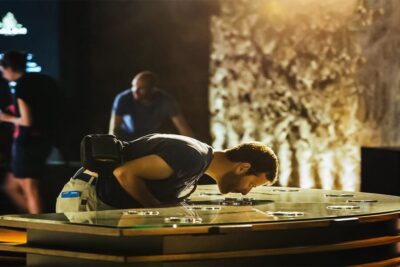
Porto: Cálem Cellar Tour, Fado Show & Wine Tasting
Read our review →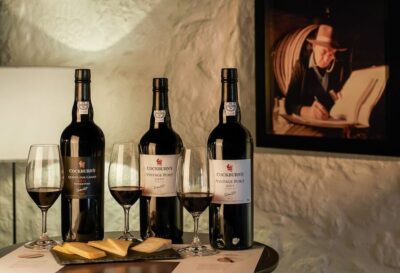
Porto: Cockburn’s Port Lodge Tour and Tasting
Read our review →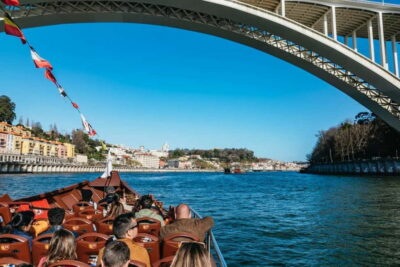
Porto: Bridges Cruise with Wine Cellar Tour or Sunset Option
Read our review →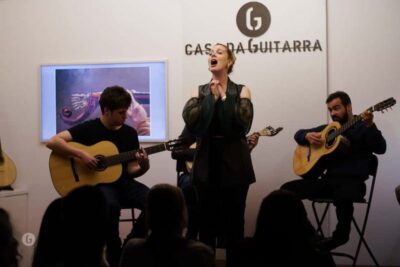
Porto: Authentic Fado Show, Port Wine & Handmade Instruments
Read our review →
Porto: City Train Tour, River Cruise & Wine Cellar
Read our review →
Porto: Live Fado Concert with Glass of Tawny Port Wine
Read our review →
Port Wine Lodges Tour Including 7 Port Wine Tastings (English)
Read our review →Browse the lists this tour appears in