Reviewed · PORTO TOURS
Visit Cockburn’s cantine
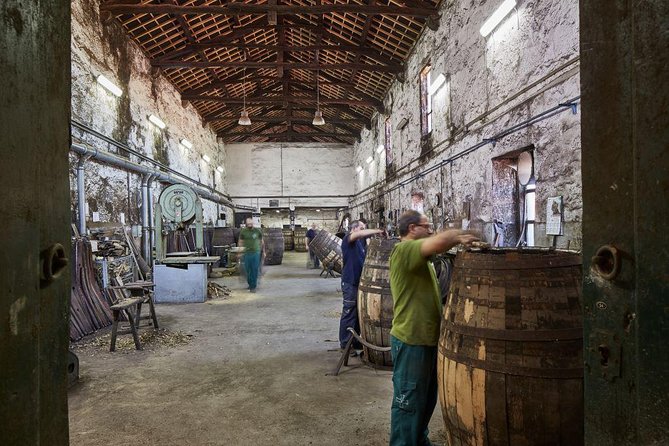
Cockburn’s cellar is a serious working wine lodge, not a polished tasting room built for show. Beneath its huge roof, 6,518 Port-aging vessels occupy the largest aging warehouse in Vila Nova de Gaia’s historic center. The visit explains how oak, time, blending, and careful tasting shape the wine in your glass.
I like the clear, hands-on explanations about vats and decanting, and I like that Cockburn’s still has its own coopers. Guides such as Manuel and Felipe bring warmth and detail to the hour-long visit. The main consideration is timing: the standard start is 4:00 pm, and the group can reach 30 people, so this is not a private cellar visit.
In This Review
- Key points to know before you go
- Inside Cockburn’s enormous aging warehouse
- What the guide explains about Port production
- Why Cockburn’s own coopers matter
- The tasting: three Ports and a useful comparison
- A close look at the 4:00 pm schedule
- How the guides shape the experience
- Is $40.12 a fair price?
- Who will enjoy this visit most?
- Practical details that affect your visit
- Should you book Cockburn’s Port Wine Lodge?
- FAQ
- Where does the Cockburn’s Port tour start?
- What time does the tour begin?
- How long does the Cockburn’s visit last?
- What is included in the price?
- How many Ports are tasted?
- Is photography allowed inside the cellar?
- What is the maximum group size?
- Can I cancel for a full refund?
Key points to know before you go
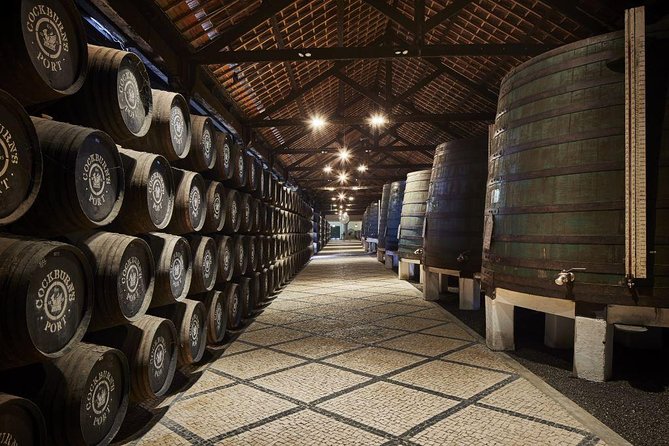
- 6,518 aging vessels fill the warehouse: Cockburn’s cellar gives you a strong sense of the scale behind Port production.
- The tour covers vats and decanting: You learn why Port moves between containers and how that affects its development.
- Three Ports are served with chocolate: The tasting offers useful contrasts rather than one indistinct sample.
- Guides make the difference: Manuel and Felipe have led especially warm, detailed visits, including tours in Italian.
- The visit lasts about one hour to 80 minutes: It fits neatly into an afternoon in Vila Nova de Gaia.
- The price is $40.12 per person: That is fair if you want both cellar access and a guided tasting, rather than a quick pour at a bar.
Inside Cockburn’s enormous aging warehouse
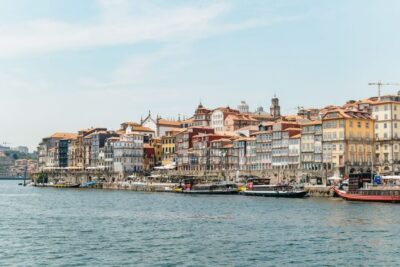
Cockburn’s Port Wine Lodge occupies a large aging warehouse in Vila Nova de Gaia, across the Douro from Porto. Its size is the first thing that gives the visit weight. You are not simply shown a few decorative barrels. You enter a working space where thousands of vessels hold Port as it waits for the right stage of maturity.
The cellar contains 6,518 Port-aging vessels beneath its broad roof. That number matters because it helps you understand why Port production is a patient business. Each cask or vat represents wine at a different point in its development, with the cellar team deciding when it should remain where it is, move elsewhere, or join a blend.
I find this setting more useful than a tasting-room lecture alone. The smell of oak and the sight of rows of aging containers connect the finished drink to the decisions made long before the bottle reaches your table. The warehouse also gives you a sense of why Vila Nova de Gaia became such an important home for Port lodges.
The wording around the cellar includes both casks and larger vessels, so expect to see different types of storage rather than one uniform row of barrels. Your guide explains the role of the different vats and how wine is transferred from one vessel to another.
A few more Porto outings to weigh up
- The Unvanquished Tour in Porto City Center
★ 5.0 · 26,497 reviews - From Porto: Douro Valley w/ Boat Tour, Wine Tasting & Lunch
★ 4.7 · 19,061 reviews - Complete Douro Valley Wine Tour with Lunch, Wine Tastings and River Cruise
★ 5.0 · 12,920 reviews
What the guide explains about Port production
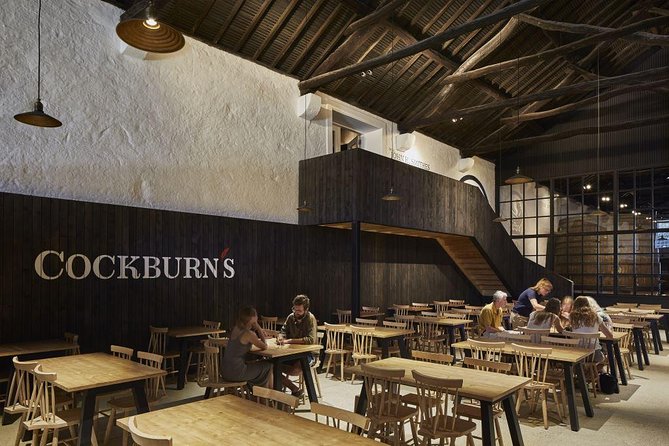
The tour is built around the process, not only the Cockburn’s name. You learn how Port is aged in oak and how tasters and wine specialists monitor it until it reaches the desired level of maturity. That makes the visit useful even if you know little about fortified wine.
A particularly worthwhile part concerns decanting and transfers. The guide explains why wine may move from one container to another and what those changes mean. This is the sort of detail that can be hard to grasp from a label or tasting note. Seeing the vessels while hearing the explanation makes the method easier to remember.
The cellar team also pays close attention to balance and style. Cockburn’s Special Reserve Port is given more time in wood than other Reserve Ports, according to the description of the lodge. The aim is a particular balance, and the visit gives you a better idea of why extra time in oak can shape a Port’s character.
The explanations are practical rather than overly technical. Manuel has been praised for making the subject easy to follow, while Felipe has led an Italian-language tour with both humor and passion. If you do not speak Italian, the English-language visit still appears to be the main choice, but the available information confirms that Italian guiding is offered on some departures.
Why Cockburn’s own coopers matter
One unusual detail is that Cockburn’s has its own crew of coopers. These are the specialists who work on the wooden vessels used for aging. You may not spend a long time watching coopering itself, but knowing that the lodge maintains this skill in-house adds useful context to the cellar tour.
Oak is not a neutral container. It allows the wine to develop over time, and the condition of each cask matters. A cellar with its own coopers can keep closer control over the vessels that hold the wine. That does not mean every part of production happens on-site, but it does show that the wooden casks are treated as an active part of the winemaking process.
I like this detail because it moves the conversation beyond grapes and bottles. Port depends on storage, wood, time, and blending. The coopers help explain why the cellar is a working craft environment, not simply a warehouse where finished bottles wait for sale.
The tasting: three Ports and a useful comparison
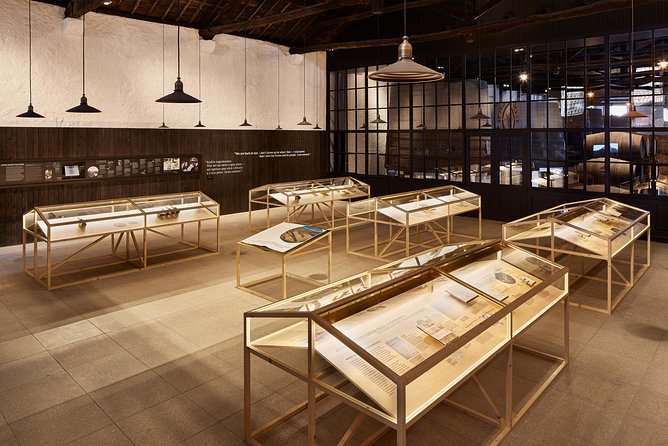
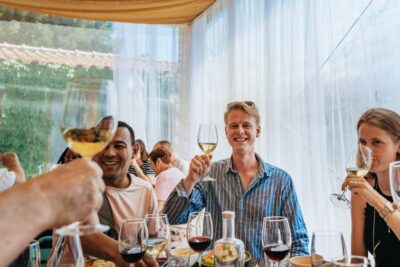
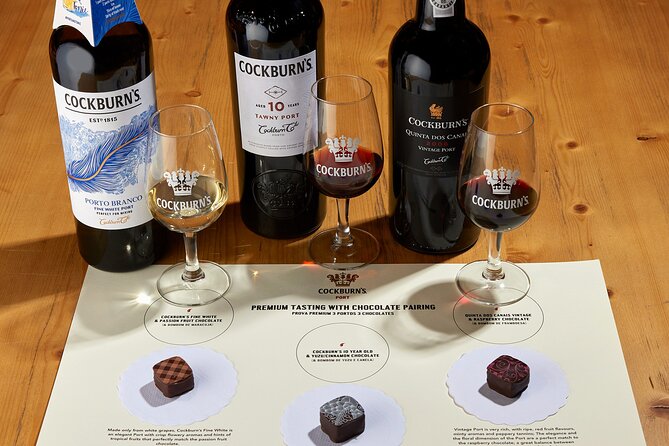
The tasting closes the visit and usually includes three different Ports. That number is enough to show contrast without turning the experience into a long drinking session. You can pay attention to how the wines vary in sweetness, texture, weight, and finish.
A chocolate truffle is paired with the tasting. The pairing is not just a sweet extra. Chocolate gives you a simple way to notice how Port handles richness and sweetness, and it makes the tasting approachable if you are new to the category.
The tasting has been described as generous and illuminating, with each Port paired with an appropriate chocolate truffle. Another visit included help choosing bottles to ship home. That is useful if you want to buy something but are unsure how a Reserve Port differs from another style.
I would treat the tasting as a lesson in comparison rather than a chance to drink as much as possible. Taste each pour slowly, notice what changes from one glass to the next, and ask your guide to repeat the names if necessary. The best value here comes from understanding the differences, not from the quantity served.
The experience may also include cheese, based on one account of the tasting. Since the official description specifically identifies chocolate, you should count on the chocolate pairing and regard any cheese as dependent on the tasting setup.
A different sort of Porto day altogether:
- Porto: Six Bridges Cruise
★ 4.2 · 11,680 reviews - Porto: Live Fado Show with Glass of Port Wine
★ 4.8 · 6,498 reviews - Porto: 6 Bridges Douro River Cruise
★ 4.3 · 6,472 reviews - Porto: Torre dos Clerigos Entrance Ticket
★ 4.6 · 6,395 reviews
A close look at the 4:00 pm schedule
The visit starts at 4:00 pm at R. de Serpa Pinto 346 in Vila Nova de Gaia. It ends back at the same meeting point. The duration is about one hour to one hour and 20 minutes, though one Italian-language visit lasted about an hour and a half.
That late-afternoon timing works well if you have spent the morning in Porto and crossed to Gaia later in the day. It also leaves time afterward for a meal or another drink nearby. The tradeoff is that you need to plan around a fixed start. Arriving late could mean missing the opening explanation or being unable to join the group.
The lodge is near public transportation, so you do not need a car for this outing. Check the exact route from your accommodation before setting off, especially if you are crossing the river from Porto. The meeting point is on Rua de Serpa Pinto, and the ticket redemption point is also listed on that street.
The group can include up to 30 people. That is a moderate-sized group, not a private appointment. A good guide can keep the tour lively at that size, but you may find the cellar less personal when everyone gathers around the same vessel or tasting table.
How the guides shape the experience
The most praised part of the visit is the guiding. Manuel is described as engaging and very well informed about both Port and the Cockburn’s brand. That matters because cellar tours can become a string of dates and production terms if the host does not connect them to what you are seeing.
Felipe has led an Italian-language tour that lasted well over an hour. His approach combined clear explanations, humor, and enthusiasm for the subject. If you are booking an Italian-language departure, that is a useful sign that the tour can work well for visitors who prefer not to follow technical information in English.
The guides also appear willing to answer practical questions. At the end of the tasting, assistance with selecting wines for shipment was available. I would use that moment to ask about sweetness, serving occasions, and how long a particular bottle can be kept. The information supplied does not specify shipping costs or destinations, so ask at the lodge before committing to a purchase.
Photography is allowed during the cellar visit. That is a small but helpful point, especially in a warehouse where the scale of the casks creates some of the best visual memories. Be considerate of the group while taking pictures, and listen first when the guide is explaining a production step.
Is $40.12 a fair price?
At $40.12 per person, this is not the cheapest way to sample Port in Gaia. You can find a less structured drink for less money at a bar or tasting counter. That comparison, however, misses what you are paying for here.
The fee includes the guided tour, access to the Cockburn’s Port Wine Lodge, and the tasting. You are also paying for a proper explanation of Port production, the chance to see the large aging cellar, and a guided comparison of three wines with chocolate.
I think the price works best for three types of visitors:
- You are new to Port and want enough background to make sense of the tasting.
- You enjoy food and drink experiences but do not want to spend half a day at a winery.
- You want to visit a major Gaia lodge while still seeing a working aging space.
The value is weaker if you already know Port well and only want a single pour. In that case, the educational parts may feel familiar. It is also worth remembering that the group may reach 30 people, so part of the price goes toward a shared tour rather than a private session.
Who will enjoy this visit most?
I would recommend Cockburn’s to first-time Port drinkers, curious wine fans, and anyone who wants a structured introduction while in Porto. The guide-led format removes much of the guesswork. You see the vessels, hear how the wine is managed, and then taste examples while the information is fresh.
It also suits couples and small groups looking for a compact afternoon activity. The one-hour to 80-minute format is easier to fit around sightseeing than a longer vineyard excursion in the Douro Valley.
Families may need to judge the visit based on the ages and interests of their children. The supplied information says most people can participate and that service animals are allowed, but it does not give a minimum age or specific child policy. Ask before booking if that detail affects your plans.
Port specialists may still enjoy the cellar and the cooperage angle, especially if they care about oak aging and blending. I would set expectations correctly, though. This is an introduction and tasting, not a technical masterclass.
Practical details that affect your visit
Confirmation is received when you book. The activity is near public transportation, and service animals are allowed. Most people can take part, but the supplied details do not describe step-free access, seating, or cellar temperatures, so contact the provider if you need those specifics.
The experience has free cancellation if you cancel at least 24 hours before the 4:00 pm start time. Cancellations made less than 24 hours before the start are not refunded, and changes inside that window are not accepted. The cut-off follows local time in Portugal.
Since the experience is booked, on average, 19 days ahead, I would not leave it until the last afternoon of your Porto stay. That booking pattern suggests that popular dates can fill, particularly when several cruise groups or weekend visitors are in town.
Should you book Cockburn’s Port Wine Lodge?
I would book it if you want a clear introduction to Port, a look at a very large aging cellar, and three guided tastings in about an hour. The best reasons are the scale of the warehouse, the explanation of decanting and oak aging, the in-house coopers, and the strong personal touch provided by guides such as Manuel and Felipe.
I would skip it only if you want an unstructured drink, a private visit, or a much longer wine day outside the city. For most people spending a few days in Porto, the $40.12 price is reasonable because it joins the cellar visit and tasting into one focused experience. Book ahead, arrive ready to listen, and treat the three glasses as a lesson in how Port changes with age and handling.
FAQ
Where does the Cockburn’s Port tour start?
The tour starts at Cockburn’s Port Wine Lodge, R. de Serpa Pinto 346, 4400-307 Vila Nova de Gaia, Portugal.
What time does the tour begin?
The scheduled start time is 4:00 pm.
How long does the Cockburn’s visit last?
The experience lasts approximately one hour to one hour and 20 minutes. One Italian-language visit lasted about an hour and a half.
What is included in the price?
The $40.12 price per person includes admission to the Port Wine Lodge, the guided cellar tour, and a wine tasting.
How many Ports are tasted?
The tasting includes three different Port wines. Chocolate truffles are paired with the wines.
Is photography allowed inside the cellar?
Yes. Photography is allowed during the visit.
What is the maximum group size?
The activity has a maximum of 30 participants.
Can I cancel for a full refund?
Yes, if you cancel at least 24 hours before the experience start time. Cancellations or changes made less than 24 hours before the start are not accepted for a refund.
Latest reviews around Porto
- Private Walking Tour, highlights and secrets of Porto★ 3.9 · 3 reviews
- Private Porto Half-Day Tour – Wine Cellars & Cheese Tasting★ 5.0 · 3 reviews
- Portuguese Wine Tasting w Local Cheese & Cold Cuts pairing★ 5.0 · 3 reviews
- From Peso da Régua: Visit 3 wineries, tasting and viewpoint★ 5.0 · 3 reviews
- Porto: Full-Day All-Inclusive Private City Sightseeing Tour★ 4.3 · 3 reviews
- Small Painting Group with a Local Artist in Porto★ 5.0 · 3 reviews
- Private Tour to Santiago de Compostela and its stunning Cathedral★ 5.0 · 3 reviews
- From Arouca: Paiva River Rafting Adventure – Adventure Tour★ 5.0 · 3 reviews
Porto Tours, compared.
From Porto: Douro Valley w/ Boat Tour, Wine Tasting & Lunch
Read our review →
Complete Douro Valley Wine Tour with Lunch, Wine Tastings and River Cruise
Read our review →
Porto: Live Fado Show with Glass of Port Wine
Read our review →