
Reviewed · BRAGA & GUIMARAES DAY TRIPS
Guimarães: Palace of the Dukes of Bragança Entry Ticket
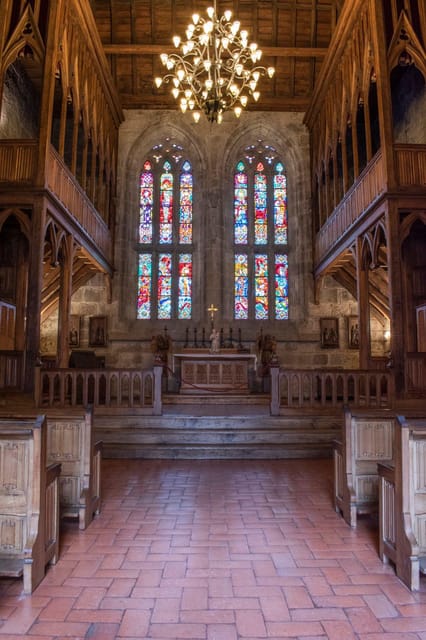
The Palace of the Dukes of Bragança gives you a close look at the home life of Portugal’s old nobility. Built in the 15th century for D. Afonso, the first Duke of Bragança, it now presents its rooms as a grand historic house, filled with art, furniture, arms, porcelain, and finely made 17th and 18th-century collections.
I like two things here. First, the low $5 price makes this an easy addition to a day in Guimarães. Second, the rooms are arranged by their use, so you get more than a string of empty halls. The visit feels like moving through a household, from grand public spaces to rooms with domestic purpose.
The main catch is that the palace is under renovation, and the ticket is sold at a discount because of that work. You should also know that the attraction is not suitable for wheelchair users, and this is an entry ticket rather than a guided tour.
In This Review
- Key points to know before you go
- What makes the palace worth your time
- Entering the grand halls and restored rooms
- Reading the collections through daily life
- The permanent exhibition as a house
- Gardens and the location in central Guimarães
- What renovation changes for your visit
- Timing, photography, and practical details
- Is the $5 ticket good value?
- Who should book this palace visit?
- Should you book the Palace of the Dukes of Bragança?
- FAQ
- How much does entry to the Palace of the Dukes of Bragança cost?
- How long is the ticket valid?
- Is a guided tour included?
- What can I see inside the palace?
- Is photography allowed?
- Is the palace open every day of the year?
- Why is the ticket discounted?
- Is food or drink included?
- Is the palace suitable for wheelchair users?
Key points to know before you go
- A 15th-century ducal home: The palace was founded by D. Afonso, the first Duke of the House of Bragança.
- A house-like museum visit: Permanent displays are arranged through rooms meant to show how the building functioned.
- Strong decorative collections: Look for tapestries, porcelain, paintings, furniture, sculpture, and weaponry.
- A central Guimarães location: The palace makes a useful first stop before walking through the historic city.
- A very low-cost ticket: Admission is $5 per person, including the booking fee.
- Renovation affects the visit: Some areas may be changed or unavailable, so expect a discounted, imperfect experience.
What makes the palace worth your time
Guimarães is closely tied to the formation of Portugal, and the Palace of the Dukes of Bragança gives that story a physical setting. You are not simply looking at a royal portrait or reading a date on a wall. You are walking through the sort of building where a powerful noble family lived, received important people, stored arms, displayed wealth, and managed its public image.
The palace was built in the 15th century by D. Afonso, the first Duke of Bragança. The House of Bragança later became one of Portugal’s most important royal families. That background gives the building extra weight, but you do not need to arrive with a head full of Portuguese dynastic history to enjoy it.
The architecture is described as a fine example of 17th-century seigneurial design, while the palace itself began earlier. For you, the useful point is that the building shows the changing scale and ambition of noble life. Its large halls, substantial stone construction, and formal rooms were made to project status.
The palace also has a present-day role. One wing serves as an official residence of the Presidency of the Republic. That detail keeps the building from feeling like a sealed-off relic. It remains connected to Portugal’s public life, even though your visit focuses on the museum areas.
More Braga and Guimaraes day trips:
- Sightseeing Tours by Electric Tuk-Tuk in Guimarães
★ 4.8 · 49 reviews - Braga & Guimarães Full-Day Tour from Porto
★ 4.3 · 20 reviews - Private Guimarães Half-Day Tour from Porto
★ 4.6 · 19 reviews
Entering the grand halls and restored rooms
The visit begins with the palace itself. As you move through the rooms, look beyond the size of the halls and pay attention to how each space is furnished. The permanent exhibition aims to make you feel as if you are moving through a functioning grand house, not an empty monument.
That approach is helpful because it gives every room a job. A hall can suggest formal reception and ceremony. A furnished chamber can show how comfort and status were presented. A display of arms connects the household to military power, while fine tableware points to the ritual of dining and receiving company.
Restoration is part of the experience. The palace has been carefully repaired and arranged to suggest its former appearance, but it is still a museum rather than a fully lived-in home. You may notice the difference between original architectural fabric, restored surfaces, and objects placed for display.
I recommend taking your time in the larger rooms first, then returning to details that catch your eye. At $5, you do not need to rush through the building to justify the cost. The ticket is valid for one day, so you have a useful amount of flexibility within the attraction’s opening hours.
Reading the collections through daily life
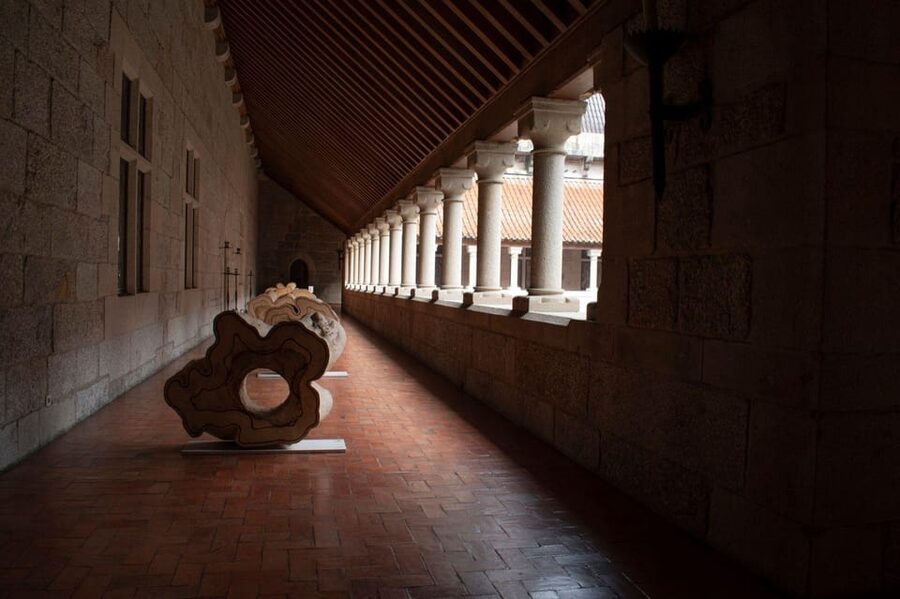
The collections give the visit its substance. Porcelain, paintings, sculpture, furniture, weaponry, and textiles are not random decorations. Together, they show how noble households used objects to signal taste, rank, wealth, and connections beyond Portugal.
The porcelain deserves a slower look. Fine tableware says something about dining, trade, and the importance of ceremony. In a palace, a plate or serving piece was not merely practical. The quality and style of an object helped communicate the standing of the household.
Paintings can be more formal, presenting people, religious subjects, or symbols of power. Furniture helps you imagine how rooms were used, even when the original routines are long gone. Weapons add another layer, reminding you that noble identity was tied not only to comfort and display but also to military service and authority.
The collection of tapestries is one of the major draws. Large wall hangings brought color and warmth to stone interiors and could also show stories, symbols, and expensive workmanship. They are worth viewing from both near and far. Up close, you can study the construction and detail. From across a hall, you can see how they changed the feel of the room.
The weaponry may appeal most to visitors who enjoy military history, but even a casual observer can see how it shaped the image of a noble household. The palace brings together domestic objects and martial ones, which gives you a fuller sense of aristocratic life than furniture alone would provide.
The permanent exhibition as a house
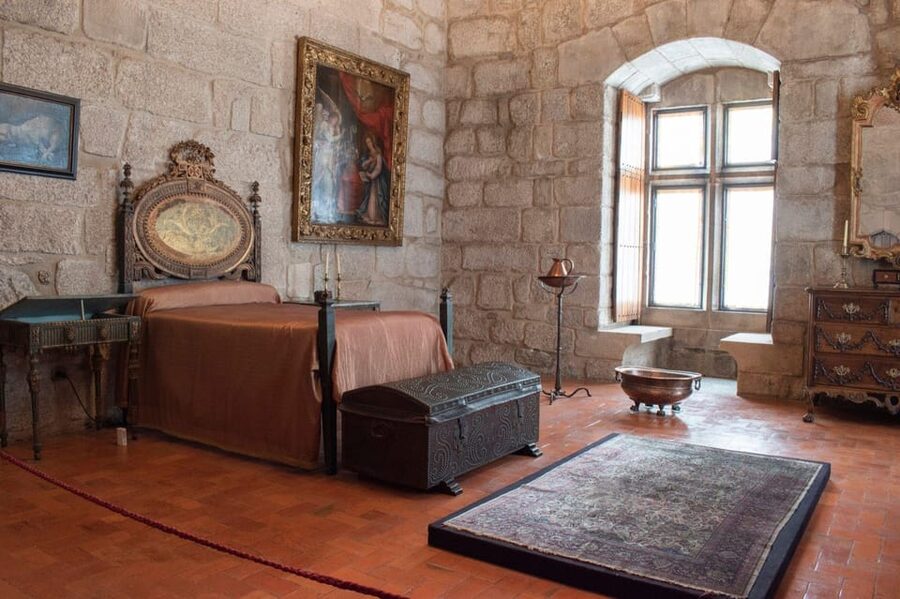
The clever part of the permanent exhibition is its layout. Instead of treating the palace as one large display case, it presents different spaces in a way that helps you understand the building as a home.
That does not mean every room has a complete story or that every object belonged to the same moment. Museums often bring together pieces from different periods to explain a larger way of life. Here, the result is a broad view of noble interiors and the objects associated with them.
You should look for contrasts. Some rooms are meant to impress. Others are more intimate. Some displays focus on decoration, while others point to work, protection, or household organization. These differences help you picture the palace as a place with many functions, rather than a single ceremonial stage.
If you have children with you, the house-style arrangement may be easier to follow than a long sequence of chronological cases. You can ask simple questions as you go: What was this room for? Who would have used it? Was this object practical, decorative, or meant to show status? Those questions make the visit more active.
There is no guided tour included, so you will need to set your own pace and make your own connections. That is a drawback if you want detailed explanations of the dynasty or the art. It is an advantage if you prefer to linger over the rooms that interest you and move quickly through displays that do not.
A few more Guimaraes outings to weigh up
- Guimarães: Flexible Walking Tour in Historic Center
★ 4.5 · 17 reviews - From Porto: Braga and Guimarães Day Tour with Lunch
★ 4.8 · 14 reviews - Guimarães Experience
★ 4.8 · 12 reviews - Medieval Castles from Porto – Private All‑Inclusive Tour
★ 5.0 · 10 reviews
Gardens and the location in central Guimarães
After the interior, the palace gardens give you a quieter place to pause. They are not presented as a major formal garden tour, but they add breathing room after the heavy architecture and indoor collections.
Use the gardens to think about the contrast between the palace’s public image and its more private setting. Inside, the building is about ceremony, display, and authority. Outside, you can slow down and take in the surroundings before continuing around Guimarães.
The central location is a practical advantage. You can make the palace your first major stop, then continue exploring the city on foot. The ticket is especially good value if you are already planning a full day in Guimarães, since the palace can anchor your sightseeing without taking the entire day.
The stated duration is one day, but that does not mean you need to spend a full day inside. Most people will use the admission as part of a broader Guimarães visit. The flexible validity gives you room to plan around other sights, meals, and time in the city.
What renovation changes for your visit
The palace is under renovation, and the reduced price reflects that condition. You should treat the $5 ticket as a good-value chance to see the building while accepting that the experience may not be complete.
Renovation can affect which rooms are open, how displays are presented, or how polished the visit feels. The exact impact may change over time. If seeing every section is essential to your plans, check the current situation before committing to a non-refundable ticket.
This point matters because the palace has enough historical appeal to attract you even when part of it is being worked on. At the same time, you should not expect a perfectly uninterrupted museum route. The discount is a fair trade for many people, especially if the palace is one stop among several in Guimarães.
A January visit also calls for extra care. The palace is closed on January 1, Easter Sunday, May 1, June 24, which is Guimarães’ city holiday, and December 25. If your schedule falls near one of those dates, verify the opening calendar before you buy.
Timing, photography, and practical details
Opening hours are 10:00 am to 6:00 pm, with final admission at 5:30 pm. I would arrive well before the last entry, especially if you want time for the rooms, collections, and gardens without feeling hurried.
Photography is allowed, but flash photography is not. This is a sensible rule for painted surfaces, textiles, furniture, and other delicate objects. Keep your camera or phone on a no-flash setting, and follow any room-specific instructions.
The admission costs $5 per person, and the booking fee is included. Food and drinks are not included, though that is hardly a problem because this is an entry ticket rather than a full-day hosted excursion. You are paying for access to the palace and museum collections, not transportation, meals, or interpretation by a guide.
The ticket is non-refundable. That makes the renovation notice and holiday closures especially important. If your schedule in Guimarães is uncertain, you may prefer to confirm your plans before purchasing.
The attraction is listed as unsuitable for wheelchair users. If step-free access is important to you, do not assume that the discounted ticket solves the problem. You should seek current access information directly before booking.
Is the $5 ticket good value?
Yes, for most visitors who want history and interiors at a modest price. Five dollars is a small outlay for access to a major palace, its permanent collections, and its gardens in the center of Guimarães.
The value is strongest when you already plan to explore the city. The palace gives you a clear starting point and adds depth to what you see elsewhere. The House of Bragança, the architecture, and the collections help explain the power and taste of Portugal’s ruling classes.
The value is less certain if you expect a complete, guided museum experience. There is no guided tour included, and renovation may reduce the number of spaces available. You also need to accept the non-refundable terms.
I would not choose this ticket mainly for convenience or polished presentation. I would choose it because the price is low, the building matters, and the objects give you a direct way to picture noble life in Portugal.
Who should book this palace visit?
I recommend it for first-time visitors to Guimarães, history-minded families, architecture fans, and anyone who enjoys seeing rooms rather than only reading about events. The house-like layout gives you a simple way to understand the palace, even if you are not already familiar with Portuguese history.
It also suits independent visitors who prefer to set their own pace. You can focus on porcelain, paintings, arms, textiles, or architecture without following a group.
You may want to skip it if you need full wheelchair access, require a guided explanation in order to enjoy a museum, or cannot tolerate the possibility of renovation-related changes. The palace is inexpensive, but the ticket is not refundable.
Should you book the Palace of the Dukes of Bragança?
Book it if you are spending time in Guimarães and want a low-cost look at noble Portugal. The combination of grand rooms, household displays, decorative objects, and gardens makes this more than a quick photo stop.
Go with realistic expectations. Renovation may limit the experience, and there is no guide included. Still, at $5, the palace offers strong value, especially when you use it as the cultural starting point for a day in central Guimarães.
FAQ
How much does entry to the Palace of the Dukes of Bragança cost?
The ticket costs $5 per person. The booking fee is included in that price.
How long is the ticket valid?
The ticket is valid for one day. Opening hours are 10:00 am to 6:00 pm, with last admission at 5:30 pm.
Is a guided tour included?
No. The ticket includes entry to the palace and access to the museum collections, but not a guided tour.
What can I see inside the palace?
You can see restored rooms and permanent displays containing tapestries, porcelain, paintings, furniture, sculptures, and weaponry.
Is photography allowed?
Yes, photography is allowed without flash. Flash photography is not permitted.
Is the palace open every day of the year?
No. It is closed on January 1, Easter Sunday, May 1, June 24, and December 25.
Why is the ticket discounted?
The palace is currently under renovation, so admission is offered at a discounted price.
Is food or drink included?
No. Food and drinks are not included with the entry ticket.
Is the palace suitable for wheelchair users?
No. The activity is listed as unsuitable for wheelchair users.
Latest reviews around Guimaraes
- Porto: Braga and Guimarães Private Day Tour with Local★ 4.3 · 3 reviews
- From Porto: Braga & Guimarães full day experience with lunch★ 4.8 · 4 reviews
- From Porto: Braga & Guimarães Day Trip with Lunch★ 5.0 · 5 reviews
- Guimaraes Local Tours ; Visit the Castle , Palace and City★ 5.0 · 6 reviews
- Braga and Guimarães Historical and Cultural Tour from Porto★ 4.6 · 6 reviews
- Medieval Castles from Porto – Private All‑Inclusive Tour★ 5.0 · 10 reviews
- Viana do Castelo: Vez River SUP with Transfer Options★ 4.9 · 10 reviews
- Guimarães Experience★ 4.8 · 12 reviews
Braga & Guimaraes Day Trips, compared.

From Porto: Braga and Guimarães Full-Day Trip
Read our review →
Best of Braga and Guimaraes Day Trip from Porto
Read our review →
Porto: Guimarães & Braga Tour with Entry Tickets and Lunch
Read our review →
From Porto: Braga & Guimarães with Lunch Small Group Tour
Read our review →
Braga & Guimarães Small Group Tour: Lunch & All Tickets Included
Read our review →
From Porto: Viana do Castelo, Braga and Guimarães Day Tour
Read our review →
Porto: Guimaraes & Braga Small Group Tour with Lunch and Tickets
Read our review →
Browse the lists this tour appears in