
Reviewed · MUSEUMS
Museum of Decorative Arts – Viana do Castelo
The museum’s finest surprise is its tilework. Three rooms facing Largo de S. Domingos and the chapel are lined with 18th-century tiles, turning a short museum visit into a close look at Portuguese Baroque art. I like the National Faience collection and the rooms linking Viana to the sea, trade, and local customs.
I also like that the ticket includes the Costume Museum, giving you two related collections for about $2.83. The main limitation is language: Portuguese is the stated language, so descriptive audios may matter if you do not read Portuguese. Food, drinks, and flash photography are not allowed.
In This Review
- Key points to know before you go
- Why the tilework deserves your first look
- The chapel’s biblical scenes
- The National Faience collection and Portugal’s ceramic story
- Rooms about Viana and its maritime vocation
- Your ticket also includes the Costume Museum
- How long to allow and how to plan the visit
- What the $2.83 price really offers
- Accessibility and practical comfort
- Who will enjoy this museum most
- Should you book the Museum of Decorative Arts?
- FAQ
- Where is the Museum of Decorative Arts located?
- How much does admission cost?
- How long is the ticket valid?
- Does the ticket include another museum?
- What are the main highlights inside?
- Are the museum’s tiles religious or secular?
- Is the museum wheelchair accessible?
- What is not allowed inside?
Key points to know before you go
- 18th-century tile panels: See Lisbon-made tiles attributed to Valentim de Almeida, with scenes of the four continents, hunting, and gardens.
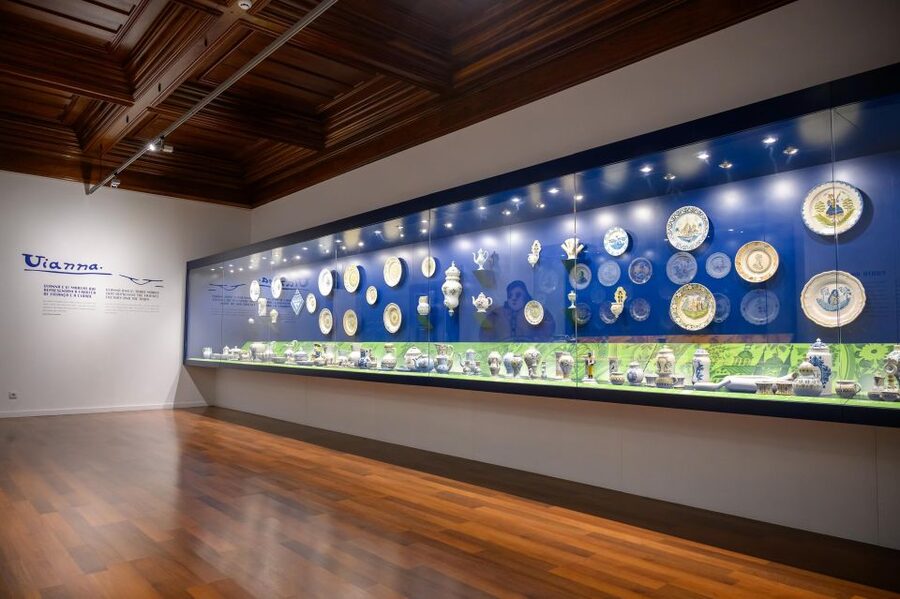
- A rare National Faience collection: The museum presents one of Portugal’s significant collections of decorated earthenware.
- A tiled Baroque chapel: Biblical scenes are signed by Policarpo de Oliveira Bernardes, who lived from 1695 to 1778.
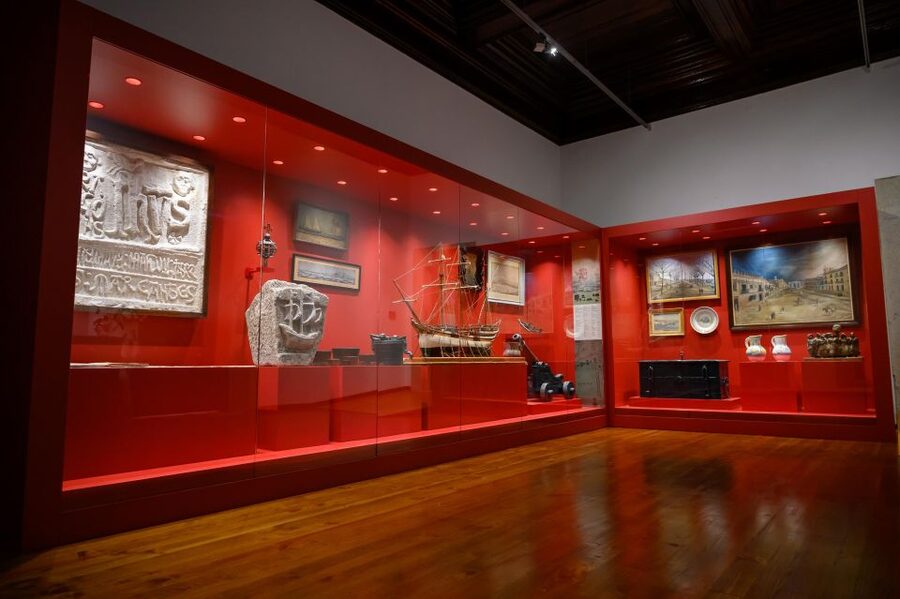
- Viana’s maritime identity: Rooms connect local decorative arts with the city’s long relationship with the sea.
- One ticket, two museums: Admission also gives you access to the Costume Museum.
- Useful facilities: The museum has wheelchair access, a nursery, and descriptive audios.
Why the tilework deserves your first look
If you enter with limited time, begin on the main floor facing Largo de S. Domingos. The three rooms there contain 18th-century tiles made in Lisbon and attributed to Valentim de Almeida, a major Portuguese tile painter of the period.
The panels use a Baroque vocabulary: movement, decorative borders, dramatic scenes, and plenty of visual detail. You will find representations of the four continents, along with hunting scenes and garden settings. The subjects are not just pretty decoration. They show how European artists of the period pictured geography, leisure, wealth, and the wider world.
I recommend standing back first, then moving closer. From a distance, the rooms read as grand architectural compositions. Up close, the small painted details become the point. Look at the way figures, plants, animals, and ornamental elements are arranged across the wall.
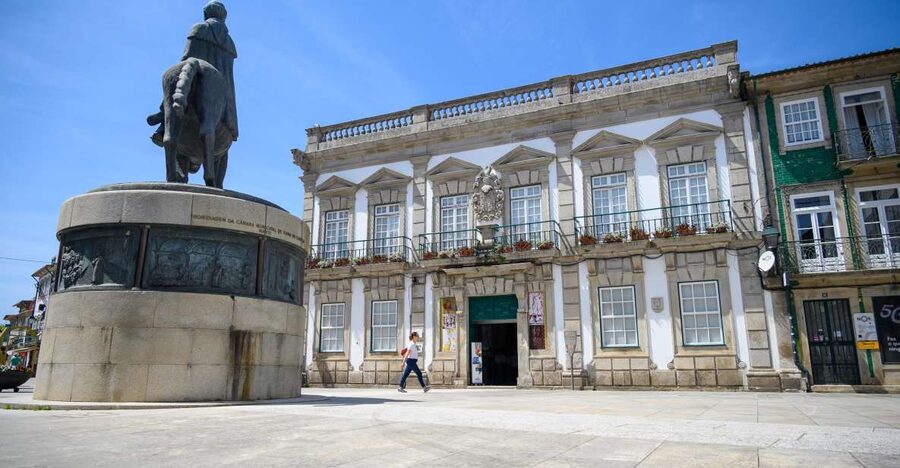
The museum’s address, Largo de S. Domingos, places the collection in a setting suited to this kind of visit. You are not dealing with a huge modern complex that demands half a day. This is a focused stop where the building and its decorative surfaces are part of the experience.
More museums and galleries in Porto:
- Porto: Cálem Cellar Tour, Interactive Museum & Wine Tasting
★ 4.5 · 4,113 reviews - FC Porto: Museum & Tour
★ 4.6 · 2,826 reviews - Porto: Entry Ticket at WOW – The Wine Experience Museum
★ 4.7 · 356 reviews
The chapel’s biblical scenes
The interior chapel is one of the most memorable parts of the museum. Its historic tiles carry biblical themes and are signed by Policarpo de Oliveira Bernardes, who lived from 1695 to 1778.
That signature gives the chapel a useful point of focus. Instead of seeing the tiles as a wall covering alone, you can connect them to a named painter and to Portugal’s long tradition of religious azulejo decoration.
The chapel also changes the mood of the visit. The main rooms present art in a more formal exhibition setting, while the chapel shows tiles working as part of a devotional interior. The result is more atmospheric, with the images, architecture, and religious purpose tied together.
If you enjoy Portuguese tiles, allow extra attention here rather than treating the chapel as a quick side room. The biblical scenes may be especially useful for you if you want to see how painted tile operated beyond palaces and civic spaces.
The National Faience collection and Portugal’s ceramic story
The museum’s faience collection is described as one of the most significant in Portugal. Faience is decorated earthenware, and the collection helps explain how ceramics developed during a period of major change.
The second half of the 18th century brought a reformist push that included the ceramics industry. Production increased, and manufacturing centers appeared in several places. That wider shift helps place the museum’s objects in context. You are not simply looking at plates, vessels, or decorative pieces as isolated antiques. You are seeing evidence of changing production, taste, and trade.
This is where the museum can appeal to you even if ceramics are not normally your first choice. Decorative objects often reveal daily life more clearly than grand monuments do. Their shapes, patterns, and finish show what people valued and what workshops could produce.
The phrase National Faience collection also matters. The focus is not limited to one household or one small local workshop. The museum gives you a chance to consider Portuguese ceramics within a broader national story while still keeping Viana do Castelo at the center.
The supplied information does not provide a room-by-room list of individual pieces, so you should expect the collection to work as a visual display rather than a fully described tour in English. The museum has descriptive audios, which may help, but the stated language for the activity is Portuguese.
Rooms about Viana and its maritime vocation
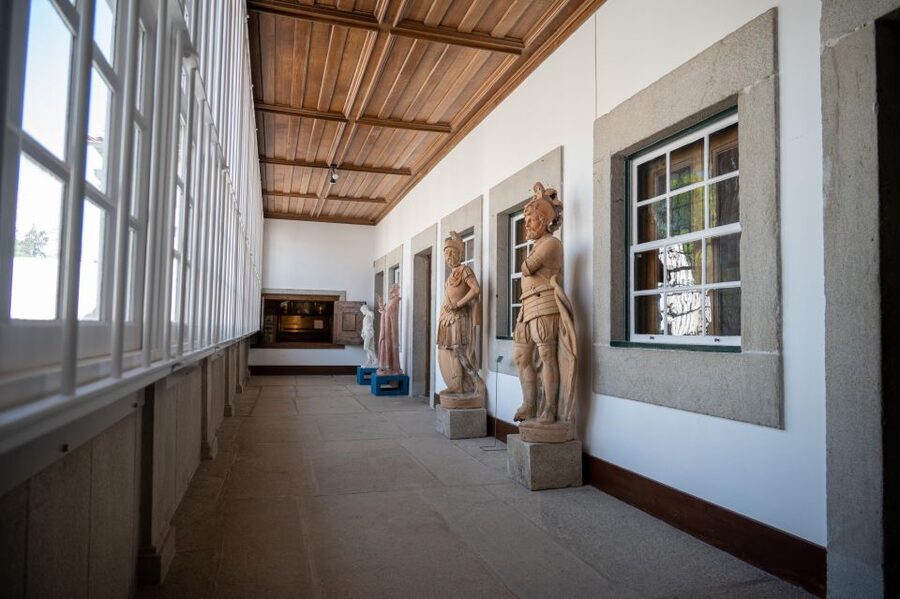
The museum is not only about objects. Some rooms tell the story of Viana do Castelo and its maritime vocation. That local focus keeps the visit from becoming a general survey of decorative arts.
Viana’s connection to the sea gives the displays a clear thread. Decorative arts make more sense when you see them alongside the city’s role as a place shaped by maritime work, contact, and movement. The exact objects and display order are not specified, so I would treat these rooms as a chance to understand the local setting rather than expect a detailed guided chronology.
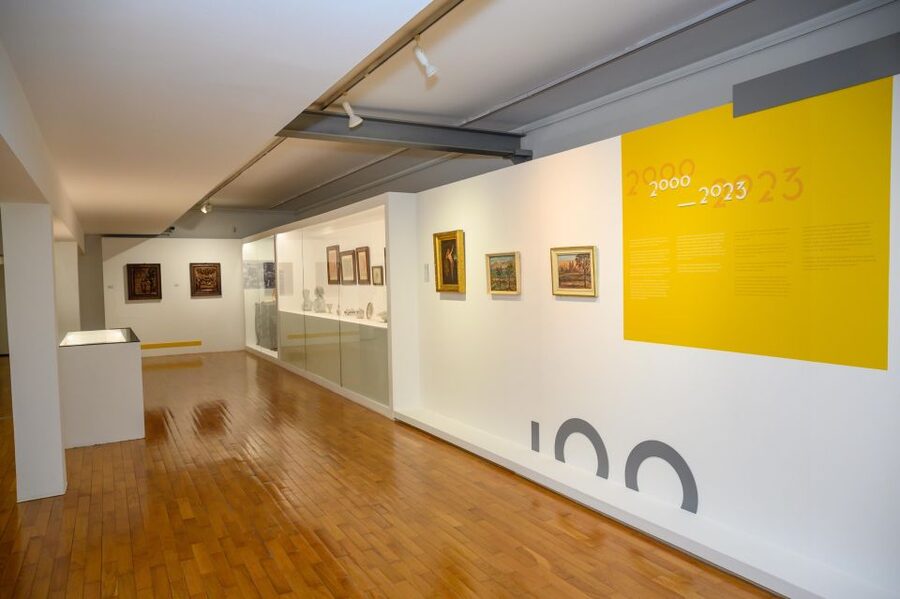
This part is valuable if you want your museum time to relate to the city outside the building. You can look for links between local identity, economic life, clothing, household objects, and the wider world. The museum also includes rooms connected with the Costume Museum, making social customs another part of the visit.
One particularly distinctive subject is the exhibition about old marriages, dowries, and courtship customs. It presents a picture of a time when courtship took place without physical contact, a detail that makes the material feel personal rather than merely ornamental. This display may be one of the strongest reasons to visit if you are interested in family life, changing social rules, and the role of clothing and possessions in marriage.
A few more Porto outings to weigh up
- Visit to Gil Eannes hospital Ship Museum
★ 4.8 · 45 reviews - Rafting em Melgaço, Rio Minho
★ 5.0 · 14 reviews - Viana do Castelo Costume Museum
★ 4.7 · 13 reviews - Horseback Riding Tour
★ 4.4 · 13 reviews
Your ticket also includes the Costume Museum
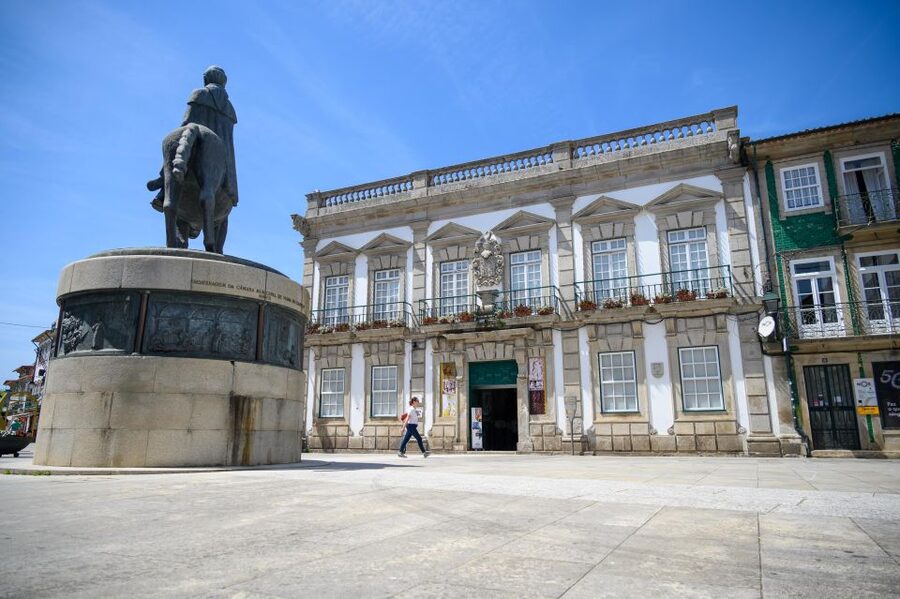
Admission includes access to the Costume Museum, so the low ticket price covers more than the decorative arts collection alone. That improves the value considerably, especially if you already plan to spend time in central Viana do Castelo.
The two museums complement each other. Decorative arts show you objects, interiors, materials, and artistic techniques. Costume displays can add a more direct view of how people presented themselves and marked important moments in life.
The old marriage and dowry exhibition gives the costume side a strong human angle. Dowries connect clothing and possessions with family arrangements, while courtship customs reveal how much social behavior has changed.
I would not rush through this second collection simply because the decorative arts are the main draw. If your interest is limited to tiles, you can focus first on the main floor and chapel. If you enjoy local culture, family traditions, and clothing, the Costume Museum makes the combined ticket much better value.
How long to allow and how to plan the visit
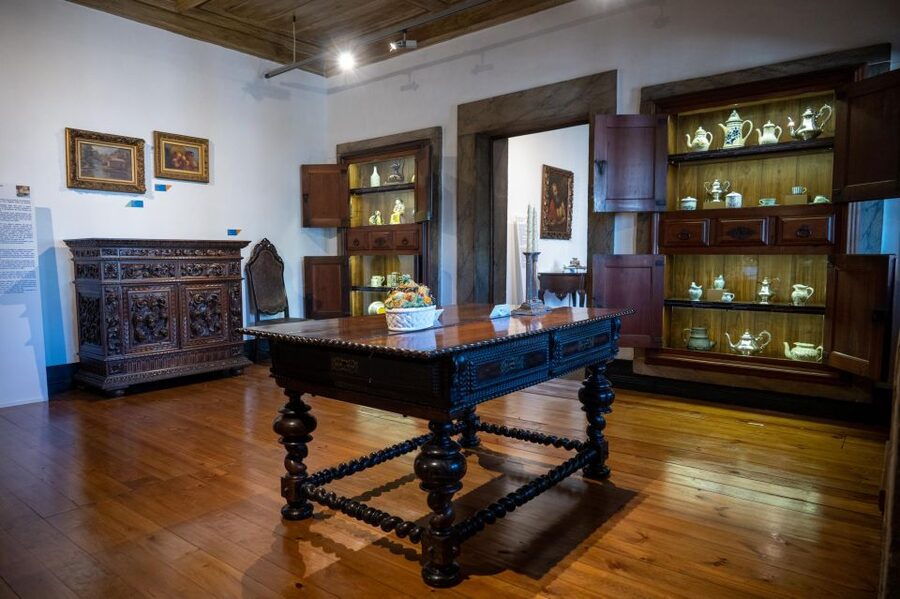
The activity is listed as valid for one day, with availability and starting times checked when booking. That means you should think of this as a flexible museum admission rather than a tightly timed excursion with a long fixed itinerary.
No transport or meal is included, and no named guide is provided. The host or greeter language is Portuguese. You can therefore expect the building, objects, and museum facilities to do most of the work, with descriptive audios available as a useful support.
The museum is at Largo de S. Domingos, 4900-330 Viana do Castelo. The listed telephone number is 258 809 305, and the email address is [email protected].
For a practical visit, start with the tiled rooms, continue to the chapel, then set aside time for the faience and local history displays. Finish with the Costume Museum if those subjects interest you. This order puts the most visually distinctive material first and leaves the more social displays for a slower second half.
You cannot bring food or drinks into the museum, and flash photography is not allowed. The no-flash rule is common in museums, but it matters here because the tiles and historic interiors reward careful looking more than quick snapshots.
What the $2.83 price really offers
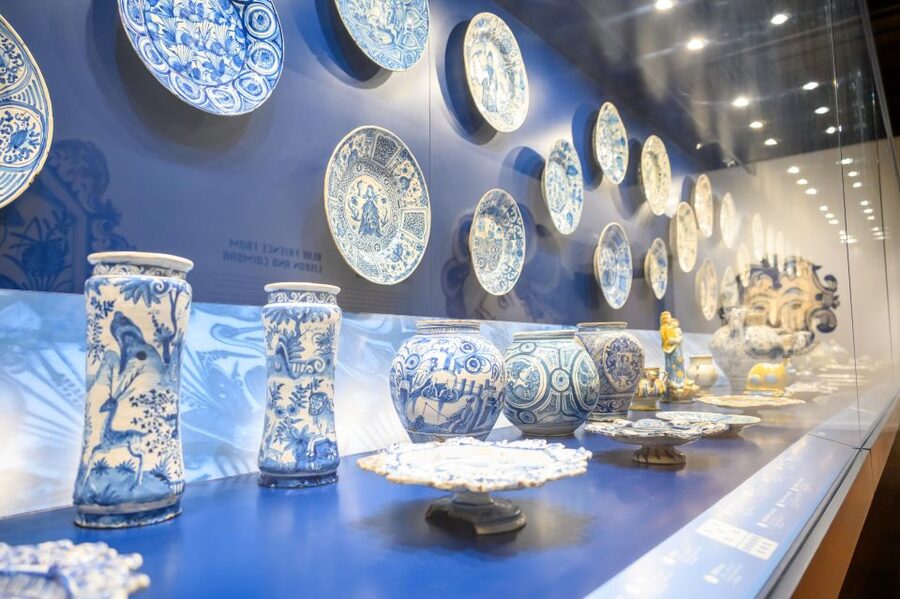
At about $2.83 per person, this is an easy-value museum stop. The ticket covers the decorative arts museum and access to the Costume Museum, so you are paying a small amount for two connected collections rather than one short display.
The value is strongest for three types of visitor. First, you get a worthwhile stop if you care about Portuguese tiles and want to see both secular Baroque scenes and a religious chapel. Second, it suits anyone interested in ceramics, especially the growth of Portuguese faience production in the 18th century. Third, it works well for people who want local culture instead of a museum made only for major national celebrities.
The price does not guarantee an English-language guided experience. Portuguese is the stated language, and the supplied details do not promise English labels or an English-speaking guide. If that is important to you, contact the museum before booking and ask what audio or written support is available.
The ticket also has some planning flexibility. You can cancel up to 24 hours before the visit for a full refund, and the reserve-now, pay-later option lets you hold the booking without paying immediately. Those terms are useful if your day in Viana do Castelo is still shifting.
Accessibility and practical comfort
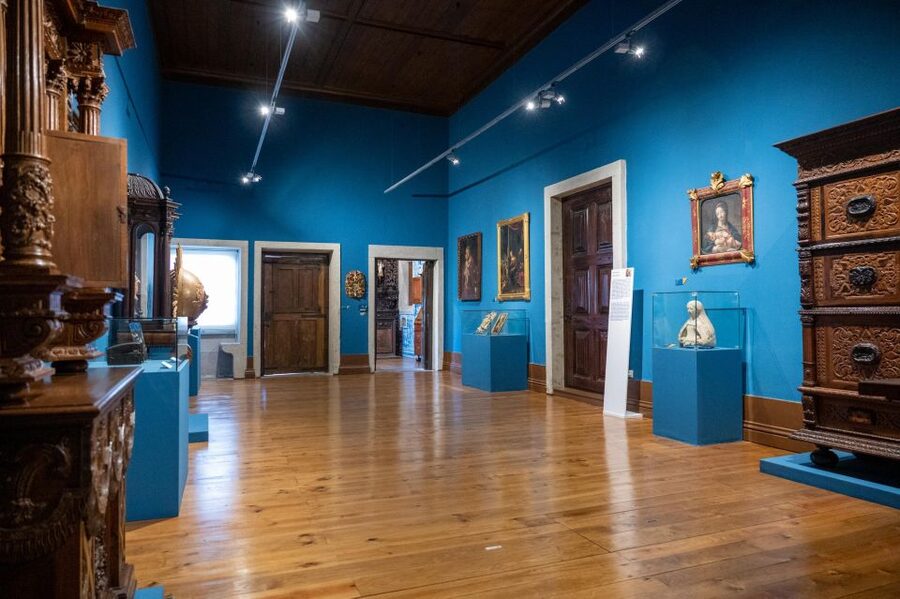
The museum is wheelchair accessible, which makes the experience available to visitors with reduced mobility. A nursery is also listed among the facilities, a helpful feature for adults visiting with a baby or young child.
Descriptive audios are available. Since Portuguese is the stated language, you should confirm the audio languages if you need support in another language. The activity information does not specify the number of rooms, the length of an audio route, or the presence of English explanations.
There is no stated dress code or special equipment requirement. The main rules are simple: leave food and drinks outside, and do not use flash photography.
Who will enjoy this museum most
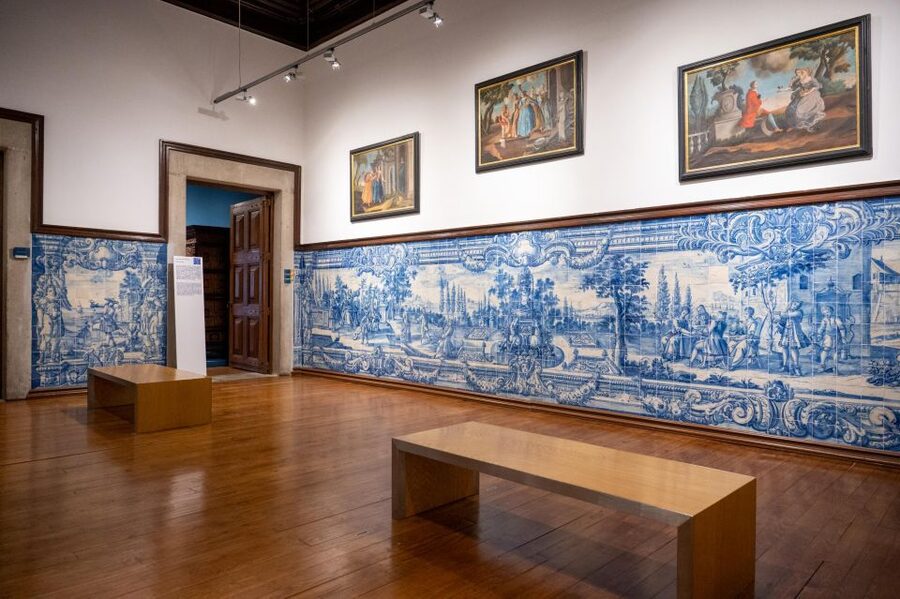
I would recommend this museum to you if you enjoy Portuguese azulejos, decorative objects, local customs, or museums that connect art with a city’s working life. The four continents, hunting, and garden scenes offer clear visual rewards, while the chapel provides a more focused religious setting.
It is also a good choice for a modestly priced cultural stop. The combined access to the Costume Museum gives you more to see than the price suggests, and the old marriage and dowry exhibition adds a subject that feels close to everyday life.
You may want to think twice if you need a full English-language tour or if you prefer large museums with extensive interactive displays. The information provided points to Portuguese-language hosting and descriptive audios, not a multilingual guided program.
The museum suits a flexible day in Viana do Castelo. Since the ticket is valid for one day and cancellation is allowed up to 24 hours ahead, you can fit it around other plans without committing to a long excursion.
Should you book the Museum of Decorative Arts?
Book it if tiles, ceramics, local identity, or traditional clothing interest you. The strongest reasons are the Lisbon Baroque tiles attributed to Valentim de Almeida, the chapel signed by Policarpo de Oliveira Bernardes, and the combined access to the Costume Museum.
At roughly $2.83, the cost is low enough that the language limitation is the main consideration. If you are comfortable exploring with Portuguese descriptions and available audios, this is a smart cultural stop in Viana do Castelo. If you want a guided experience in English, contact the museum first and confirm what support is available.
FAQ
Where is the Museum of Decorative Arts located?
The museum is at Largo de S. Domingos, 4900-330 Viana do Castelo, Portugal.
How much does admission cost?
The listed price is $2.83 per person.
How long is the ticket valid?
The ticket is valid for one day. You should check availability for the available starting times.
Does the ticket include another museum?
Yes. The ticket also allows access to the Costume Museum.
What are the main highlights inside?
The main highlights are the National Faience collection, 18th-century Lisbon tiles attributed to Valentim de Almeida, the tiled chapel, and rooms about Viana do Castelo’s maritime vocation.
Are the museum’s tiles religious or secular?
Both. The three rooms facing Largo de S. Domingos feature scenes of the four continents, hunting, and gardens. The chapel has biblical scenes.
Is the museum wheelchair accessible?
Yes. The museum is wheelchair accessible and provides access for people with reduced mobility.
What is not allowed inside?
Food and drinks are not allowed, and flash photography is prohibited.
Latest reviews around Porto
- Private Walking Tour, highlights and secrets of Porto★ 3.9 · 3 reviews
- Private Porto Half-Day Tour – Wine Cellars & Cheese Tasting★ 5.0 · 3 reviews
- Portuguese Wine Tasting w Local Cheese & Cold Cuts pairing★ 5.0 · 3 reviews
- From Peso da Régua: Visit 3 wineries, tasting and viewpoint★ 5.0 · 3 reviews
- Porto: Full-Day All-Inclusive Private City Sightseeing Tour★ 4.3 · 3 reviews
- Small Painting Group with a Local Artist in Porto★ 5.0 · 3 reviews
- From Arouca: Paiva River Rafting Adventure – Adventure Tour★ 5.0 · 3 reviews
- Private Tour to Santiago de Compostela and its stunning Cathedral★ 5.0 · 3 reviews
Museums, compared.

Porto: Cálem Cellar Tour, Interactive Museum & Wine Tasting
Read our review →

Porto: Entry Ticket at WOW – The Wine Experience Museum
Read our review →
Porto: Wine Experience Museum with 3 Wine Tastings
Read our review →
Porto: Pink Palace – Immersive Rosé Wine Museum with 5 Tastings
Read our review →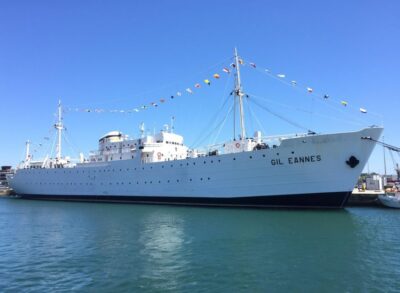
Browse the lists this tour appears in