
Reviewed · PORT WINE CELLAR TOURS
Porto: Douro River Boat Cruise with Port Wine and Snacks
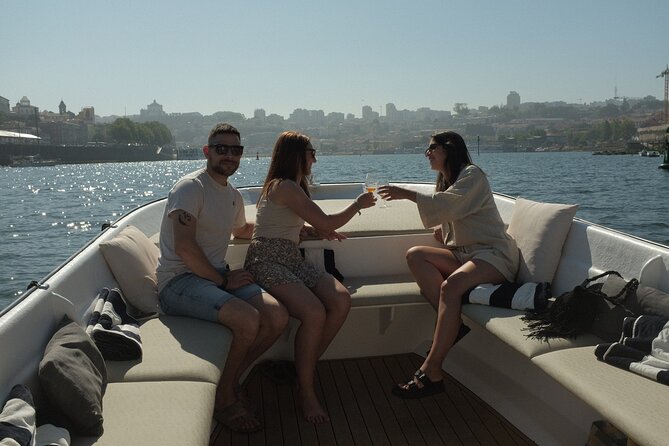
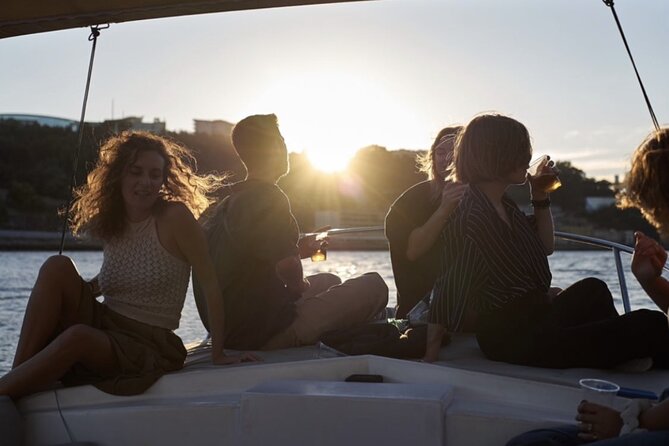
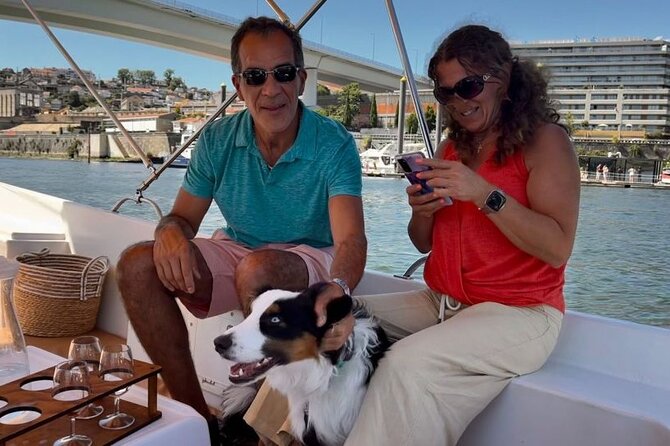
The best thing about this small-boat cruise is the scale. With a maximum of eight people and a two-person crew, you get a close view of Porto from the water without the feel of a crowded sightseeing vessel. The route gives you time to look up at the bridges, old churches, port lodges, and riverside neighborhoods while enjoying three Portuguese wine tastings.
I like the relaxed pace and the chance to hear the city explained as you pass it. I also like the friendly, social setup: guides such as Fabio, Angelo, Marcello, María, Ricardo, Duarte, and Alfonso have been praised for mixing useful facts with jokes, photos, and easy conversation. The main consideration is that the snacks are light, and the boat has no toilet.
In This Review
- Key points
- Why the Douro is the right place to start
- A small boat makes a real difference
- Leaving from PortoMarina do Freixo
- Porto’s oldest bridge and the riverfront story
- The 1881 city icon
- Ribeira, São Francisco, and Porto’s maritime past
- Gaia and the port-wine cellars
- Alfândega and the Crystal Palace viewpoint
- The modern bridge and the turn toward the Atlantic
- What you actually eat and drink
- Is $48.37 a fair price?
- Practical details before you book
- Should you book this Douro cruise?
- FAQ
- How long is the Porto Douro River cruise?
- Where does the cruise begin and end?
- How many people can join the boat?
- What wine is included?
- What snacks are served?
- Is there a toilet on the boat?
- Is the tour offered in English?
- What happens if the weather is poor?
Key points
- Small group of up to eight: The boat feels closer to a private charter than a large river excursion.
- Three wine tastings: You may sample vinho verde, white port, and red port during the cruise.
- Porto and Gaia from the river: See the historic waterfront, port cellars, bridges, and city skyline from a fresh angle.
- Two-hour route: The trip is long enough for a proper outing but easy to fit into a busy Porto schedule.
- Friendly two-person crew: The captain and guide share the work, leaving you free to watch the views and ask questions.
- Weather matters: The cruise requires good weather, and poor conditions can lead to a new date or a full refund.
Why the Douro is the right place to start
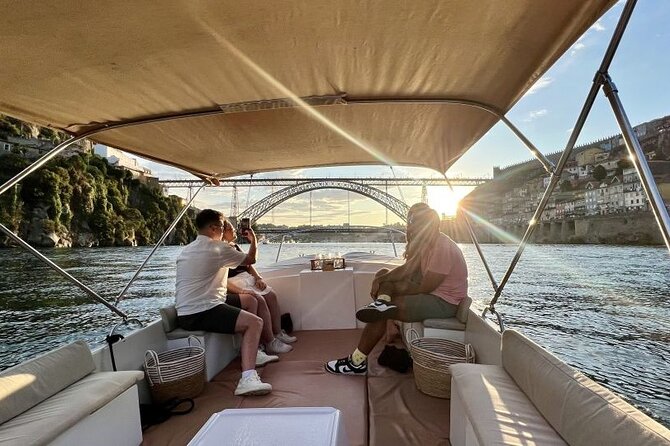
The Douro is the river that gives Porto its shape. Its name comes from the Latin word for gold, and the water still feels like the city’s main stage. Porto grew around this river, and Vila Nova de Gaia developed across it, with port wine stored in cellars along the southern bank.
From land, you see pieces of the river between buildings and roads. From the boat, the city opens up. You can look back toward Porto’s steep streets, watch Gaia’s waterfront slide past, and study the bridges from below rather than from a pavement or lookout.
The cruise lasts about two hours, which is a good length for this kind of outing. A shorter ride can feel rushed, while a much longer one may repeat the same views. Here, the route gives you a calm stretch of time to sit, listen, taste wine, and let someone else handle the navigation.
More port wine cellars to visit:
- Porto: Live Fado Show with Glass of Port Wine
★ 4.8 · 6,498 reviews - Porto: Cálem Cellar Tour, Interactive Museum & Wine Tasting
★ 4.5 · 4,113 reviews - Porto: Cálem Cellar Tour, Fado Show & Wine Tasting
★ 4.4 · 3,530 reviews
A small boat makes a real difference
The maximum group size is eight people. That detail matters more than it might seem. On a larger vessel, the guide’s commentary can become background noise, and it is harder to ask a question or get a photo without someone standing in the way.
This boat setup feels more personal. The crew can speak with the group instead of delivering a one-size-fits-all speech. Several crews have included a captain and a separate guide, with names such as Fabio and Angelo, Fabio and Juan, or Ricardo and Duarte appearing in accounts of the experience. The exact crew will depend on your departure, but the format is consistent: one person drives while the other handles the welcome, commentary, and tastings.
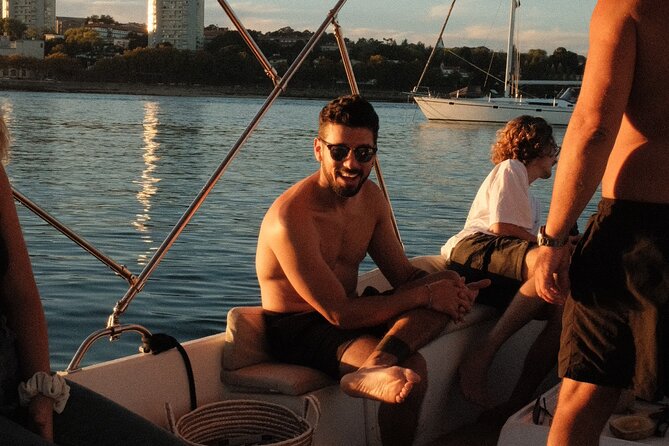
The social side is part of the appeal. You may find yourself chatting with the other passengers, especially because the boat is small and the cruise moves at an easy pace. Solo visitors can fit in comfortably, while couples and families get a pleasant shared outing without having to organize a private charter.
The tradeoff is space. A small boat offers intimacy, but it is not the place to expect a broad cabin, extensive onboard facilities, or a restaurant-style meal. There is no toilet, so plan accordingly before boarding.
Leaving from PortoMarina do Freixo
The meeting point is Boating PortoMarina do Freixo, at N108, 4300-316 Porto. This is away from the central Ribeira waterfront, and finding the pickup point may require a little more care than simply walking to the most obvious tourist pier.
Give yourself time to reach the marina. One useful approach is to check the route before the day of the cruise rather than treating the meeting point as an afterthought. The exact transport details are not included here, so you should confirm how you will get there from your accommodation.
The cruise ends back at the same meeting point. That makes the outing simple to plan, especially if you want to leave your afternoon or evening open for dinner elsewhere. It also means you should allow time for the return journey after the boat docks.
Once onboard, the river does the work. You do not need to change boats or follow a walking guide through steep streets. Sit back, keep your phone ready for photos, and listen as Porto’s story unfolds from the water.
Porto’s oldest bridge and the riverfront story
One early point of interest is described as Porto’s oldest bridge, with details explained by the guide. Bridges are not just photo stops here. They show how Porto and Gaia depend on one another, and they give you a clear sense of the river’s width, current, and working role.
The guide’s commentary is most useful when it connects the structure in front of you with the city around it. Look for differences between the old stone waterfront, later iron bridge designs, and modern road crossings. You will get a better feel for Porto’s growth by seeing several generations of bridges in one short stretch.
The quality of the commentary can vary by crew. Most reports describe the guides as friendly and well informed, with plenty of historical detail. One account found the ride closer to a simple boat trip and wine tasting, with little information. That is worth keeping in mind if you are booking mainly for a formal history lecture. The strongest reason to choose this cruise is the combination of views, conversation, and wine, not a guaranteed academic presentation.
More Douro river cruises:
- Complete Douro Valley Wine Tour with Lunch, Wine Tastings and River Cruise
★ 5.0 · 12,920 reviews - Porto: Six Bridges Cruise
★ 4.2 · 11,680 reviews - Porto: 6 Bridges Douro River Cruise
★ 4.3 · 6,472 reviews - Douro Valley: Wine Tour with Lunch, Tastings & River Cruise
★ 4.6 · 6,081 reviews
The 1881 city icon
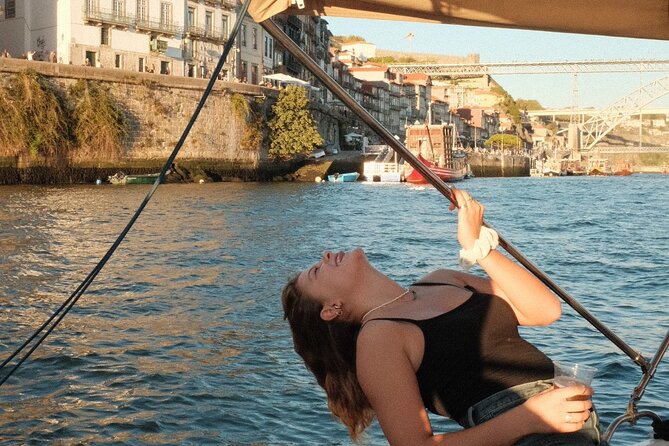
The route also passes one of Porto’s major icons, dating from 1881 and still in use. The itinerary does not identify it by name, but the point is clear: this is one of the city’s important working structures, not a relic fenced off from daily life.
From the river, you get a useful perspective on how these landmarks fit into Porto’s tight urban setting. Hills rise behind the waterfront, old buildings press close to the river, and the bridge structures frame the city in a way that is hard to appreciate from a street-level walk.
This section is especially good for photography. The boat gives you changing angles, so you can photograph the structure against the Porto skyline, then turn toward Gaia for a different view. If you choose a late afternoon departure, the light can be attractive. One 5:15 p.m. outing finished before a 7 p.m. sunset and produced strong views of the city and bridges.
Ribeira, São Francisco, and Porto’s maritime past
The boat passes Porto’s historic district, where medieval streets climb away from the river. From the water, you see the district as a dense wall of old architecture rather than as a maze of alleys.
São Francisco Church is one of the named landmarks in this part of the route. Its importance is easy to understand from the river because it sits within the old waterfront core, close to the paths and buildings that once connected Porto to maritime trade.
The cruise does not replace a walk through Ribeira. You will not be wandering inside the church or exploring the narrow streets. Instead, it gives you a useful overview before or after a land visit. I like this sequence: take the boat early in your stay to get your bearings, then return to the riverfront on foot with a better sense of what you are seeing.
The guide may add stories about the river, Porto, and Gaia as the boat moves along. The best commentary is informal and connected to the exact building or bridge in view. That makes the two-hour trip feel more personal than simply reading names from a map.
Gaia and the port-wine cellars
Across the river, Vila Nova de Gaia is known for its port-wine cellars and broad views back toward Porto. The cruise gives you a quick look at this waterfront rather than a full cellar visit.
That distinction matters. If you want a detailed tour of port production, barrel storage, and tasting rooms, book a separate cellar experience. On this boat trip, Gaia is part of the scenery and the wine theme. You see the buildings from the water, then taste Portuguese wine while the guide explains the setting.
This pairing works well because port is tied so closely to the Douro. The river carried wine and other goods toward the coast, while Gaia became associated with storage and aging. You can enjoy the drink without spending half a day inside a cellar.
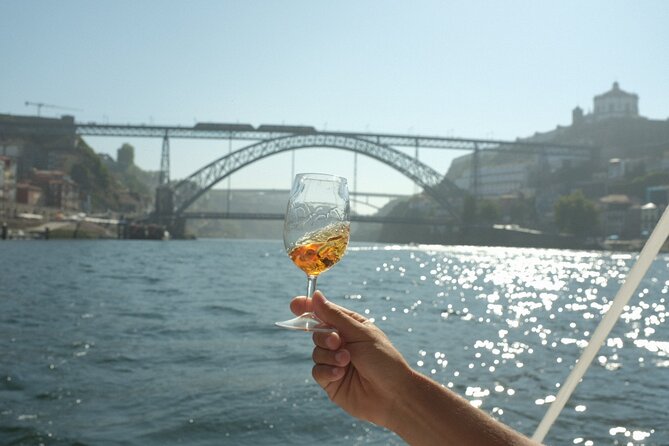
The tasting generally includes three wines: vinho verde, white port, and red port. The white port can be very sweet, while the red port offers the fuller, more familiar style many people expect. Vinho verde gives the tasting a lighter contrast.
The crew may be generous with the pours, so pace yourself. You are on a boat, not at a long lunch, and the tasting comes alongside commentary and scenery. Water was not always offered automatically, so ask if you want some.
Alfândega and the Crystal Palace viewpoint
Another riverside point is the former customs building, now used as a cultural and event space. Its neoclassical design gives you a different kind of sight from the medieval district and the bridges. From the water, you can appreciate its position beside the river and its role in Porto’s trading past.
The route also reaches a striking 19th-century glass gazebo in the gardens associated with Porto’s Crystal Palace area. Its glass structure and high position provide broad views of the Douro and the city. You will see it from the river rather than stopping for a garden visit, so think of this as a passing landmark, not a walking break.
That is one of the gentle limitations of the itinerary. The listed points are mainly viewed from the boat, with quick passages rather than long shore stops. If you prefer a tour with time to get off, explore, and enter buildings, this will feel too passive. If you enjoy watching a city unfold without changing pace, it is a good match.
The modern bridge and the turn toward the Atlantic
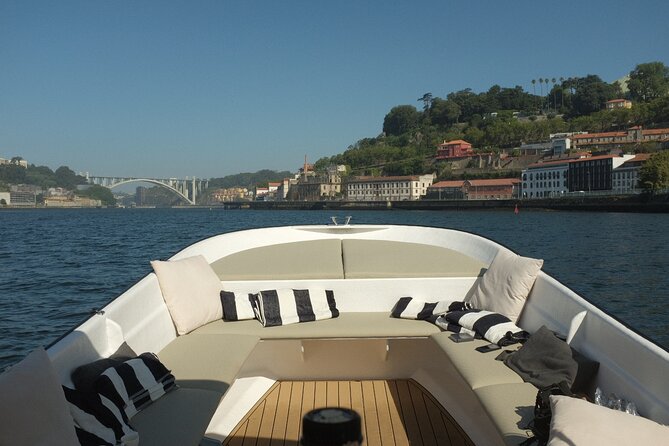
The final major bridge is an iconic arch crossing completed in 1963. It connects Porto and Gaia and remains an important transport route. Its clean, strong shape contrasts with the older bridges, giving you a quick lesson in how the river crossings changed over time.
The boat heads downriver toward the Atlantic rather than into the Douro Valley proper. That is important when setting expectations. You will see the Porto section of the river, not the vineyard terraces and inland villages associated with a full Douro Valley excursion.
The route is calm and scenic, with good chances to photograph bridges, waterfront buildings, and the city from different angles. You may get better pictures near the end of the day, though the cruise can be enjoyable in other conditions too. Rain does not automatically ruin the experience, but you should dress for the forecast and understand that poor weather may cause the operator to cancel.
What you actually eat and drink
The food is best described as a small pairing plate, not a snack-heavy cruise. Typical items include local almonds, dried figs, and small amounts of dark chocolate. They are sensible companions for port, but they will not replace breakfast, lunch, or dinner.
I would eat before boarding if you are hungry, especially because you may taste three wines. The snacks help cleanse the palate and give you something to nibble, but portions can be modest. One useful point is that the crew may serve full drinks, while the food remains limited.
This balance keeps the cruise focused on the river. You are paying for the boat, the small group, the crew’s attention, the views, and the tasting. The food is a pleasant extra, not the main value.
Is $48.37 a fair price?
At $48.37 per person, this costs more than a bare-bones public river ride. The comparison is not quite fair, though. You are getting about two hours, a small group capped at eight, a two-person crew, guided sightseeing, and three wine tastings with local snacks.
I see the price as reasonable if you value personal attention and want a social experience. A large boat may be cheaper, but it will not offer the same intimate setup. A private charter would cost more, so this sits in the middle: more personal than a standard cruise, less expensive than having a boat to yourself.
The value depends on your goal. Book it for a relaxed view of Porto, bridge photography, informal city stories, and wine. Do not book it as a full meal, a cellar tour, or a full-day trip into the Douro Valley.
Practical details before you book
The activity is offered in English, and confirmation is provided at booking. Service animals are allowed, and the experience is near public transportation. Most people can participate, though the small boat and lack of a toilet are worth considering if you need extra space or onboard facilities.
The tour requires good weather. If the operator cancels because conditions are poor, you can choose another date or receive a full refund. You can also cancel for a full refund up to 24 hours before the start time. Changes or cancellations inside that 24-hour window are not accepted, so check the local start time carefully.
For the smoothest outing, I would:
- Confirm the marina route before the day of departure.
- Eat beforehand and treat the food as light pairings.
- Ask for water if you want it.
- Bring a layer for the river and protect your phone for photography.
- Consider a late afternoon time for softer light.
- Leave room in your schedule for the return to the marina.
Should you book this Douro cruise?
I would book this tour if you want Porto in a relaxed two-hour package, especially early in your visit. The small boat, bridge views, friendly two-person crew, and three-wine tasting give you a pleasant introduction to the city and both sides of the Douro.
Choose something else if you need a proper meal, a toilet onboard, a guaranteed formal lecture, or a full trip through the inland Douro Valley. For everyone else, $48.37 is a fair price for a personal river outing that combines Porto’s best views with a taste of the region’s wine culture.
FAQ
How long is the Porto Douro River cruise?
The cruise lasts approximately two hours.
Where does the cruise begin and end?
It begins at Boating PortoMarina do Freixo, N108, 4300-316 Porto, Portugal, and ends back at the same meeting point.
How many people can join the boat?
The stated maximum is eight passengers. One account reported ten people on a departure, so you may wish to confirm the group size if this detail is especially important to you.
What wine is included?
The tasting can include vinho verde, white port, and red port. The exact serving details may vary by departure.
What snacks are served?
The snacks are light local pairings such as almonds, dried figs, and small amounts of dark chocolate. They are not intended to replace a meal.
Is there a toilet on the boat?
No. The boat does not have a toilet, so plan ahead before boarding.
Is the tour offered in English?
Yes. The experience is offered in English.
What happens if the weather is poor?
The cruise requires good weather. If it is canceled because of poor conditions, you will be offered another date or a full refund. You can cancel up to 24 hours before the start time for a full refund.
More Wine Tours in Porto
- From Porto: Douro Valley w/ Boat Tour, Wine Tasting & Lunch
★ 4.7 · 19,061 reviews - Douro Valley: Historical Sites, Wine Experience, Lunch & Cruise
★ 5.0 · 5,133 reviews - Authentic Small Group Douro Wine Tour with Lunch & River Cruise
★ 5.0 · 4,775 reviews - Douro Valley Small-Group Tour with Wine Tasting, Lunch and Boat
★ 5.0 · 3,642 reviews
Latest reviews around Porto
- Private Walking Tour, highlights and secrets of Porto★ 3.9 · 3 reviews
- Private Porto Half-Day Tour – Wine Cellars & Cheese Tasting★ 5.0 · 3 reviews
- Portuguese Wine Tasting w Local Cheese & Cold Cuts pairing★ 5.0 · 3 reviews
- Porto: Full-Day All-Inclusive Private City Sightseeing Tour★ 4.3 · 3 reviews
- Small Painting Group with a Local Artist in Porto★ 5.0 · 3 reviews
- From Peso da Régua: Visit 3 wineries, tasting and viewpoint★ 5.0 · 3 reviews
- From Arouca: Paiva River Rafting Adventure – Adventure Tour★ 5.0 · 3 reviews
- Private Tour to Santiago de Compostela and its stunning Cathedral★ 5.0 · 3 reviews
Port Wine Cellar Tours, compared.

Porto: Cálem Cellar Tour, Interactive Museum & Wine Tasting
Read our review →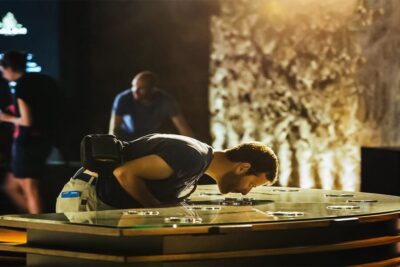
Porto: Cálem Cellar Tour, Fado Show & Wine Tasting
Read our review →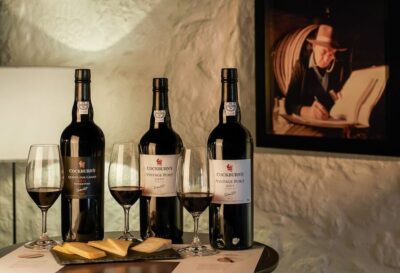
Porto: Cockburn’s Port Lodge Tour and Tasting
Read our review →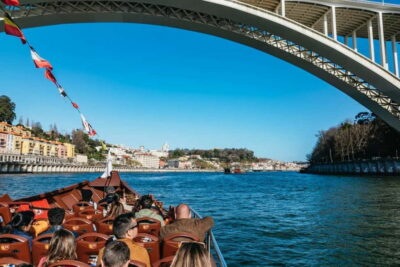
Porto: Bridges Cruise with Wine Cellar Tour or Sunset Option
Read our review →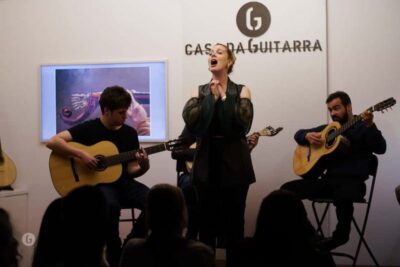
Porto: Authentic Fado Show, Port Wine & Handmade Instruments
Read our review →
Porto: City Train Tour, River Cruise & Wine Cellar
Read our review →
Porto: Live Fado Concert with Glass of Tawny Port Wine
Read our review →
Port Wine Lodges Tour Including 7 Port Wine Tastings (English)
Read our review →Browse the lists this tour appears in