
Reviewed · MUSEUMS
Porto: Museum of the Oldest Appellation in the World Ticket
Port wine has shaped Porto’s identity, and this small museum gives you a quick, clear way to understand why. You’ll see historic objects, old winemaking equipment, art, and interactive displays tied to the Douro region and Real Companhia Velha. I like the low $5 entry price and the choice of adding a tasting rather than paying for wine you may not want. The main drawback is time: the museum can be seen in about 30 minutes, so it is not a full afternoon attraction.
I also like the compact seven-zone layout, which keeps the story moving instead of burying you in dates. The exhibits make a good introduction before a cellar visit or a tasting elsewhere in Porto. Service has usually been attentive, though one visit found the reception staff less welcoming than expected.
In This Review
- Key points to know before you go
- A short museum with a big local subject
- Following port wine from the Douro to Porto
- What you see in the seven exhibit zones
- The tasting choices: two wines or four
- Why the $5 ticket can be good value
- Timing your visit in Porto
- The atmosphere and service
- Who will enjoy this museum most?
- Should you book the Real Companhia Velha museum?
- FAQ
- Where is the Museum of the Oldest Appellation in the World?
- How much does entry cost?
- How long is the experience?
- Is a wine tasting included?
- What wines are included in the two-wine option?
- What wines are included in the four-wine option?
- What can I see inside the museum?
- Is the museum wheelchair accessible?
- Can I cancel my booking?
Key points to know before you go
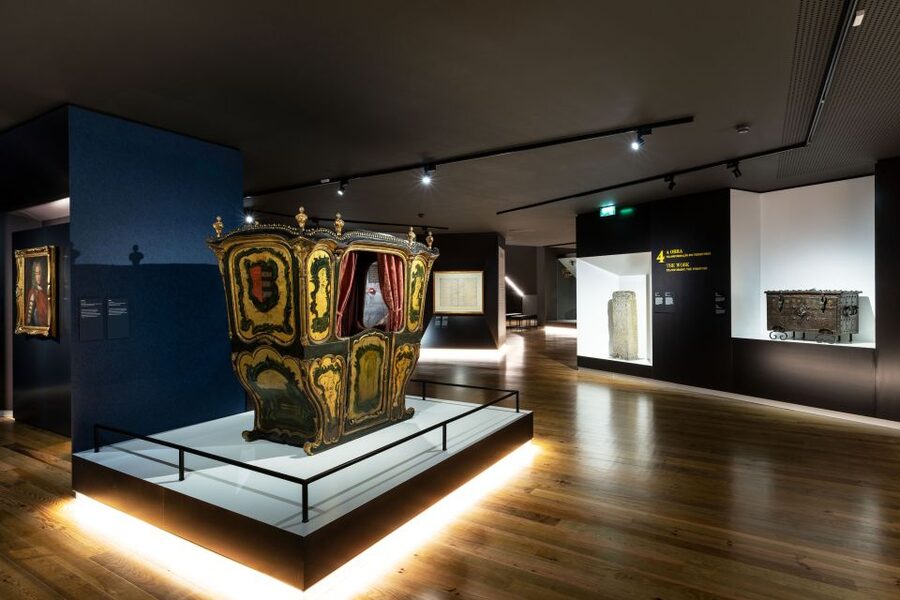
- A 260-year-old wine collection: See selections connected to Real Companhia Velha, one of Portugal’s historic port wine companies.
- Seven connected exhibit zones: Follow the story of port, Porto, the Douro, and the company in a short, easy-to-manage visit.
- Optional tasting choices: Sample two ports, or choose the larger tasting with one white and three red ports.
- A strong value at $5: The basic ticket is inexpensive, especially if you want background before exploring more of Porto’s wine culture.
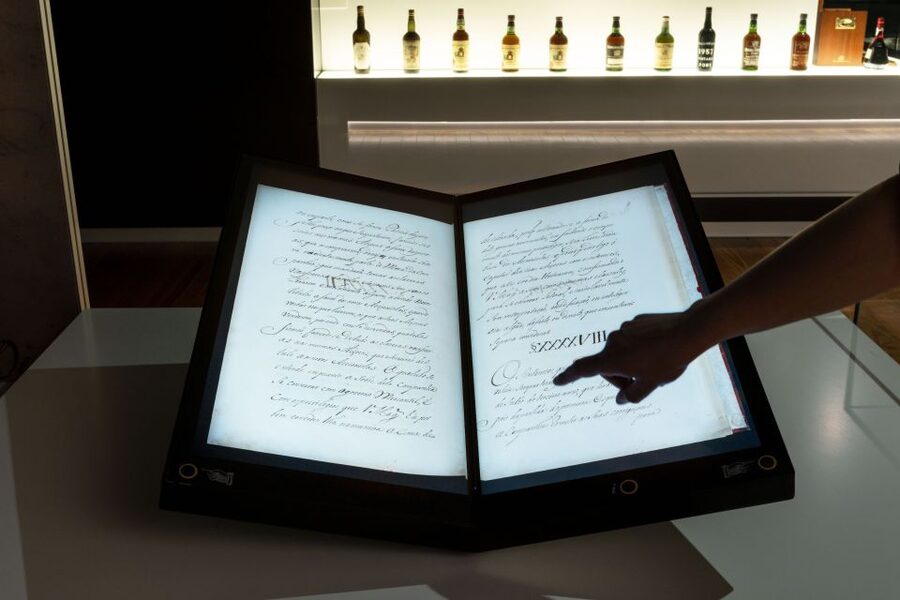
- Multimedia alongside old objects: Historic artefacts and winemaking equipment are paired with interactive displays and devices.
- Wheelchair accessible: The museum is listed as accessible for wheelchair users, and you can skip the ticket line.
A short museum with a big local subject
The Museum of the Oldest Appellation in the World deals with a subject that is central to Porto: port wine. This is not simply a room where bottles sit behind glass. The exhibits connect the drink to the Douro region, the city, and the long-running Real Companhia Velha wine company.
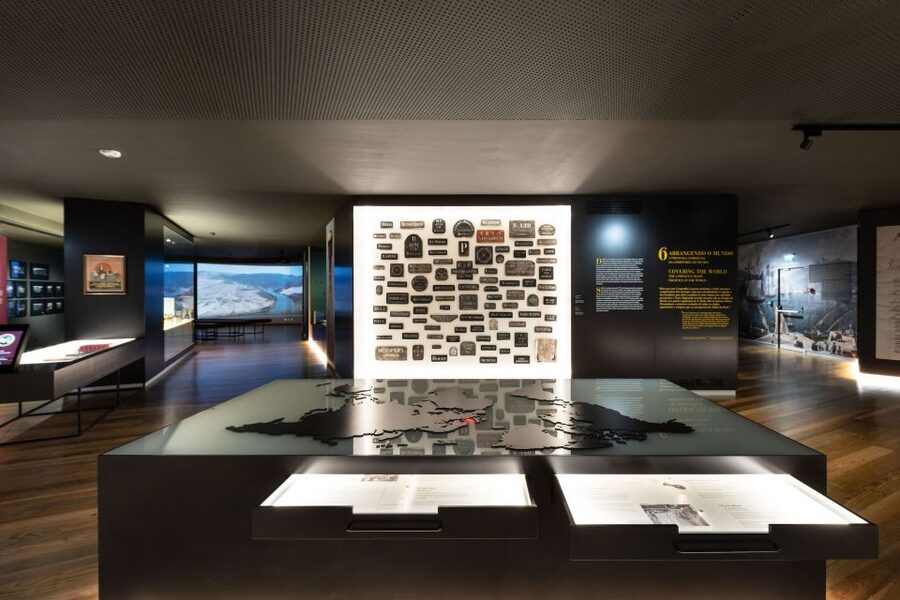
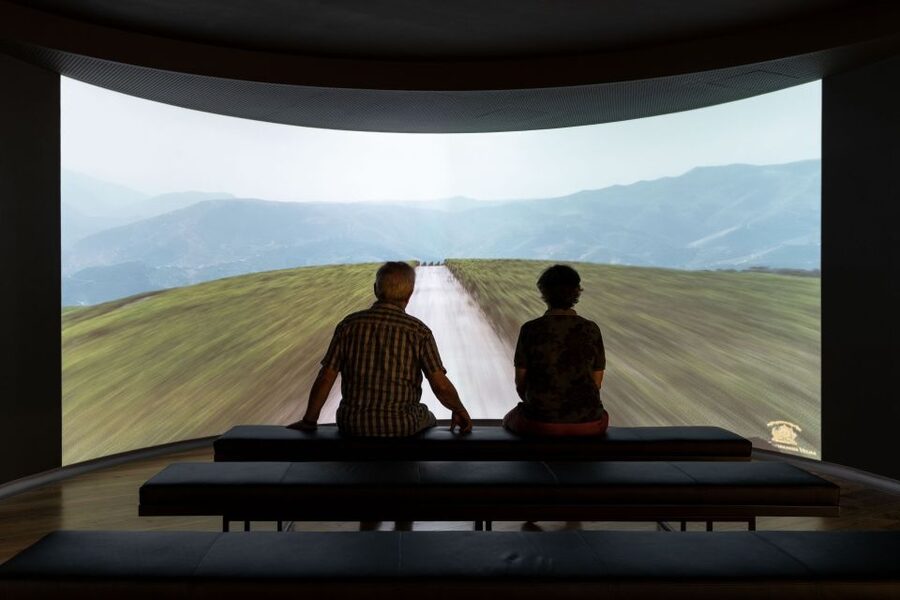
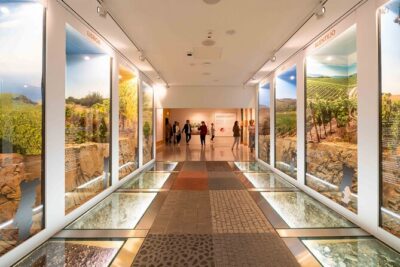
You move through seven interconnecting zones, each adding another piece to the story. Multimedia displays and interactive devices help explain the region in a more direct way than a wall of printed text would. You can expect a mix of visual material, historic objects, art, and vintage equipment used in wine production.
That variety is useful if you are not already a port expert. You get enough context to understand the terms and traditions without committing to a long guided program. If you already know the difference between Ruby, Tawny, and White Port, the museum may feel more like a brief refresher.
The visit is best treated as a focused cultural stop. One detailed assessment found that the museum could be completed in roughly 30 minutes. That is a fair warning, not necessarily a criticism. At this price, a short visit can be a good deal, but you should not book it expecting a half-day attraction.
More museums and galleries in Vila Nova De Gaia:
- Porto: Taylor’s Port Cellar Tour & WOW Museum Pack
★ 4.7 · 24 reviews - Porto: Cálem Cellar Tour, Interactive Museum & Wine Tasting
★ 4.5 · 4,113 reviews - FC Porto: Museum & Tour
★ 4.6 · 2,826 reviews
Following port wine from the Douro to Porto
The most useful part of the museum is the link between wine and place. Port is not presented as an isolated product. The displays explain the connection between the Douro region and Porto, helping you understand why the drink became such a strong symbol of the city.
The museum also gives attention to the origins of wine in the area around the Douro River. That regional focus adds value for anyone planning to visit both Porto and the Douro Valley. You will have a better sense of why the river matters and why Porto became so closely tied to the wine trade.
The company’s own story is another major thread. Real Companhia Velha has a 260-year-old collection of port wines, and the exhibits place that collection within the larger story of the firm. You are not just looking at old bottles. You are seeing how a wine company, a city, and a wine-growing region developed together.
I would not expect a full academic account of every stage of port production. The museum works better as an introduction. It gives you enough information to make later tastings more meaningful, especially if you are still learning how different port styles taste.
What you see in the seven exhibit zones
The exact order and content of each zone are not fully detailed, but the overall visit combines several kinds of material. You can expect the following elements as you move through the connected spaces.
Historic objects give the story a physical anchor. Old artefacts can make the subject easier to grasp than modern text alone, particularly when they show how wine was stored, handled, or presented in earlier periods.
Vintage winemaking equipment provides a practical link to production. These pieces help you picture the work behind the bottle. They also give the museum more substance than a simple brand display.
Works of art add a cultural side to the visit. Port wine is treated as part of Porto’s identity, not just as a drink sold to visitors. The art helps show how wine has been represented and remembered.
Multimedia and interactive devices keep the museum from feeling like a static collection. You can explore information in a more visual way, which may suit families and visitors who prefer short explanations to long labels.
Because the zones connect, you do not need to plan a route or decide what to skip. The design is straightforward. You can walk through, pause at the pieces that interest you, and finish at the tasting area if you selected that option.
The compact layout is also a practical advantage on a busy Porto day. You can fit the museum between other sights instead of building your whole schedule around it. On the other hand, visitors who want a detailed, slow account of port production may finish sooner than expected.
The tasting choices: two wines or four
The optional tasting is the part that turns a museum visit into a more complete port wine experience. You can choose a two-wine option or a larger tasting with four wines. The ticket includes the tastings only when you select the tasting option.
The two-wine tasting includes:
- One White Port, Lágrima
- One red Port, Quinta das Carvalhas Reserva Tawny
This is the sensible choice if you want a simple comparison without spending too long on wine. The White Port gives you a different starting point from the red Tawny, while the Tawny introduces a style known for its aged character and softer profile.
The four-wine tasting includes:
- One White Port, Lágrima
- Quinta das Carvalhas Reserva Ruby
- Quinta das Carvalhas Reserva Tawny
- Royal Oporto 10 Years
The larger option lets you compare several red styles. Ruby and Tawny are not interchangeable, and tasting them side by side can make the distinction much easier to understand. Royal Oporto 10 Years adds another point of comparison through a longer-aged style.
No tasting notes or serving details are supplied, so you should not expect a formal wine course with a named specialist unless that is separately confirmed when booking. Think of the tasting as a guided finish to the museum rather than a full vineyard or cellar tour.
I would choose the four-wine option if port is one of your main reasons for visiting Porto. If you are simply curious and have other tastings planned, the two-wine option should be enough. You can also take the museum ticket without wine if you prefer to keep the visit focused on culture and company history.
A few more Vila Nova De Gaia outings to weigh up
- Porto: Six Bridges Cruise
★ 4.2 · 11,680 reviews - Porto: Taylor’s Port Cellars & Tasting
★ 4.6 · 3,374 reviews - Porto: Charming Sailboat Cruise with Port Wine,Sunset Option
★ 5.0 · 1,978 reviews - Vila Nova de Gaia: Port Wine Tasting with Cheese Pairing
★ 4.8 · 1,074 reviews
Why the $5 ticket can be good value
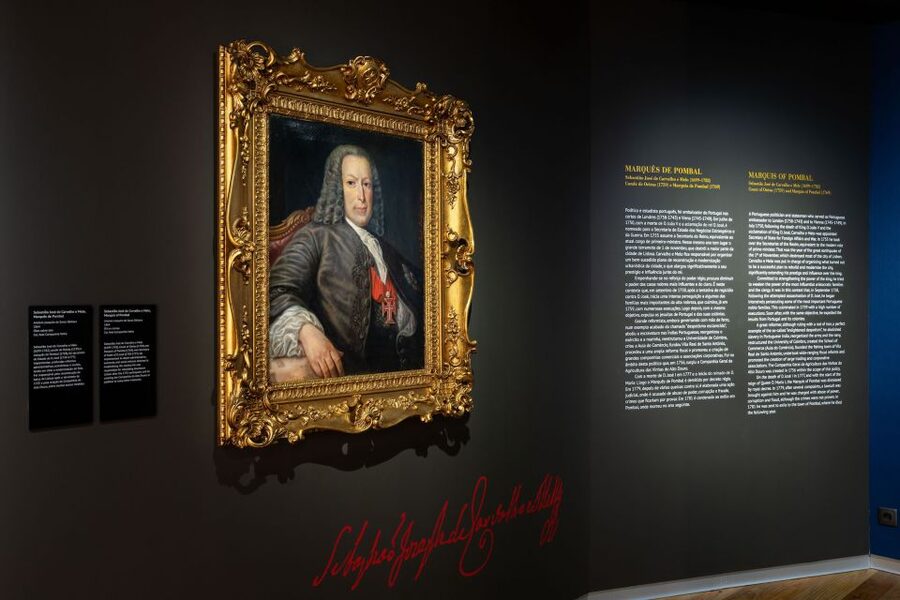
At $5 per person, the basic entry ticket is inexpensive by Porto sightseeing standards. The value comes from the combination of a low price and a useful introduction to a subject that appears throughout the city.
You are paying for a museum stop, not transportation, a meal, or a long tour. The experience does not include a named guide or a stated guided walk. Instead, you explore the exhibits yourself, using the multimedia displays and devices as part of the visit.
That self-guided format suits you if you like to set your own pace. You can move quickly through familiar material or spend more time with the pieces that catch your eye. It also means the quality of your visit depends partly on how much attention you give the displays.
The tasting options should be judged separately from the base ticket because the price of each option is not provided here. If you want to sample the company’s port, adding a tasting makes sense. If you are not drinking wine, the museum still has enough material to justify a short stop, especially at the basic entry price.
The one value concern is the short length. If you need a substantial attraction to fill several hours, this is not it. If you want a well-priced, focused stop that fits neatly into a city itinerary, it works much better.
Timing your visit in Porto
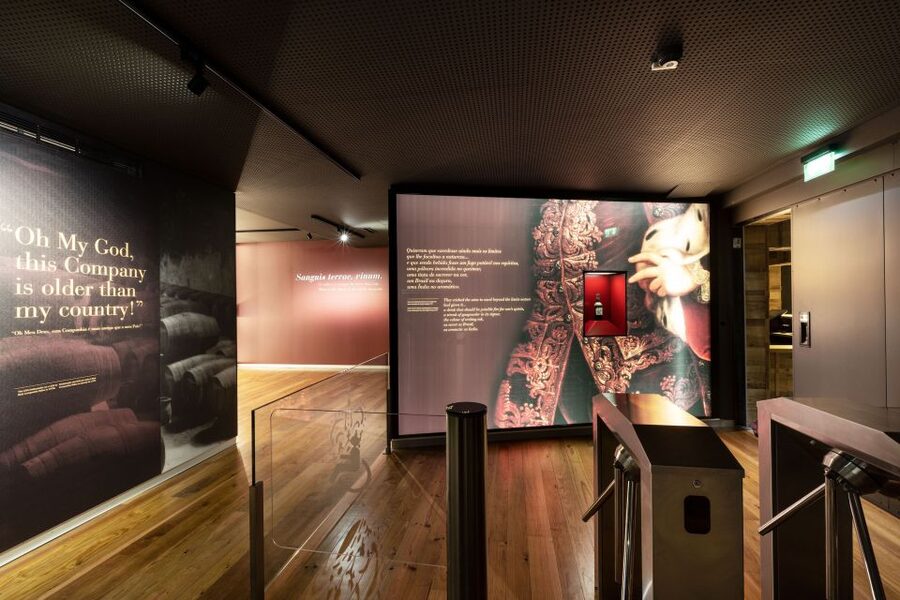
The ticket is valid for one day, with available starting times shown when you check dates. The last admission is 30 minutes before closing, so do not arrive at the end of the day without checking the schedule.
Since the museum itself may take around 30 minutes, you have some flexibility. Still, allow enough time to see the displays without rushing, especially if you choose a tasting. A late arrival could leave you with too little time for the exhibits or the wine service.
The ability to skip the ticket line is helpful when you are moving between Porto sights. It does not turn this into a timed group tour. You are still visiting at your own pace, but the advance ticket can reduce one small delay.
You can cancel up to 24 hours in advance for a full refund, and the reserve-now, pay-later option keeps your plans flexible. Those terms are useful in Porto, where weather, day trips, and restaurant plans can change quickly.
The museum is wheelchair accessible. That is an important practical point if you need a step-free attraction, though you may want to confirm any detailed access needs before booking.
The atmosphere and service
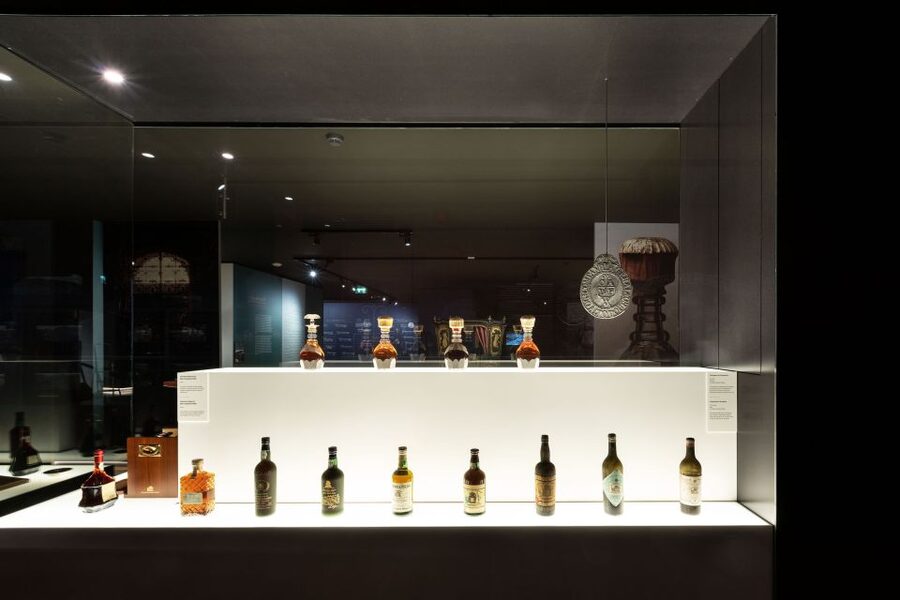
The museum’s tone is described as inviting and focused on history. One particularly positive account praised the staff for being attentive without being intrusive. That balance is welcome in a tasting setting, where you want help available without pressure to buy or drink more.
Service has not been perfect every time. A French visitor found the reception staff unfriendly and thought the museum was too short. I would keep that in mind, but I would not let one poor interaction outweigh the broader picture. The most consistent strengths are the subject, the layout, and the chance to add a wine tasting.
There are no guide names provided for this experience. You should therefore plan on a self-guided museum visit rather than expecting a personal tour led by a particular host. If direct explanation is important to you, ask at the entrance what assistance is available on the day.
The displayed rating is 4.5 from 11 reviews, with several highly positive ratings. That is encouraging, though the sample is small. The safest expectation is a pleasant and informative short visit, not a major Porto landmark that will occupy your entire afternoon.
Who will enjoy this museum most?
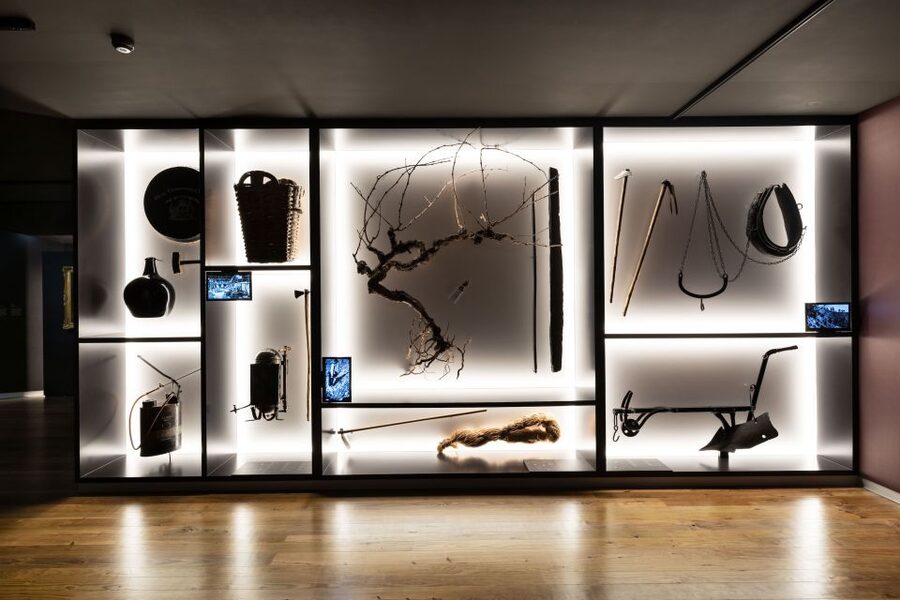
I would recommend it most strongly to:
- First-time port drinkers who want basic context before ordering more wine in Porto.
- History-minded visitors interested in the Douro region and the development of a long-running Portuguese company.
- Art and museum fans who enjoy historic objects, old equipment, and multimedia displays in one compact space.
- Couples and small groups looking for an inexpensive cultural stop with an optional tasting.
- Wheelchair users seeking a listed accessible attraction.
- Busy sightseers who need a short activity that can fit between larger Porto plans.
You may want to skip it if you have already visited several port museums and cellars and want a much longer production tour. It may also disappoint children or non-drinkers who are looking for a large, hands-on attraction, although the interactive devices can add interest.
The tasting choice matters here. Wine fans should consider the four-wine option for the broader comparison. Casual visitors can choose two wines or the museum-only ticket and keep the experience brief.
Should you book the Real Companhia Velha museum?
Book this experience if you want a low-cost introduction to port wine, the Douro region, and Real Companhia Velha. The seven-zone layout, historic objects, multimedia displays, and optional tasting make it more useful than a quick bottle display.
Choose the basic ticket when you are mainly interested in history and art. Add the two-wine tasting for a short introduction, or the four-wine option if you want to compare White, Ruby, Tawny, and 10-year-old port.
Do not book it expecting a long guided tour. The museum may take only about 30 minutes, and no named guide is provided. For most people, that short length is the main limitation. For a $5 Porto stop that fits neatly into a busy day, it is also the main convenience.
FAQ
Where is the Museum of the Oldest Appellation in the World?
It is in Portugal’s Norte Region, in Porto.
How much does entry cost?
The listed price is $5 per person for the entry ticket.
How long is the experience?
The ticket is valid for one day, but the museum itself can be completed in about 30 minutes.
Is a wine tasting included?
Port wine tastings are included only when you select a tasting option. The basic entry ticket does not include tastings.
What wines are included in the two-wine option?
The two-wine option includes one White Port, Lágrima, and one red Port, Quinta das Carvalhas Reserva Tawny.
What wines are included in the four-wine option?
The four-wine option includes Lágrima White Port, Quinta das Carvalhas Reserva Ruby, Quinta das Carvalhas Reserva Tawny, and Royal Oporto 10 Years.
What can I see inside the museum?
You can see historic objects, works of art, vintage winemaking equipment, and multimedia and interactive displays about port wine, Porto, the Douro region, and Real Companhia Velha.
Is the museum wheelchair accessible?
Yes. The experience is listed as wheelchair accessible.
Can I cancel my booking?
Yes. You can cancel up to 24 hours in advance for a full refund. You can also reserve now and pay later.
Latest reviews around Vila Nova De Gaia
- Exclusive visit to the Geophysical Institute of Porto★ 5.0 · 3 reviews
- Port Wines & Chocolate Pairing★ 5.0 · 3 reviews
- Private Boat Tour 6 Bridges 1h30, group price up to 6px★ 5.0 · 3 reviews
- Porto: Douro Classic Boat Tour★ 5.0 · 3 reviews
- Porto: Best Exclusive Charming Sailboat Sunset★ 5.0 · 4 reviews
- Porto: Porto Bike Atlantic Route★ 5.0 · 4 reviews
- Burmester Cellar Tour★ 4.8 · 4 reviews
- Vila Nova de Gaia: Douro Discovery★ 5.0 · 4 reviews
Museums, compared.

Porto: Cálem Cellar Tour, Interactive Museum & Wine Tasting
Read our review →

Porto: Entry Ticket at WOW – The Wine Experience Museum
Read our review →

Porto: Wine Experience Museum with 3 Wine Tastings
Read our review →
Porto: Pink Palace – Immersive Rosé Wine Museum with 5 Tastings
Read our review →
Browse the lists this tour appears in