Reviewed · PORTO TOURS
Exclusive visit to the Geophysical Institute of Porto
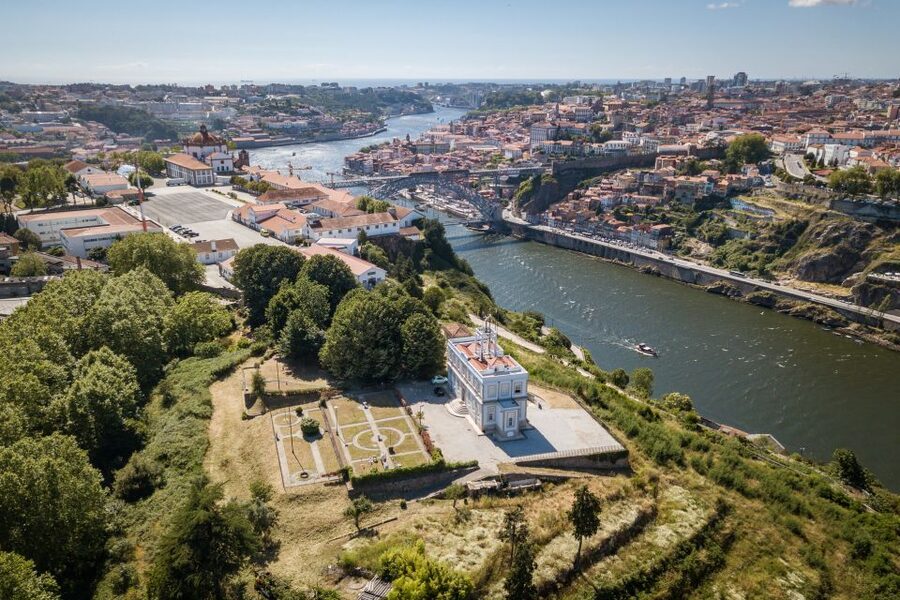
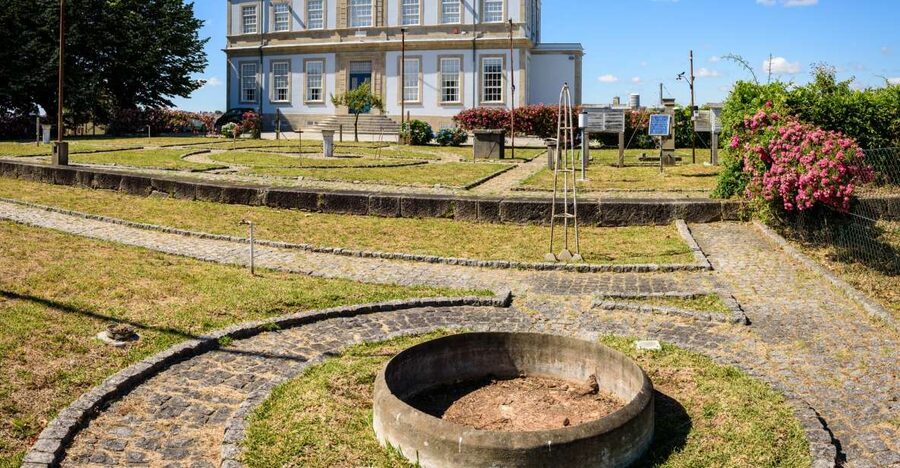
The most surprising part of this short Porto tour is hidden behind the Monastery of Serra do Pilar. Inside a quiet 1885 building sits a seismic station built by the United States in 1962, officially for science but also tied to the tense nuclear contest between the USA and USSR.
I like the mix of Cold War history and seismology, which gives the visit more substance than a simple city viewpoint. I also like the setting: the tour claims the only spot on earth where you can see all six bridges linking Porto and Gaia. That view gives the science lesson a fine finish.
The main drawback is the short format. The guided visit lasts about 35 minutes, with the whole experience taking roughly an hour, so you get a brisk introduction rather than a full technical study. Children under 12 cannot join, and photography has limits inside.
In This Review
- Key points to know before you book
- Why this small institute matters
- The five-minute walk into Serra do Pilar
- Inside the 1885 Geophysical Institute
- How an earthquake differs from a nuclear test
- The Cold War story behind Porto’s station
- A five-minute return walk and a rare six-bridge view
- Is $17 a fair price?
- Practical details that affect your choice
- Who will enjoy this Porto experience most
- Should you book the Geophysical Institute visit?
- FAQ
- Where does the Geophysical Institute tour take place?
- How long does the experience last?
- What language is the tour conducted in?
- Who leads the visit?
- What will I learn during the visit?
- Can children join the tour?
- Can I take photographs or record video?
- What is included in the price?
- Can I cancel my booking?
Key points to know before you book
- A 1962 American seismic station: Learn why the United States helped build a worldwide network of 127 stations during the Cold War.
- Earthquakes and nuclear tests: See how scientists compare the waves produced by natural earthquakes and underground nuclear explosions.
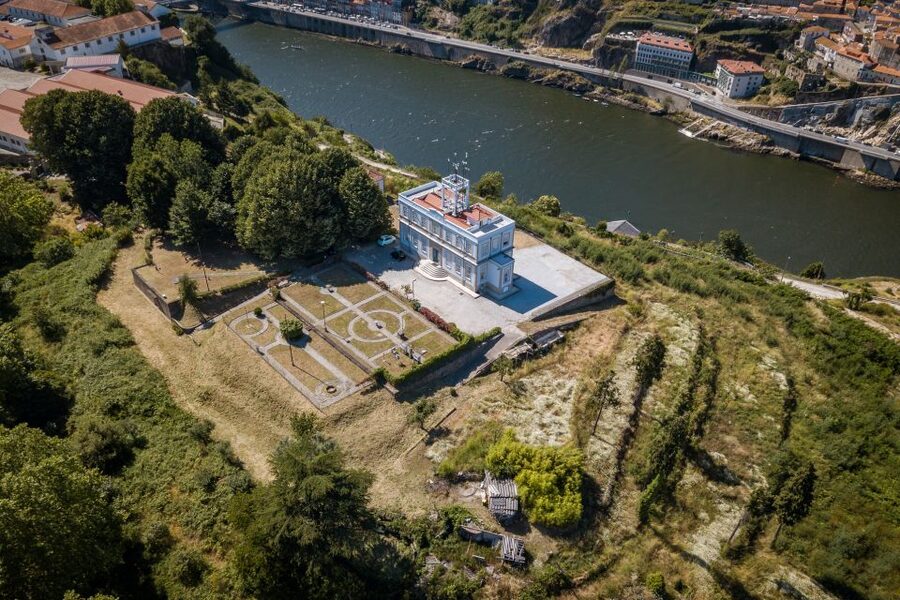
- A 1885 institute in Gaia: Visit the Geophysical Institute of the University of Porto, located behind the Monastery of Serra do Pilar.
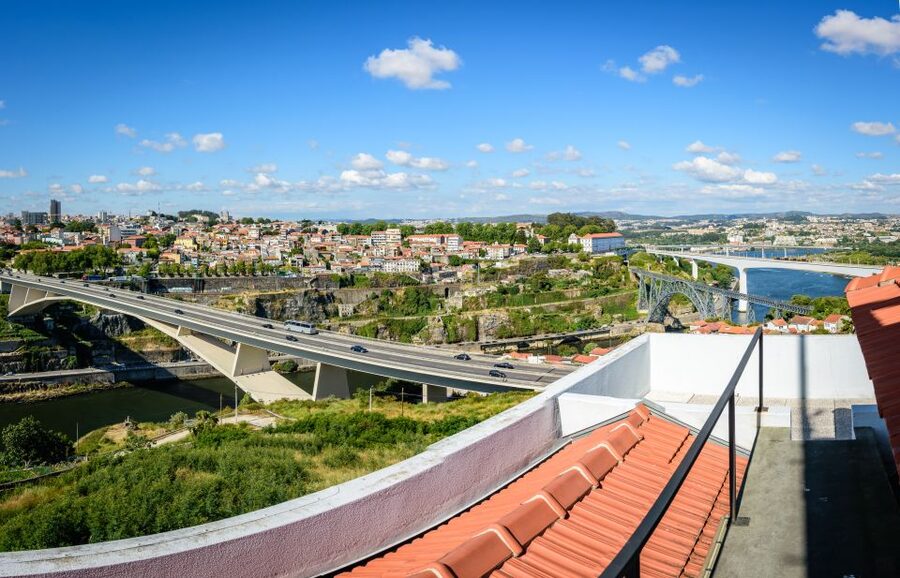
- Six bridges in one view: End outdoors with a broad look at Porto and Gaia from a special viewpoint.
- English with young geology guides: The tour is led by geology students from the University of Porto’s Faculty of Sciences.
- A compact, adult-focused outing: The experience lasts about an hour and is not suitable for children under 12.
Why this small institute matters
Porto has plenty of grand churches, tiled façades, and riverfront views. This experience takes you somewhere quieter and stranger: a scientific institute that helped connect the city to events far beyond Portugal.
The Geophysical Institute of the University of Porto was created in 1885 behind the Monastery of Serra do Pilar. From the outside, it can be easy to miss. That is part of the appeal. You are not entering a polished museum built to attract crowds. You are visiting a working scientific site with a long institutional past.
The key object here is the seismic station built in 1962. It formed part of a worldwide network of 127 stations created during the Cold War. The public explanation was scientific research, but the timing and purpose also fit the nuclear arms race. The station could detect ground movement caused by earthquakes, but it could also help identify signals linked to nuclear tests.
I find that connection especially useful for understanding the Cold War. You do not need to be an expert in military history to follow it. The story begins with a simple question: how can scientists tell the difference between a natural earthquake and an explosion caused by a nuclear test? The guides use the station and its measurements to explain the answer.
A few more Vila Nova De Gaia outings to weigh up
- Porto: Six Bridges Cruise
★ 4.2 · 11,680 reviews - Porto: Taylor’s Port Cellars & Tasting
★ 4.6 · 3,374 reviews - Porto: Charming Sailboat Cruise with Port Wine,Sunset Option
★ 5.0 · 1,978 reviews
The five-minute walk into Serra do Pilar
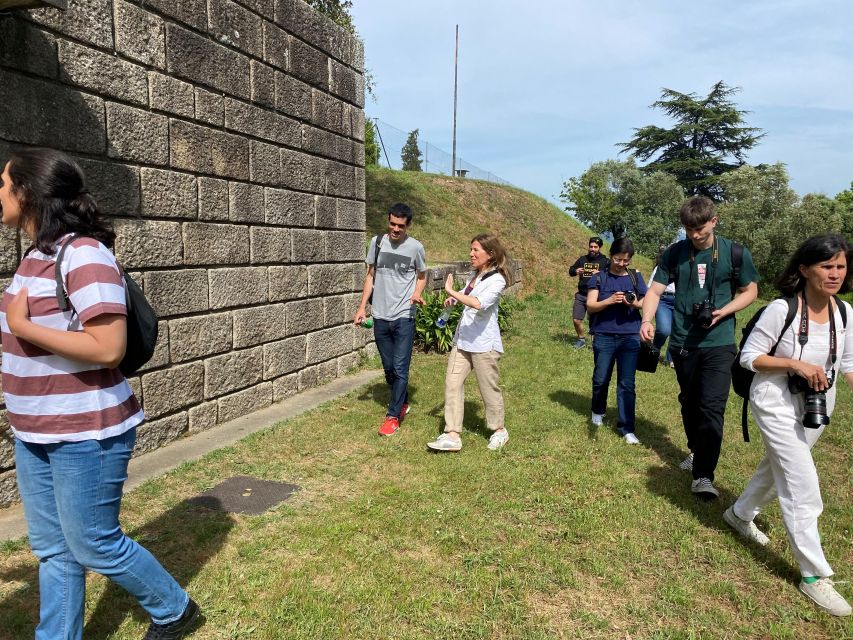
The experience begins at R. 2 23, followed by a walk of about five minutes to the Geophysical Institute. That short approach matters because it separates the tour from the busiest parts of Porto and gives you a moment to reach the site on foot.
You will be in Gaia, not on Porto’s main riverfront. The institute is in the Serra do Pilar area, close to the famous monastery and its elevated views. It is worth wearing comfortable shoes for the short walk, though the supplied information does not describe the route in detail.
This is not a long hiking tour. The walking portion is simply a connection between the meeting point, the institute, and the scenic area. Still, the setting helps the visit feel like an offbeat city discovery rather than another stop in a standard sightseeing circuit.
Inside the 1885 Geophysical Institute
The main guided tour lasts about 35 minutes. That is enough time to cover the central story, but not enough for a slow, technical examination of every instrument or research project connected with the institute.
Your guide will be a geology student from the Faculty of Sciences of the University of Porto, and the tour is conducted in English. The student-led format is a good fit for this subject. You can expect the explanation to focus on geology, seismic activity, and the Cold War link rather than on a long architectural presentation.
The building itself dates to 1885, while the seismic station was constructed much later, in 1962. That contrast gives the visit a useful sense of time. One part of the story reaches back to the early scientific life of the university. Another belongs to the age of nuclear weapons, global surveillance, and competition between two superpowers.
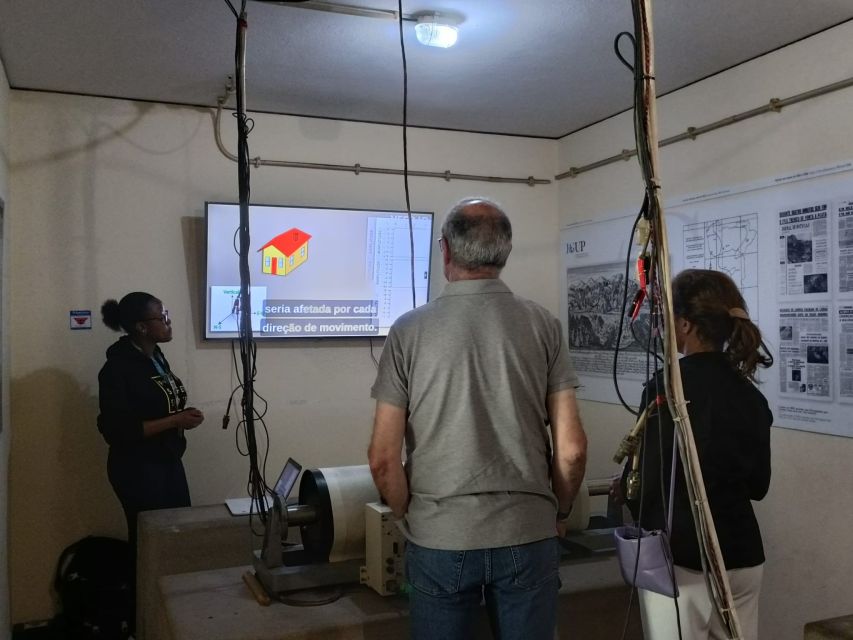
The guides explain the reason behind the station’s construction and the lie that led to the creation of the worldwide network. That wording points to the gap between the public scientific explanation and the station’s role in monitoring nuclear activity. The tour does not treat seismology as an isolated classroom subject. It connects measurements beneath the ground to international politics above it.
How an earthquake differs from a nuclear test
The most educational part of the visit is the comparison between earthquake waves and waves produced by nuclear tests. Both can shake the ground, but they do not create identical patterns.
The tour explains how seismologists study those patterns and use them to work out what happened. You will also learn how scientists calculate an earthquake’s epicenter, the point on the surface above where the earthquake begins underground.
That explanation gives you a practical reason to pay attention. Afterward, the next earthquake report you hear may make more sense because you will understand that scientists are not simply recording a tremor. They compare signals from different stations and use the timing and character of the waves to locate the source.
The information provided does not promise a hands-on experiment or a long demonstration, so you should book this for the explanation and the access to the station itself. If you want a large science museum with many interactive displays, this is probably too brief. If you enjoy seeing how scientific tools connect to real events, the subject is unusually strong for a one-hour Porto outing.
A different sort of Vila Nova De Gaia day altogether:
- Vila Nova de Gaia: Port Wine Tasting with Cheese Pairing
★ 4.8 · 1,074 reviews - Porto: 6 Bridges Port Wine River Cruise with 4 Tastings
★ 4.9 · 586 reviews - Porto: Luxury Yacht Tour of the 6 Bridges and Douro Estuary
★ 4.9 · 521 reviews - Porto: Pastel de Nata Cooking Class from Scratch
★ 4.9 · 468 reviews
The Cold War story behind Porto’s station
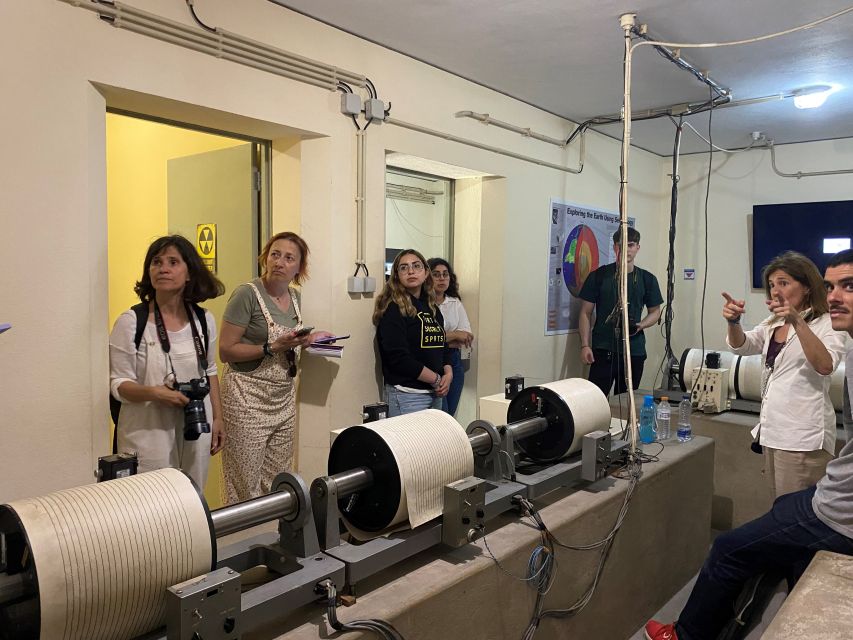
The station places Porto on a map most people do not associate with the Cold War. When you think of that period, you may picture Washington, Moscow, missile sites, or military bases. Here, the story is quieter. A scientific station in Gaia became part of a global system that could detect and study underground activity.
The United States built the Porto station in 1962, officially for scientific research. At the same time, the USA and USSR were locked in a nuclear arms race. Detecting tests mattered because international powers needed ways to monitor what was happening below ground, even when governments did not openly share information.
I like this part of the experience because it gives you a different way to understand the Cold War. There are no battlefields or monuments here. Instead, you see how science, secrecy, and geopolitics worked together through instruments that measured movement in the earth.
The tour also makes clear that the same station can serve two very different purposes. It can help scientists study natural earthquakes, and it can provide clues about human-made explosions. That dual role is the heart of the visit.
A five-minute return walk and a rare six-bridge view
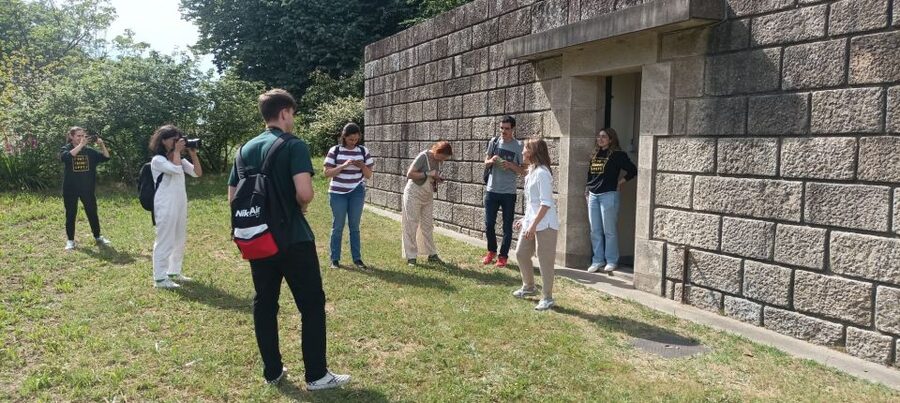
After the guided portion, you walk for about five minutes before reaching the scenic part of the experience. The view is not an afterthought. It is one of the strongest reasons to pair this institute with your Porto sightseeing.
From this area, you can see Porto and Gaia with the Douro River and six connecting bridges in the same panorama. The experience describes it as the only place on earth where all six can be seen together. That is a bold claim, but the view is clearly intended as a special feature of the outing.
The final outdoor stop also changes the pace. You have spent the first part looking inward at instruments, historical explanations, and seismic signals. Then you step outside and look across the city. The contrast works well: underground forces and global politics give way to a broad view of the river and urban scenery.
A delicious surprise is included as part of the outdoor celebration, though the supplied details do not specify what it is. Treat that as a pleasant extra, not the main reason to reserve the tour. The six-bridge view and the institute’s unusual story carry the experience.
Is $17 a fair price?
At $17 per person, I consider this a good-value short tour for anyone interested in science, history, or unusual Porto viewpoints. The price covers about an hour of guided time, access to a site that is not part of a typical city walk, an English-language explanation, and the scenic stop.
The value depends on your interests. If your ideal Porto day is built around major churches, food markets, and riverfront walks, the institute may feel like a niche diversion. If you have already seen the main sights, or if you enjoy places with a strong story and few tourist clichés, $17 is modest.
The tour also saves you from trying to understand the institute on your own. The building’s exterior would not explain the Cold War connection, the worldwide seismic network, or the difference between earthquake and nuclear-test signals. The guide supplies the context that makes the visit worthwhile.
Because the experience is short, I would place it beside another Gaia or Serra do Pilar stop rather than build an entire half-day around it. The available information does not give a full schedule of nearby attractions, but the institute’s location makes it a natural addition to sightseeing in the area.
Practical details that affect your choice
The tour is offered in English with a live guide. Since the guides are geology students from the University of Porto, you should expect a focused explanation of science and history rather than a general city tour.
The whole experience lasts about 60 minutes:
- About five minutes walking to the institute
- About 35 minutes inside on a guided visit
- About five minutes walking afterward
- About five minutes taking in the views
The timing is helpful if you have a packed Porto schedule. You can fit it between longer activities without giving up half a day. At the same time, the compact format means the explanation moves at a steady pace.
Flash photography and video recording are not allowed. You can take in the setting, but you should not plan on filming the guide or recording the presentation. Children under 12 are not permitted, so this is aimed at adults and older teens who can follow the scientific and historical material.
You may cancel up to 24 hours before the start for a full refund. You can also reserve now and pay later, which helps if you are still arranging your Porto plans.
Who will enjoy this Porto experience most
I would recommend the visit to you if you like:
- Science explained in plain terms
- Cold War history away from the usual political landmarks
- University buildings and working scientific sites
- Short guided activities with a clear subject
- City views that are tied to a particular place
- Small experiences that feel different from standard sightseeing
It is especially suitable for adults, couples, solo visitors, and older children who meet the minimum age requirement. The tour can also work well for anyone who has already explored Porto’s central monuments and wants a fresh angle on Gaia.
I would hesitate to recommend it if you want extensive time inside the institute, a large collection of exhibits, or a child-focused activity. The tour is built around one station, one historical story, and one impressive view. Its strength is focus, not variety.
Should you book the Geophysical Institute visit?
Book it if the idea of a Cold War seismic station sounds more interesting than another standard viewpoint. For $17, you get a clear introduction to earthquakes, nuclear-test detection, and the history of a 1962 station, followed by one of Gaia’s most unusual city panoramas.
I especially like the way the visit joins three subjects that do not usually appear together: geology, international politics, and Porto’s geography. The six-bridge view gives you a memorable ending, while the young university guides bring the scientific side to life in English.
Skip it if your schedule is too tight for a specialist stop or if you are looking for an all-ages activity. For the right audience, though, this is a smart one-hour addition to a Porto itinerary, with strong value and a story you are unlikely to hear elsewhere.
FAQ
Where does the Geophysical Institute tour take place?
The experience takes place at the Geophysical Institute of the University of Porto in Gaia, in the Serra do Pilar area, behind the Monastery of Serra do Pilar.
How long does the experience last?
The full experience lasts about one hour. The plan includes two walks of about five minutes, a guided visit of about 35 minutes, and time for scenic views.
What language is the tour conducted in?
The tour is conducted in English with a live guide.
Who leads the visit?
The guides are geology students from the Faculty of Sciences of the University of Porto. Specific guide names are not provided.
What will I learn during the visit?
You will learn about the Cold War, the nuclear arms race, the worldwide seismic station network created in the 1960s, the difference between earthquake waves and nuclear-test waves, and how scientists calculate an earthquake’s epicenter.
Can children join the tour?
Children under 12 are not permitted to take part.
Can I take photographs or record video?
Flash photography and video recording are not allowed.
What is included in the price?
The experience includes the guided visit, the opportunity to learn about Cold War history and seismology, the view of Porto and its six bridges, and a delicious surprise during the outdoor portion.
Can I cancel my booking?
You can cancel up to 24 hours in advance for a full refund. You can also reserve your place and pay later.
Latest reviews around Vila Nova De Gaia
- Port Wines & Chocolate Pairing★ 5.0 · 3 reviews
- Private Boat Tour 6 Bridges 1h30, group price up to 6px★ 5.0 · 3 reviews
- Porto: Douro Classic Boat Tour★ 5.0 · 3 reviews
- Porto: Best Exclusive Charming Sailboat Sunset★ 5.0 · 4 reviews
- Porto: Porto Bike Atlantic Route★ 5.0 · 4 reviews
- Burmester Cellar Tour★ 4.8 · 4 reviews
- Vila Nova de Gaia: Douro Discovery★ 5.0 · 4 reviews
- Exclusive visit to the Astronomical Observatory of Gaia★ 5.0 · 4 reviews
Porto Tours, compared.
From Porto: Douro Valley w/ Boat Tour, Wine Tasting & Lunch
Read our review →
Complete Douro Valley Wine Tour with Lunch, Wine Tastings and River Cruise
Read our review →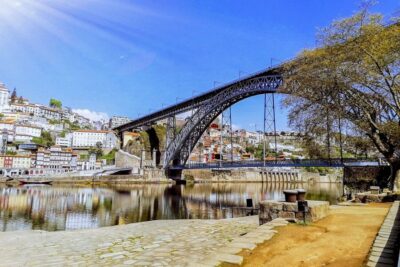
Porto: Live Fado Show with Glass of Port Wine
Read our review →