
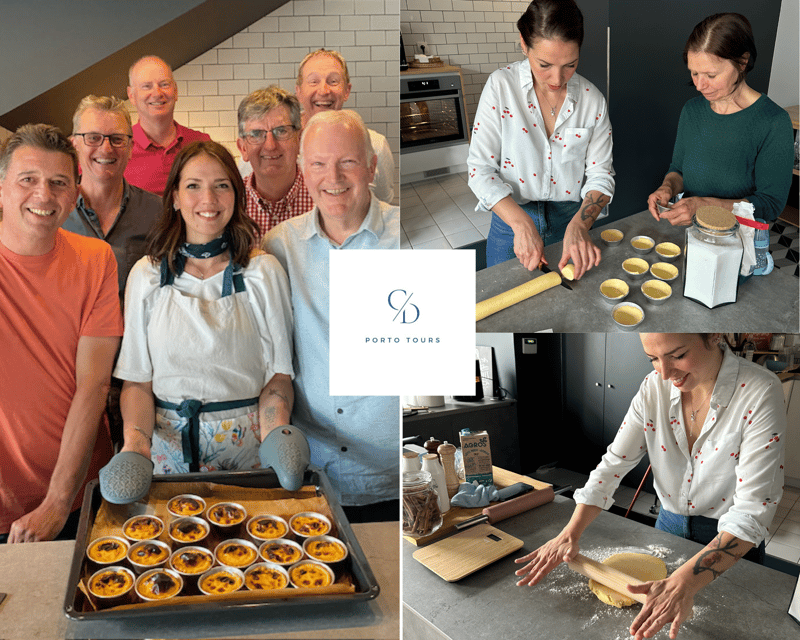
Reviewed · COOKING CLASSES
Porto: Pastel de Nata Cooking Class from Scratch
Making pastel de nata from scratch is the heart of this Porto workshop, and that includes the pastry dough, not just the custard. I like the clear, group-based teaching and the chance to leave with a recipe you can try at home. I also like the relaxed food-and-wine conversation, which gives the class a social feel.
The main consideration is that you will not each make a separate batch from start to finish. Participants take turns with each stage, so the amount of hands-on work depends on the group. Arrive early, too: once the class begins, the door closes and late entry is not allowed.
In This Review
- Key points at a glance
- Why making the pastry matters
- Entering the Porto cooking studio
- The opening lesson: pastry, custard, and Portuguese food culture
- Rolling the dough, the class’s most useful lesson
- Filling the shells and preparing the custard
- Baking time, wine, and food stories
- Eating the pastel de nata warm
- How interactive is the class?
- Price and value at $50
- Who should book this activity?
- Practical details before you reserve
- Should you book the pastel de nata class?
- FAQ
- How long does the pastel de nata class last?
- How much does the class cost?
- Is the class taught in English?
- Is wine included?
- Do I make the pastry dough from scratch?
- Will I make my own separate batch?
- How many people can join the group?
- Can children join the group class?
- Can I arrive after the class begins?
- Is hotel transportation included?
- Is the activity suitable for people with gluten or lactose intolerance?
- What happens if I need to cancel?
Key points at a glance
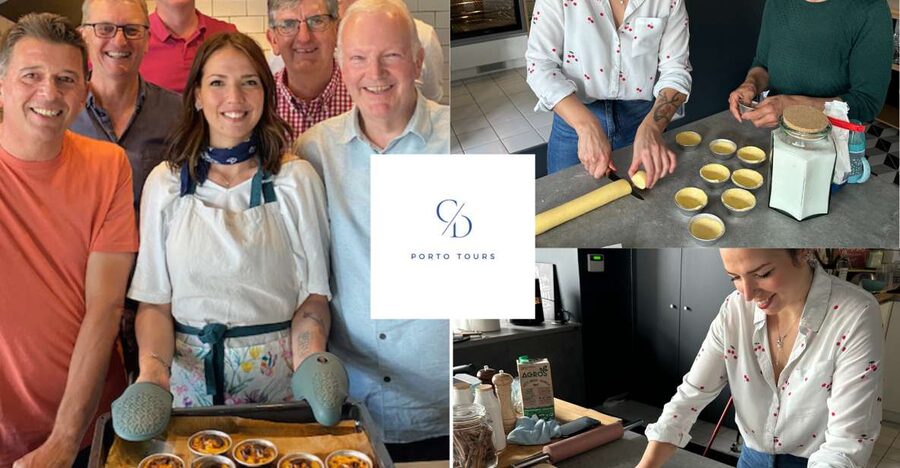
- You make the dough from scratch: This is the detail that separates the class from pastry demonstrations using ready-made dough.
- The work is shared: Two to four people may handle a step while the rest watch, then the group rotates through the process.
- Warm pastries are part of the payoff: You eat the finished pastel de nata soon after baking, with some participants also taking one or two home.
- English instruction keeps the technique clear: Guides including Clara, Ana, Mariah, Vanessa, and Maria explain each stage in an easy, friendly way.
- Wine turns the lesson into a social outing: A glass of regional wine is included, along with conversation about Portuguese food and culture.
- This is an adults-only group class: Children under 15 cannot join the shared workshop, and families need to request a private session.
Why making the pastry matters
Pastel de nata is often treated as a quick snack: crisp pastry, soft custard, a dusting of cinnamon, and one or two bites. The pastry is the part many short classes skip. Here, you work through the dough as well as the filling, giving you a better sense of why the shell has its thin, layered texture.
That makes this more useful than a simple tasting activity. You learn a method you can attempt again at home, rather than only hearing how the tart is made. The digital recipe, provided by QR code in some sessions, adds practical value after your holiday is over.
I would still keep your expectations realistic. Pastry depends on technique, timing, and heat. A written recipe helps, but it cannot show every movement of the hands. One participant specifically wished for a video of the instructor demonstrating the techniques, which is a fair point. Pay close attention when the dough is being handled, and ask questions while the guide is working.
More cooking classes in Vila Nova De Gaia:
- Porto: Pastel de Nata Cooking Class with Grandma’s Recipe
★ 5.0 · 1,565 reviews - Porto: Pastel de Nata Cooking Class with Port Wine – Sé
★ 4.8 · 888 reviews - Porto: Pastel de Nata Cooking Class with Porto Wine (Sé do Porto)
★ 5.0 · 340 reviews
Entering the Porto cooking studio
The workshop lasts about two and a half hours. The exact meeting point can vary according to the option you book, so check your confirmation carefully instead of assuming every session starts in the same room.
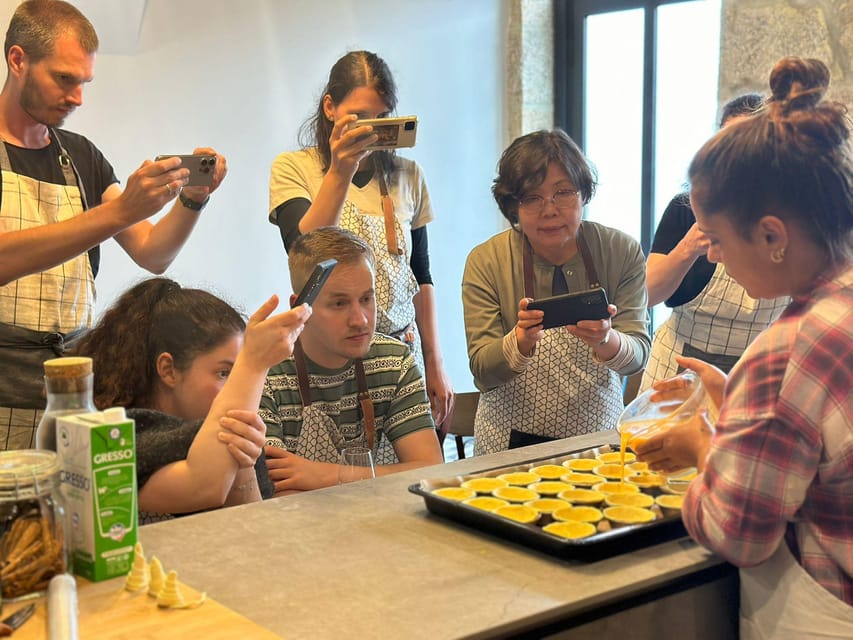
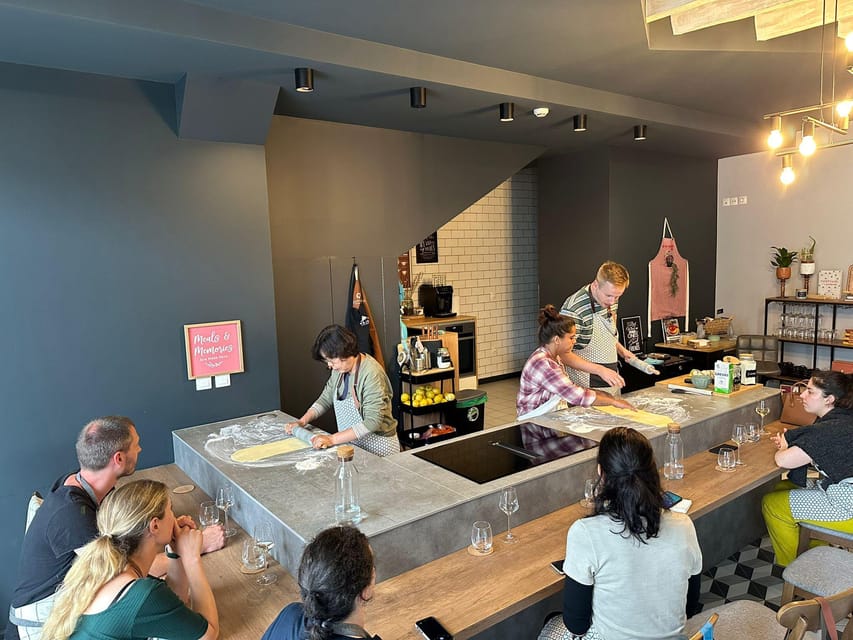
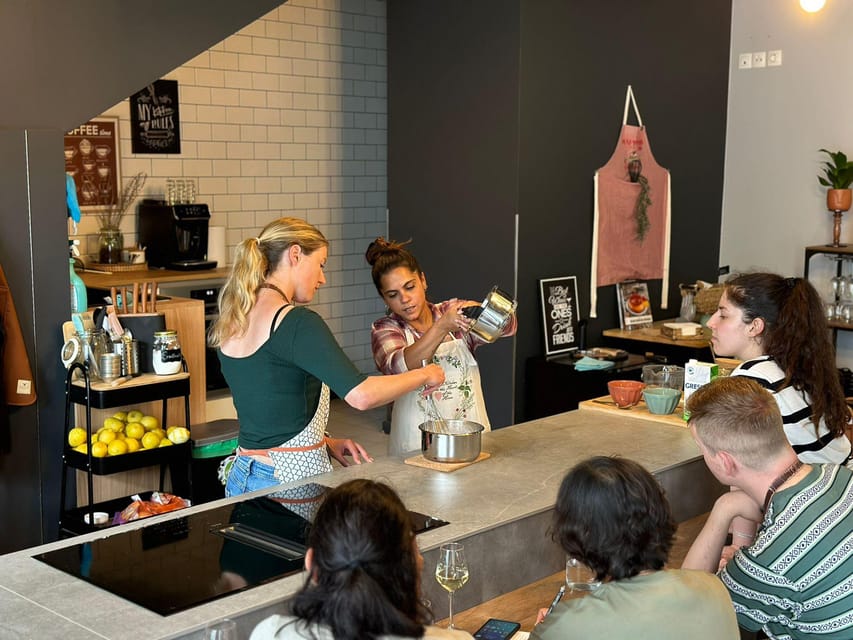
The class takes place in a purpose-built cooking space with a modern show kitchen and a large shared table. That layout matters. You are not scattered around separate stations, and the instructor can explain each move while everyone watches. It also makes conversation easy, particularly if you are visiting Porto alone or want to meet people outside your own group.
Groups can include up to 12 participants, though some sessions may be smaller. A smaller group gives you more chances to handle the ingredients and ask questions. In a full class, the rotating system keeps things fair, but you may spend some time watching rather than mixing or shaping.
Punctuality is essential. The door is closed at the scheduled start time, and late entry is not permitted. There are no exceptions for transport delays, a long coffee stop, or difficulty finding the address. I would aim to reach the meeting point with time to spare.
The opening lesson: pastry, custard, and Portuguese food culture
The instructor begins with the story and background of Portuguese pastry before moving into the practical work. This is not a history lecture, but it helps explain why pastel de nata is such a familiar part of daily food culture in Portugal.
Guides vary by session. Clara, Ana, Mariah, Vanessa, Maria, and other instructors lead the workshops, and the teaching style appears to be a major part of the experience. The strongest guides use humor, remember names, explain the reasons behind each step, and keep the pace comfortable for people who do not bake often.
You will also hear about Portuguese food while you cook. The conversation can cover pastry traditions, local habits, and the role of wine with food. This is a pleasant change from a class that focuses only on measurements. You come away understanding a little more about the pastry as a Portuguese cultural staple, not just as a recipe.
A regional wine is included. The stated package includes one glass, although individual sessions described different amounts of wine being served. Do not book this as a wine tasting, but expect a casual drink that helps the class feel social. Alcohol is available only to people aged 18 or older in Portugal.
Rolling the dough, the class’s most useful lesson
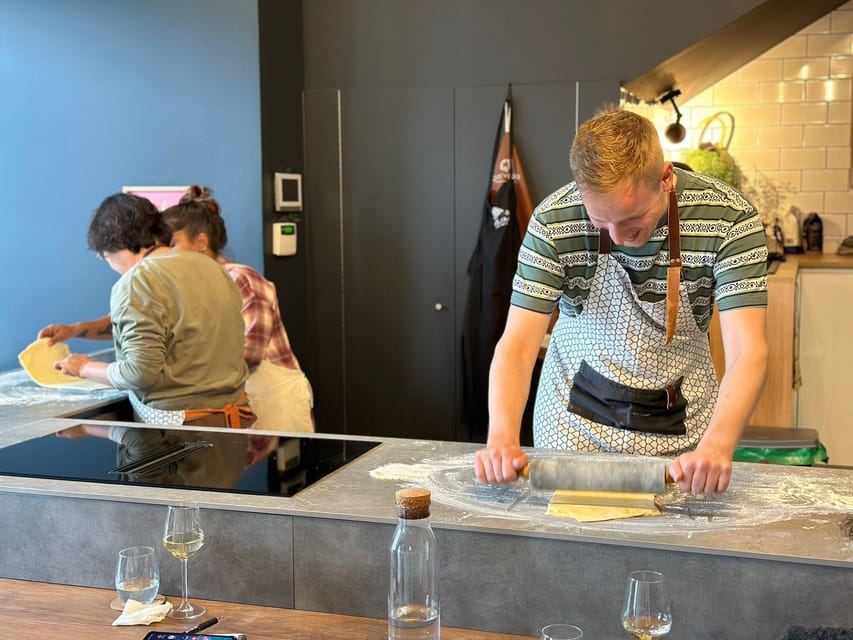
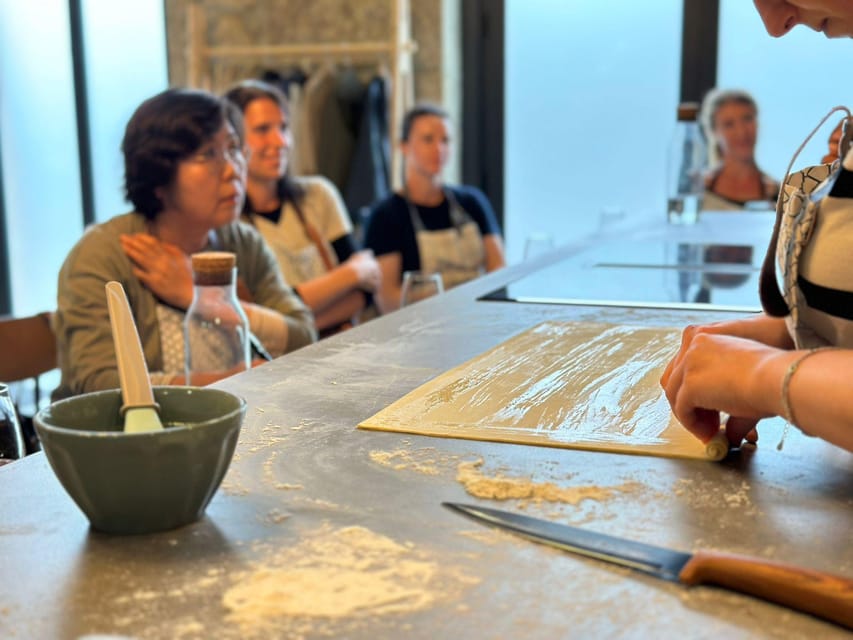
The dough is the reason I would choose this workshop over a basic pastel de nata demonstration. Making the custard is important, but the pastry shell is where the finished tart gets much of its character.
The instructor breaks the process into manageable stages. You might see one or two participants mix or work the dough while others follow along, then rotate into another task. This arrangement helps nervous beginners because no one is left alone with an unfamiliar recipe.
It also creates the class’s one real limitation. You will not necessarily perform every movement yourself. A confident baker may want more individual practice, while a first-time cook may appreciate having the instructor guide the tricky parts. If you want personal correction at every stage, ask about a private workshop.
The group method has a social benefit, too. You work toward a shared result, and the class becomes less formal. People from different countries can compare baking habits, help one another, and laugh when the pastry refuses to behave perfectly. The instructors keep this from becoming chaotic by calling participants up in turns.
A few more Vila Nova De Gaia outings to weigh up
- WOW Porto: The Wine School Workshops and Tastings
★ 4.7 · 20 reviews - Porto: Pastel de Nata Pastry-Making Workshop
★ 4.9 · 1,542 reviews - Matosinhos: Surfing Lesson with Equipment
★ 4.8 · 704 reviews - Porto: Small Group Surf Lesson with Transportation
★ 4.9 · 594 reviews
Filling the shells and preparing the custard
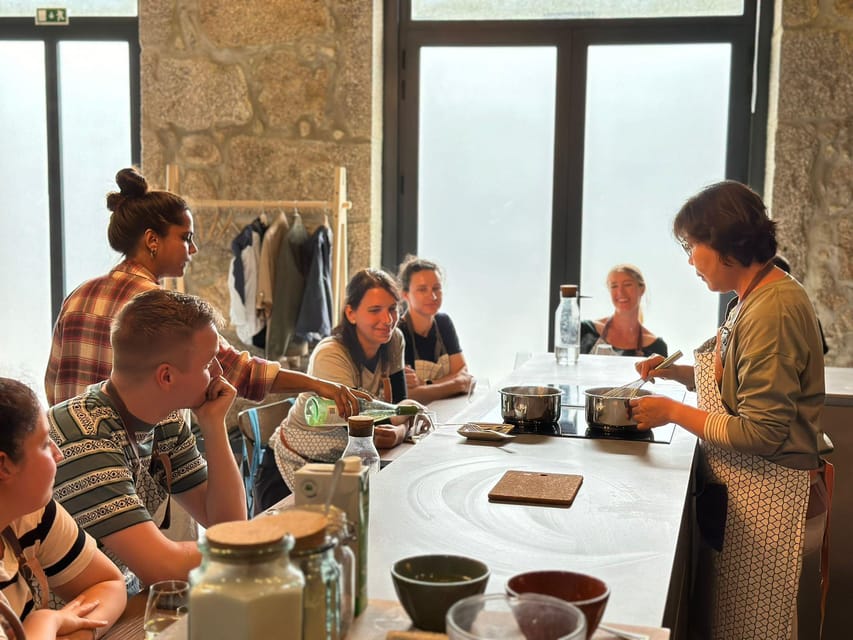
Once the pastry is ready, the class moves to the custard filling. This stage lets the instructor explain the balance between pastry and filling, and why a pastel de nata should have a soft center without becoming runny.
The teaching is aimed at ordinary home cooks. You do not need advanced baking experience, and the steps are explained one by one. If you are used to following recipes but rarely make pastry, this is a good level of challenge: active enough to hold your attention, but not so demanding that the whole class becomes stressful.
The kitchen setting also helps. You can see the work clearly, listen to the explanation, and watch the instructor’s technique before trying your own part. I would pay special attention to how the pastry is shaped into the molds. That visual detail may be more useful later than simply copying the ingredient list.
Baking time, wine, and food stories
While the tarts bake, the pace becomes more relaxed. The group can continue talking over wine while the instructor shares more food stories and answers questions.
This pause is part of the charm. A cooking class does not need to fill every minute with work, and the baking time gives you a chance to talk with the people around the table. It also keeps the two-and-a-half-hour schedule from feeling like a rushed production line.
The activity works particularly well on a rainy Porto day or during a trip filled with steep streets and sightseeing. It gives you a warm indoor break without losing the connection to local food. Morning sessions can include wine, which may feel unusual to some people, so choose a later start if that does not suit your routine.
Eating the pastel de nata warm
The best part comes when the pastries leave the oven. You eat them warm, when the pastry is crisp and the custard is still soft.
The quantity can vary by session, but the experience provides pastries for the class, and participants have described having several each. Some groups also have one or two to take away. I would treat that as a welcome possibility rather than a guaranteed number, since the official details promise pastries but do not specify a take-home portion.
Warm from the oven, the tarts have a different character from one bought cold in a bakery window. You can taste the result of the group’s work right away, and mistakes become easier to forgive when the pastry is fresh.
This is also where the lesson becomes memorable. You have handled the dough, helped with the filling, watched the baking, and then tasted the finished tart. The food is not just served to you; you understand the labor behind it.
How interactive is the class?
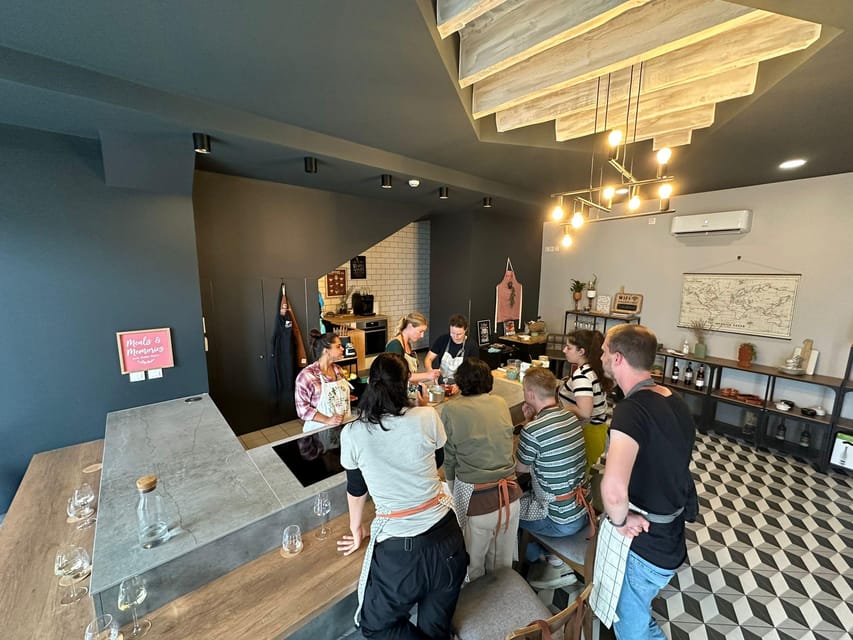
The class is interactive, but it is not an individual cooking lesson. The usual format has participants alternate through the different phases. Depending on the size of the group, two to four people may carry out a step while others watch, then the next people take a turn.
That format has clear advantages. Beginners can learn by watching before trying, and the instructor can maintain consistent results. It also means the whole group finishes with pastries, rather than each person working at a different speed.
The tradeoff is personal practice. If you are hoping to roll, shape, fill, and bake your own full batch, this is not the right format. For most visitors, the shared approach is more relaxed and social. For serious home bakers, a private session would offer more direct time with the dough.
Guides such as Ana, Clara, Mariah, and Vanessa are repeatedly praised for making people feel included. That matters in a group class. A quiet participant can easily disappear at a busy worktable, but a good instructor invites everyone into the process.
Price and value at $50
At $50 per person, the class is not the cheapest way to eat pastel de nata in Porto. You can buy a tart for very little money across the city. The price makes sense only if you value the lesson, the social setting, the wine, and the chance to learn the dough.
For two and a half hours, the cost is fair for a guided cooking activity that includes the instructor, the pastry class, the finished tarts, and a glass of wine. You are also paying for a professional kitchen, organized ingredients, and a recipe you can use later.
The value is strongest for people who want a practical souvenir. A bottle of port or a box of sweets disappears. A pastry technique can return to your kitchen again and again, even if your first attempt at home needs some practice.
I would skip it if your main goal is a private lesson or a large meal. This is a focused workshop, not a full Portuguese cooking course. It is also not suitable for people with gluten or lactose intolerance, since both the pastry and filling involve ingredients that may cause problems.
Who should book this activity?
I would recommend it to adults who enjoy food, want a break from sightseeing, or like meeting other people during a city visit. Solo visitors can fit comfortably into the shared table, and couples or friends get an activity that feels more special than simply ordering dessert.
It suits beginners especially well. The process is divided into small stages, and you are not expected to arrive with baking skills. The instructor guides the group, and the shared format takes away some pressure.
Experienced bakers may still enjoy it for the cultural context and the chance to study the pastry technique. Just know that your individual time at the worktable may be limited.
Families with children under 15 should not book the standard group class. Children under 15 are not allowed for logistical and safety reasons, and minors must be accompanied by an adult. Families can ask for a private workshop instead. Companions who do not hold a reservation cannot enter the space.
Practical details before you reserve
The activity is conducted in English with a live guide. Small-group availability is offered, and the maximum group size is 12 people.
Hotel pickup and drop-off are not included. Plan your own way to the meeting point, which may change depending on the option selected. Read the booking details closely and allow extra time, since late arrivals will be turned away once the class starts.
You can cancel up to 24 hours before the activity for a full refund, and the reserve-now, pay-later option lets you hold a place without paying immediately. Pets, smoking indoors, and intoxication are not allowed.
The class is not suitable for people with gluten intolerance or lactose intolerance. If you have another dietary concern, the supplied information does not confirm substitutions, so ask before booking rather than relying on an alteration at the door.
Should you book the pastel de nata class?
Book it if you want more than a pastry tasting. The dough-making, friendly English instruction, warm results, and regional wine create a useful and enjoyable Porto activity. It is also a good choice for a rainy afternoon or a slower morning between sightseeing plans.
Skip it if you dislike shared cooking, need a private workstation, cannot eat gluten or lactose, or expect to make an entire batch alone. For most adults who want a hands-on introduction to Portugal’s best-known pastry, $50 buys a pleasant two and a half hours and a skill you can take home.
FAQ
How long does the pastel de nata class last?
The workshop lasts 2.5 hours.
How much does the class cost?
The listed price is $50 per person.
Is the class taught in English?
Yes. The activity includes a live English-speaking guide.
Is wine included?
Yes. A glass of regional wine is included. Alcohol is available only to participants aged 18 or older.
Do I make the pastry dough from scratch?
Yes. The class includes making the dough as well as preparing the pastel de nata filling.
Will I make my own separate batch?
No. This is a shared group workshop. Participants alternate through the different stages of making the pastries.
How many people can join the group?
Groups can include up to 12 participants. Small-group availability is also offered.
Can children join the group class?
Children under 15 are not allowed in the group workshop. Families with younger children need to request a private workshop.
Can I arrive after the class begins?
No. The workshop door closes at the scheduled start time, and late entry is not permitted.
Is hotel transportation included?
No. Hotel pickup and drop-off are not included.
Is the activity suitable for people with gluten or lactose intolerance?
No. The activity is not suitable for people with gluten intolerance or lactose intolerance.
What happens if I need to cancel?
You can cancel up to 24 hours in advance for a full refund. You can also reserve now and pay later.
Latest reviews around Vila Nova De Gaia
- Exclusive visit to the Geophysical Institute of Porto★ 5.0 · 3 reviews
- Port Wines & Chocolate Pairing★ 5.0 · 3 reviews
- Private Boat Tour 6 Bridges 1h30, group price up to 6px★ 5.0 · 3 reviews
- Porto: Douro Classic Boat Tour★ 5.0 · 3 reviews
- Porto: Best Exclusive Charming Sailboat Sunset★ 5.0 · 4 reviews
- Porto: Porto Bike Atlantic Route★ 5.0 · 4 reviews
- Burmester Cellar Tour★ 4.8 · 4 reviews
- Vila Nova de Gaia: Douro Discovery★ 5.0 · 4 reviews
Cooking Classes, compared.
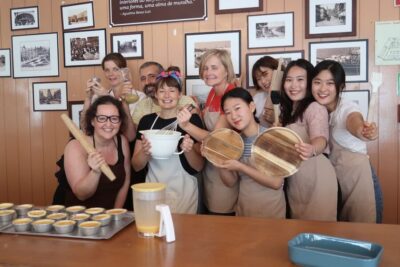
Porto: Pastel de Nata Cooking Class with Grandma’s Recipe
Read our review →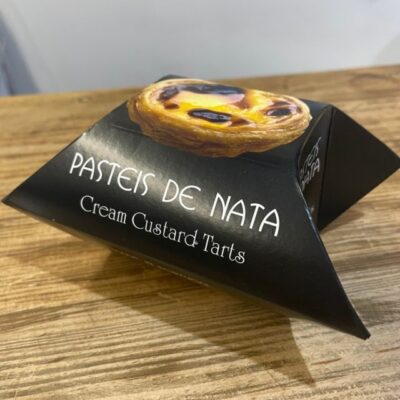
Porto: Pastel de Nata Cooking Class with Port Wine – Sé
Read our review →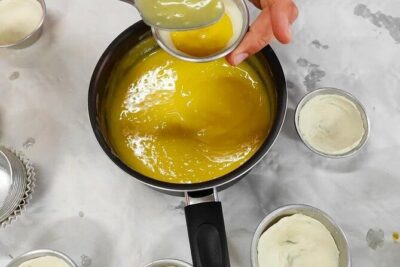
Porto: Pastel de Nata Cooking Class with Porto Wine (Sé do Porto)
Read our review →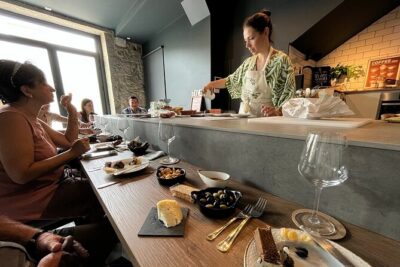
Portuguese Cooking Class in Porto with Portuguese Wine
Read our review →
Shopping, cooking and eating together at my home in Porto
Read our review →
Traditional Cooking Class, Farm Tour & Lunch in the Douro Valley
Read our review →
Browse the lists this tour appears in