Reviewed · PORTO TOURS
Exclusive visit to the Astronomical Observatory of Gaia
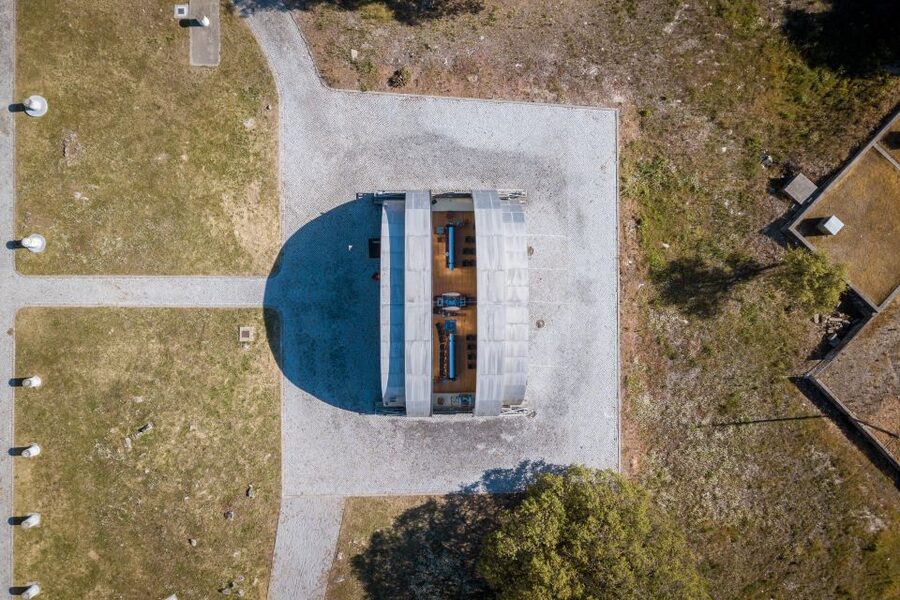
The most unusual part of this Gaia visit is the building itself. Its semi-cylindrical roof slides open to the sky so astronomers could watch stars cross the local meridian. Inside is a Mirror Meridian Circle, an instrument so rare that only two others exist worldwide.
I like the clear focus on the history of time, and I like meeting an enthusiastic physics student who can explain the machinery without turning the visit into a dry lecture. The $17 price is fair for a short, specialist tour, but you should know this is not a night-sky viewing session, and the telescopes are not currently available for nighttime observations.
In This Review
- Key points to know before booking
- Why Gaia’s observatory is worth an hour
- The five-minute walk to the observatory
- Inside the sliding-roof building
- How astronomers used stars to measure time
- The guide makes the difference
- What the telescope experience does not include
- Is $17 a fair price?
- Who should book this Gaia experience?
- Planning the visit around your Porto day
- The best reasons to go
- Should you book the Astronomical Observatory of Gaia?
- FAQ
- Where is the Astronomical Observatory of Gaia?
- How long does the visit last?
- How much does the experience cost?
- Is the tour conducted in English?
- Who leads the tour?
- What is the Mirror Meridian Circle?
- Why does the observatory have a sliding roof?
- Does the visit include nighttime telescope observations?
- Are children allowed to join?
- Can I cancel the booking?
Key points to know before booking
- A rare instrument: The Mirror Meridian Circle is one of only three known examples in the world.
- A remarkable roof: The semi-cylindrical building opens toward the sky for precise star observations.
- Time is the theme: You’ll learn how the movement of stars helped people measure time.
- Physics students lead the visit: The guides come from the Faculty of Sciences and conduct the tour in English.
- A compact one-hour outing: Expect a five-minute walk, about 30 minutes of guided touring, and another five-minute walk.
- No children under 12: The activity is intended for visitors aged 12 and older.
Why Gaia’s observatory is worth an hour
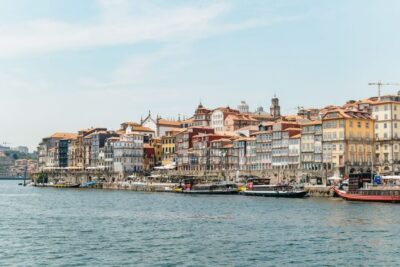
Most people visit Gaia for its riverfront views, port wine lodges, and easy connection to Porto. This observatory offers a different reason to cross the city: a look at the machinery behind accurate timekeeping.
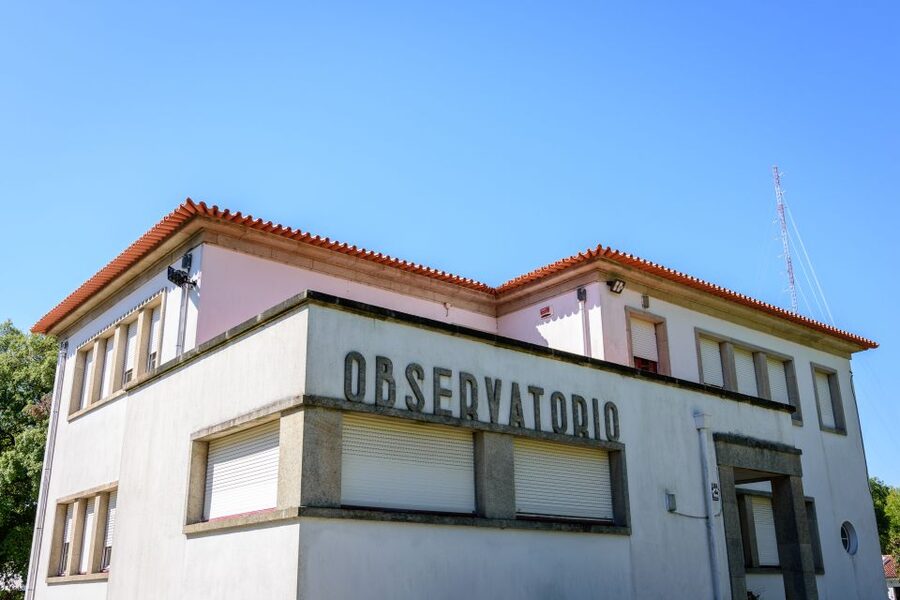
At the top of Monte da Virgem, the Astronomical Observatory is easy to overlook. It is discreet rather than grand, and that is part of its appeal. You are not entering a large science museum with rows of polished displays. You are visiting a working piece of scientific heritage built for a precise job.
The observatory was created in 1948 to support astronomy studies at the Faculty of Sciences. Nine years later, its most notable instrument opened for use: the Mirror Meridian Circle. That gap between the founding of the observatory and the arrival of its main instrument gives you a useful sense of its purpose. This was a serious academic facility, designed to make exact observations rather than entertain a casual crowd.
I find the subject more interesting once you understand the basic problem. Before modern clocks and electronic systems, astronomers needed dependable ways to establish time. The stars offered a regular reference. By observing when a star crossed the local meridian, the north-south line across the sky, astronomers could help determine the time at that location.
A few more Vila Nova De Gaia outings to weigh up
- Porto: Six Bridges Cruise
★ 4.2 · 11,680 reviews - Porto: Taylor’s Port Cellars & Tasting
★ 4.6 · 3,374 reviews - Porto: Charming Sailboat Cruise with Port Wine,Sunset Option
★ 5.0 · 1,978 reviews
The five-minute walk to the observatory
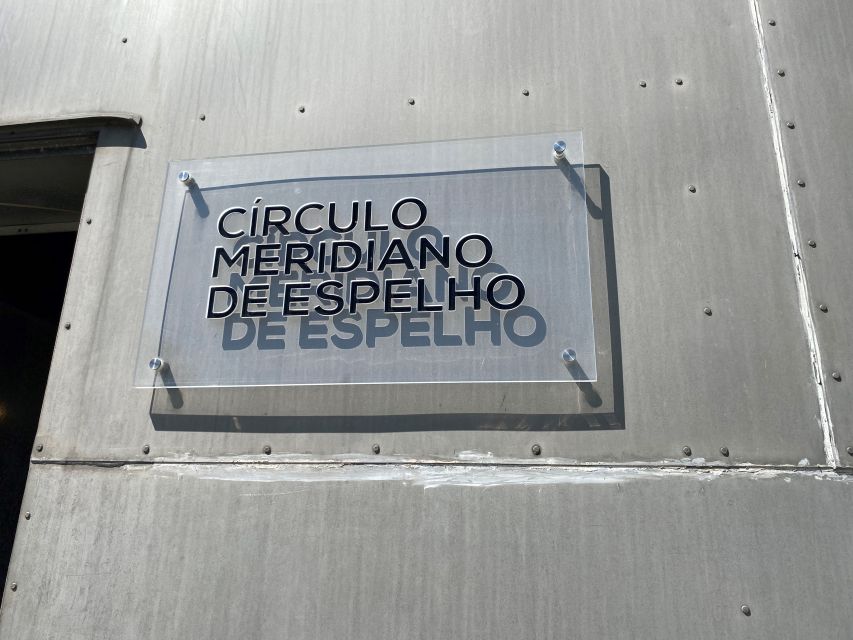
The visit begins at the meeting point in the 4430-146 postal area. From there, the listed route includes a walk of about five minutes to the Astronomical Observatory. That is short, but it still matters when you are planning your day.
You should allow enough time to arrive at the starting point without rushing. The experience is only about an hour, so a late arrival could take a noticeable bite out of the visit. The supplied details do not describe parking, public transport, step-free access, or the exact meeting point beyond the postal code, so confirm those details before setting out.
The walk itself is not presented as a sightseeing tour. Think of it as a short transfer into a more specialized corner of Gaia. You will want practical shoes, mainly because this is a hilltop visit and the details do not promise a fully indoor route from start to finish.
Inside the sliding-roof building
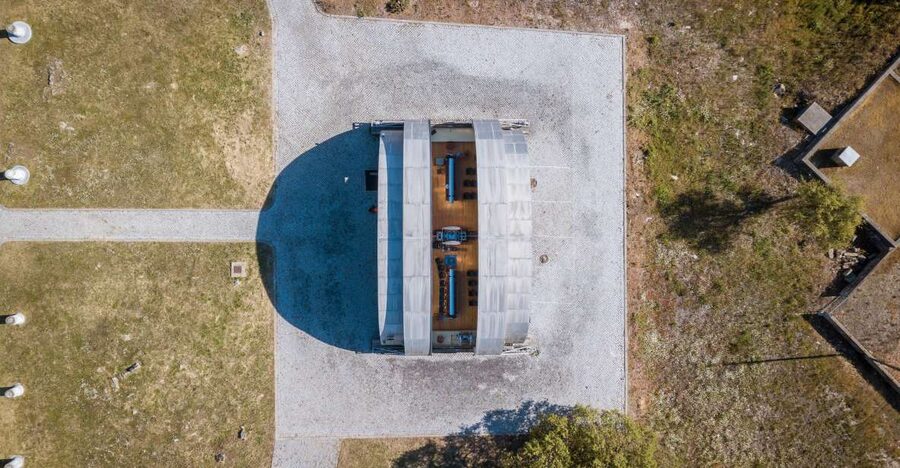
The building is the star of the visit, almost literally. The Mirror Meridian Circle sits inside a semi-cylindrical structure with a roof that slides open. When the roof moves aside, the instrument can observe the sky with the precision its work requires.
That design makes the observatory easier to understand than a standard room with a telescope in the corner. The building and instrument were made for each other. The roof is not a decorative feature or a clever architectural trick. It provides the open sky needed to observe stars crossing the local meridian.
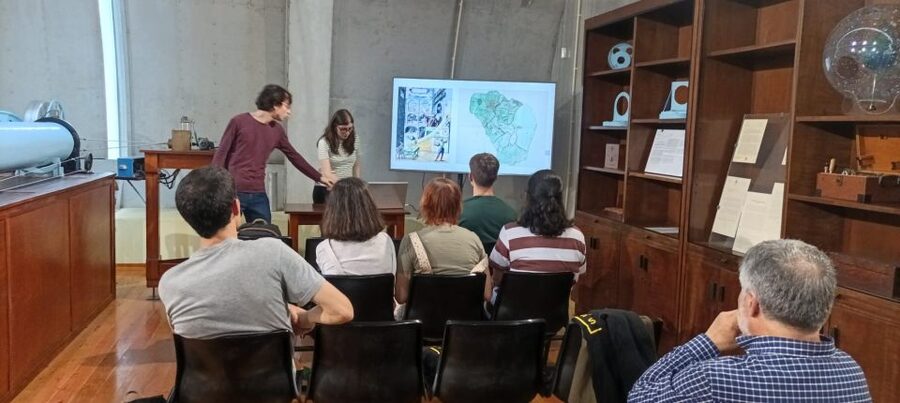
You will spend about 30 minutes on the guided tour itself. The guide explains what the two telescopes were used for when the observatory was active in its original role, then helps you understand what they are used for now. The supplied information does not specify current research projects or operating schedules, so expect an explanation of the instruments rather than a demonstration of live astronomical work.
The Mirror Meridian Circle is particularly special because it is so uncommon. Only two more examples are installed elsewhere in the world. That scarcity gives the visit real value for anyone interested in old scientific instruments, astronomy, engineering, or the story of standard time.
How astronomers used stars to measure time
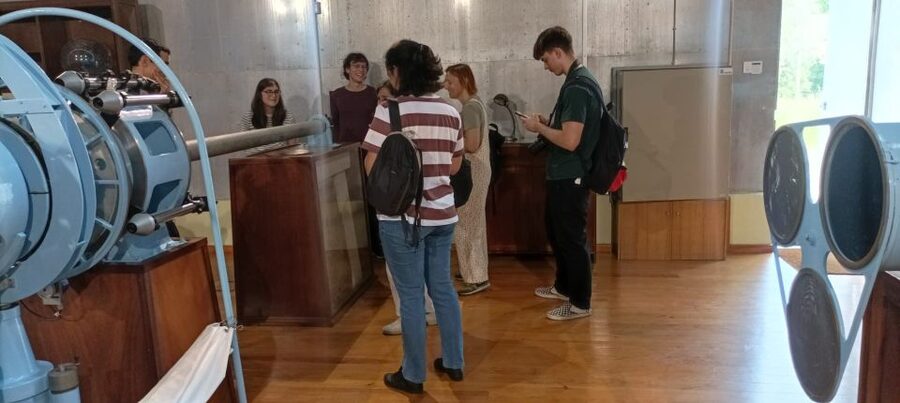
The central idea is simple, but its consequences are large. Stars appear to move across the sky because Earth rotates. Their passage across a fixed north-south line gives astronomers a repeatable event that can be observed and timed.
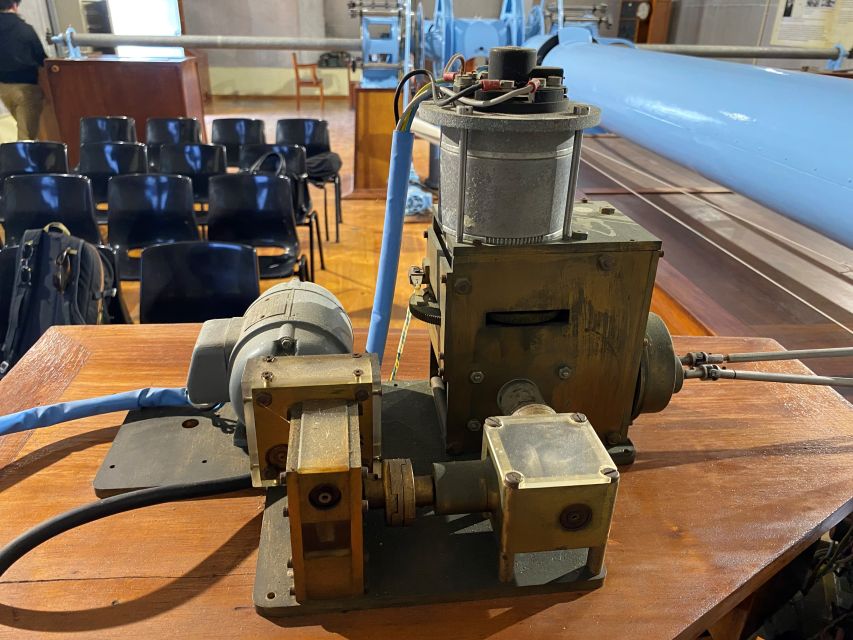
The instrument helped record that passage with precision. The tour focuses on the mechanisms that allowed people to tell time through the ages, so you will be looking at more than a telescope. You will be considering the tools, methods, and habits that made reliable timekeeping possible.
I like this approach because it links astronomy to ordinary life. Time feels automatic now. Phones, computers, transport systems, and clocks give you the exact hour without asking you to think about how it was established. At the observatory, you get a short lesson in the physical work behind that certainty.
The wording of the experience also raises a useful question: what were the two telescopes used for then, and what are they used for now? The guide’s job is to connect those two periods. You can expect the explanation to cover both the original academic purpose and the instruments’ place today, although the available details do not spell out every present-day use.
A different sort of Vila Nova De Gaia day altogether:
- Vila Nova de Gaia: Port Wine Tasting with Cheese Pairing
★ 4.8 · 1,074 reviews - Porto: 6 Bridges Port Wine River Cruise with 4 Tastings
★ 4.9 · 586 reviews - Porto: Luxury Yacht Tour of the 6 Bridges and Douro Estuary
★ 4.9 · 521 reviews - Porto: Pastel de Nata Cooking Class from Scratch
★ 4.9 · 468 reviews
The guide makes the difference
The tour is led in English by physics students from the Faculty of Sciences. That is one of the strongest features of the experience. You are not simply reading labels beside an old machine. You are hearing about the observatory from people studying the subject themselves.
The available information does not give the guides’ names, so you should not book this expecting a particular individual. What it does make clear is that the guides bring genuine enthusiasm to the visit. That matters here because the equipment may look puzzling at first. A good explanation turns metal, mirrors, scales, and moving parts into a story about accuracy.
Two verified comments from Portuguese participants singled out the guide’s passion and expressive way of explaining the visit. That praise fits the format. A half-hour tour needs a guide who can make a narrow subject feel alive without getting lost in technical detail.
You can also ask questions during the visit, though the tour description does not state a formal question period. If you enjoy science, ask about the instrument’s original observations, the reason for the sliding roof, or the difference between watching stars and using a telescope for ordinary stargazing.
What the telescope experience does not include
The title may tempt you to picture an evening under the stars. Set that expectation aside. The visit lasts about one hour and is designed around the observatory, its history, and its instruments. It does not promise nighttime observation.
The two available comments both express a wish to use the telescope at night and see the stars. One specifically notes that the equipment was not available for nighttime observations. That is useful information, not a minor footnote. If your main goal is to look through a telescope after dark, this is not the right activity to book.
Instead, come for the instrument itself and the story of time measurement. You will appreciate the unusual building, understand why the roof opens, and see how astronomical observation once supported precise timekeeping. That is a quieter reward, but it is the real focus.
Flash photography and video recording are not allowed. You may be able to take ordinary photographs, but follow the guide’s instructions and do not use flash. Since the observatory contains sensitive equipment and the tour depends on close explanation, the restrictions are sensible.
Is $17 a fair price?
At $17 per person, the value depends on your interests. For a full-day attraction, that price would be steep if all you received were 30 minutes of explanation. But the complete activity lasts about an hour and includes the guided visit, the short walks, and access to a rare scientific site that is not part of a standard Porto sightseeing route.
I consider it a fair specialist experience. You are paying for access to a building with a distinctive design, a rare instrument, and a guide who can explain the history behind it. The cost also works well as an add-on to a day in Gaia, especially if you like to mix famous sights with places that reveal how the city’s institutions developed.
The value drops if you want spectacle. There is no promise of a large exhibition, a long tour, a planetarium show, or a nighttime telescope session. You should book it because you are curious about astronomy and timekeeping, not because you expect a dramatic view of the cosmos.
The booking terms make it easier to fit into a changing schedule. You can reserve now and pay later, and cancellation is free up to 24 hours before the visit for a full refund. Those details are useful if you are arranging several Porto activities and do not yet know which day will have the best timing.
Who should book this Gaia experience?
I would recommend this visit to adults and older children with a real interest in science, astronomy, clocks, engineering, or the history of measurement. The minimum age is 12, so families with younger children need to choose another activity.
It also suits visitors who have already seen Porto’s main sights and want something more specialized. The observatory is not a broad introduction to astronomy. It is a focused visit built around one unusual instrument and the problem of measuring time accurately.
You will get the most from it if you enjoy asking how things work. The activity rewards patience and curiosity more than a need for constant action. The tour is short, but the ideas can stay with you for much longer because they connect the night sky to the clocks in your daily life.
I would be more cautious about recommending it to someone with only one free hour in Porto who wants major landmarks, panoramic views, or lively entertainment. The observatory is discreet, and its appeal comes from detail rather than spectacle.
Planning the visit around your Porto day
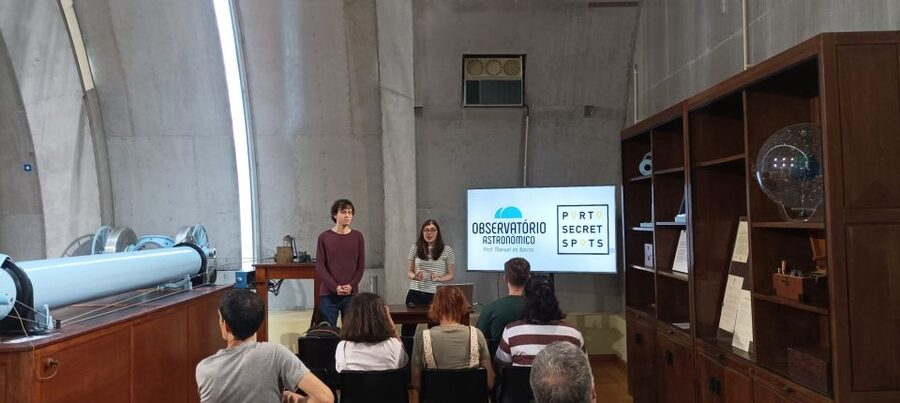
The published route adds up to a short approach, a 30-minute guided tour, and a short return walk. Allow a little extra time around that schedule for finding the starting point and getting settled. The stated duration is about 60 minutes, and availability depends on the selected starting time.
The visit is conducted in English. That makes it a practical choice for English-speaking visitors, but it also means you should choose it only if you are comfortable following a scientific explanation in English.
Because the tour is compact, you can place it beside another Gaia activity. Still, do not treat the timing as infinitely flexible. The observatory’s specialized setting and guided format mean you need to arrive at the agreed starting time.
The best reasons to go
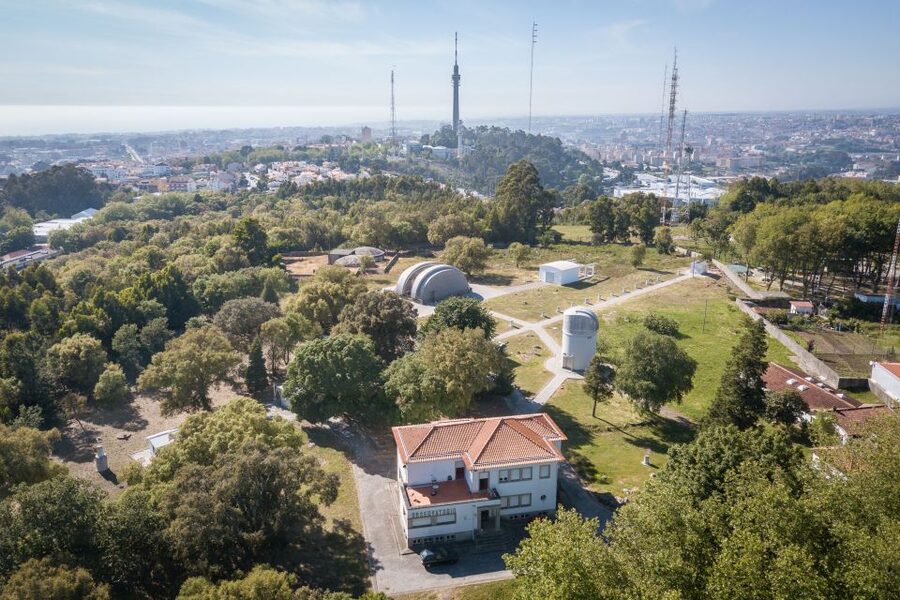
The strongest reason is the Mirror Meridian Circle. An instrument found in only three places worldwide is worth seeing if you have any interest in the history of astronomy.
The second reason is the sliding roof. It lets you understand the practical link between architecture and observation. This is not simply an old telescope displayed indoors. It is part of a purpose-built system.
The third reason is the subject of time. The tour gives you a fresh way to think about clocks, calendars, and the rotation of Earth. That kind of connection is more memorable than a list of dates.
Finally, the student guides bring energy to a compact visit. The comments available about the experience place special emphasis on the guide’s passion, and I would treat that as a central part of the appeal.
Should you book the Astronomical Observatory of Gaia?
Book it if you want an unusual, affordable, one-hour experience with a clear scientific theme. The rare Mirror Meridian Circle, the sliding roof, and the connection between stars and time give the visit a strong identity.
Skip it if your priority is nighttime stargazing. The equipment is not currently available for night observations, and the tour does not promise that kind of session.
For the right visitor, $17 buys more than a look at an old telescope. It offers a compact lesson in how people once used the sky to keep time, delivered inside one of Gaia’s most unusual buildings.
FAQ
Where is the Astronomical Observatory of Gaia?
It is at the top of Monte da Virgem in Gaia, in Portugal’s Norte Region.
How long does the visit last?
The full activity lasts about 60 minutes.
How much does the experience cost?
The listed price is $17 per person.
Is the tour conducted in English?
Yes. The visit includes a live guide and is conducted in English.
Who leads the tour?
Physics students from the Faculty of Sciences lead the guided visit.
What is the Mirror Meridian Circle?
It is the observatory’s notable astronomical instrument, opened in 1957. Only two more examples are installed elsewhere in the world.
Why does the observatory have a sliding roof?
The semi-cylindrical roof opens to the sky so the instrument can precisely observe stars passing through the local meridian.
Does the visit include nighttime telescope observations?
No nighttime observation is included, and the equipment is not currently available for nighttime observations.
Are children allowed to join?
The activity is not suitable for children under 12.
Can I cancel the booking?
Yes. You can cancel up to 24 hours in advance for a full refund. You can also reserve now and pay later.
Latest reviews around Vila Nova De Gaia
- Exclusive visit to the Geophysical Institute of Porto★ 5.0 · 3 reviews
- Port Wines & Chocolate Pairing★ 5.0 · 3 reviews
- Private Boat Tour 6 Bridges 1h30, group price up to 6px★ 5.0 · 3 reviews
- Porto: Douro Classic Boat Tour★ 5.0 · 3 reviews
- Porto: Best Exclusive Charming Sailboat Sunset★ 5.0 · 4 reviews
- Porto: Porto Bike Atlantic Route★ 5.0 · 4 reviews
- Burmester Cellar Tour★ 4.8 · 4 reviews
- Vila Nova de Gaia: Douro Discovery★ 5.0 · 4 reviews
Porto Tours, compared.

From Porto: Douro Valley w/ Boat Tour, Wine Tasting & Lunch
Read our review →
Complete Douro Valley Wine Tour with Lunch, Wine Tastings and River Cruise
Read our review →
Porto: Live Fado Show with Glass of Port Wine
Read our review →