
Reviewed · MUSEUMS
Visit to Gil Eannes hospital Ship Museum
The Gil Eannes is not a model behind glass. It is a real former hospital ship, docked in Viana do Castelo, where you can walk through the operating theatre, engine room, galley, chapel, and cramped crew spaces. I like the way the ship shows both sides of life at sea: the medical work that saved fishermen and the hard daily routine that kept the vessel running. I also like the price, about $6 per person, which makes this an easy addition to a day in northern Portugal.
The main drawback is access. Narrow passages, stairs, and shipboard levels make this visit unsuitable for wheelchair users and people with mobility impairments. You should also allow time to read and explore, since the ship is a self-guided museum rather than a short, tightly scheduled attraction.
In This Review
- Key things to know before boarding
- Why the Gil Eannes matters in Viana do Castelo
- Entering a hospital ship built in 1955
- The bridge, galley, and bakery
- The operating theatre and medical rooms
- Cabins, chapel, and the human side of the ship
- The engine room and life below deck
- The final voyages and rescue from the scrapyard
- How much time should you allow?
- Is the $6 price good value?
- Who should visit the Gil Eannes?
- Should you book the Gil Eannes?
- FAQ
- Where is the Gil Eannes Hospital Ship Museum?
- How much does entry cost?
- What is included with admission?
- What can I see inside the ship?
- Can children visit for a reduced price?
- Is the museum suitable for wheelchair users?
- Is an audio guide available?
- How long is the ticket valid?
- Can I cancel my booking?
Key things to know before boarding
- Built for the Newfoundland and Greenland cod fleet: The Gil Eannes was launched in Viana do Castelo in 1955 to provide medical help to Portuguese fishermen working in freezing northern waters.
- More than a hospital ship: It also carried mail, provisions, nets, bait, and fuel, and served as a tugboat, icebreaker, and flagship.
- Restored after a near scrapyard fate: The ship was rescued in 1997 and returned to its home city on January 31, 1998.
- Real working spaces to explore: You can see the bridge, galley, bakery, engine room, operating theatre, doctor’s surgery, treatment room, radiology room, cabins, and chapel.
- Useful audio guide option: An audio guide can add detail if you want more background while moving through the ship.
- Good family pricing: With two adult tickets, up to four children aged 7 to 16 can be added for €2 extra, paid at the ship entrance.
Why the Gil Eannes matters in Viana do Castelo
The Gil Eannes tells a story that is easy to miss if you only look at Portugal’s beaches and historic town centers. For decades, Portuguese cod fishermen worked far from home near Newfoundland and Greenland, where cold weather, rough seas, long voyages, and dangerous fishing conditions shaped everyday life.
The ship was built in Viana do Castelo in 1955, so its connection with the city is direct. Local shipbuilders made it, local people later fought to save it, and the restored vessel now sits in the old commercial port as a floating museum.
I find that local connection important. This is not simply a maritime attraction placed in a convenient harbor. The city helped create the ship and later helped bring it home. The museum gives you a clearer sense of Viana do Castelo as a working port with a strong relationship to shipbuilding and fishing.
The Gil Eannes completed its last voyage supporting the cod fleet in 1973. In 1975, it made a final medical voyage during the withdrawal of troops after Angola became independent. It was decommissioned in 1984, and its later story was almost as dramatic as its working life.
After being docked at Lisbon’s port, the ship was moved from pier to pier. By 1997, it had been sold to a scrap dealer. Much of its equipment had been removed, and the vessel was scheduled for dismantling.
That was when the Vianense community stepped in. The ship returned to Viana do Castelo on January 31, 1998, and major restoration work began at the same shipyard where it had been built. The result is a museum that lets you walk through a piece of the city’s working past rather than just read about it on a plaque.
More museums and galleries in Porto:
- Porto: Cálem Cellar Tour, Interactive Museum & Wine Tasting
★ 4.5 · 4,113 reviews - FC Porto: Museum & Tour
★ 4.6 · 2,826 reviews - Porto: Entry Ticket at WOW – The Wine Experience Museum
★ 4.7 · 356 reviews
Entering a hospital ship built in 1955
At the ticket counter, present your voucher before beginning the visit. Entry costs about $6 per person, and the ticket gives you access to the restored ship and its museum spaces.
There is no need to rush from room to room. The attraction is valid for one day, so you can plan it as a relaxed stop while spending time in Viana do Castelo. Starting times depend on availability, so check the current schedule when booking.
The first impression comes from the vessel itself. A ship has a different feel from a regular museum building. Corridors are narrow, ceilings can feel low, and the layout forces you to think about how many different jobs took place in a confined space.
The Gil Eannes had to function as a small floating town. It needed medical rooms, sleeping areas, food preparation spaces, machinery, storage, communication areas, and religious facilities. Each part had a practical purpose, and the ship’s design reflects the pressure of long periods at sea.
You may want to begin with the bridge. From here, the ship’s navigation and command work become easier to picture. The bridge also helps explain why the Gil Eannes was not limited to medical duties. It had to move through cold northern waters, support fishing vessels, and respond to emergencies.
The bridge, galley, and bakery
The bridge represents the ship’s role as a working vessel. It was used to guide the ship, coordinate activity, and maintain contact with the wider fishing fleet. The Gil Eannes served as a flagship and mail ship, so communication was part of its daily work.
From there, the galley and bakery bring the focus back to ordinary life. Medical missions and rescue work may be the headline, but a ship cannot perform those duties without food. The galley supplied meals for the crew, medical staff, and others on board, while the bakery handled one of the basic staples of life at sea.
I like these areas because they make the ship feel less like a hospital frozen in time. You begin to see the full routine: meals prepared, supplies stored, engines maintained, patients treated, mail carried, and fishermen supported.
The ship also supplied provisions, nets, bait, and fuel to fishing vessels. That detail changes the way you view the Gil Eannes. It was not simply waiting for accidents. It was a support base for an entire fleet working far from Portugal.
For families, the galley and bakery can be easier starting points than the medical rooms. They offer practical objects and clear functions, while older children can then connect these spaces with the more demanding conditions of the cod fleet.
The operating theatre and medical rooms
The operating theatre is the heart of the museum for many people. The Gil Eannes provided medical assistance to fishermen and crew working in dangerous conditions, far from a modern hospital on land.
You can also see the doctor’s surgery, treatment room, and radiology room. Together, these spaces show how much medical work had to happen on board. The ship needed to diagnose injuries, treat illness, and perform operations without the support system you would expect in a city hospital.
The rooms are valuable because they show the medical side of maritime work in direct, physical terms. You are not only reading that fishermen faced danger. You are standing inside the facilities created to care for them.
The radiology room is especially useful for understanding the ship’s role. A vessel that carried radiology equipment had to be prepared for serious injuries, not just minor cuts or seasickness. It also needed trained staff and enough supplies to cope with difficult cases before a patient could reach land.
Do not expect a polished modern medical attraction. The power of these rooms comes from their age, compact scale, and working purpose. Some visitors may find the medical spaces more sobering than the rest of the ship. If you prefer lighter museum displays, you can spend more time in the bridge, galley, cabins, or temporary exhibit rooms.
A few more Porto outings to weigh up
- Visit to Gil Eannes hospital Ship Museum
★ 4.8 · 45 reviews - Rafting em Melgaço, Rio Minho
★ 5.0 · 14 reviews - Viana do Castelo Costume Museum
★ 4.7 · 13 reviews - Viana do Castelo: Clay, Ceramics and Tea Workshop
★ 5.0 · 13 reviews
Cabins, chapel, and the human side of the ship
The cabins help you think about the people who lived on board. The ship carried medical staff, crew, and a chaplain, and it had to provide sleeping quarters for a workforce operating in cold, isolated conditions.
The chapel is another reminder that the Gil Eannes served more than a technical role. A chaplain was on board to provide spiritual and religious guidance. For fishermen spending long stretches away from home, that service could be as important as practical supplies or medical treatment.
I find the chapel a quiet counterpoint to the engine room and operating theatre. It shows the emotional side of the work. People on board faced injury, uncertainty, long absences, and the strain of life in rough seas. The ship supported bodies, but it also had to support morale.
The cabins and smaller rooms may feel tight. That is useful rather than disappointing, since the limited space helps you understand the conditions. The Gil Eannes was a working ship, not a comfortable cruise vessel. Every square meter had to earn its place.
If you are tall, move carefully through the interior and pay attention to stairs and passageways. The ship’s structure is part of the experience, but it also explains why the visit is not suitable for wheelchair users or people with mobility impairments.
The engine room and life below deck
The engine room shows the machinery behind every other service on board. Without propulsion, power, heating, pumps, and equipment, the medical rooms would be useless and the ship could not support the fishing fleet.
The Gil Eannes also served as a tugboat and icebreaker. That made the engine room central to its role in northern waters. The vessel had to move through difficult conditions, assist other vessels, and carry supplies where they were needed.
This is one of the places where the ship’s practical design becomes clear. The bridge handled direction and command, the medical areas handled treatment, and the engine room supplied the force that kept everything operating.
The engine room may appeal most to visitors interested in ships, machines, or industrial history. It can also help children understand that the Gil Eannes was not only a hospital. It was a large working system with many different teams depending on one another.
The route through the ship is not a smooth, open museum floor. You should expect stairs and confined spaces. Wear sensible shoes and take your time, especially if you are exploring with children.
The final voyages and rescue from the scrapyard
The Gil Eannes completed its last voyage supporting the cod fleet in 1973. Two years later, in 1975, it served again as a hospital ship during the withdrawal of troops connected with Angola’s independence.
It was decommissioned in 1984. For a time, the ship’s future looked uncertain. It was moved around Lisbon’s port, then sold to a scrap dealer in 1997 after years of decline and the loss of much of its equipment.
The rescue gives the museum a second story: not only how the ship served at sea, but how a community decided that its past was worth saving. The ship returned to Viana do Castelo on January 31, 1998, and restoration work brought its rooms back into public view.
That rescue matters when you are walking through the museum. The vessel is not presented as a perfect time capsule. It survived because people chose to repair and preserve it. The restored areas let you see the ship’s former functions while also reminding you that maritime heritage can disappear quickly when no one takes responsibility for it.
Temporary exhibit rooms add another layer to the visit. The exact displays can change, so they are worth checking as you move through the ship.
How much time should you allow?
The experience is sold as valid for one day, but no fixed visit length is provided. I would treat it as a flexible museum stop rather than a timed tour. Give yourself enough time to move through the ship’s many sections without turning the visit into a quick checklist.
If you enjoy maritime museums, medical history, or industrial sites, you may want a longer visit because there are several separate areas to inspect. If you are combining it with other sights in Viana do Castelo, you can make the Gil Eannes one part of a full day.
An audio guide is available and is worth considering if you want more information about the ship’s functions and past. It is especially useful because the vessel includes many rooms with different purposes, and a little explanation can help connect them.
The visit is self-paced. That gives you freedom, but it also means you need to pay attention to the displays and decide how much detail you want. You will get more from the ship if you pause to imagine how the bridge, medical rooms, galley, engine room, and cabins worked together.
Is the $6 price good value?
At about $6 per person, the Gil Eannes offers strong value for a distinctive museum visit. You are not paying for a short view from the dock. You can enter the ship and explore a broad set of restored spaces connected to medicine, fishing, navigation, machinery, religion, and daily life.
The price is particularly attractive for families. If you buy two tickets, you can add up to four children aged 7 to 16 for only €2 extra. That additional amount is paid directly at the ship entrance, so keep it in mind when planning your budget.
The museum also works well for visitors who want something specific to northern Portugal. The Gil Eannes connects directly with Viana do Castelo’s shipyard and with Portugal’s cod-fishing tradition. It offers a different view of the country from the usual churches, viewpoints, and tiled streets.
The only qualification is that the value depends on your interest in ships and historic working environments. If you dislike stairs or confined interiors, you may not be able to see enough of the vessel to justify the ticket.
Who should visit the Gil Eannes?
I would recommend this museum to anyone curious about how people lived and worked at sea. It is a good choice if you want a place with a strong local connection, rather than a general attraction that could be anywhere.
It suits:
- Families with children aged 7 and older, especially with the low child-ticket add-on
- Visitors interested in medical history or old hospitals
- Anyone curious about Portuguese cod fishermen and life in the 1950s
- Ship enthusiasts and people who enjoy engine rooms, bridges, and working vessels
- Visitors looking for a reasonably priced cultural stop in Viana do Castelo
You should think twice if stairs and tight spaces are difficult for you. The ship is not suitable for wheelchair users or people with mobility impairments.
Free cancellation is available up to 24 hours before the visit for a full refund. You can also reserve now and pay later, which helps if your northern Portugal plans are still changing.
Should you book the Gil Eannes?
Book it if you want a practical, atmospheric look at Portugal’s maritime past. The strongest part is the combination of working spaces: the operating theatre explains the hospital role, while the galley, bakery, cabins, bridge, and engine room show the much larger effort needed to keep a fleet supplied.
I especially like that the ship nearly disappeared before returning home. That rescue gives the museum a local purpose and makes the visit feel connected to Viana do Castelo, not simply placed there for tourists.
Skip it if you need step-free access or prefer fast, polished attractions with a single clear route. For everyone else, the modest price, broad range of rooms, and unusual subject make the Gil Eannes a smart addition to a day in the city.
FAQ
Where is the Gil Eannes Hospital Ship Museum?
The museum is in Viana do Castelo in Portugal’s Norte Region, at the city’s old commercial port.
How much does entry cost?
Entry costs about $6 per person.
What is included with admission?
Your entry ticket gives you access to the Gil Eannes hospital ship and its restored museum spaces.
What can I see inside the ship?
You can see the bridge, galley, bakery, engine room, operating theatre, doctor’s surgery, treatment room, radiology room, cabins, chapel, temporary exhibit rooms, and other areas.
Can children visit for a reduced price?
Yes. If you buy two tickets, you may add up to four children aged 7 to 16 for €2 extra. This amount is paid directly at the ship entrance.
Is the museum suitable for wheelchair users?
No. The experience is not suitable for wheelchair users or people with mobility impairments.
Is an audio guide available?
Yes. An audio guide is available for visitors who want more information while exploring the ship.
How long is the ticket valid?
The ticket is valid for one day. Starting times depend on availability.
Can I cancel my booking?
Yes. You can cancel up to 24 hours in advance for a full refund. You can also reserve now and pay later.
Latest reviews around Porto
- Private Walking Tour, highlights and secrets of Porto★ 3.9 · 3 reviews
- Private Porto Half-Day Tour – Wine Cellars & Cheese Tasting★ 5.0 · 3 reviews
- Portuguese Wine Tasting w Local Cheese & Cold Cuts pairing★ 5.0 · 3 reviews
- From Peso da Régua: Visit 3 wineries, tasting and viewpoint★ 5.0 · 3 reviews
- Porto: Full-Day All-Inclusive Private City Sightseeing Tour★ 4.3 · 3 reviews
- Small Painting Group with a Local Artist in Porto★ 5.0 · 3 reviews
- From Arouca: Paiva River Rafting Adventure – Adventure Tour★ 5.0 · 3 reviews
- Private Tour to Santiago de Compostela and its stunning Cathedral★ 5.0 · 3 reviews
Museums, compared.

Porto: Cálem Cellar Tour, Interactive Museum & Wine Tasting
Read our review →

Porto: Entry Ticket at WOW – The Wine Experience Museum
Read our review →

Porto: Wine Experience Museum with 3 Wine Tastings
Read our review →
Porto: Pink Palace – Immersive Rosé Wine Museum with 5 Tastings
Read our review →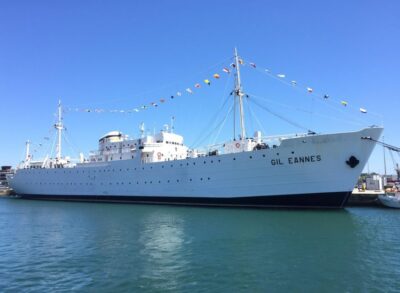
Browse the lists this tour appears in