
Reviewed · PORT WINE CELLAR TOURS
Port Wine class with 3 or 5 Port tasting and pairings
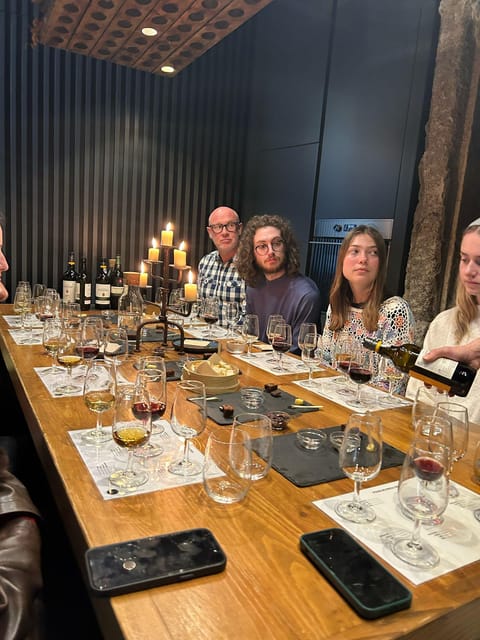
Port wine can seem sweet, strong, and a little mysterious until someone explains what is in your glass. This small class in central Porto makes the subject easy to follow, with history, production notes, five possible Port styles, and Portuguese nibbles around one table.
I like the intimate groups, capped at 10 people, and the friendly teaching style associated with hosts such as Rui, Ruan, and João. I also like the location: you are right across from the Palácio da Bolsa, so this fits neatly into a day of sightseeing without a trip out to Vila Nova de Gaia. The main consideration is that this is a shop-based tasting, not a cellar tour, and the three-Port option may leave you wishing you had chosen five.
In This Review
- Key points at a glance
- Why this Port class works for first-time tasters
- Finding the room beside Palácio da Bolsa
- The opening lesson: how Port came to be
- Choosing three Ports or five
- Food pairings that make the wine easier to understand
- A small table makes the class personal
- What you get for $23
- Best times to fit it into your Porto day
- Who should book this experience
- Should you book the Port wine class?
- FAQ
- Where does the Port wine class take place?
- Is the tasting held in a wine cellar?
- How many Port wines can I taste?
- What food is served with the Port?
- How long does the activity last?
- What language is the class offered in?
- How large is the group?
- Is the experience wheelchair accessible?
- Can I cancel my booking?
Key points at a glance
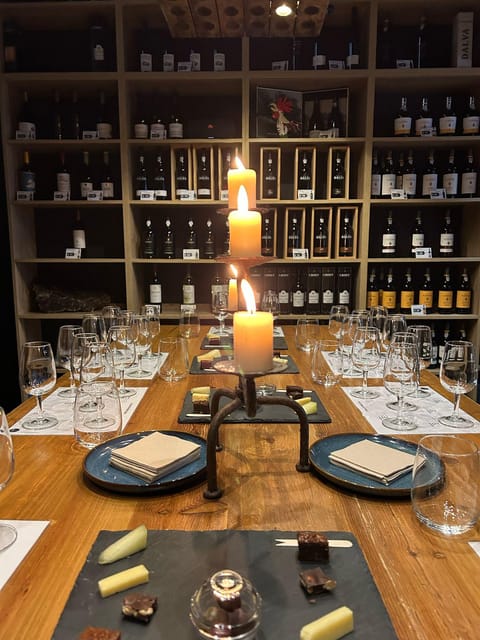
- Three or five Port styles: Choose a shorter tasting or sample white, tawny, ruby reserve, and LBV Port.
- Portuguese pairings included: Olives, fruit, cheese, chocolate, and brownie are served with the wine.
- Groups limited to 10: The small table makes it easier to ask questions and meet other people.
- Central Porto setting: The shop sits across from the Palácio da Bolsa, in the same building as the tourist office.
- Hosts add personality: Rui, Ruan, João, José, and Pedro are among the hosts praised for clear explanations and humor.
- Good value at $23: You get a guided introduction, several pours, food pairings, and a social hour without leaving the city center.
Why this Port class works for first-time tasters
Port is not simply one wine poured in different bottles. The name covers several styles, and the differences can be hard to spot if you are tasting alone. White Port may be light and fresh, Tawny tends toward nutty and mellow, Ruby Reserve offers darker fruit, and Late Bottled Vintage, or LBV, brings more weight and depth.
That progression gives you a useful map of the category. Instead of sampling random glasses, you learn what to look for and how the styles differ. I find that especially useful if you plan to buy a bottle in Porto or order Port after dinner later in your trip.
The class begins with the story of Port wine: how it was invented, why it developed, and how its production changed over time. The host then connects that background to the wines in front of you. This makes the tasting more than a list of labels and tasting notes.
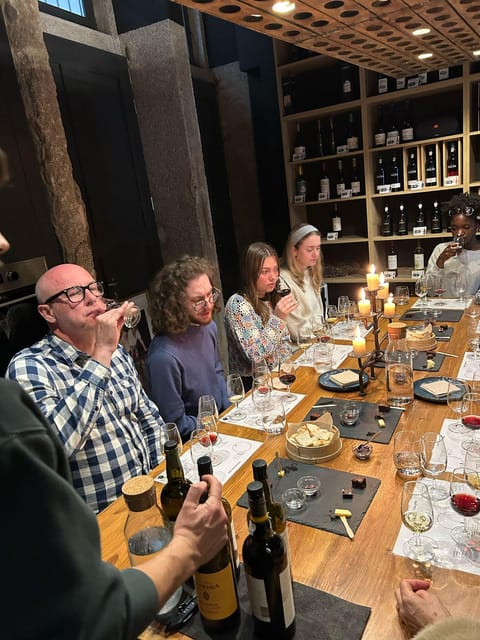
You should also expect a social tone. The table may include couples, solo visitors, and small groups from several countries. Hosts such as Ruan and Rui are praised for keeping everyone involved, while João is noted for clear, professional explanations. That mix works well if you enjoy a little conversation with your wine.
More port wine cellars to visit:
- Porto: Live Fado Show with Glass of Port Wine
★ 4.8 · 6,498 reviews - Porto: Cálem Cellar Tour, Interactive Museum & Wine Tasting
★ 4.5 · 4,113 reviews - Porto: Cálem Cellar Tour, Fado Show & Wine Tasting
★ 4.4 · 3,530 reviews
Finding the room beside Palácio da Bolsa
The meeting point is the shop in front of the Palácio da Bolsa, one of Porto’s most recognizable buildings. This is a very useful location for sightseeing. You can visit the Bolsa, walk toward the Ribeira, or cross the river later, then fit the class into the same central stretch of your day.
There is one practical detail to know before you arrive. The tasting room is inside the same building as the tourist office, so you should check in at the tourist office rather than search for a traditional wine cellar. One person specifically found the storefront difficult to identify because it did not look exactly like the wine shop they expected.
I would arrive a few minutes early and look for the tourist office first. That small bit of preparation matters more here than at a clearly marked cellar entrance. The activity is wheelchair accessible, and the host or greeter speaks English.
The setting is functional rather than grand. You are tasting in a room inside a shop, not among aging barrels or underground stone walls. If your idea of Porto wine includes a cellar visit in Gaia, this will feel more like an introduction and tasting lesson than a full wine attraction.
That is not a flaw for everyone. The central address saves time, the room is air-conditioned, and the indoor setting offers a comfortable break on a sunny afternoon. You simply need to choose it for the teaching and tasting, not for cellar atmosphere.
The opening lesson: how Port came to be
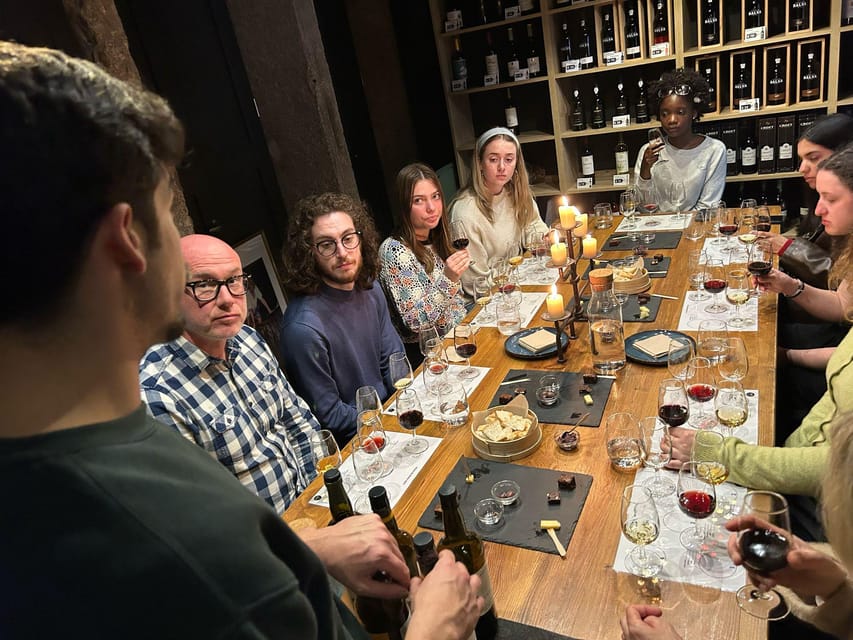
The first part explains Port’s origins and development. You learn why the wine was created and how it evolved into the styles sold today. The host also discusses how Port is made, where its grapes are grown, and the differences among the types you will taste.
The exact presentation depends on the questions at the table. Some sessions run close to 45 minutes with three Ports, while the five-Port option usually takes around 75 minutes. A lively group may take longer if people want more detail.
This flexibility is one of the better features of the class. You are not pushed through a rigid script with the same amount of time spent on every bottle. The host can explain a point again, compare two styles, or answer practical questions about buying and drinking Port.
The tone is also lighter than a formal lecture. Rui, Ruan, João, José, and Pedro are repeatedly praised for combining clear wine instruction with jokes and conversation. One host even ended the session with guitar and singing, including fado and flamenco. That musical ending is not something I would treat as guaranteed, but it shows how much personality some hosts bring to the hour.
You may hear plenty of information beyond the wine itself, including comments about Porto and Gaia. For a first visit, that local context helps place Port in the city you are exploring rather than treating it as an isolated product.
Choosing three Ports or five
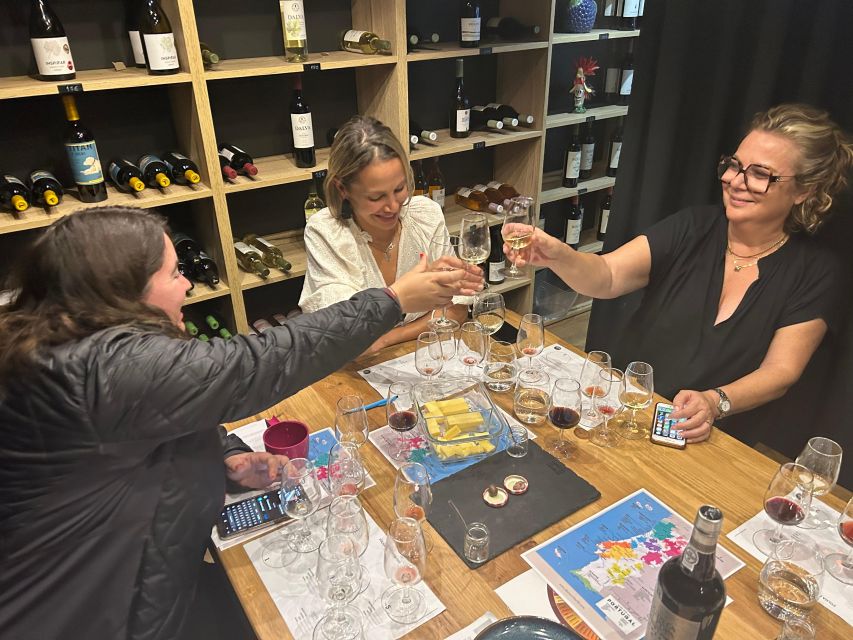
The three-Port option is the sensible choice if your schedule is tight or you mainly want a quick introduction. It gives you enough range to understand that Port has several styles, and it keeps the tasting to roughly 45 minutes.
Still, the five-Port option offers the stronger comparison. The listed five include:
- Two White Ports
- One Tawny Port
- One Ruby Reserve Port
- One LBV Port
That line-up gives you a wider look at color, sweetness, texture, age, and style. The two White Ports are particularly useful because they show that white Port is not just a single standard drink. You can compare them before moving into the darker, more familiar styles.
Tawny gives the tasting a softer, nuttier direction. Ruby Reserve brings a fuller fruit profile, while LBV, short for Late Bottled Vintage, provides a more serious final comparison. You do not need prior wine knowledge to follow the differences. The host explains what you are drinking and how each wine was made.
I would choose five if you have the time and a real interest in Port. The price difference is not provided here, but several people who chose three later wished they had selected five. That is a useful warning: the shorter option works, but the longer tasting is likely to feel more complete.
You should pace yourself. Port is fortified wine, so the glasses can feel more powerful than the pour size suggests. The class includes food throughout, which helps, but this is still a tasting rather than an ordinary wine flight.
More Porto wine tastings worth an afternoon:
- From Porto: Douro Valley w/ Boat Tour, Wine Tasting & Lunch
★ 4.7 · 19,061 reviews - Complete Douro Valley Wine Tour with Lunch, Wine Tastings and River Cruise
★ 5.0 · 12,920 reviews - Douro Valley: Wine Tour with Lunch, Tastings & River Cruise
★ 4.6 · 6,081 reviews - Douro Valley: Historical Sites, Wine Experience, Lunch & Cruise
★ 5.0 · 5,133 reviews
Food pairings that make the wine easier to understand
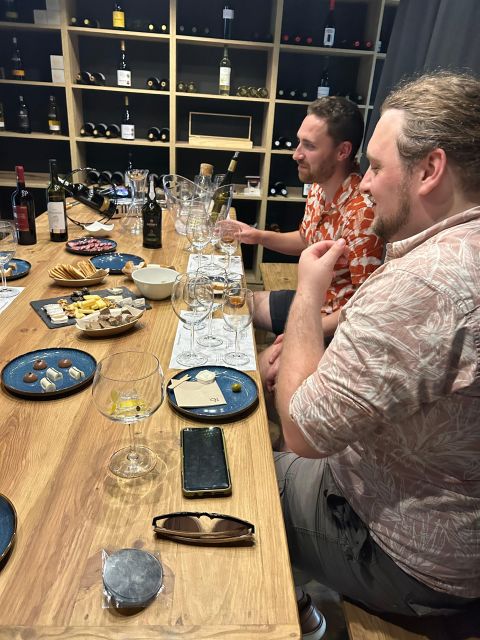
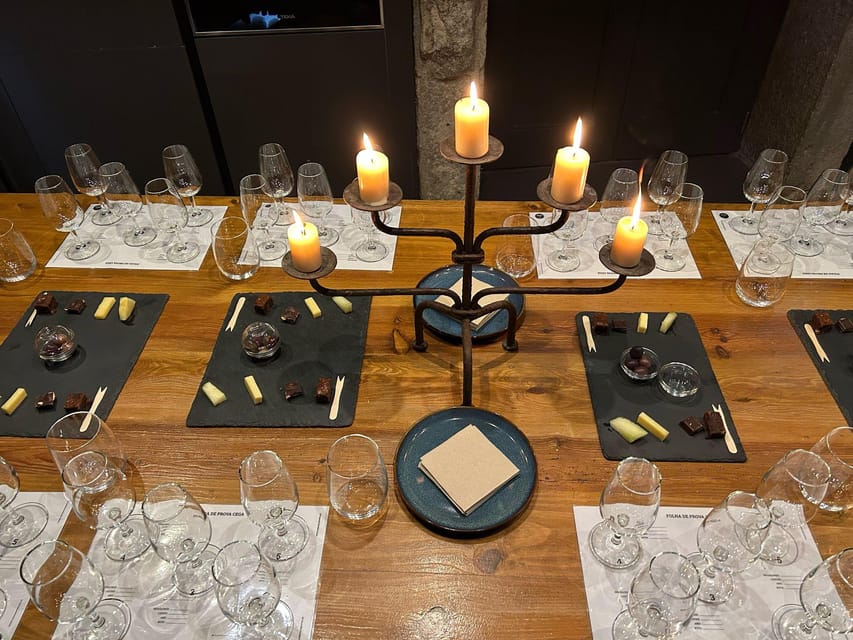
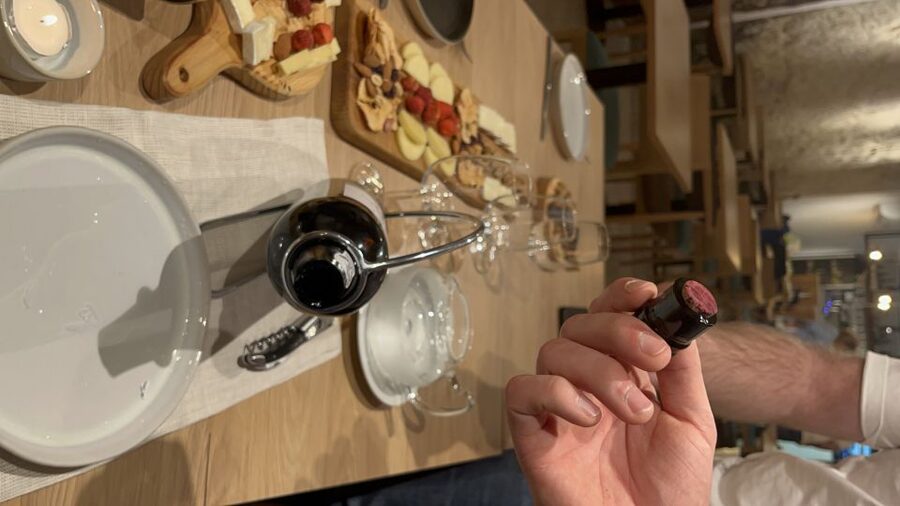
Each Port is paired with Portuguese snacks. The spread includes olives, fruit, chocolate, cheese, and brownie. These are not just decoration on the table. Sweet, salty, creamy, and rich foods can change how you perceive a fortified wine.
Chocolate and brownie make sense beside darker, sweeter styles. Fruit can give you a fresher contrast, while cheese and olives offer savory balance. The host explains the pairings, so you can pay attention to how the combination changes from one glass to the next.
The quantities appear generous enough to make the session feel like more than a few token samples. One person specifically praised the quality and amount of both the Port and the snacks. Another enjoyed the way even the olives worked with the wine, despite not usually eating them.
I would not book this expecting a full meal. The food is there to support the tasting, not replace lunch or dinner. If you arrive hungry, eat beforehand or plan a meal afterward. The snacks should keep you comfortable during the class, but they are still small tasting accompaniments.
This is also a helpful format for people who are unsure about Port. You can find out how you like the wine with different foods before buying a bottle. The lesson becomes practical: you learn not only what the styles taste like, but also how to serve them at home.
A small table makes the class personal
The maximum group size is 10. In practice, some sessions are much smaller. A few people have attended with only another couple or one other pair, while other groups have included around six additional people.
That range changes the feel of the class. With two or four people, you can ask plenty of questions and get a more personal exchange with the host. With a fuller group, the mood becomes more social, and you have a better chance of chatting with people from other countries.
Solo visitors should feel comfortable booking. The hosts are used to bringing people into the conversation, and the table arrangement encourages interaction. One solo visitor ended up joining the group for drinks afterward. You should not count on making evening plans, but the setup makes it easier than a private bar seat to meet people.
The seating may be simple. One person found the long benches less comfortable than chairs. That is a minor point, but it is worth noting if you have back problems or prefer a polished tasting-room setup. The room is clean and prepared for the group, yet it is still a modest shop space rather than an upscale restaurant.
The host is the key part of the experience. Different sessions may feature Rui, Ruan, João, José, Pedro, or another member of the team. The strongest descriptions focus on warmth, humor, generosity, and clear teaching. The class works because the host keeps the table talking rather than simply reading facts from a card.
What you get for $23
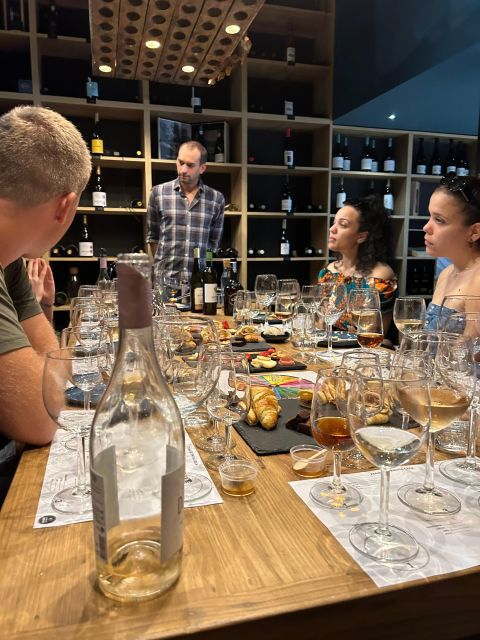
At $23 per person, this is a strong-value introduction to Porto’s signature drink. You receive a guided history lesson, either three or five Port samples, several food pairings, and access to a host who can answer questions about production and style.
The value is best if you are new to Port. Buying several glasses on your own could cost more, and you would not get the same side-by-side explanation. You also avoid spending half a day traveling to a wine area if your Porto schedule is already full.
The class is not the right replacement for a Douro Valley visit or a cellar tour in Gaia. It does not take you through vineyards, production rooms, or barrel storage. You are paying for an efficient city-center lesson and tasting, not a full-day wine excursion.
That distinction helps you make a fair comparison. If you have limited time, the class gives you a compact introduction. If wine is the main reason for your trip, use this as a starting point and consider a longer excursion separately.
Booking is flexible: you can reserve now and pay later, and cancellation is free up to 24 hours in advance for a full refund. Starting times vary, so check availability for your date. The class is offered in English, and the small size makes the price feel especially reasonable for a guided session.
Best times to fit it into your Porto day
The class lasts about 45 minutes with three Ports and about 1 hour 15 minutes with five, though questions can stretch the session toward 90 minutes. That makes it easy to place between major sights.
A morning session can prepare you for a day of exploring Porto and Gaia. An afternoon booking works well after the Bolsa and nearby churches, giving you a cool indoor pause before dinner. A later session can function as a gentle introduction to Portuguese drinking culture, but remember that Port is fortified and should be treated with respect.
I would avoid booking it immediately before a tightly timed attraction. The class normally stays within the stated time, but an engaging host and an inquisitive group may add a few minutes. Give yourself room to enjoy the conversation.
The central address also means you do not need transport from Porto to the tasting. That is a real benefit if you are staying near the historic center. You can walk to the meeting point, then continue on foot toward the riverfront.
Who should book this experience
I would recommend it to first-time Porto visitors who want a clear introduction to Port without giving up most of a day. It is also a good fit for couples, solo visitors, and small groups who like meeting people over food and drink.
Choose the five-Port option if you want to compare styles carefully or expect Port to become part of your Portugal trip. Choose three if you mainly want the basics and have a crowded sightseeing plan.
This works particularly well for people who have not visited a wine cellar. One person specifically used it as a good alternative when there was no time for the cellars. You still learn how Port is made and how the main categories differ.
You may want something else if your priority is architecture, barrel rooms, vineyard views, or a long technical tasting. The shop setting is plain, and the seating may not suit everyone. The class succeeds through its host, explanations, range of samples, and central location rather than through elaborate surroundings.
Should you book the Port wine class?
Book it if you want a practical, friendly introduction to Port close to Porto’s main sights. At $23, the combination of instruction, wine, snacks, and a small group is hard to fault.
I would lean toward five Ports, especially if you already know you enjoy fortified wine. The three-Port session is useful, but the broader tasting gives you a better sense of White, Tawny, Ruby Reserve, and LBV styles.
Skip it only if you specifically want a cellar or vineyard visit. For everyone else, this is an efficient way to understand what is in your glass before you order another Port in Portugal.
FAQ
Where does the Port wine class take place?
It takes place in a shop in Porto city center, across from the Palácio da Bolsa. The tasting room is in the same building as the tourist office.
Is the tasting held in a wine cellar?
No. The activity takes place in an intimate room inside the shop, not in a cellar.
How many Port wines can I taste?
You can choose an option with three or five Port tastings. The five-Port selection includes two White Ports, one Tawny, one Ruby Reserve, and one LBV Port.
What food is served with the Port?
The pairings include olives, fruit, chocolate, cheese, and brownie.
How long does the activity last?
The three-Port option takes about 45 minutes. The five-Port option takes about 1 hour and 15 minutes, with the session sometimes lasting longer depending on questions.
What language is the class offered in?
The host or greeter conducts the class in English.
How large is the group?
The group is limited to a maximum of 10 participants.
Is the experience wheelchair accessible?
Yes, the activity is wheelchair accessible.
Can I cancel my booking?
Yes. You can cancel up to 24 hours in advance for a full refund. You can also reserve now and pay later.
More Workshops in Porto
- Porto: Pastel de Nata Cooking Class with Grandma’s Recipe
★ 5.0 · 1,565 reviews - Porto: Pastel de Nata Pastry-Making Workshop
★ 4.9 · 1,542 reviews - Porto: Pastel de Nata Cooking Class with Port Wine – Sé
★ 4.8 · 888 reviews - Matosinhos: Surfing Lesson with Equipment
★ 4.8 · 704 reviews
More Food Tours in Porto
- Douro Valley Small-Group Tour with Wine Tasting, Lunch and Boat
★ 5.0 · 3,642 reviews - Porto: Taylor’s Port Cellars & Tasting
★ 4.6 · 3,374 reviews - Porto: Cockburn’s Port Lodge Tour and Tasting
★ 4.8 · 3,360 reviews - Porto: Douro Valley Tour with Wine Tasting, Cruise and Lunch
★ 4.7 · 2,714 reviews
Latest reviews around Porto
- Private Walking Tour, highlights and secrets of Porto★ 3.9 · 3 reviews
- Private Porto Half-Day Tour – Wine Cellars & Cheese Tasting★ 5.0 · 3 reviews
- Portuguese Wine Tasting w Local Cheese & Cold Cuts pairing★ 5.0 · 3 reviews
- Porto: Full-Day All-Inclusive Private City Sightseeing Tour★ 4.3 · 3 reviews
- Small Painting Group with a Local Artist in Porto★ 5.0 · 3 reviews
- From Peso da Régua: Visit 3 wineries, tasting and viewpoint★ 5.0 · 3 reviews
- From Arouca: Paiva River Rafting Adventure – Adventure Tour★ 5.0 · 3 reviews
- Private Tour to Santiago de Compostela and its stunning Cathedral★ 5.0 · 3 reviews
Port Wine Cellar Tours, compared.

Porto: Cálem Cellar Tour, Interactive Museum & Wine Tasting
Read our review →
Porto: Cálem Cellar Tour, Fado Show & Wine Tasting
Read our review →
Porto: Cockburn’s Port Lodge Tour and Tasting
Read our review →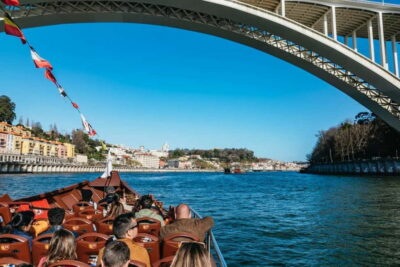
Porto: Bridges Cruise with Wine Cellar Tour or Sunset Option
Read our review →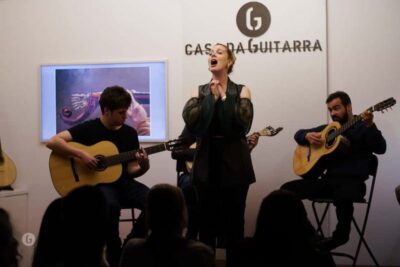
Porto: Authentic Fado Show, Port Wine & Handmade Instruments
Read our review →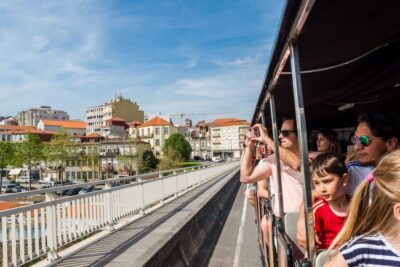
Porto: City Train Tour, River Cruise & Wine Cellar
Read our review →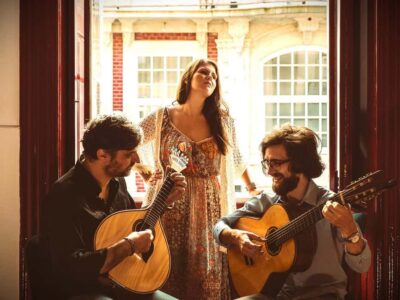
Porto: Live Fado Concert with Glass of Tawny Port Wine
Read our review →
Port Wine Lodges Tour Including 7 Port Wine Tastings (English)
Read our review →Browse the lists this tour appears in