
Reviewed · WORKSHOPS
Porto: Acrylic and Oil Painting Class with a Local Artist
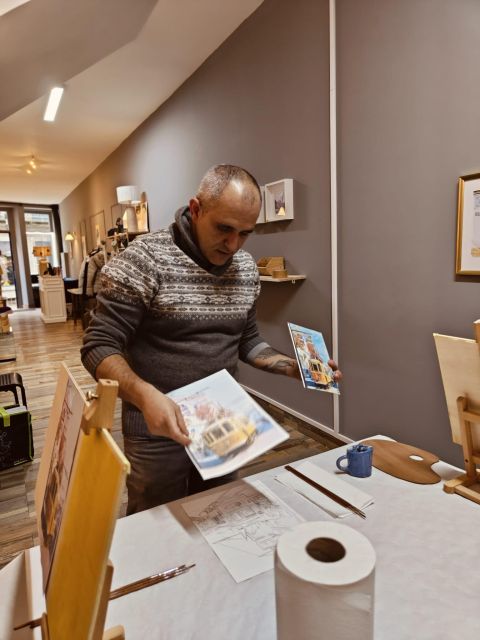
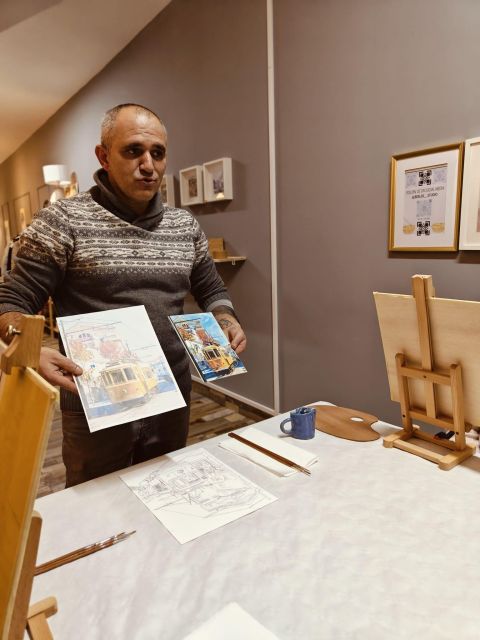
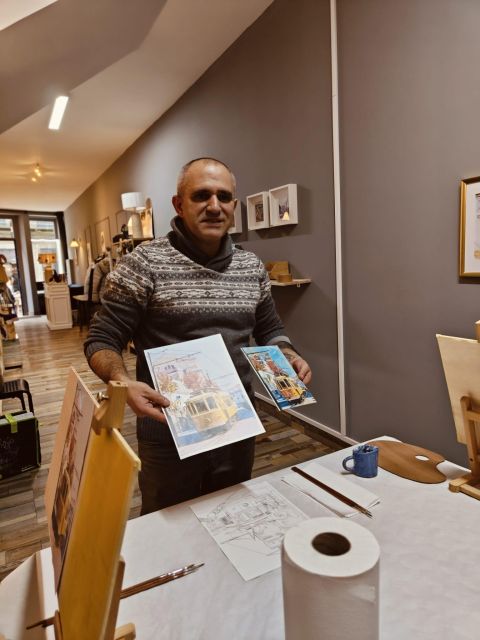
The best thing about this Porto experience is its personal scale. You work in a downtown studio with visual artist Emanuel Ribeiro, who paints Porto’s streets and urban scenes. Instead of only looking at the city, you use its light, people, and daily life as fuel for your own painting.
I like the small group of up to five, which gives you room to ask questions and receive steady guidance. I also like that the $53 price includes paints, brushes, an easel, accessories, and cocktails, so you are paying for instruction rather than assembling a starter kit yourself. The main consideration is time: 2.5 hours is enough for a useful introduction, but not enough to master both acrylic and oil painting.
In This Review
- Key points
- A Porto painting class with a local point of view
- What you learn in the first part of the class
- Why color mixing receives so much attention
- From blank surface to a finished painting
- The studio atmosphere and Porto connection
- What the $53 price really covers
- Timing, language, and access
- Who will get the most from this experience
- Small drawbacks to consider before booking
- Should you book Emanuel Ribeiro’s Porto class?
- FAQ
- Where does the painting class take place?
- Who teaches the class?
- How long does the experience last?
- How much does the class cost?
- What painting skills will I learn?
- Are painting materials provided?
- Are cocktails included?
- What languages are available?
- Can children take part?
- Is the class wheelchair accessible?
Key points
- Learn with Emanuel Ribeiro: A local visual artist who paints Porto’s urban scenes leads the class.
- Work in a real creative studio: Boiler Studio near S. Bento Station is an active place where several artists work.
- Keep the group intimate: A maximum of five participants makes this more personal than a large workshop.
- Build practical skills: Practice brush handling, color value, mixing, paint quantities, easel use, and surface preparation.
- Bring home more than a souvenir: You leave with a better sense of how painters plan, mix, and build an image.
- Enjoy a relaxed finish: Cocktails are included, adding a social touch to the studio session.
A Porto painting class with a local point of view
This is not a sightseeing tour with a quick craft activity added at the end. It is a focused art lesson built around the way Porto looks and feels to someone who paints it regularly.
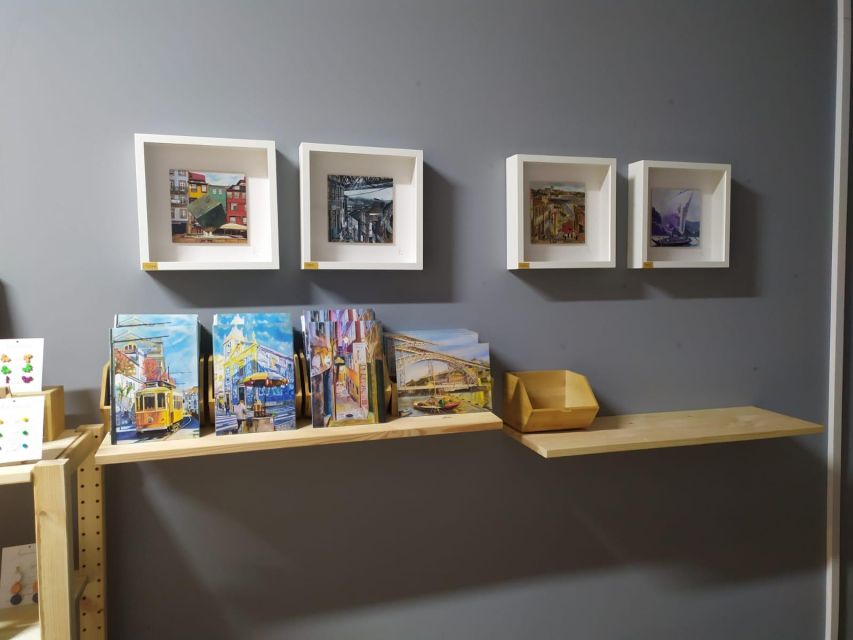
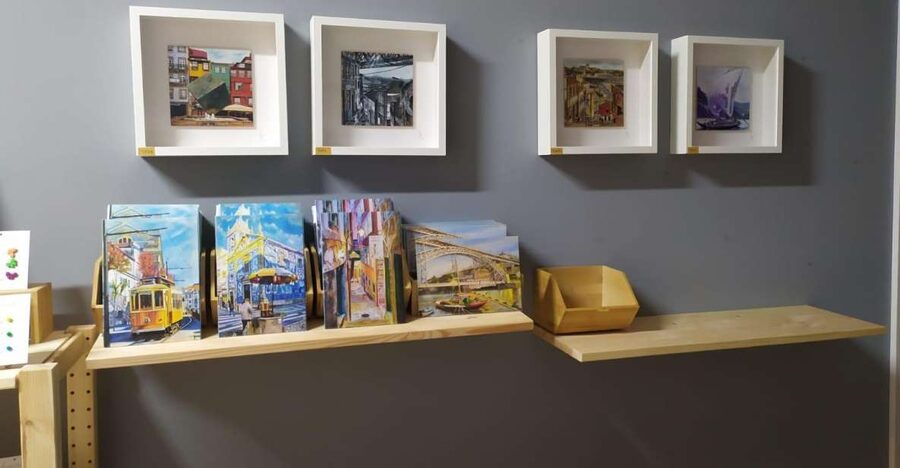
Emanuel Ribeiro works with the city’s streets and urban views. That matters because he can connect basic painting skills to the place around you. Porto gives you old facades, shifting light, daily street scenes, and plenty of color to think about. You do not need to arrive with a grand artistic idea. The value is in learning how to look at a subject and decide what deserves attention.
The setting is Boiler Studio, a creative workspace in central Porto. Several artists work there each day, so you get a sense of an active studio rather than a purpose-built tourist room. That atmosphere may appeal to you if you want an experience tied to local creative life.
The meeting point is on a street near S. Bento Train Station. Since the supplied meeting information does not name the exact street, check your booking details carefully before setting out. S. Bento is a useful central reference point, but you should not assume the studio entrance is inside the station itself.
A few more Porto outings to weigh up
- Porto: Pastel de Nata Cooking Class with Grandma’s Recipe
★ 5.0 · 1,565 reviews - Porto: Pastel de Nata Pastry-Making Workshop
★ 4.9 · 1,542 reviews - Porto: Pastel de Nata Cooking Class with Port Wine – Sé
★ 4.8 · 888 reviews
What you learn in the first part of the class
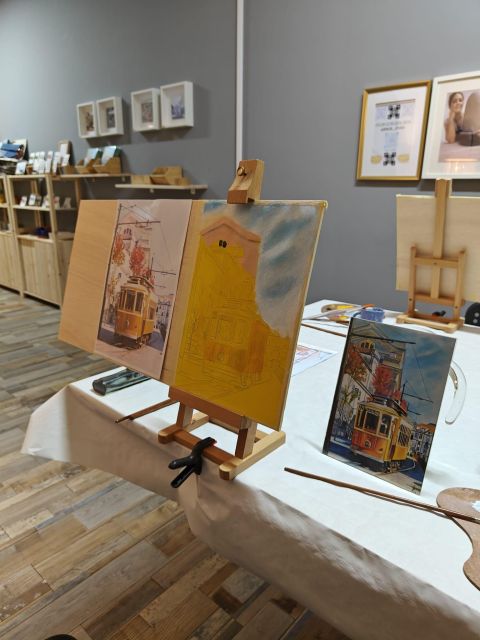
The class begins with the basic tools of painting. Emanuel explains how to use an easel, how the different materials work, and which accessories help you prepare and control the process.
An easel can feel awkward if you have only painted at a table. You need to understand how to position the work, where to place your palette, and how to keep your body from getting in the way. These are simple points, but they affect the whole session. Good instruction here can make a beginner feel less clumsy from the start.
Brush handling is another early focus. You learn that a brush is not just a device for spreading paint. The way you hold it, the pressure you apply, and the amount of paint you load all affect the mark on the surface. You can expect practical guidance rather than only a talk about art theory.
The class covers both acrylic and oil painting techniques. That does not mean you will become an expert in two separate mediums during one short session. Instead, you gain a first look at how these materials behave and what you need to consider when working with them.
For a beginner, that comparison is useful. You start to notice that paint choice affects drying, blending, layering, and the way you correct a mistake. If you already paint, the lesson may help you organize habits you have picked up informally.
Why color mixing receives so much attention
Color is where many first painting attempts go wrong. People often buy several tubes and place them directly on the canvas, only to find that the result looks flat or harsh. This class teaches you to mix with more purpose.
You learn the value of color, meaning how light or dark a color appears and how that affects the sense of form. A subject can have the right general hue and still look unconvincing if its light and dark areas are out of balance. This is one of the most useful ideas for beginners because it applies to almost any subject.
You also work on quantities. That sounds minor, but paint management matters. Too little paint can make a mix weak or patchy. Too much can waste materials and make it harder to control the image. Learning how much to place on a palette gives you a practical habit you can use at home.
The lesson on color may suit you especially well if you normally work in black and white. Karolin, a participant from Switzerland, came to the class with that background and wanted help using color. Emanuel guided her patiently through the basics and gave her tools to keep practicing after returning home. That makes the session useful beyond Porto: you are not simply copying a demonstration, you are learning a method.
From blank surface to a finished painting
Surface preparation is included, and it is an important part of the class. Beginners often think the painting starts when the first visible stroke hits the canvas. In practice, the surface can affect how paint spreads, how colors appear, and how easily you can make changes.
You learn about the surfaces used for painting and how to prepare them for better results. The details supplied for the class do not promise a particular type of canvas or finished subject, so you should think of this as an introduction to preparation rather than a full technical course.
The teaching then moves toward making an image. Emanuel helps you put the earlier lessons together: choose and mix colors, use your brush with more control, work from the easel, and build a painting with a sense of depth.
That step-by-step approach is a strong fit for people who feel intimidated by a blank canvas. You do not need to arrive knowing what to paint or how to plan a composition. The guidance gives you a sequence to follow, which frees you to concentrate on what you see.
A family session included a mother, grandmother, and three children aged 10, 15, and 17. None had prior painting experience, yet the children stayed engaged throughout the class. That is a good sign for families with older children who can focus for a sustained creative activity. It is not designed for babies or children under 10, and the age limit is worth taking seriously.
A different sort of Porto day altogether:
- The Unvanquished Tour in Porto City Center
★ 5.0 · 26,497 reviews - From Porto: Douro Valley w/ Boat Tour, Wine Tasting & Lunch
★ 4.7 · 19,061 reviews - Complete Douro Valley Wine Tour with Lunch, Wine Tastings and River Cruise
★ 5.0 · 12,920 reviews - Porto: Six Bridges Cruise
★ 4.2 · 11,680 reviews
The studio atmosphere and Porto connection
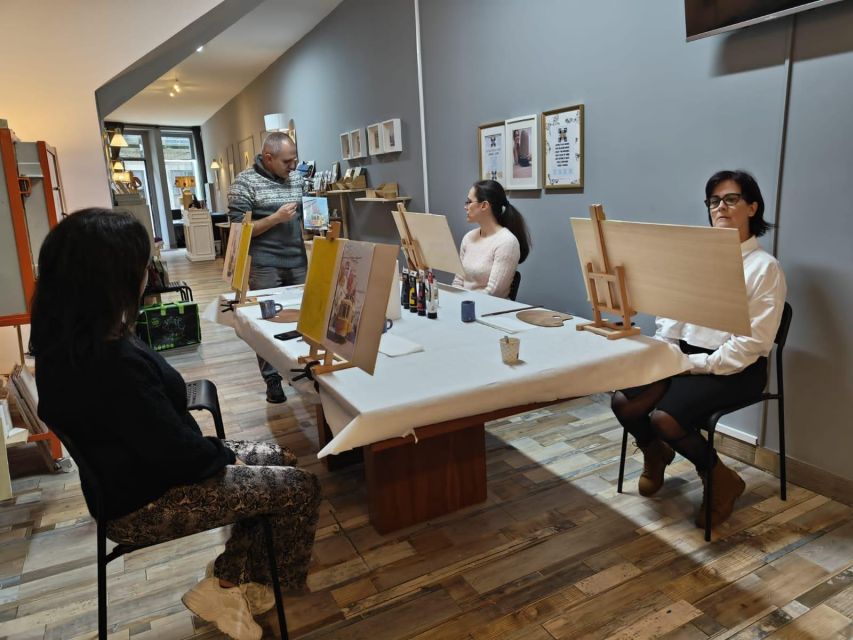
Boiler Studio is part of the appeal. You are in the heart of downtown Porto, surrounded by the working habits of artists rather than placed in a generic classroom. The presence of other artists can make the activity feel connected to the city’s current creative life.
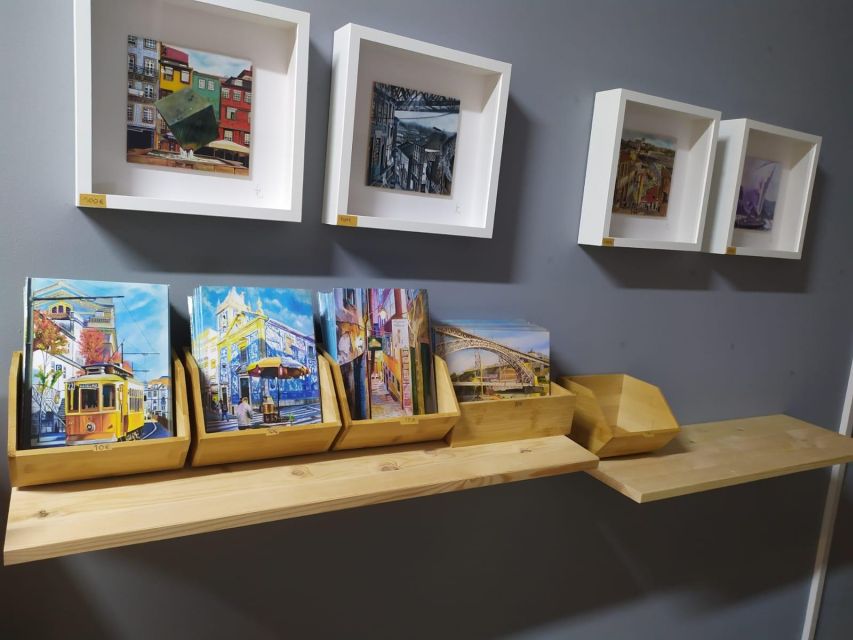
Emanuel’s own subject is Porto’s urban environment. He draws inspiration from the city’s light, local routines, and streets. You may find that this changes how you see the city after the class. A painted building is no longer only a facade. You begin to notice where light falls, how color shifts across a wall, and which details help suggest a sense of place.
The class does not promise a walking tour or an outdoor painting stop. Its Porto connection comes through the teacher, the studio, and the ideas he brings to the lesson. If you want to paint directly in the street, this may not be the right choice. If you want a calm indoor setting with a local artist, it makes better sense.
The conversation is part of the experience too. Emanuel is described as an engaging speaker who talks about art and life. That can make the session feel less like a formal school lesson and more like time spent with a working artist. Still, your own experience will depend on the group and the flow of the class.
What the $53 price really covers
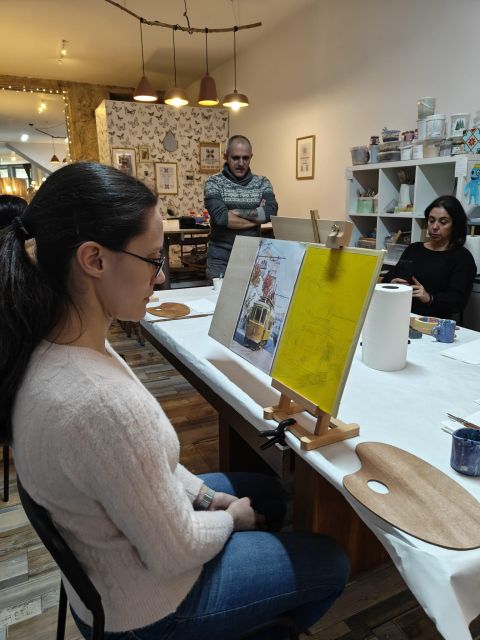
At $53 per person, the price is reasonable for a small, hands-on class in central Porto. The key value is the combination of personal instruction and included materials.
You do not have to buy acrylics, oils, brushes, a palette, an easel, or other accessories before arriving. All painting materials and equipment are supplied. For a first-time painter, this removes the risk of spending money on tools you may not use again.
The group limit matters here. A class of five allows more direct contact with Emanuel than a workshop filled with a dozen or more people. You can ask about a color mix, brush, or surface while you are actually working, not only after a long line of other questions.
Cocktails are also included. They are a pleasant social extra, though I would not use them as the main reason to book. The real value is the instruction and the chance to practice with professional materials.
The price is less compelling if you already have serious training in both oil and acrylic painting. In that case, the class may cover familiar fundamentals. It could still be worthwhile for the local artist connection and studio setting, but beginners and casual painters will gain more from the core lesson.
Timing, language, and access
The scheduled duration is 2.5 hours. That gives you enough time to cover tools, brush use, color, mixing, quantities, surface preparation, and a practical painting exercise without turning the activity into a full-day commitment.
I would avoid placing another tightly timed attraction immediately afterward. Creative work can take longer than expected, and you may want a few extra minutes to finish your piece or talk with the teacher. The advertised length is clear, but painting is not as predictable as a museum entry slot.
Instruction is available in English, Portuguese, and Spanish. That makes the class accessible to a broad range of visitors, though you should choose the language that lets you ask detailed questions about color and technique with ease.
The experience is wheelchair accessible. The group is limited to five people. Children under 10 are not accepted, and babies under 1 year are not suitable for the activity.
You can cancel up to 24 hours in advance for a full refund. The reserve-now-and-pay-later option also helps if your Porto plans are still shifting. These policies matter more for a creative class than you might expect, since a short city break can change quickly with weather, transport, or family needs.
Who will get the most from this experience
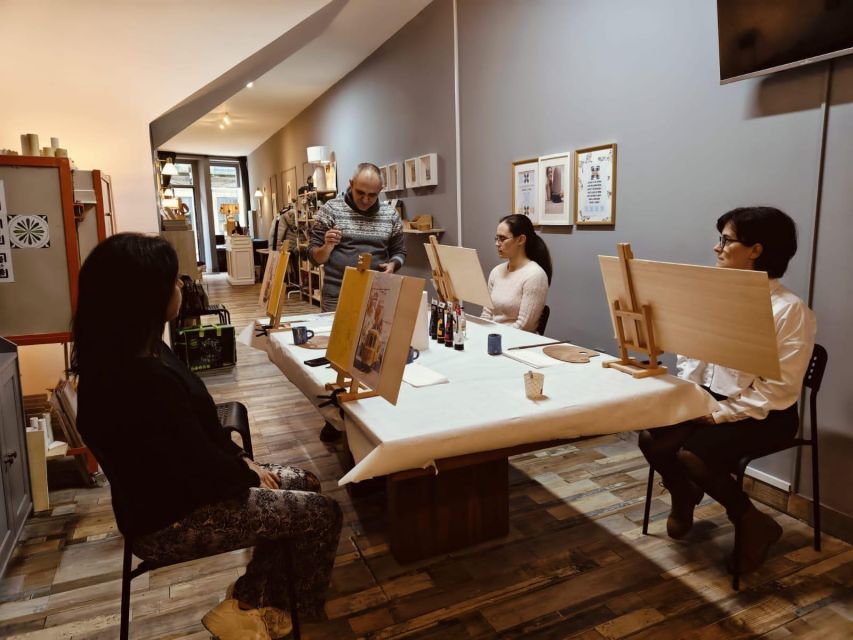
This class is a strong choice if you want a creative activity that feels tied to Porto rather than a standard sightseeing stop. It suits first-time painters, casual artists, couples, families with children aged 10 and above, and anyone who wants to try color without buying a full set of supplies.
It is also useful if you already sketch or paint but want a better grasp of color. A participant who had worked only in black and white used the lesson to gain practical tools for continuing at home. That is the right expectation: a solid introduction, not a professional qualification.
Families should note the age rule and the length. A 10-year-old can take part, but the child needs to be comfortable sitting and concentrating during a sustained class. The family format can work well because each person can make a different level of progress under the same guidance.
You may want to skip it if you prefer active outdoor tours, have little interest in making art, or want a finished professional painting guaranteed by the end. The focus is on learning and trying, not producing a perfect souvenir.
Small drawbacks to consider before booking
The short duration is the clearest limitation. Acrylic and oil painting each have their own habits, and the class also covers brushes, color value, mixing, quantities, easels, surfaces, and accessories. You will get an introduction to many subjects, but none can receive the depth of a multi-day course.
The exact painting project is not specified. If you need to know the subject, size, or medium in advance, ask before booking. The flexible format is helpful for a mixed group, but it also means you should not expect a tightly described art project with identical results for everyone.
The meeting information points to a street near S. Bento Station rather than giving a full street address here. Treat that as a practical planning point and confirm the final directions before walking to the studio.
Finally, the cocktails may not suit everyone. They are included as part of the studio experience, but you do not need to treat them as central to the class. The art lesson remains the main reason to pay the fee.
Should you book Emanuel Ribeiro’s Porto class?
Book this experience if you want a personal introduction to painting, a small group, and a local artist who connects his work to Porto’s streets and light. The included materials make it easy for beginners, while the color and surface lessons offer useful habits for anyone planning to continue at home.
I would especially recommend it to families with older children, couples looking for an indoor activity, and people who want more than a passive view of Porto. Skip it if you want a full technical course or an outdoor painting tour.
At $53, the package is good value because it combines guidance, equipment, studio time, and cocktails in a group of no more than five. Go with an open mind, expect to learn rather than produce a masterpiece, and you should leave with a better eye for color and a new way to see Porto.
FAQ
Where does the painting class take place?
The class takes place at Boiler Studio in central Porto, on a street near S. Bento Train Station.
Who teaches the class?
The instructor is Emanuel Ribeiro, a visual artist who paints Porto’s urban scenes.
How long does the experience last?
The scheduled duration is 2.5 hours.
How much does the class cost?
The price is $53 per person.
What painting skills will I learn?
You will learn fundamental acrylic and oil painting techniques, brush use, color value, color mixing, paint quantities, easel use, surface preparation, and the role of painting accessories.
Are painting materials provided?
Yes. All painting materials and accessories are included, along with use of an easel.
Are cocktails included?
Yes. Cocktails are included in the experience.
What languages are available?
Instruction is available in English, Portuguese, and Spanish.
Can children take part?
Children under 10 are not suitable for the activity. Babies under 1 year are also not suitable. Children aged 10 and above may participate, subject to the class conditions.
Is the class wheelchair accessible?
Yes, the experience is wheelchair accessible.
Latest reviews around Porto
- Private Walking Tour, highlights and secrets of Porto★ 3.9 · 3 reviews
- Private Porto Half-Day Tour – Wine Cellars & Cheese Tasting★ 5.0 · 3 reviews
- Portuguese Wine Tasting w Local Cheese & Cold Cuts pairing★ 5.0 · 3 reviews
- From Peso da Régua: Visit 3 wineries, tasting and viewpoint★ 5.0 · 3 reviews
- Porto: Full-Day All-Inclusive Private City Sightseeing Tour★ 4.3 · 3 reviews
- Small Painting Group with a Local Artist in Porto★ 5.0 · 3 reviews
- From Arouca: Paiva River Rafting Adventure – Adventure Tour★ 5.0 · 3 reviews
- Private Tour to Santiago de Compostela and its stunning Cathedral★ 5.0 · 3 reviews
Workshops, compared.
Porto: Pastel de Nata Cooking Class with Grandma’s Recipe
Read our review →
Porto: Pastel de Nata Cooking Class with Port Wine – Sé
Read our review →

Porto: Small Group Surf Lesson with Transportation
Read our review →
Porto: Tile-Painting Workshop with Porto Wine – Bainharia
Read our review →

Porto: Pastel de Nata Cooking Class from Scratch
Read our review →Browse the lists this tour appears in