
Reviewed · WORKSHOPS
Workshop Nate Pastel and Cocktails in Porto
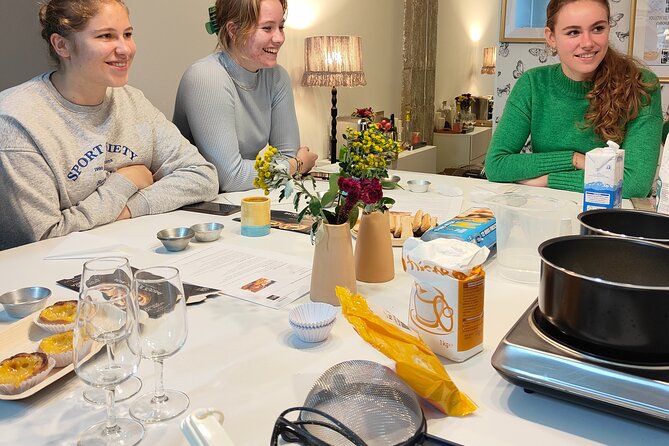
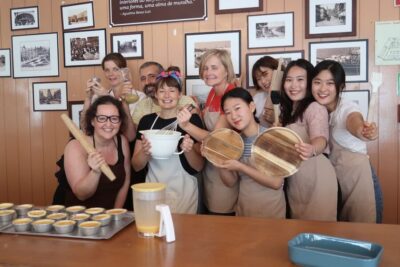
The best part of this Porto workshop is its friendly, shared rhythm. You help prepare the custard and pastry, then sit down with a drink while the natas bake. Patricia, Maria, and Anna keep the lesson easygoing, with music, conversation, and plenty of help for first-time bakers. I especially like the small group of up to eight and the chance to take home two pastries plus the recipe.
I also like that this is more than a quick cooking demonstration. Everyone handles part of the recipe, and the wait becomes a social break with port, champagne, or a white port and tonic. The main thing to know is that the dough is prepared ahead of time, since it takes about three hours to become ready for use. You learn how to make it, but you do not make the dough from scratch during the 90-minute class.
In This Review
- Key points to know before booking
- Making pastel de nata on Rua Chã
- What you actually prepare in 90 minutes
- The social part is as important as the recipe
- Tasting the finished natas
- Why the small group makes a difference
- Price, timing, and practical value
- Who will enjoy this Porto cooking class
- A useful Porto food memory
- Should you book the pastel de nata workshop?
- FAQ
- Where does the pastel de nata workshop begin and end?
- How long does the workshop last?
- How many people can join the class?
- Is the pastry dough made from scratch during the class?
- What do I take home?
- Are drinks included during the workshop?
- Can I cancel for a full refund?
Key points to know before booking
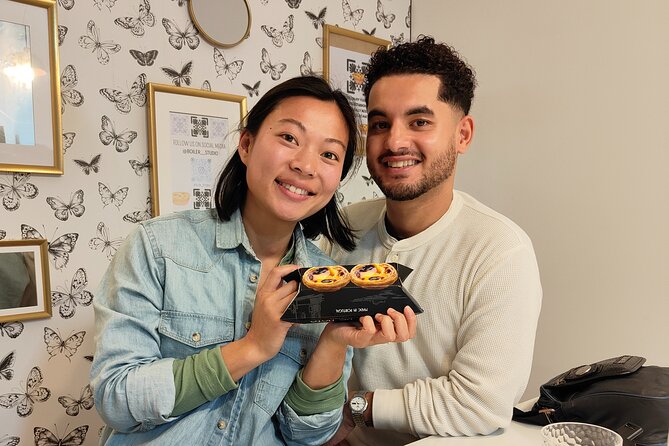
- Small, shared workshop: The group has a maximum of eight people, so everyone gets a task.
- Three possible instructors: Patricia, Maria, and Anna are named as workshop hosts.
- Porto drinks during the bake: Cocktails, port, champagne, or white port and tonic may accompany the waiting period.
- Prepared pastry dough: You learn the dough recipe, but the dough is made in advance to fit the short class.
- Two pastries to take away: After tasting the finished natas, each person takes two with them.
- Central meeting point: The workshop begins and ends at R. Chã 77, close to public transportation.
Making pastel de nata on Rua Chã
This class takes place at R. Chã 77, 4000-165 Porto, on a small street in the center of the city. The location is easy to find, and the activity returns to the same place when the 1.5 hours are over. That makes it simple to fit into a morning or afternoon between sightseeing stops.
You do not need to arrive with baking experience. The class is designed around shared jobs, with the host dividing the recipe among the people at the table. One person may work on one part while another handles a different stage. The result feels more like a group cooking session than a formal demonstration where you watch from the side.
That setup works well for couples, friends, families, and small work groups. It also gives solo bookers a natural way to meet people without the pressure of a large class. The group may include people from several countries, and the format leaves room for conversation as the food comes together.
Patricia is frequently named as the host, while Maria and Anna also lead sessions. Their approach is patient and informal. You can expect clear instructions, encouragement, and help when your technique needs correcting. One useful feature is that the host lets you try the task yourself, but steps in before a small mistake ruins the batch.
A few more Porto outings to weigh up
- Porto: Pastel de Nata Cooking Class with Grandma’s Recipe
★ 5.0 · 1,565 reviews - Porto: Pastel de Nata Pastry-Making Workshop
★ 4.9 · 1,542 reviews - Porto: Pastel de Nata Cooking Class with Port Wine – Sé
★ 4.8 · 888 reviews
What you actually prepare in 90 minutes
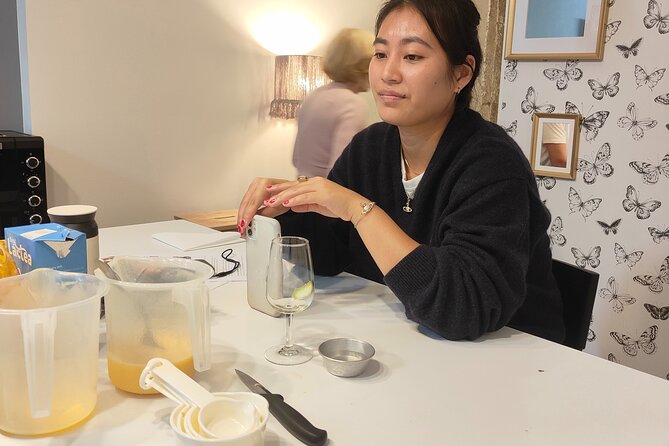
Pastel de nata is a Portuguese custard tart with crisp pastry and a soft, sweet center. The workshop explains the parts of the recipe and gives everyone a role in preparing them.
The most hands-on section comes early. You help with the components that can be completed during the class, following the host’s instructions and working alongside the rest of the group. This is not a pastry school lesson with long technical explanations. It is a practical introduction that helps you understand how the tart is put together.
The prepared dough deserves a clear explanation. The pastry cannot be made from the beginning and used immediately because it needs about three hours before it is ready. For that reason, the workshop uses dough prepared in advance. You will not perform every dough-making step during the session, but you receive the recipe and an explanation of how to make it at home.
That limitation is easy to miss when you first read the title, so I would treat this as a pastel de nata workshop rather than a full start-to-finish pastry course. If you want to perform every task yourself, you can request a private workshop. The standard class is better suited to learning the method, sharing the work, and enjoying the final result within a short visit.
The social part is as important as the recipe
Once the pastries go into the oven, the class shifts from cooking lesson to Porto-style aperitif. Drinks are served while you wait, with port and champagne mentioned among the options. A white port and tonic is a particularly fitting choice, since it gives the break a local flavor without turning the class into a serious tasting session.
Music plays in the background, and the host uses the baking time to talk about the story of the sweet and offer ideas for things to do in Porto. This pause is one of the best parts of the schedule. You are not standing around watching an oven. You are eating, talking, and getting a little city orientation.
The room is described as spacious and comfortable, with a pleasant studio setting. One practical note: the space can also be shared with a tile-painting class. If that class is busy, the room may become noisy. I would not book this expecting a silent, private kitchen. The shared setting adds energy, but it can also make conversation harder at times.
Still, the group size for the pastry workshop remains small. A class of six, for example, gives each person a real job without making the lesson feel crowded. The maximum listed size is eight people, although the workshop description also refers to a maximum of nine. I would plan on eight as the reliable limit.
Tasting the finished natas
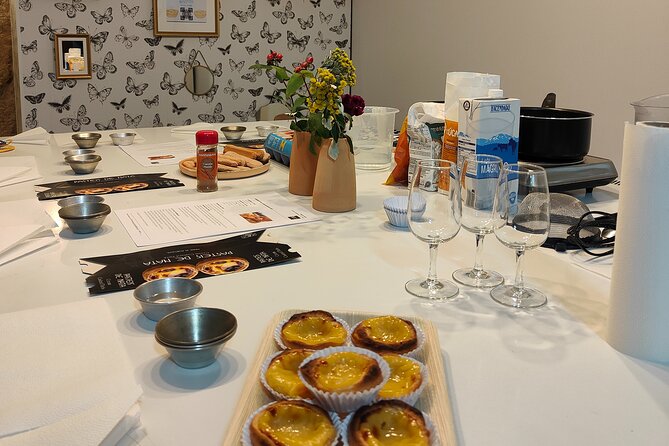
The pastries are served after baking, along with a presentation about the history of pastel de nata. This gives you a better sense of why the sweet matters in Portugal rather than treating it as just another recipe.
The final tasting is informal and satisfying. You get to see the result of the group’s work, try the warm pastry, and compare your own effort with the host’s guidance. The finished natas are described as delicious, and the class is built to give beginners a successful result.
Each person also takes two pastries away. That small extra matters. You get an immediate taste during the workshop, then two more for later, perhaps with coffee back at your lodging. You also leave with the written recipe, which makes the class more useful than a one-time snack.
Do not expect a professional pastry certificate or a full production session. The value is in learning the basic process well enough to repeat it at home. The recipe is explained, not simply handed over without context. You can ask questions and watch how the host handles the delicate parts.
A different sort of Porto day altogether:
- The Unvanquished Tour in Porto City Center
★ 5.0 · 26,497 reviews - From Porto: Douro Valley w/ Boat Tour, Wine Tasting & Lunch
★ 4.7 · 19,061 reviews - Complete Douro Valley Wine Tour with Lunch, Wine Tastings and River Cruise
★ 5.0 · 12,920 reviews - Porto: Six Bridges Cruise
★ 4.2 · 11,680 reviews
Why the small group makes a difference
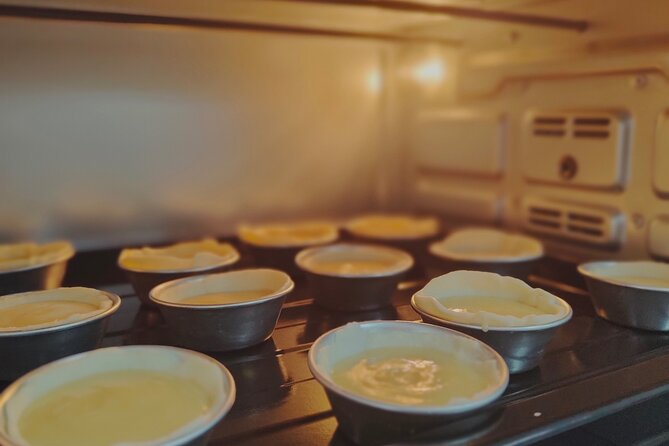
The group format is the heart of the class. Since the host divides the work among a maximum of eight people, you are not left watching someone else do everything. Even younger participants can take part, and the activity has worked well for families with teenagers.
A shared recipe also creates a relaxed team task. You pass ingredients, compare results, and help the process move along. That makes this a good choice for a group of friends who want something more memorable than a standard food stop.
It also suits corporate or team-building groups. One class included eight people from several countries, and the shared cooking helped everyone work together without making the activity feel like an office exercise. The humor and informal teaching style keep the mood light.
For solo visitors, the class can be an easy social activity. You will sit around a table with other people, and the cooking gives you an immediate subject to talk about. You do not have to be outgoing to join in because the recipe supplies the conversation.
Price, timing, and practical value
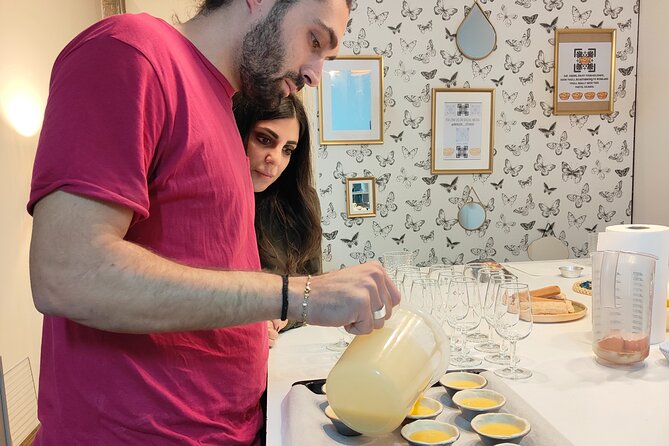
The listed cost is $42.24 per person for about 90 minutes. For Porto, that is a reasonable price if you want an organized activity that combines instruction, food, drinks, and take-home items.
The value depends on what you want. If your only goal is to eat pastel de nata, you can do that more cheaply at a bakery. If you want a full pastry course with dough made from the first step, this class will not provide that in the standard format.
I think the price makes more sense when you count the whole package: personal instruction, participation in the recipe, a drink during baking, a tasting, two pastries to take away, and a recipe for home use. The class also gives you a social evening or morning, which a bakery visit cannot match.
At 1.5 hours, the workshop is short enough to fit into a packed Porto schedule. You could place it between major sightseeing plans without giving up half a day. On the other hand, the time limit explains the shared tasks and prepared dough. The class moves at a brisk but manageable pace rather than lingering over every technical detail.
Bookings are made about 16 days ahead on average, so popular dates may fill before your visit. Confirmation arrives at booking, and the activity is offered in English. The meeting point is near public transportation, which helps if you are coming from another part of the city.
Free cancellation is available up to 24 hours before the start time for a full refund. Changes or cancellations inside that 24-hour window are not accepted for a refund. The class also requires a minimum number of people, so if the operator cancels because that minimum is not reached, you are offered another date or experience, or a full refund.
Who will enjoy this Porto cooking class
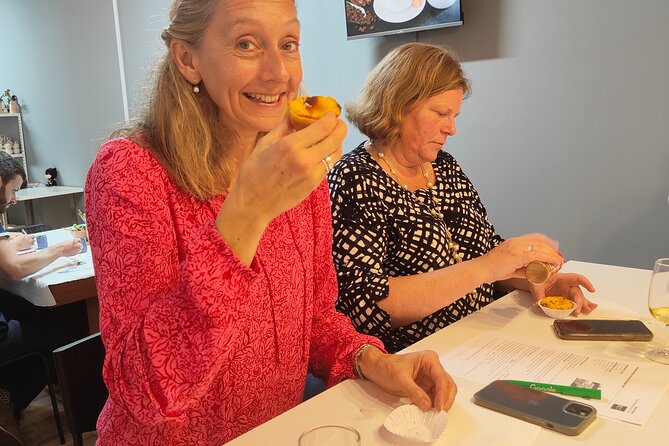
I would recommend this workshop to you if you want an activity with food, conversation, and a little local flavor. It is especially good for:
- First-time bakers who want clear guidance
- Couples and friends looking for a shared activity
- Families with older children or teenagers
- Solo visitors who enjoy meeting people around a table
- Small work groups seeking a relaxed team activity
- Anyone who wants a recipe and pastries to take home
You may want something else if you are seeking a serious, technical baking course. The prepared dough means you will not complete every stage from scratch. You also should not expect complete privacy, since the studio may be shared with a tile-painting class.
The workshop is offered in English, and service animals are allowed. It is near public transportation, but the supplied details do not specify step-free access or other mobility features, so ask before booking if those details matter to you.
A useful Porto food memory
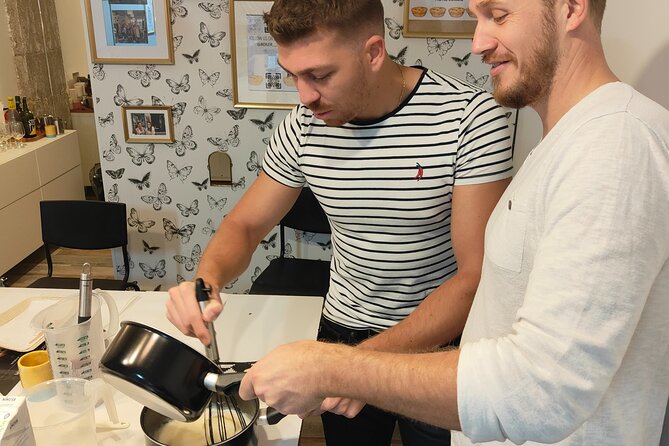
The strongest feature here is not the complexity of the recipe. It is the way a simple local sweet becomes a shared activity.
Patricia, Maria, and Anna teach in a way that helps beginners keep pace. The music and drinks stop the class from feeling stiff. The story of pastel de nata gives the food a place in Portuguese culture. The two take-home pastries and recipe extend the experience beyond the studio.
I also like the balance between structure and freedom. You have a clear task, but there is room for conversation and humor. If you make a small mistake, the host helps. If you are confident in the kitchen, you still get to participate rather than simply watch.
The one tradeoff is the shortened pastry process. You are learning a practical version of the recipe, not producing the dough from raw ingredients and waiting three hours for it to mature. That is a fair compromise for a 90-minute Porto activity, but it should guide your expectations.
Should you book the pastel de nata workshop?
Book it if you want to learn the basics, enjoy a port-based drink, meet a small group, and leave with two pastries and a recipe. The $42.24 price is fair for the combination, especially if you value a social activity rather than just a food tasting.
Skip it if your priority is a full pastry apprenticeship or a quiet private kitchen. In that case, ask about a private workshop, where you can request to perform all the recipe tasks yourself.
For most visitors, I would place this in the good short activity category. It fits neatly into a Porto day, has a clear local connection, and gives you something useful to repeat at home. Just remember that the dough is prepared ahead of time, and you will get the best value by joining in, asking questions, and enjoying the table as much as the tart.
FAQ
Where does the pastel de nata workshop begin and end?
It begins at R. Chã 77, 4000-165 Porto, Portugal, and ends back at the same meeting point.
How long does the workshop last?
The workshop lasts approximately 1 hour and 30 minutes.
How many people can join the class?
The activity has a maximum of eight participants. The workshop description also mentions dividing tasks among a maximum of nine people, so confirm the final group size when booking if this is important to you.
Is the pastry dough made from scratch during the class?
No. The dough is prepared in advance because it takes about three hours before it is ready to use. You receive the dough recipe and an explanation of how to make it.
What do I take home?
Each participant takes two pastries home and receives the recipe.
Are drinks included during the workshop?
Drinks are served while the pastries bake. The information mentions cocktails, port, champagne, and white port with tonic.
Can I cancel for a full refund?
Yes. You can cancel at least 24 hours before the start time for a full refund. Cancellations or changes made less than 24 hours before the start time are not refunded or accepted.
Latest reviews around Porto
- Private Walking Tour, highlights and secrets of Porto★ 3.9 · 3 reviews
- Private Porto Half-Day Tour – Wine Cellars & Cheese Tasting★ 5.0 · 3 reviews
- Portuguese Wine Tasting w Local Cheese & Cold Cuts pairing★ 5.0 · 3 reviews
- From Peso da Régua: Visit 3 wineries, tasting and viewpoint★ 5.0 · 3 reviews
- Porto: Full-Day All-Inclusive Private City Sightseeing Tour★ 4.3 · 3 reviews
- Small Painting Group with a Local Artist in Porto★ 5.0 · 3 reviews
- From Arouca: Paiva River Rafting Adventure – Adventure Tour★ 5.0 · 3 reviews
- Private Tour to Santiago de Compostela and its stunning Cathedral★ 5.0 · 3 reviews
Workshops, compared.
Porto: Pastel de Nata Cooking Class with Grandma’s Recipe
Read our review →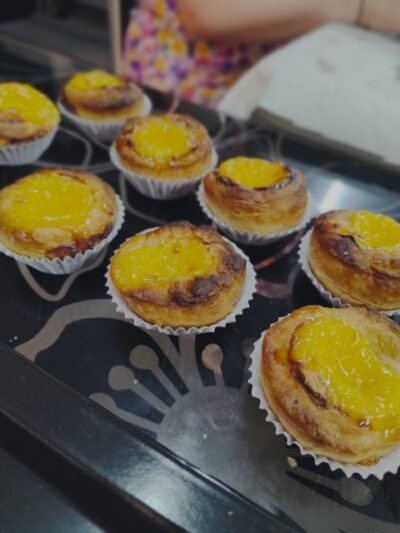
Porto: Pastel de Nata Cooking Class with Port Wine – Sé
Read our review →

Porto: Small Group Surf Lesson with Transportation
Read our review →
Porto: Tile-Painting Workshop with Porto Wine – Bainharia
Read our review →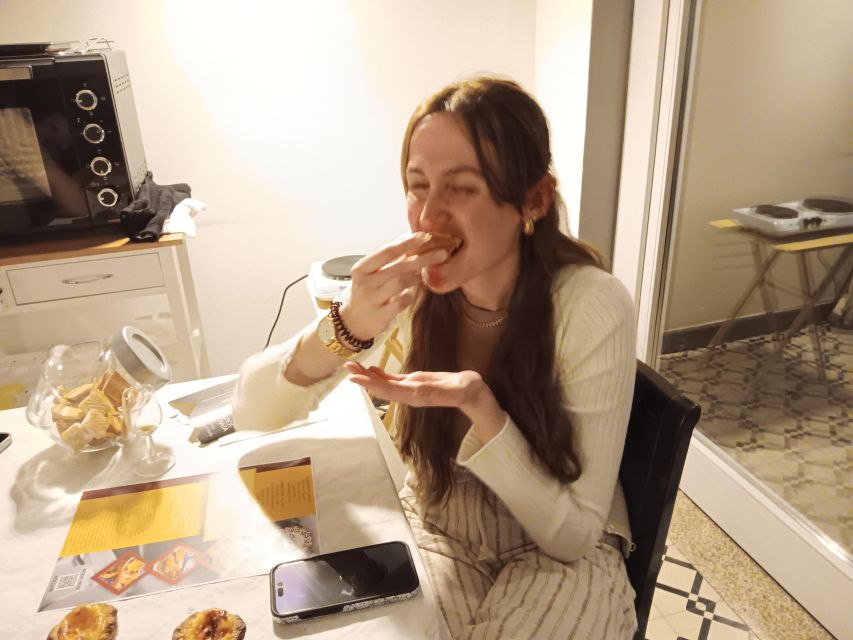
Porto: Pastel de Nata Cooking Class from Scratch
Read our review →Browse the lists this tour appears in