
Reviewed · COOKING CLASSES
Porto: Cooking Class with Local Market Visit
The best part of this Porto experience happens before you turn on the stove. You meet Nuno Miguel Ferreira Silva at his home, then walk to small local food shops to choose the ingredients for your meal. That simple shopping trip gives you a look at everyday Portuguese food, not just the dishes arranged for tourists.
I like the hands-on cooking and the chance to make an entire menu, including dishes such as fish and pastel de nata. I also like the generous cultural side: Nuno can explain Portuguese food, wine, olive oil, tiles, architecture, and the country’s long connections with Africa, Asia, and South America. The main drawback is that the class takes place in a home and is not suitable for wheelchair users, so it may not work for every visitor.
In This Review
- Key Points
- Why the Market Visit Matters in Porto
- Cooking a Portuguese Menu From Scratch
- Nuno’s Kitchen and the Small Group Setting
- Wine, Port, and the Meal You Prepare
- What Makes the Experience Good Value at $106
- Dietary Needs and Practical Limits
- How the 3.5 Hours Fit Into Your Porto Plans
- Who Should Book This Porto Cooking Class
- Should You Book It?
- FAQ
- How long does the Porto cooking class last?
- What is included in the price?
- Is transportation to the meeting point included?
- Where does the experience begin?
- What languages does Nuno speak?
- Can the menu be adapted for dietary restrictions?
- Is the class suitable for wheelchair users?
- Can I cancel the booking?
Key Points
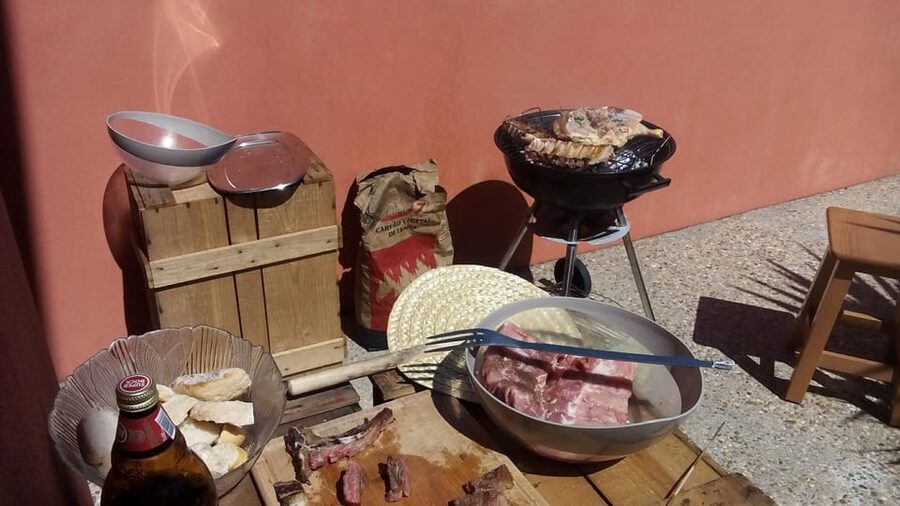
- Shop before you cook: Visit local grocery shops, a bakery, butcher, or possibly Nuno’s organic garden to gather fresh ingredients.
- Cook everything from scratch: The class avoids frozen and pre-prepared products, giving you useful techniques to repeat at home.
- Meet Nuno at his home: The small group, limited to eight people, creates a more personal setting than a large food tour.
- Expect more than recipes: Food traditions, Portuguese history, architecture, tiles, wine, port, and olive oil all form part of the conversation.
- Enjoy the finished meal: Your cooking ends with a full meal and wine pairing around Nuno’s table.
- Plan for stairs or limited access: The experience is not suitable for wheelchair users, and you must arrange your own way to the meeting point.
Why the Market Visit Matters in Porto
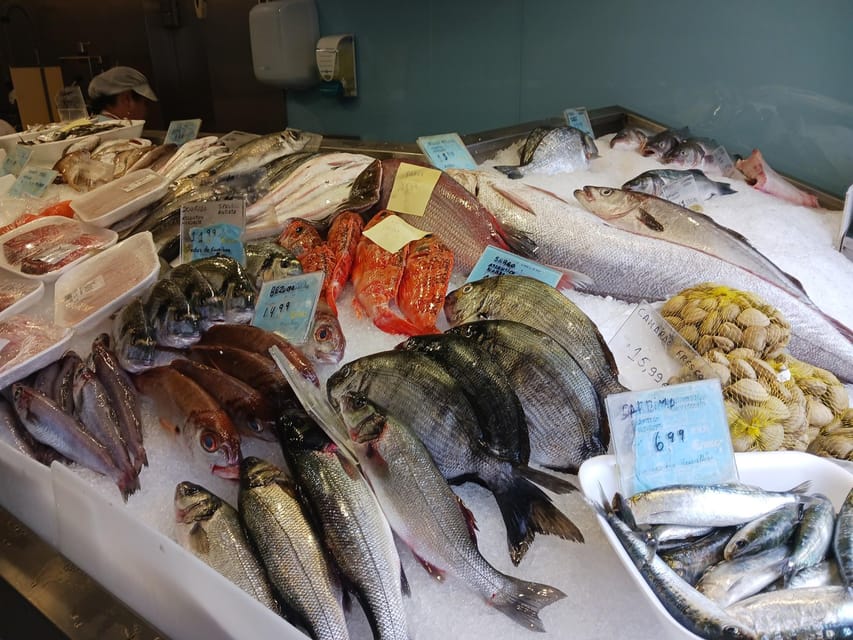
A cooking class can easily become a staged demonstration: ingredients already measured, pans already hot, and visitors asked to stir at the right moment. This experience takes a better route. You begin by shopping for the meal, so you see where the food comes from and why each ingredient matters.
The exact stop may be a local grocery shop, bakery, street butcher, or Nuno’s organic garden. That flexibility is part of the charm, though it also means you should not expect one fixed market itinerary every time. The point is to shop in the neighborhood and choose fresh products for that day’s menu.
I like this start because it helps you understand Portuguese cooking through ordinary food shops. You may see the ingredients as Nuno selects them, ask questions about how they are used, and learn why freshness matters in a cuisine built around fish, olive oil, bread, pastry, and simple seasonings.
The market visit also gives you a chance to get your bearings in a less polished part of Porto. You are not simply looking at food behind a restaurant counter. You are making decisions with a local guide, then carrying those decisions into the kitchen.
You should allow for walking between shops and the host’s home. Transportation to and from the meeting point is not included, so check the meeting details and plan your route before the class begins.
More cooking classes in Porto:
- Porto: Pastel de Nata Cooking Class with Grandma’s Recipe
★ 5.0 · 1,565 reviews - Porto: Pastel de Nata Cooking Class with Port Wine – Sé
★ 4.8 · 888 reviews - Porto: Pastel de Nata Cooking Class from Scratch
★ 4.9 · 468 reviews
Cooking a Portuguese Menu From Scratch
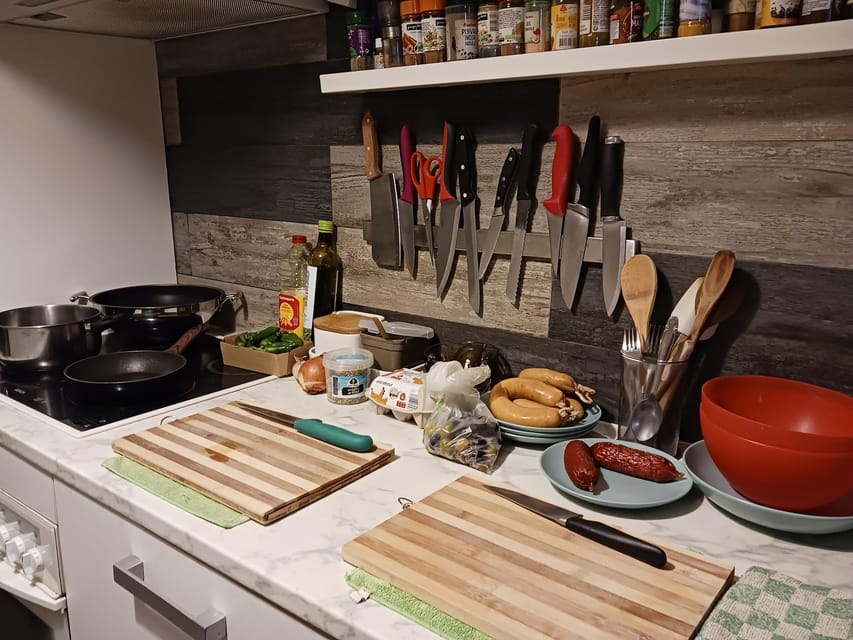
The class lasts about 3.5 hours, enough time to shop, prepare several dishes, cook, and eat without turning the meal into a rushed race against the clock. Nuno leads the process, but the design is hands-on. You are expected to help prepare the food rather than sit back and watch a cooking show.
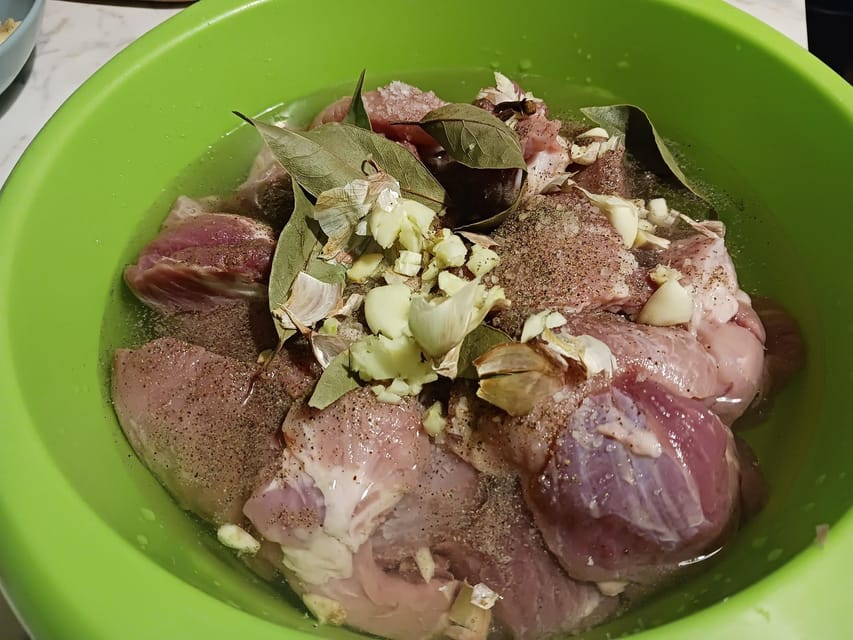
That matters if you want to take the recipes home. The cooking includes practical tips and techniques, not just a list of ingredients. You may learn how to handle fresh fish, prepare a traditional dessert, work with olive oil, or build the parts of a Portuguese meal in the right order.
The menu can vary, but the food described from this experience includes appetizers, a fish main course, and pastel de nata for dessert. You should not book expecting one guaranteed menu unless the provider confirms it in advance. The appealing part is the complete meal: you work through a Portuguese menu from beginning to end.
Pastel de nata is a particularly useful addition. You can buy this famous custard tart all over Porto, but making it yourself helps you understand the care behind the pastry and filling. It also gives you a recipe you can try again after returning home.
Nuno’s approach puts food in context. Portuguese cuisine has been shaped by the country’s maritime connections and former territories in Africa and South America, as well as ingredients and customs linked to Asia. Traditional foods can also reflect different communities and influences, including the Jewish connection associated with alheira.
That does not turn the class into a lecture. The history comes while you chop, stir, taste, and wait for the next part of the meal. I find that is the best kind of food education because you remember the story alongside the dish.
Nuno’s Kitchen and the Small Group Setting
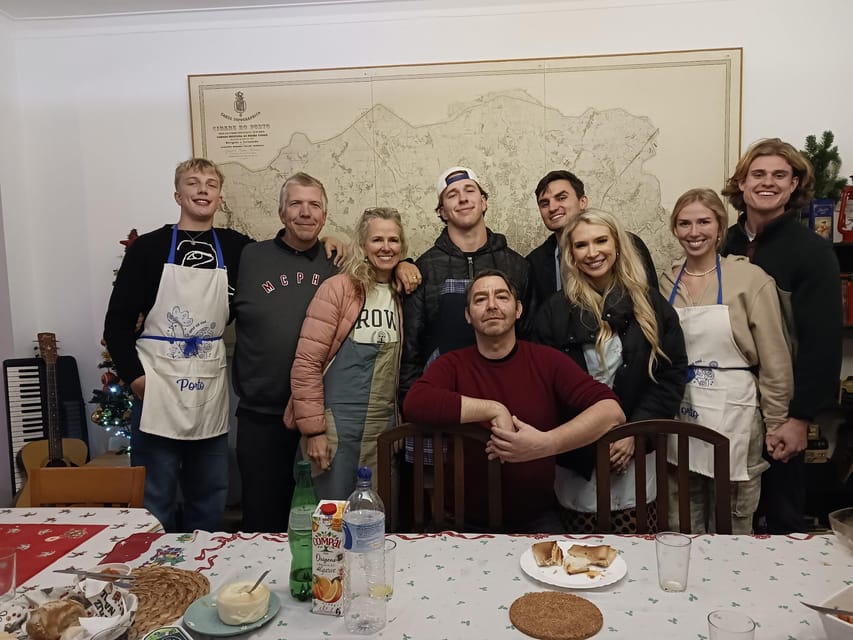
You meet Nuno at his home, where the class continues after the shopping trip. The setting feels more personal than a school kitchen with rows of workstations, and the group is limited to eight participants.
A small group helps in several ways. You can ask questions without shouting across a crowded room, get direct help with a technique, and take part in the meal conversation at the end. It is also a good fit if you prefer an evening with a local host rather than a large organized outing.
The home setting does require the right expectations. This is not a restaurant meal with formal service, and it is not designed for a wheelchair user. If you have mobility concerns, contact the provider before booking because the activity is specifically listed as unsuitable for wheelchair users.
Nuno communicates in Portuguese and English. His role also goes beyond the kitchen. He can discuss Portuguese architecture and tiles, which gives the experience an extra Porto connection. I like this because the city’s decorative details and food traditions often make more sense when someone explains how they fit into local life.
The small group can also make dietary needs easier to discuss. Adaptations are possible for most diets, but you must tell Nuno about allergies or restrictions ahead of time. Do not wait until you arrive, especially if you have serious allergies.
Wine, Port, and the Meal You Prepare
The class includes wine pairing, and the food is served with local wine. You may also taste port and olive oil as part of the experience. These tastings add value because they show how Portuguese meals are built around more than the main dish.
Olive oil, in particular, deserves attention. It can be treated as background cooking fat, but here you get a chance to taste it and understand its role in Portuguese food. Pairing wine with the meal also gives you a practical way to compare flavors instead of simply drinking whatever happens to be poured.
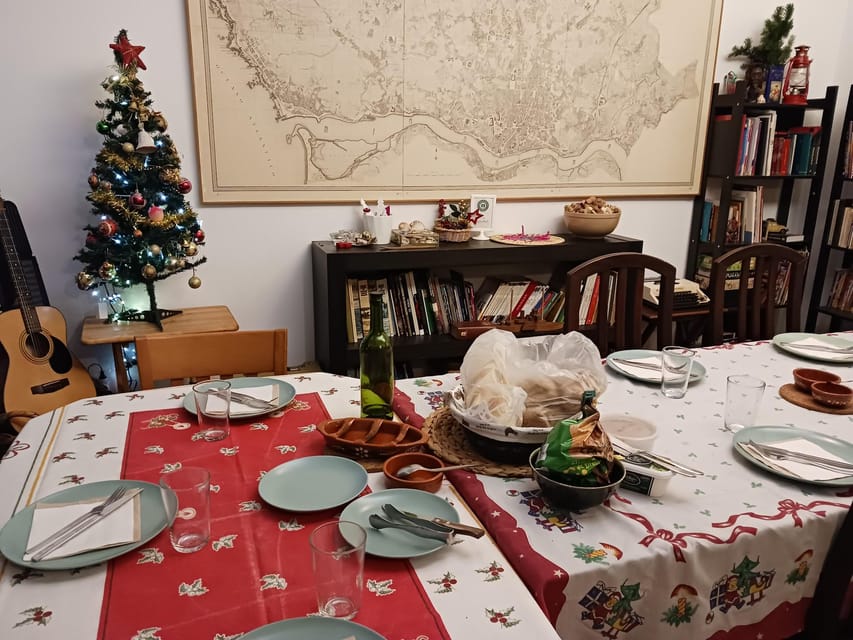
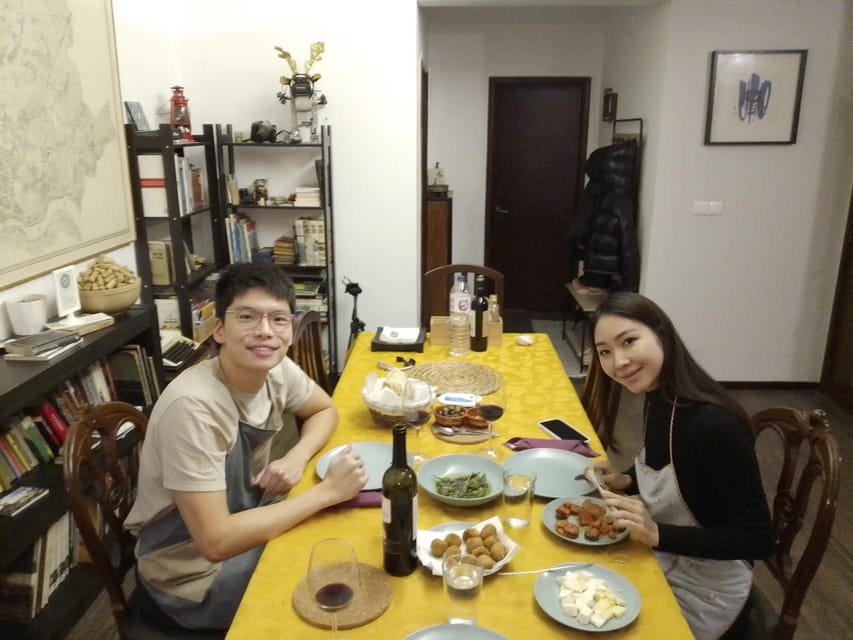
The final meal is the payoff for the work. You gather around Nuno’s table and eat the food you helped prepare. That changes the meal from a restaurant order into a shared project. If you enjoy cooking, the sense of ownership is a major part of the fun.
The phrase a lot of wine should be treated sensibly. Alcohol is included in the food and wine experience, but you should pace yourself and tell Nuno if you do not drink. Alcohol and drugs are not allowed as a general rule for the activity, and the class is not suitable for anyone seeking a party outing.
A few more Porto outings to weigh up
- Porto Local Market Visit & Cooking Class / Showcooking
★ 5.0 · 206 reviews - Porto Market Tour & Cooking Class – Half Day
★ 5.0 · 34 reviews - Porto: Local Market Tour & Cooking Class/Showcooking
★ 4.9 · 32 reviews - Bolhão Market Guided Food Tour
★ 4.5 · 23 reviews
What Makes the Experience Good Value at $106
At $106 per person, this is not the cheapest way to eat in Porto. You can find a good meal for much less, and a simple market visit costs little or nothing. The value comes from combining several services in one 3.5-hour experience.
You receive a guided local shopping trip, cooking instruction, all ingredients, a full meal, and wine pairing. You also get time with a host who can explain food, Portuguese culture, history, wine, olive oil, architecture, and tiles. For someone who would otherwise book a food tour and a restaurant meal separately, the price can make sense.
The strongest value is educational. You are not only consuming Portuguese food. You are learning how to prepare it, which ingredients to look for, and how the dishes connect to the country’s past. If you cook at home, that lasting usefulness may matter more than one restaurant dinner.
The value is less convincing if you dislike group cooking, prefer a formal restaurant, or want a fixed menu confirmed months ahead. The class works best for people who see food as part of the trip, not just fuel between sightseeing stops.
The small group limit of eight is important here. A private class would usually cost more, while a large class would offer less personal guidance. This sits between the two, with a social format and direct access to the host.
Dietary Needs and Practical Limits
Most dietary adaptations are possible, but the wording matters: most does not mean every restriction can be handled. Tell Nuno about allergies and dietary needs before the class so he can plan the shopping and menu.
The fact that everything is made from scratch helps. There are no frozen products and no pre-prepared ingredients, so you can understand what goes into your food. It also gives the host more control over substitutions.
Still, people with severe allergies should ask specific questions before paying. A scratch kitchen can reduce uncertainty, but it does not automatically remove the risk of cross-contact. Clear communication is essential.
The activity is not suitable for wheelchair users. Pets are not allowed, and alcohol and drugs are prohibited. Transportation is not included, so you are responsible for reaching the meeting point and returning afterward.
The experience is offered in Portuguese and English. Since the class includes conversation and cultural explanation, make sure you book the language that will let you follow cooking instructions comfortably.
How the 3.5 Hours Fit Into Your Porto Plans
The class takes up a solid half-day, even though the listed duration is 3.5 hours. Add your own travel time to the meeting point, and you should avoid placing another tightly scheduled tour immediately afterward.
It works well on a day when you want a slower change of pace after museums, churches, or city walks. The food shopping gives you contact with local neighborhoods, while the home meal provides a comfortable finish.
Starting times vary, so check availability when you plan. You may find it easier to book this experience early in your Porto stay. That gives you time to return to a shop, look for an ingredient, or try a dish you learned about during the class.
You should arrive ready to participate. Wear something comfortable for cooking, although no special equipment is listed. Since the meal is prepared from scratch, expect chopping, stirring, tasting, and time on your feet.
The experience is especially appealing in a small group of friends, couples, or solo visitors who enjoy meeting people over food. Families should check the booking details carefully, since no specific child policy is provided.
Who Should Book This Porto Cooking Class
I would choose this experience if you want direct contact with Portuguese food and a local host. It suits curious cooks, food-focused visitors, and anyone who prefers a home meal to another restaurant reservation.
It is also a good pick if you want cultural context without signing up for a formal history tour. Nuno’s conversations can range from the origins of dishes to wine, olive oil, architecture, and tiles. That broad mix makes the afternoon feel connected to Porto rather than limited to a recipe sheet.
You should think twice if you want a guaranteed dish list, dislike alcohol-centered pairings, or have accessibility needs that conflict with a private home setting. The class is also not the best match for someone who wants to observe quietly. You will get more from it if you take part.
The 5.0 rating from 15 reviews supports the idea that the host and personal format are the main attractions, but I would still focus on fit rather than the number. The strongest pattern is clear: Nuno’s organization, warmth, market knowledge, food instruction, and willingness to adapt the menu are central to the experience.
Should You Book It?
Book this Porto cooking class if you want to shop for ingredients, cook a full Portuguese menu, and eat at a local host’s table rather than simply order dinner. At $106, it offers fair value for the time, meal, wine, instruction, and cultural conversation.
I would make it a priority for food lovers and visitors who want one personal, memorable afternoon in Porto. Contact Nuno in advance about dietary restrictions, check the access limitations, and leave enough time to reach the meeting point. If those details work for you, this is a practical way to take a piece of Portuguese cooking home.
FAQ
How long does the Porto cooking class last?
The experience lasts 3.5 hours. That includes the local shopping visit, cooking class, meal preparation, and the final meal with wine pairing.
What is included in the price?
The price includes a local grocery shop visit, an organic garden visit when part of the plan, the cooking class, meal preparation, and wine pairing.
Is transportation to the meeting point included?
No. You must arrange your own transportation to and from the meeting point.
Where does the experience begin?
You meet the host, Nuno Miguel Ferreira Silva, at his home. From there, you go together to local grocery shops, a bakery, a street butcher, or possibly his organic garden.
What languages does Nuno speak?
The experience is offered in Portuguese and English.
Can the menu be adapted for dietary restrictions?
Adaptations are possible for most diets. You must inform Nuno about dietary restrictions or allergies in advance.
Is the class suitable for wheelchair users?
No. The activity is listed as not suitable for wheelchair users.
Can I cancel the booking?
You can cancel up to 24 hours in advance for a full refund. Reserve now and pay later is also available, so you do not have to pay at the time of booking.
More Workshops in Porto
- Porto: Pastel de Nata Pastry-Making Workshop
★ 4.9 · 1,542 reviews - Matosinhos: Surfing Lesson with Equipment
★ 4.8 · 704 reviews - Porto: Small Group Surf Lesson with Transportation
★ 4.9 · 594 reviews - Porto: Tile-Painting Workshop with Porto Wine – Bainharia
★ 4.9 · 526 reviews
More Shopping Tours in Porto
- Shopping, cooking and eating together at my home in Porto
★ 5.0 · 70 reviews - Porto Private Food & Wine Walking Tour with Market & Tastings
★ 5.0 · 19 reviews - Chef Led Porto Market Tour & Portuguese Tapas Class + Wine
★ 4.8 · 19 reviews - Porto: Bolhão Market Guided Food Tour
★ 4.6 · 15 reviews
Latest reviews around Porto
- Private Walking Tour, highlights and secrets of Porto★ 3.9 · 3 reviews
- Portuguese Wine Tasting w Local Cheese & Cold Cuts pairing★ 5.0 · 3 reviews
- Private Porto Half-Day Tour – Wine Cellars & Cheese Tasting★ 5.0 · 3 reviews
- From Peso da Régua: Visit 3 wineries, tasting and viewpoint★ 5.0 · 3 reviews
- Porto: Full-Day All-Inclusive Private City Sightseeing Tour★ 4.3 · 3 reviews
- Small Painting Group with a Local Artist in Porto★ 5.0 · 3 reviews
- From Arouca: Paiva River Rafting Adventure – Adventure Tour★ 5.0 · 3 reviews
- Private Tour to Santiago de Compostela and its stunning Cathedral★ 5.0 · 3 reviews
Cooking Classes, compared.
Porto: Pastel de Nata Cooking Class with Grandma’s Recipe
Read our review →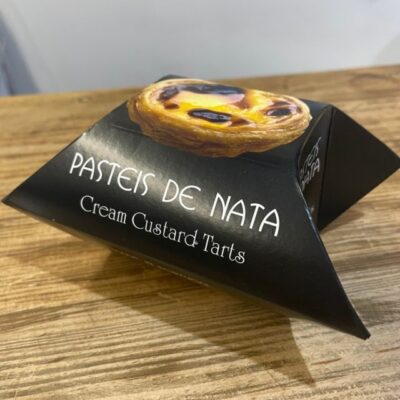
Porto: Pastel de Nata Cooking Class with Port Wine – Sé
Read our review →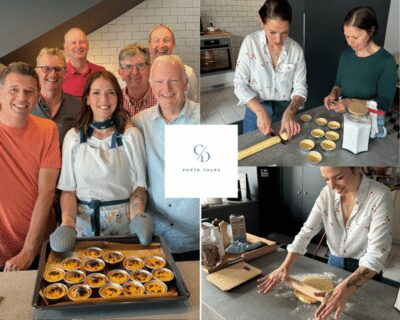
Porto: Pastel de Nata Cooking Class from Scratch
Read our review →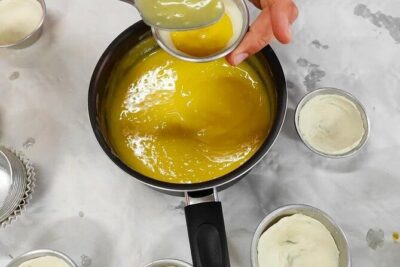
Porto: Pastel de Nata Cooking Class with Porto Wine (Sé do Porto)
Read our review →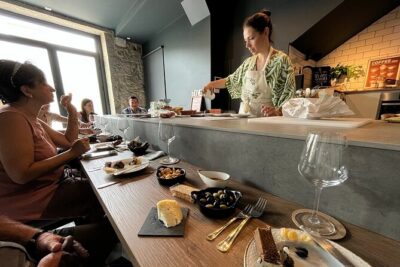
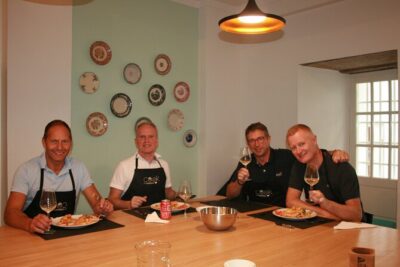
Portuguese Cooking Class in Porto with Portuguese Wine
Read our review →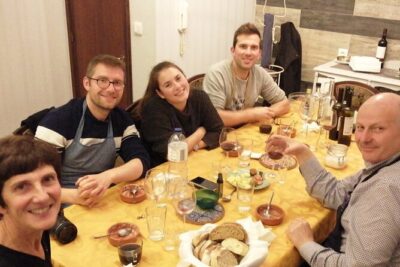
Shopping, cooking and eating together at my home in Porto
Read our review →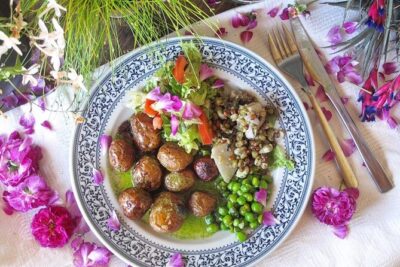
Traditional Cooking Class, Farm Tour & Lunch in the Douro Valley
Read our review →Browse the lists this tour appears in